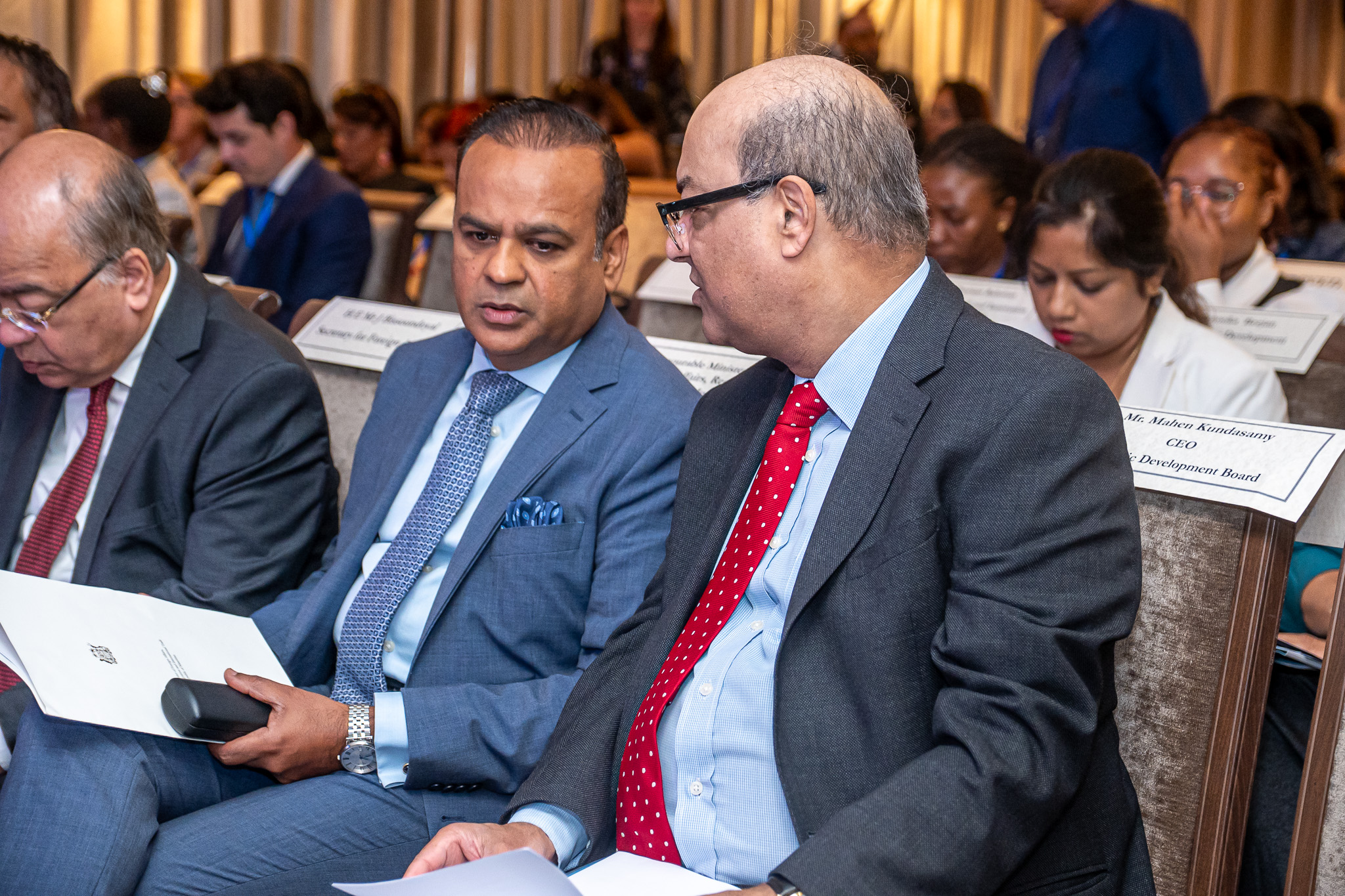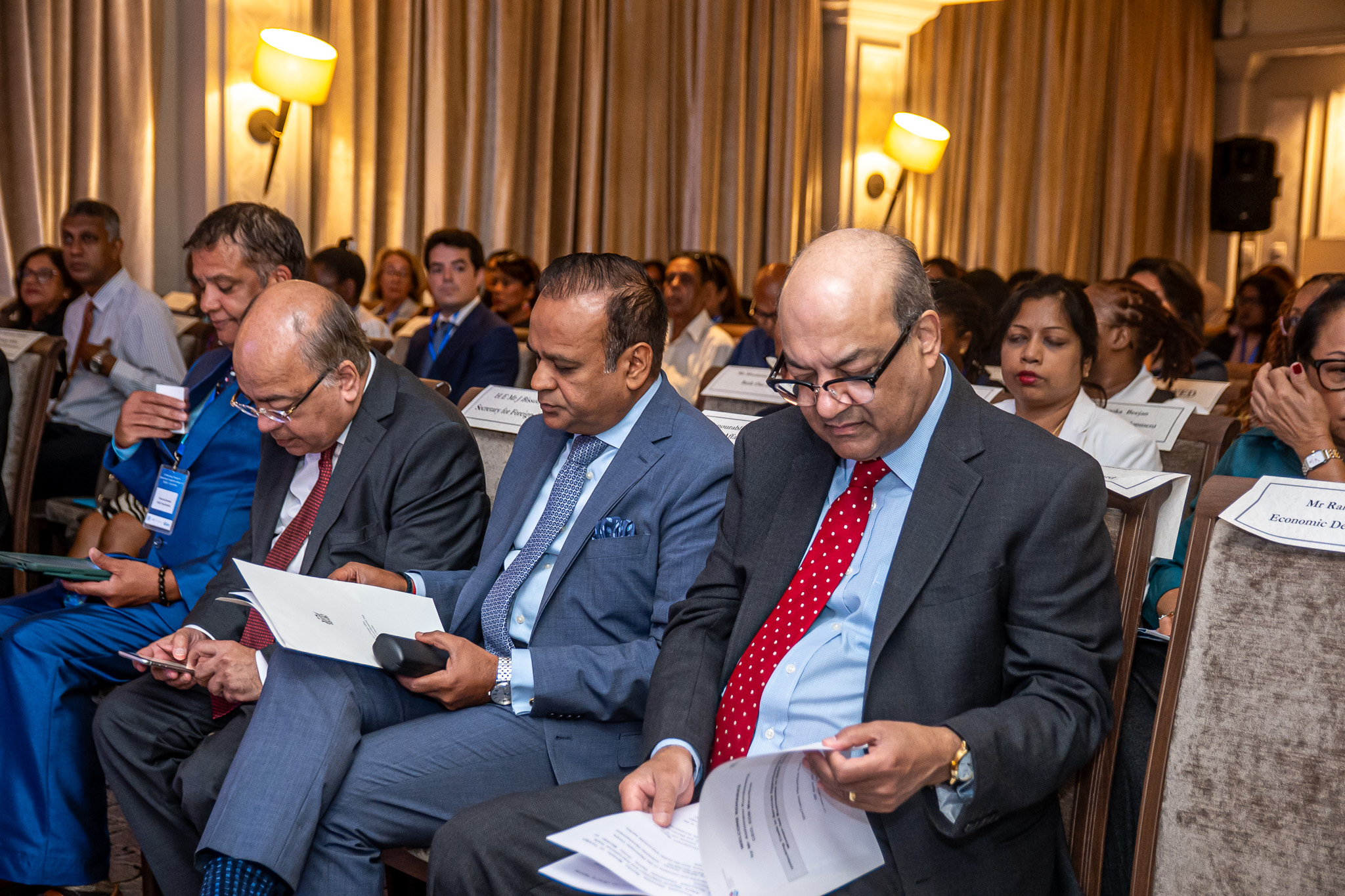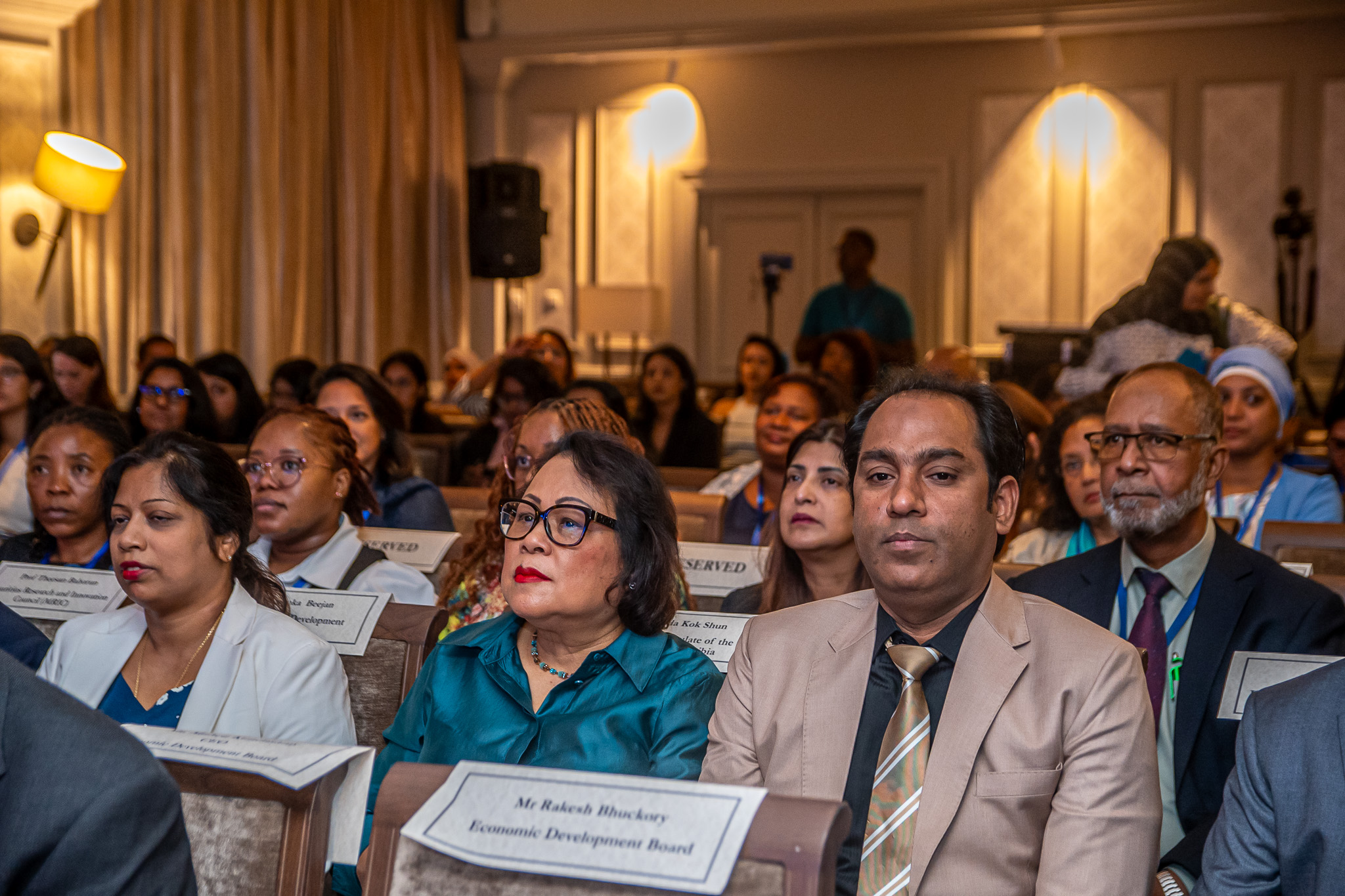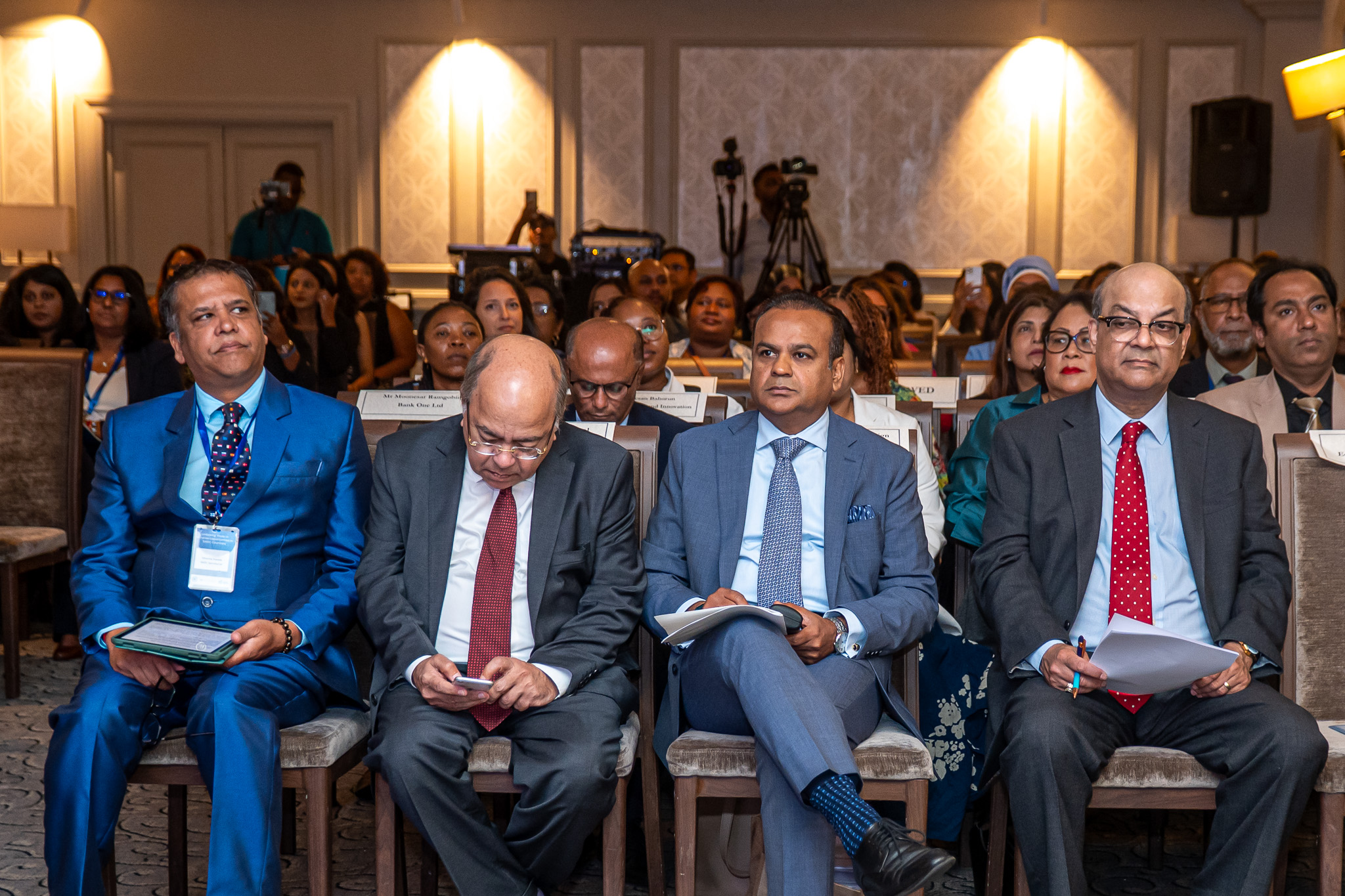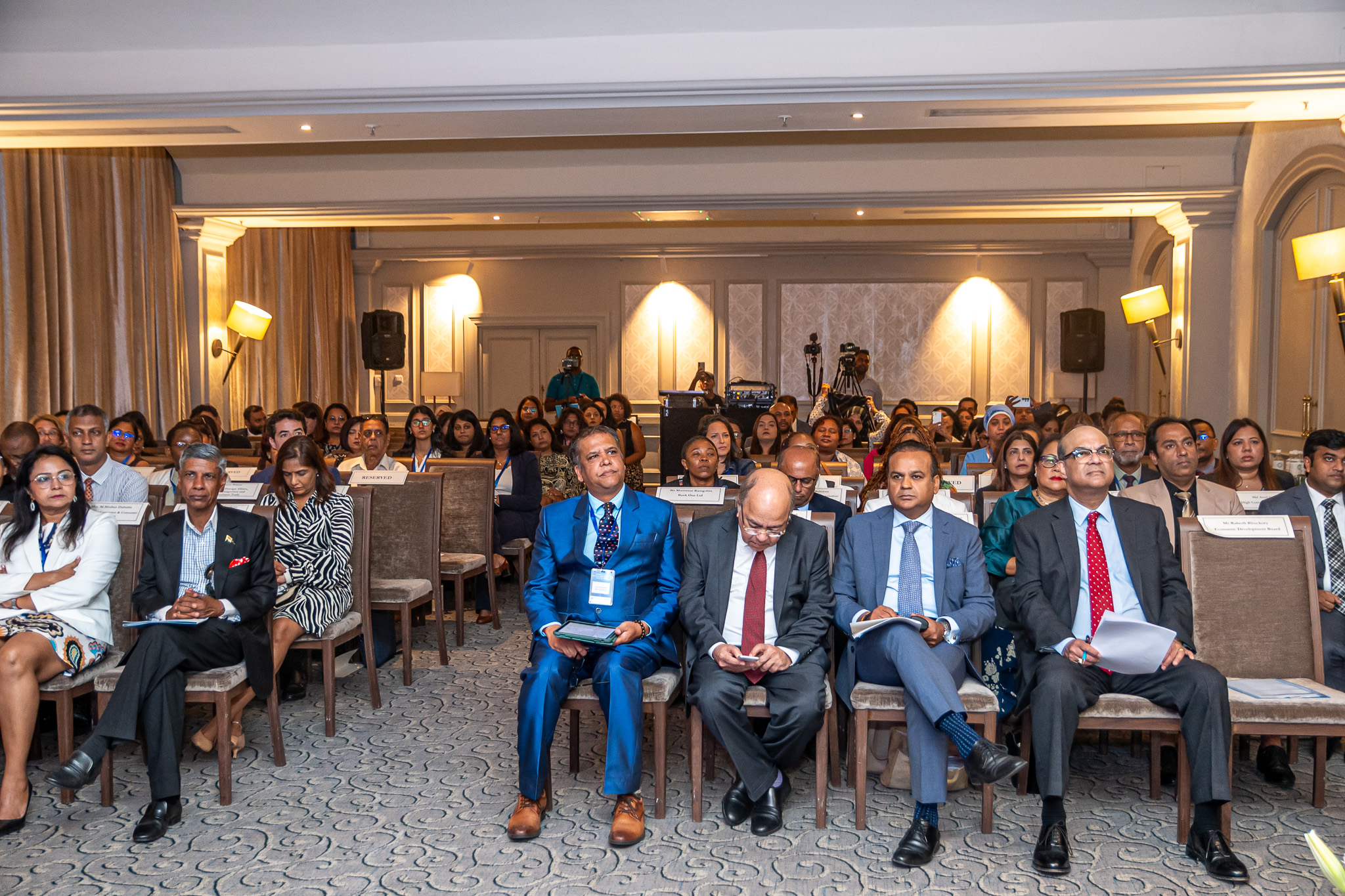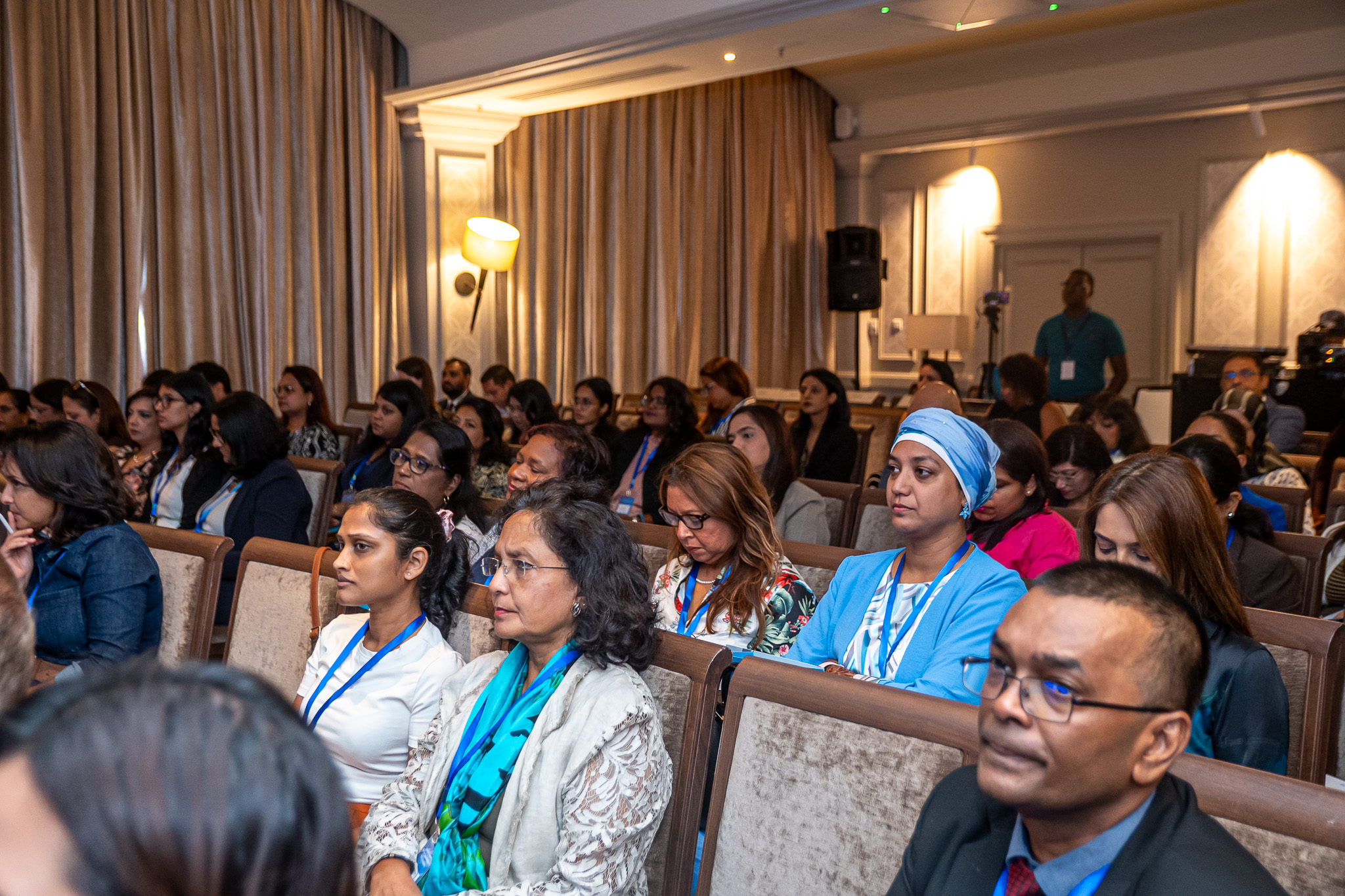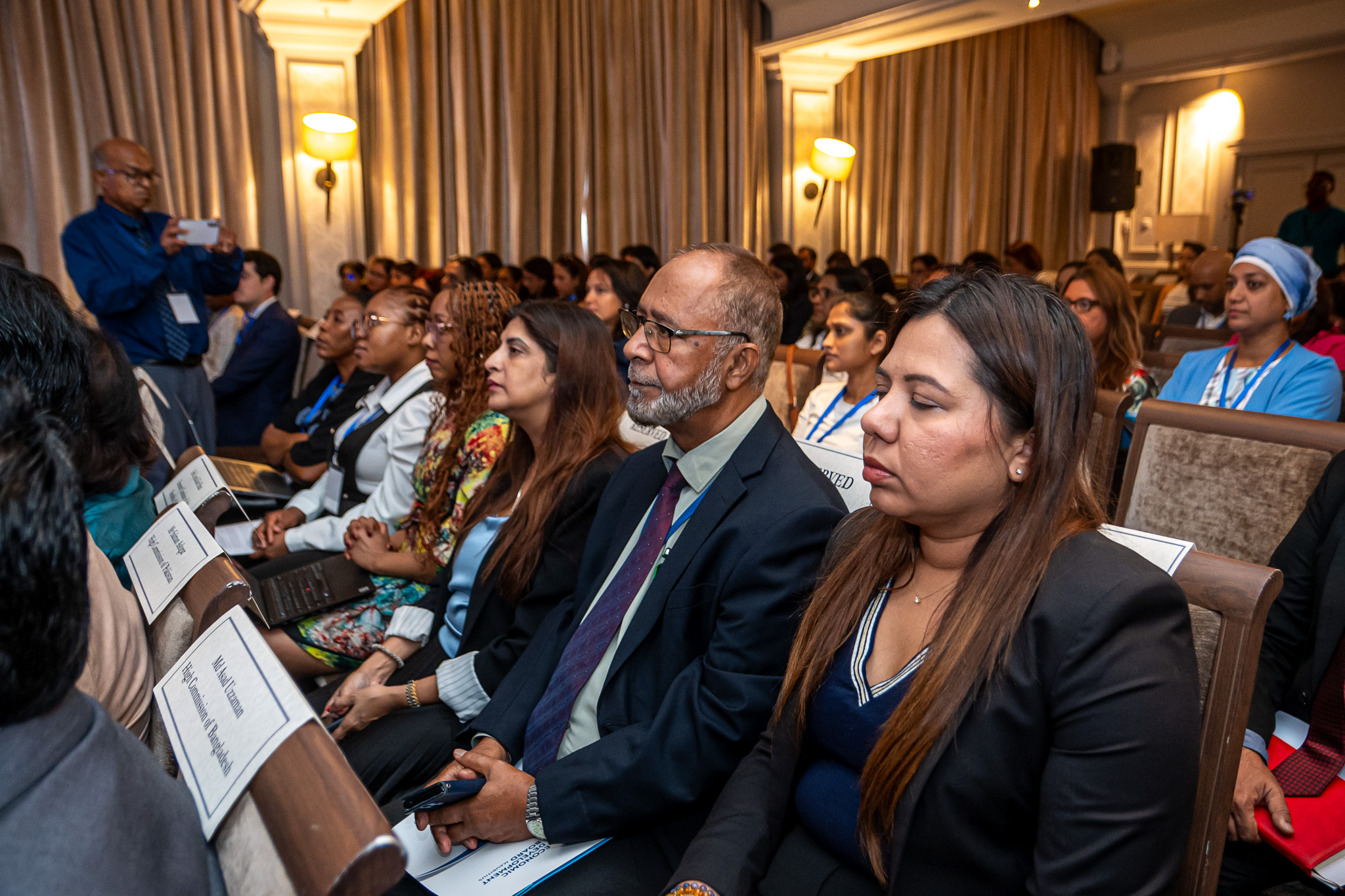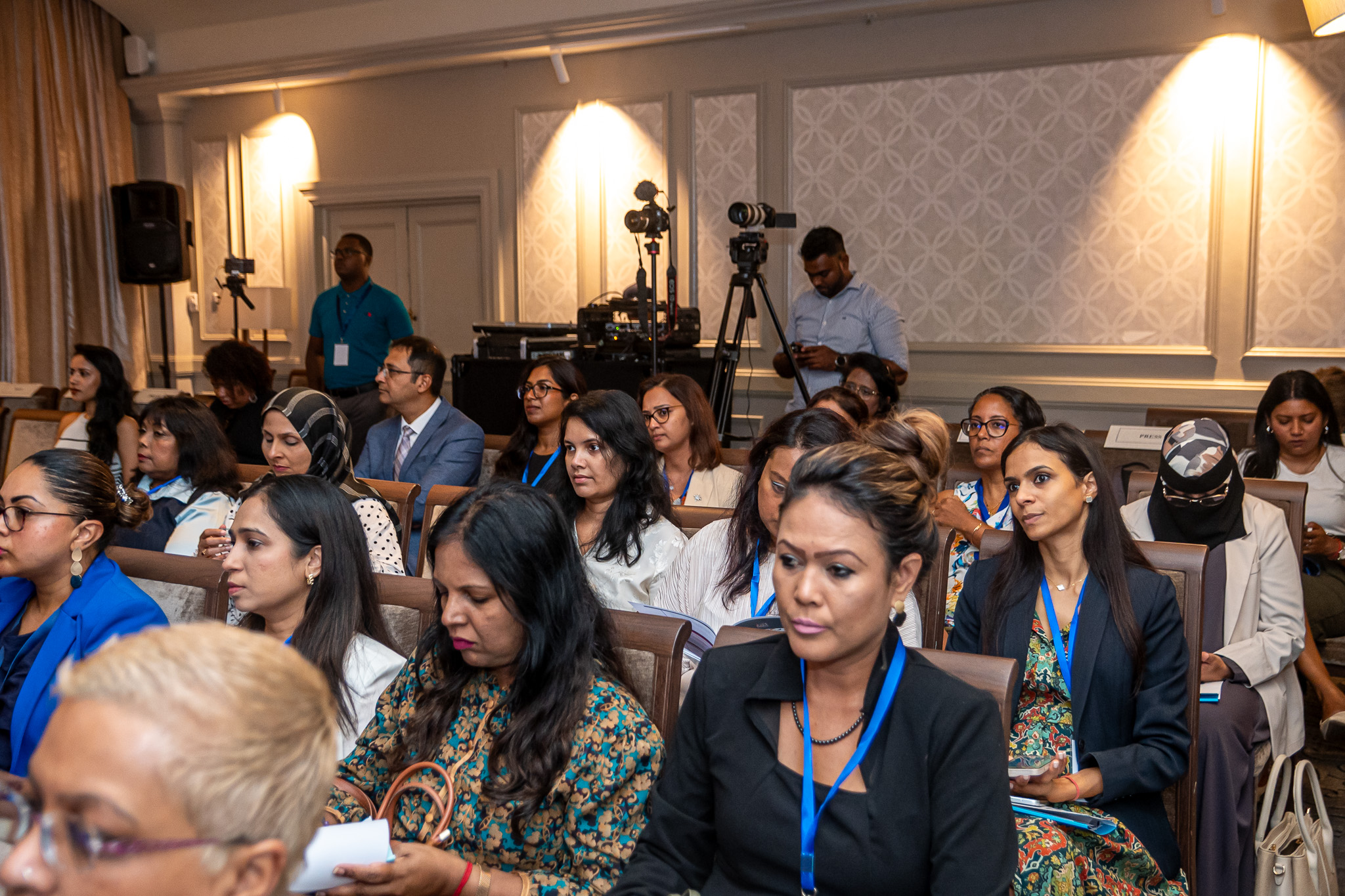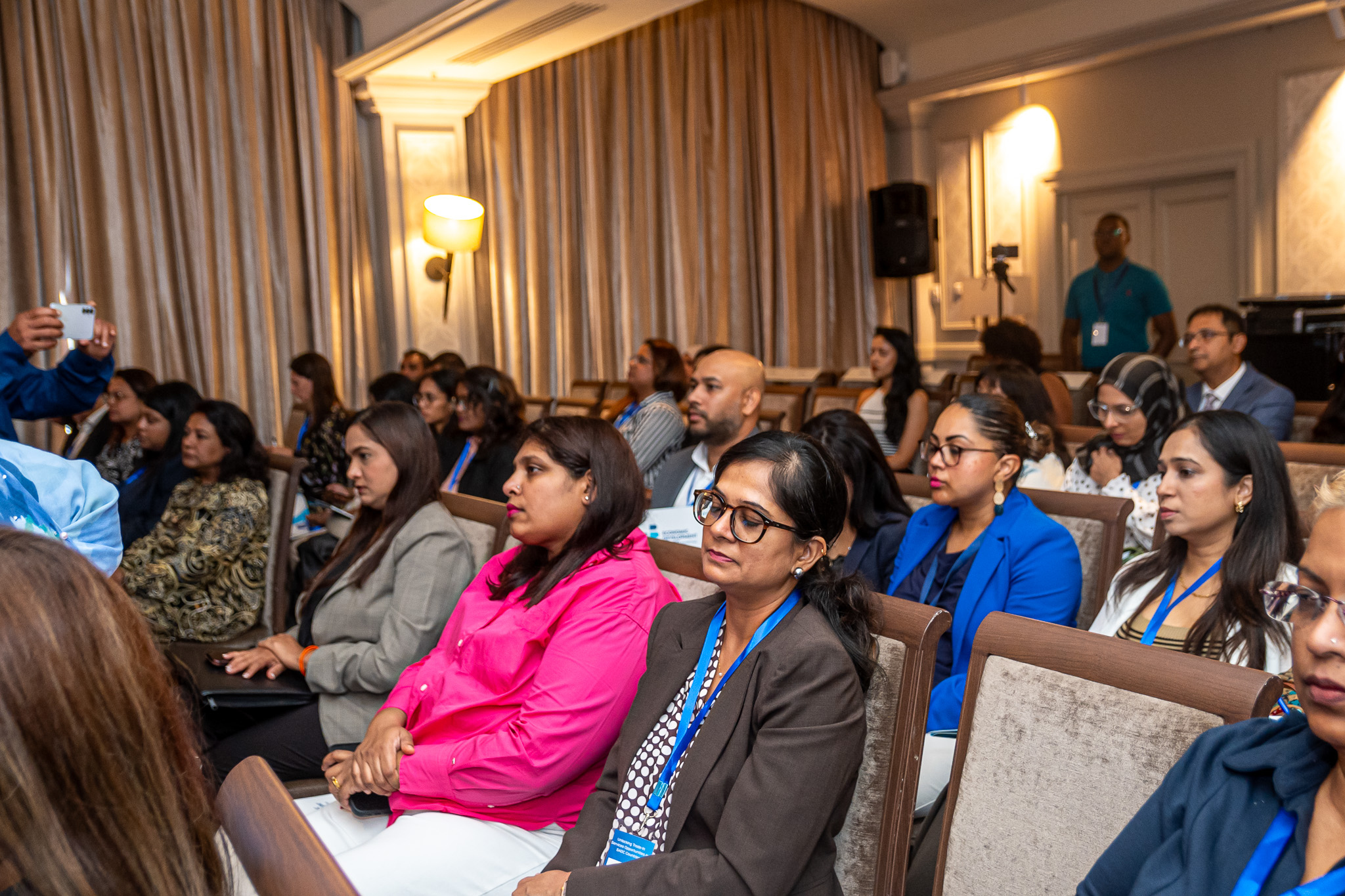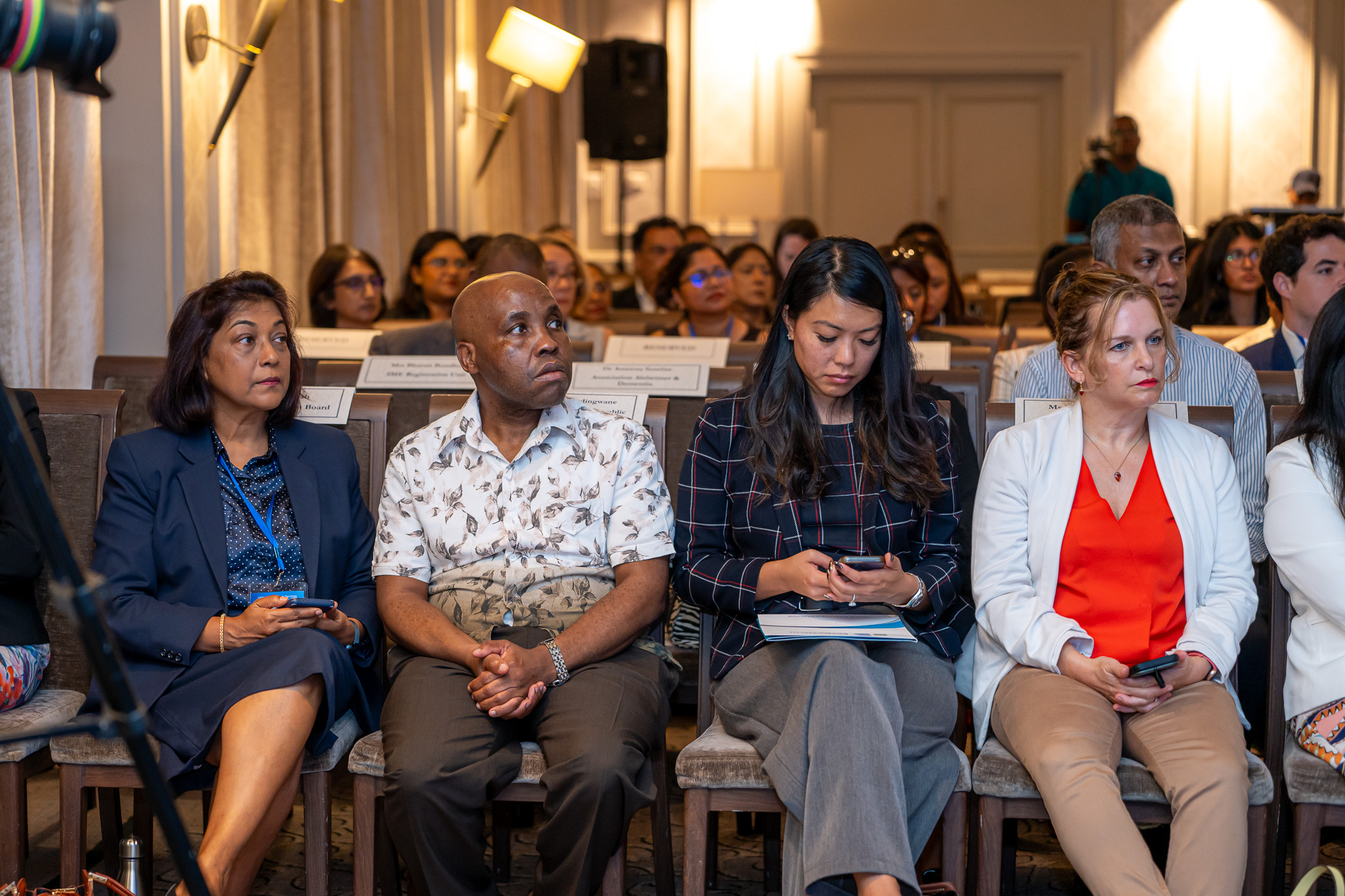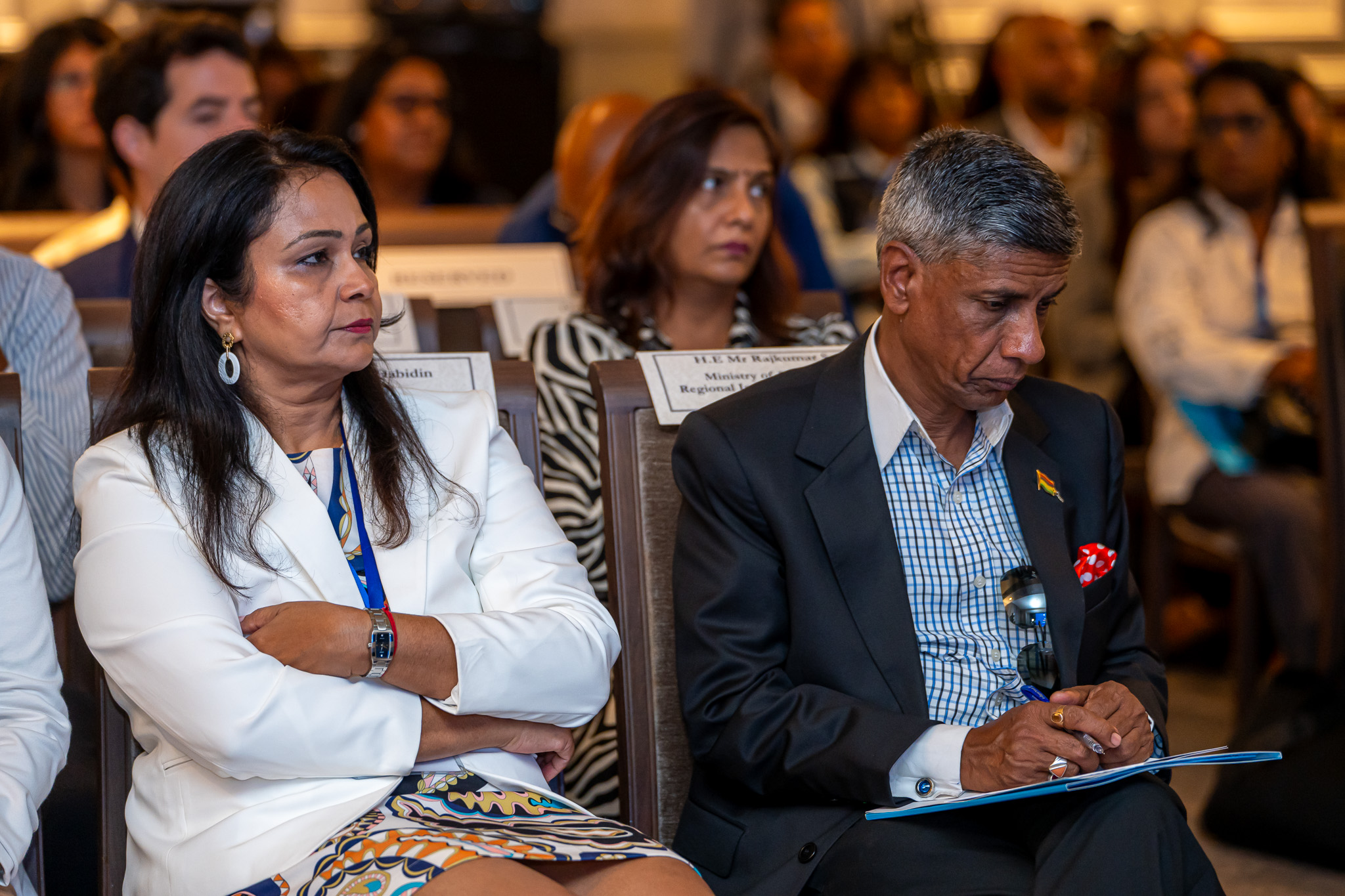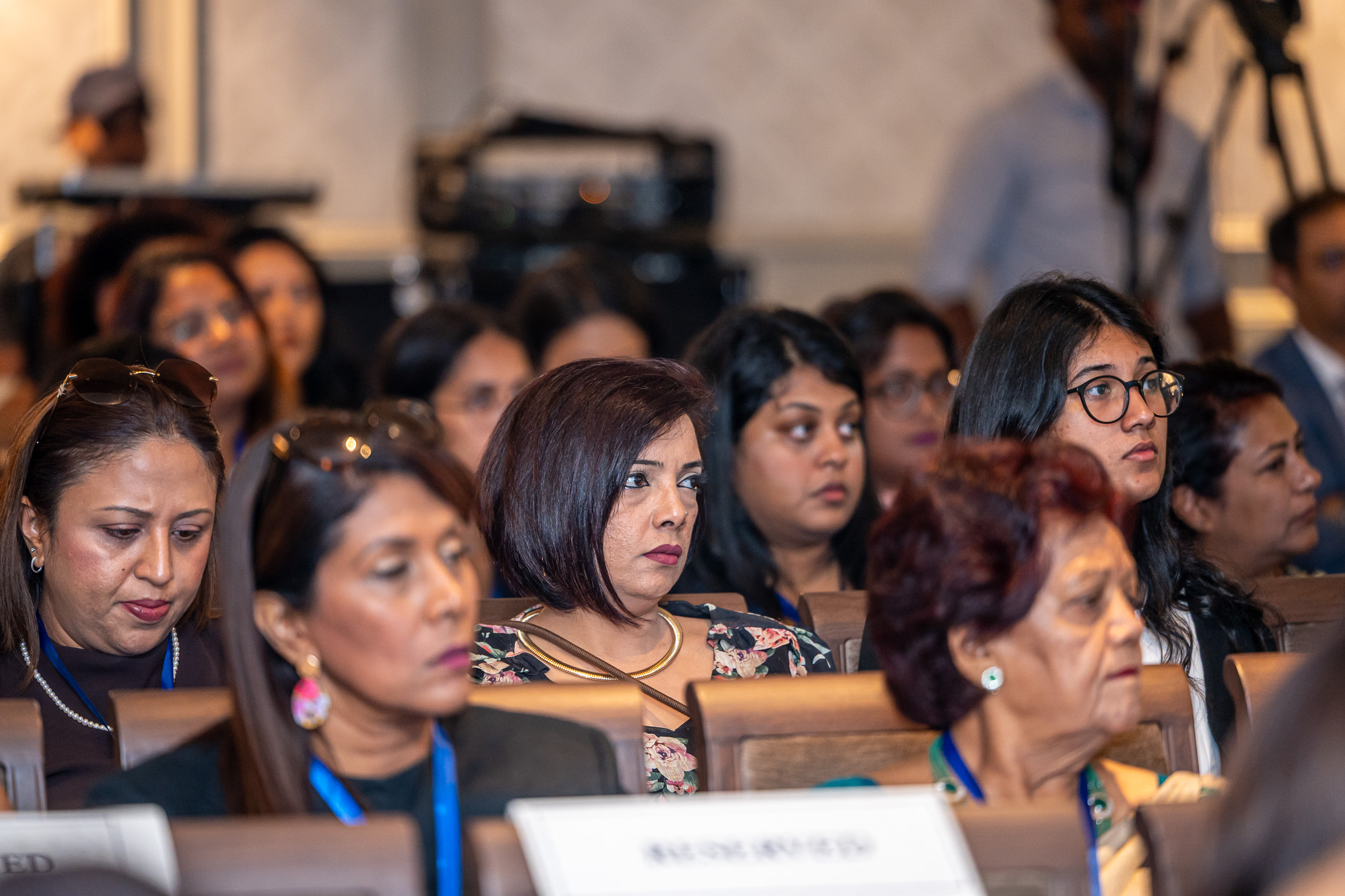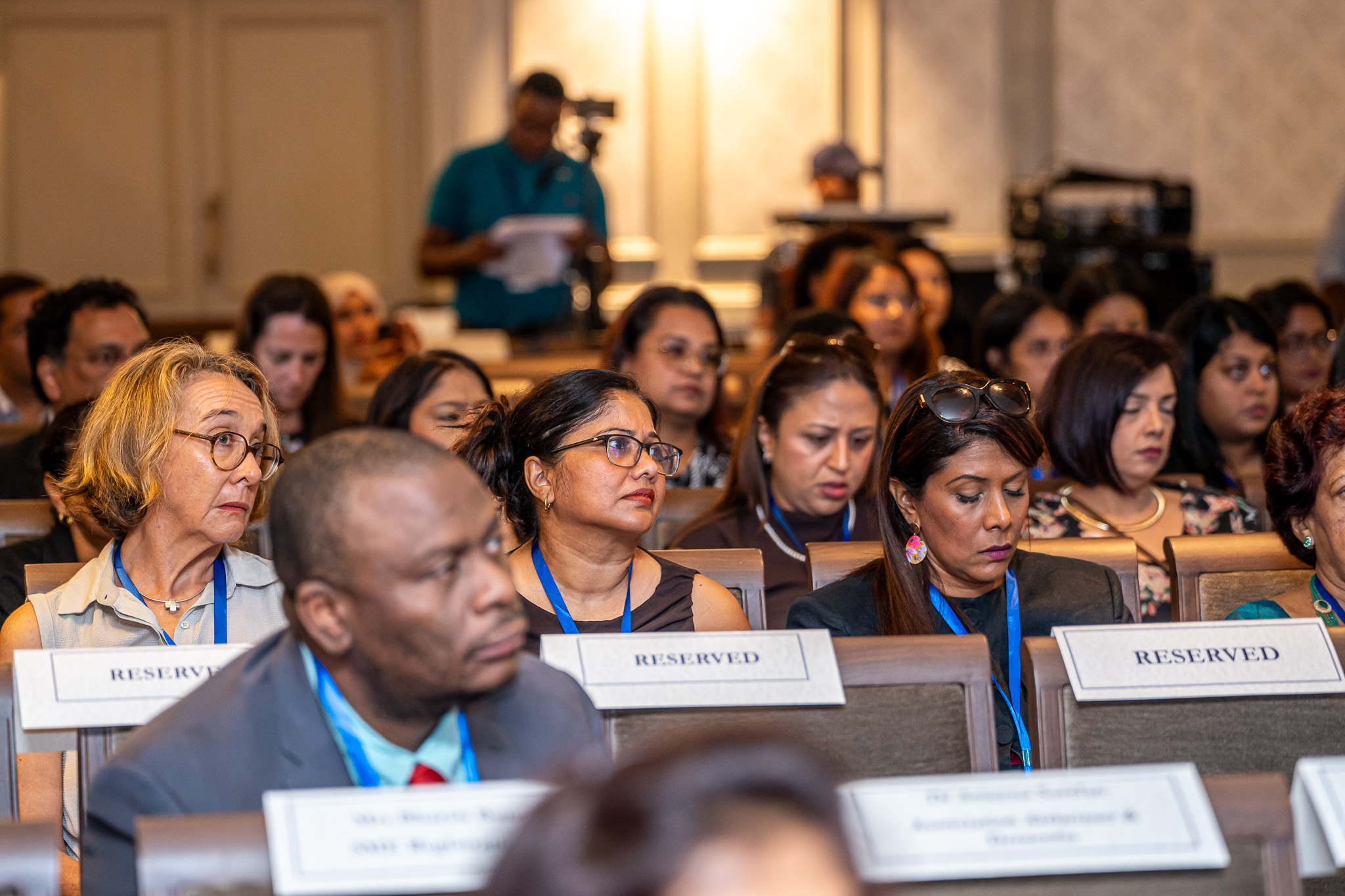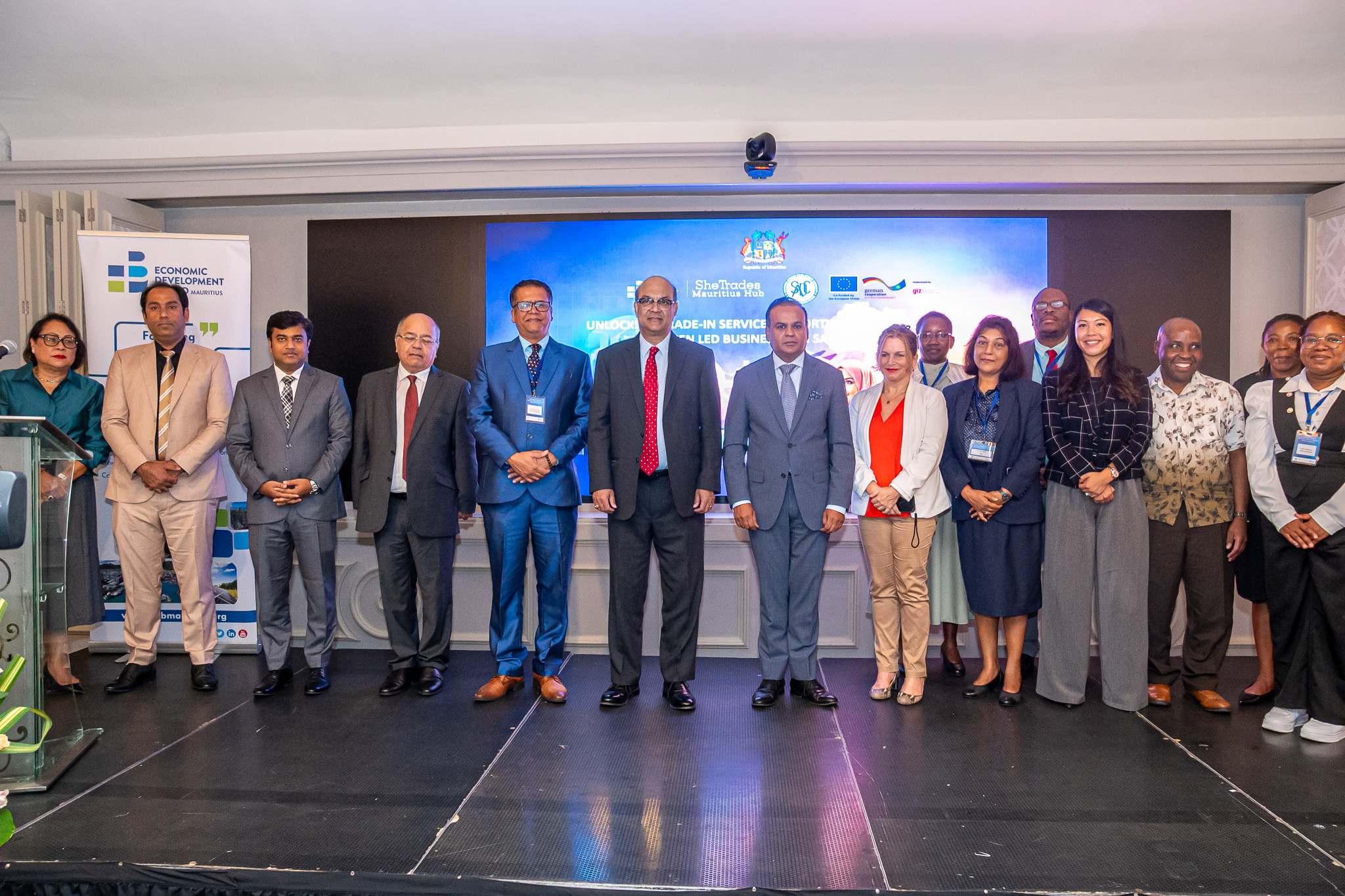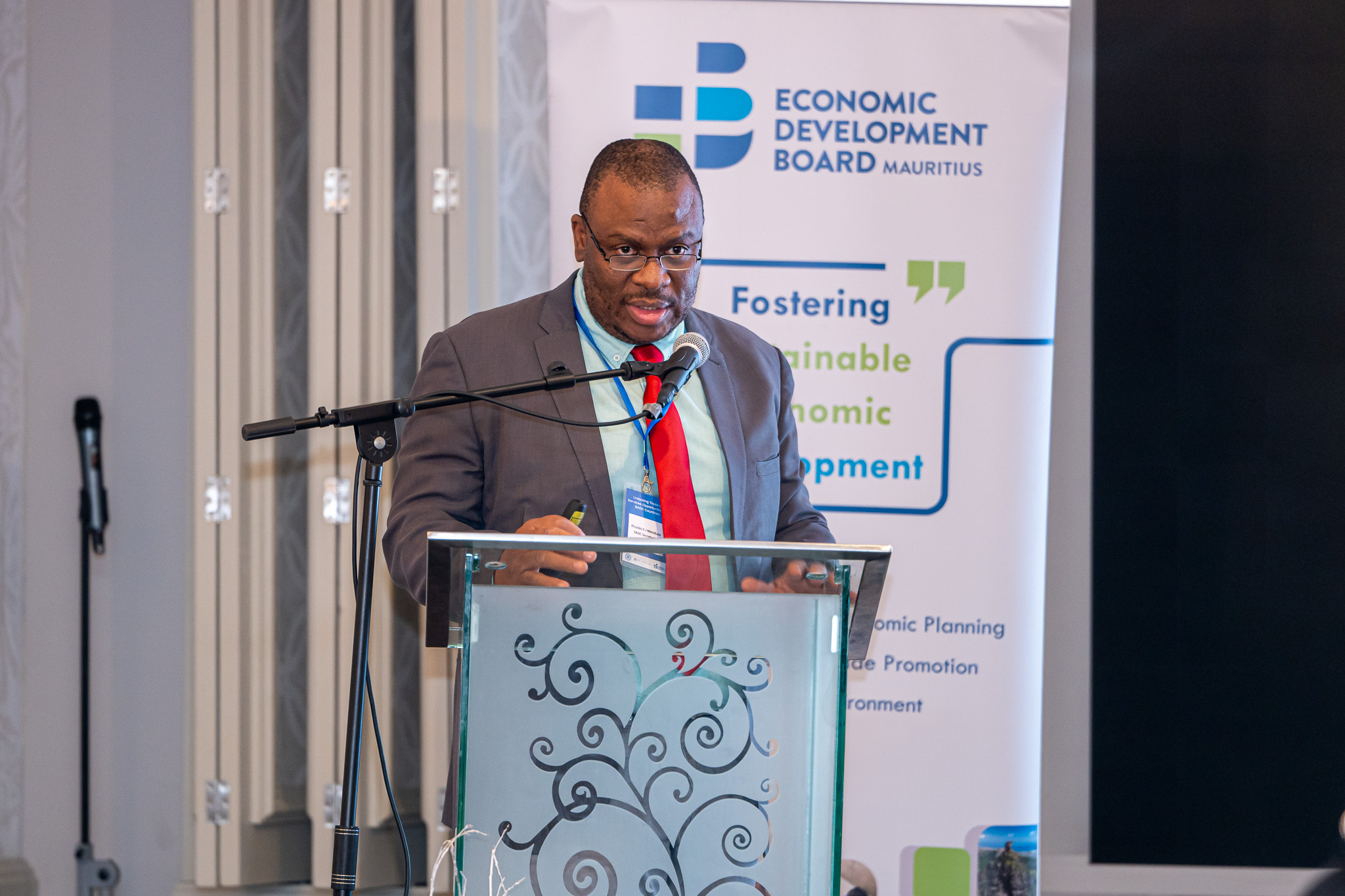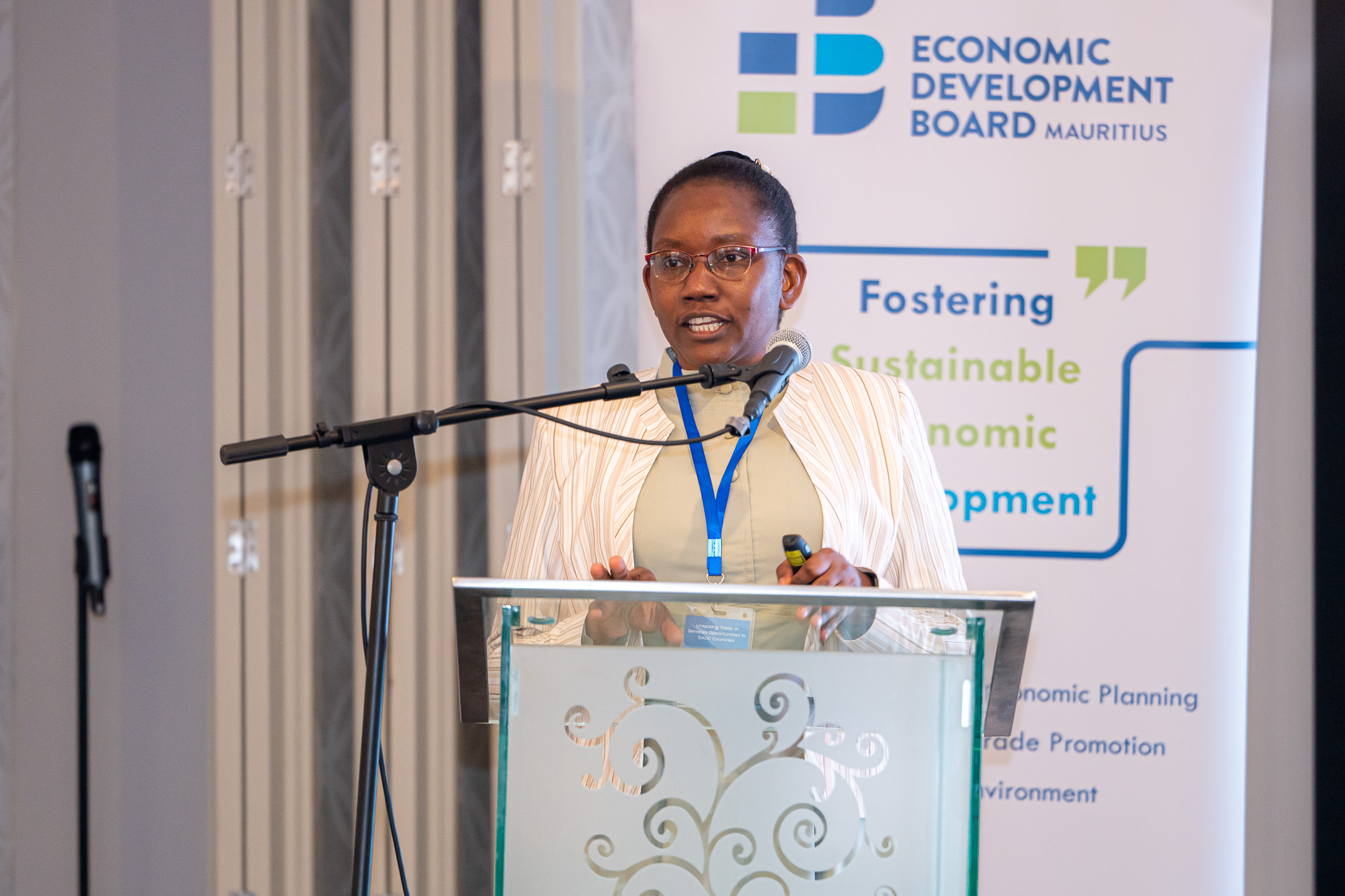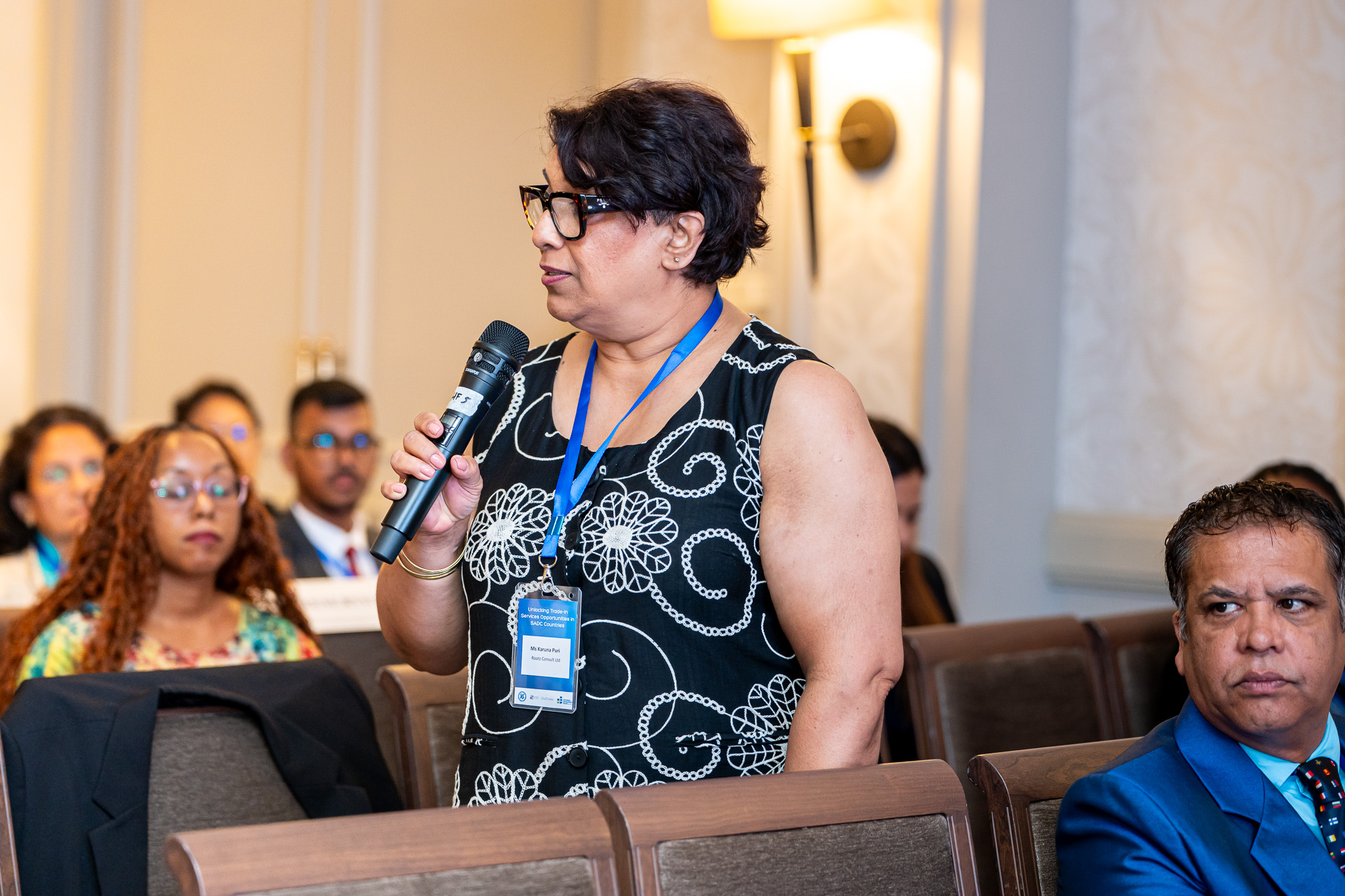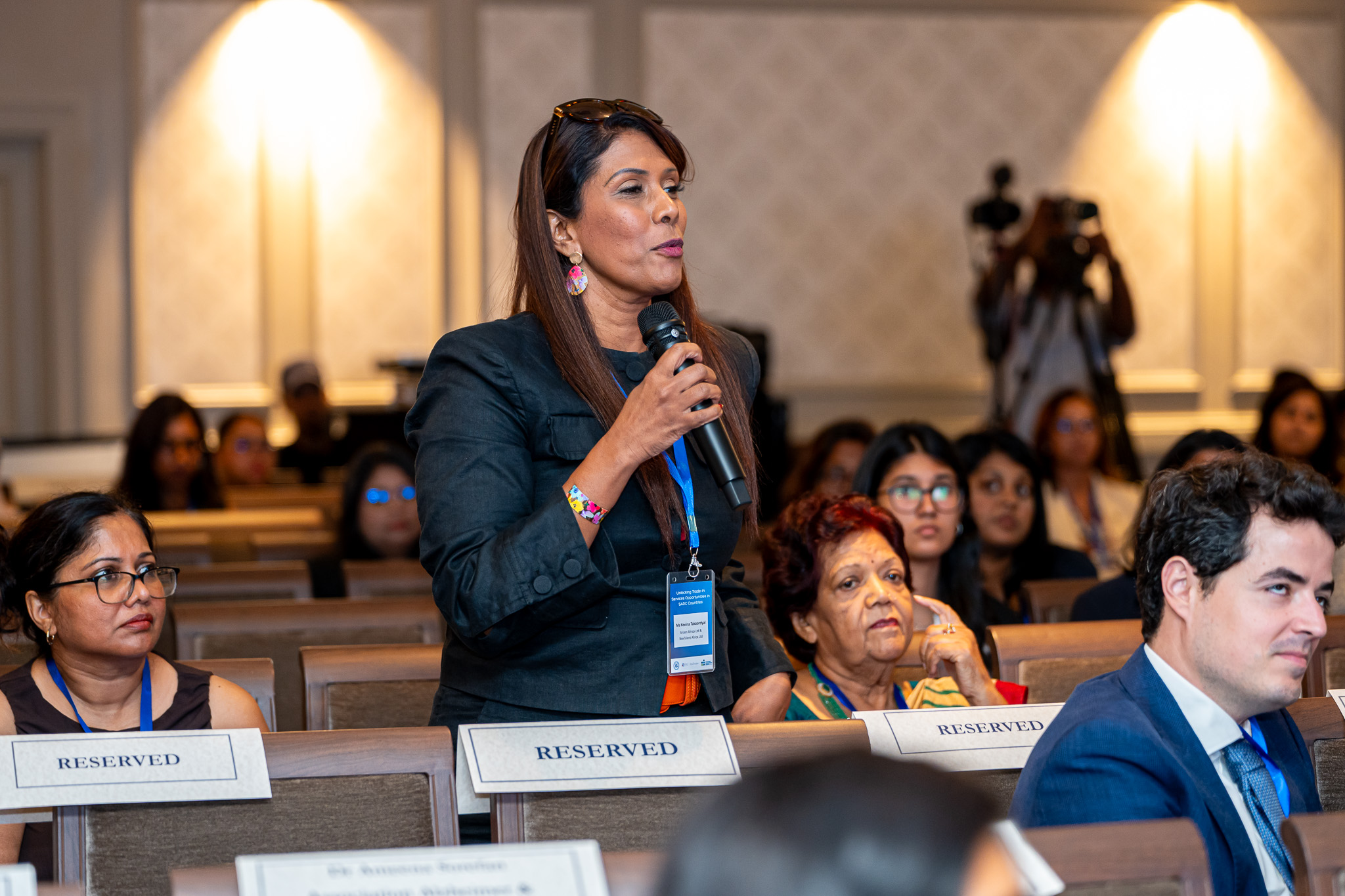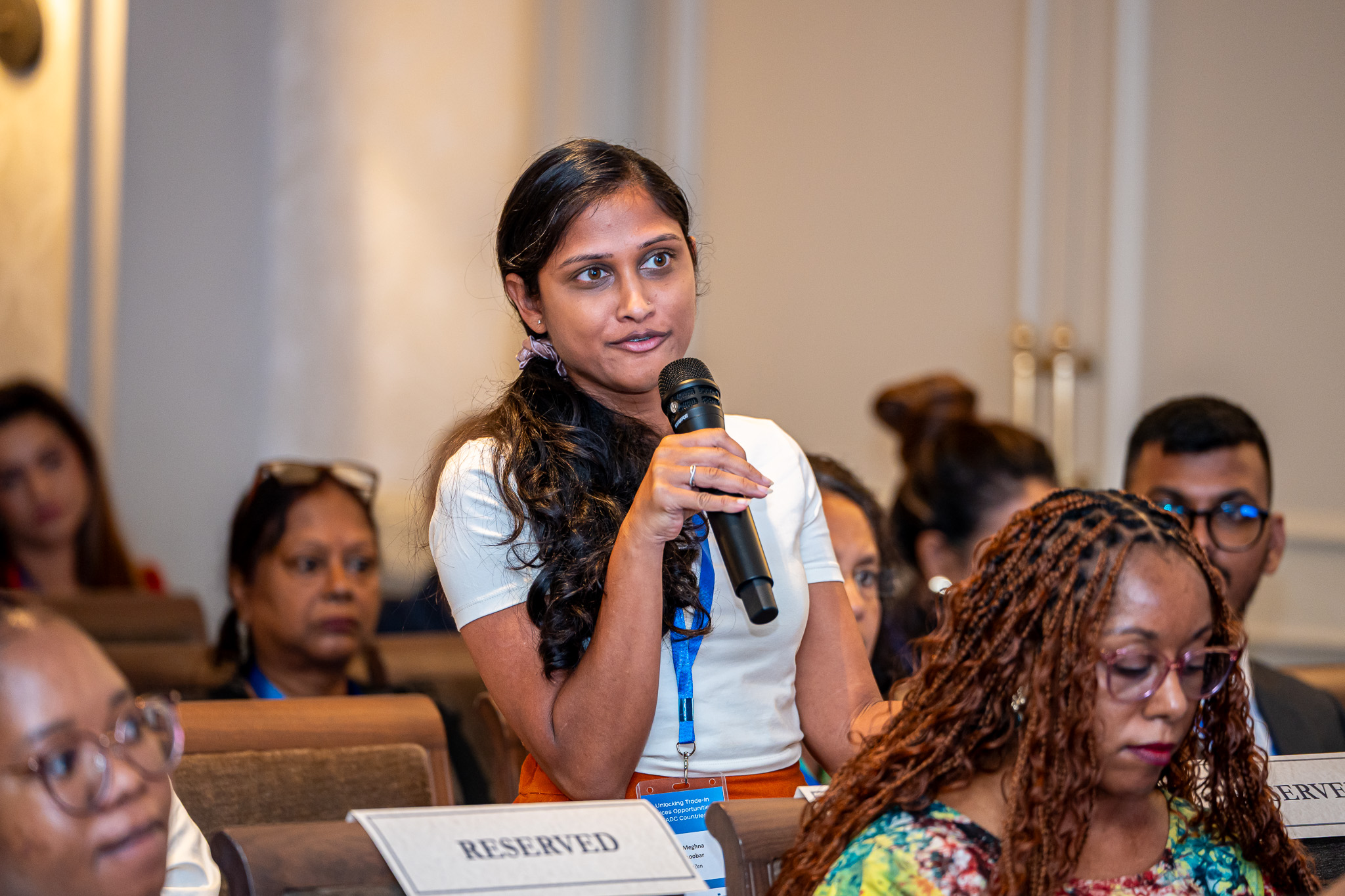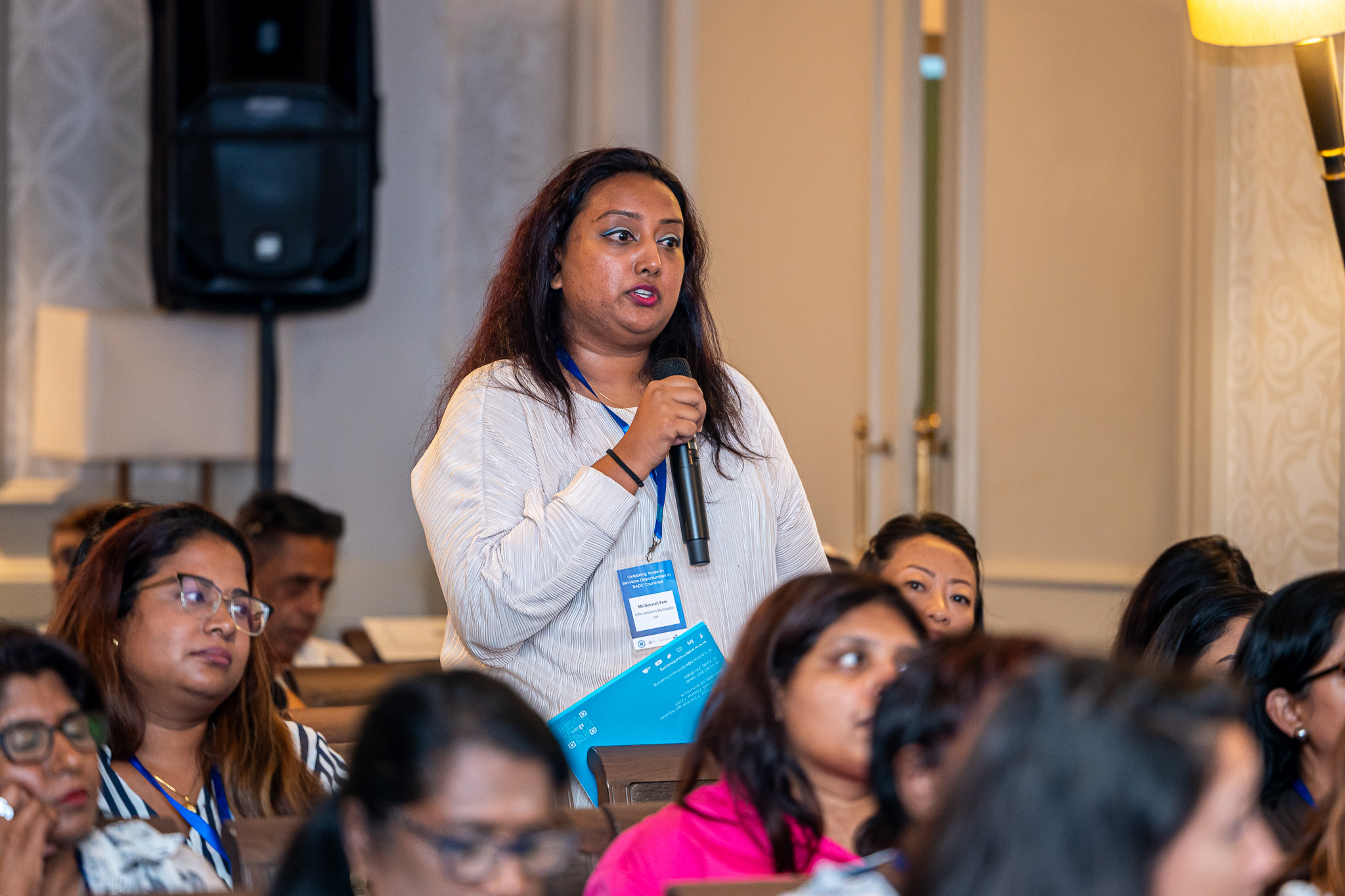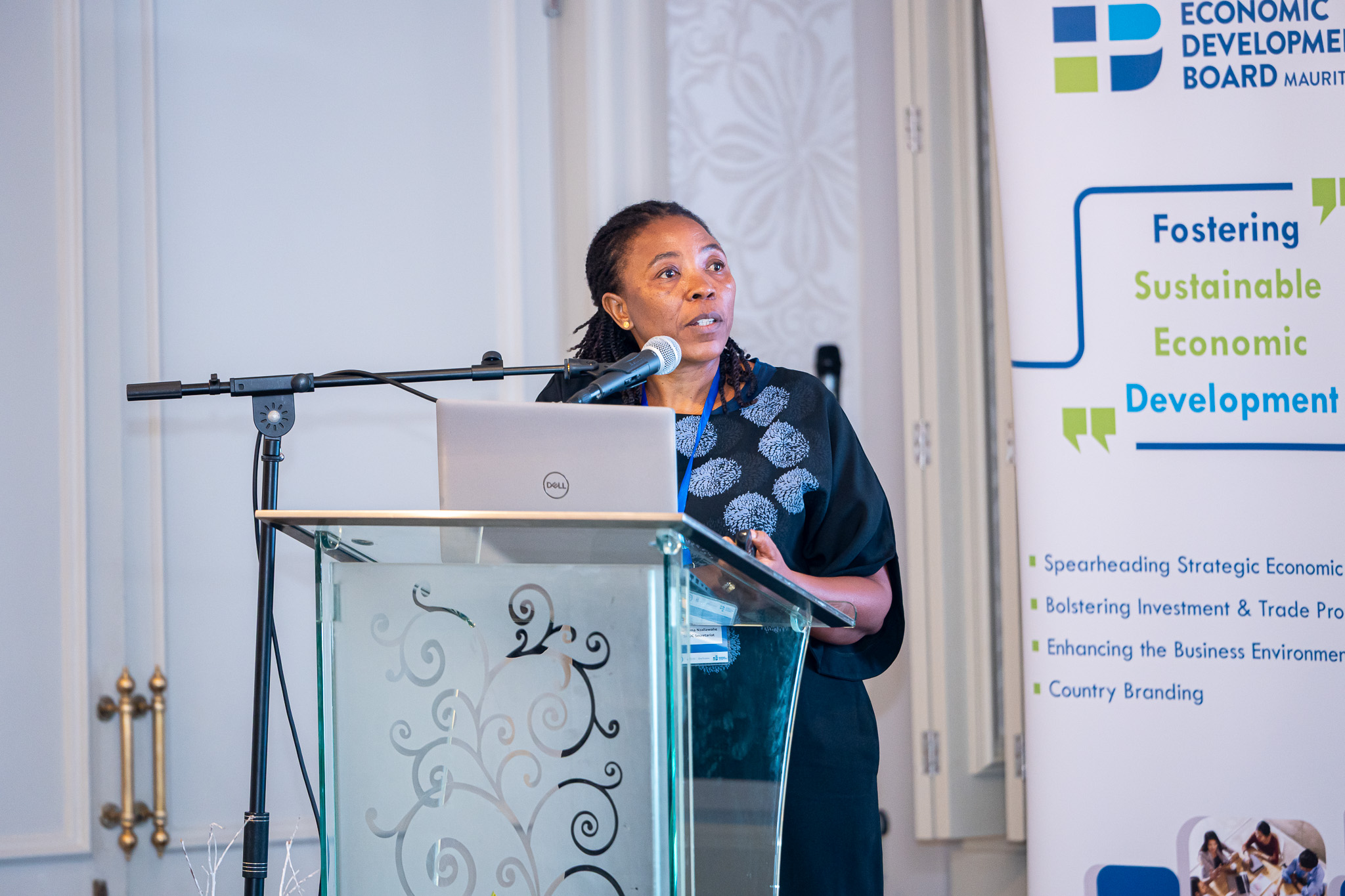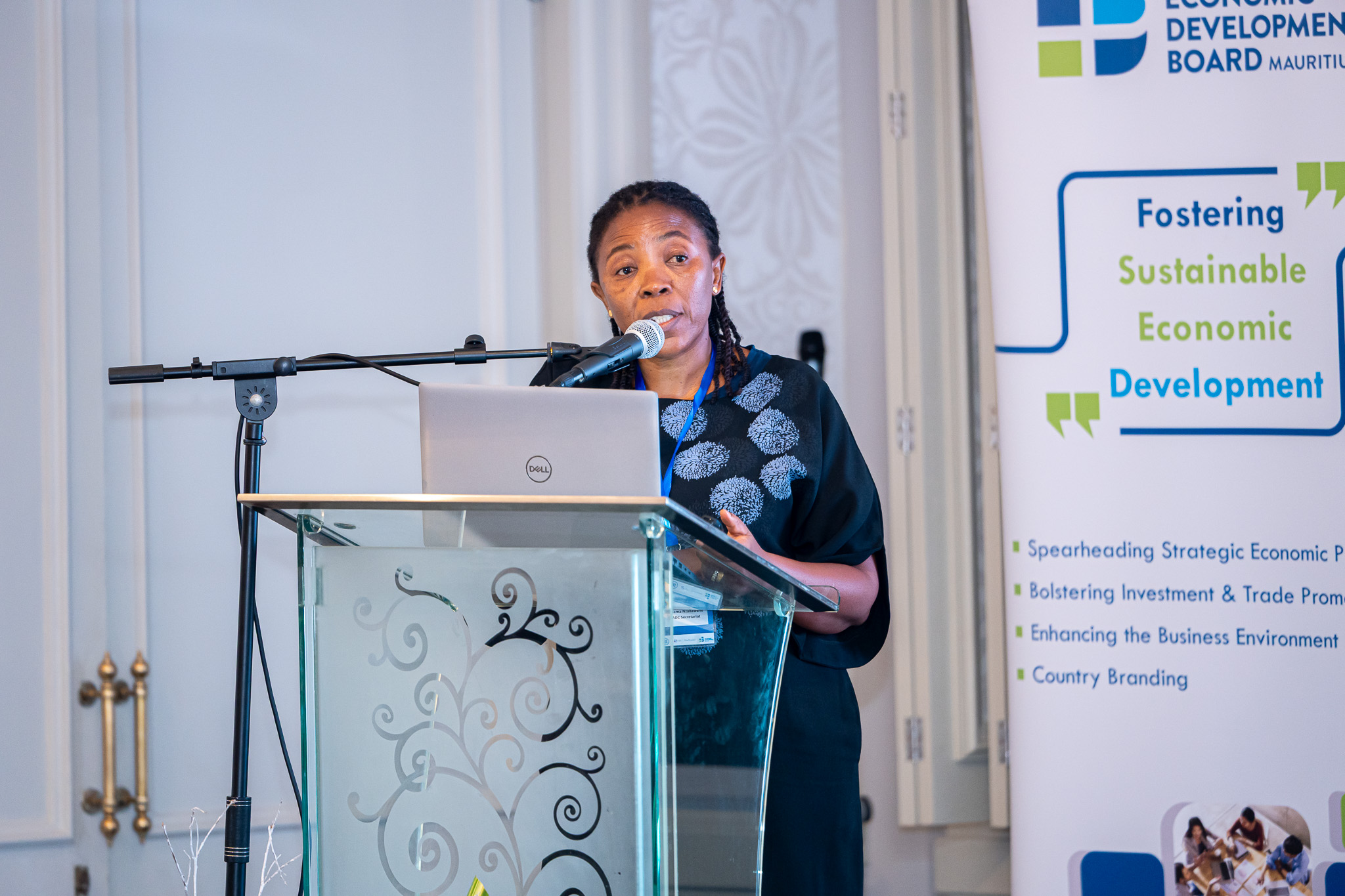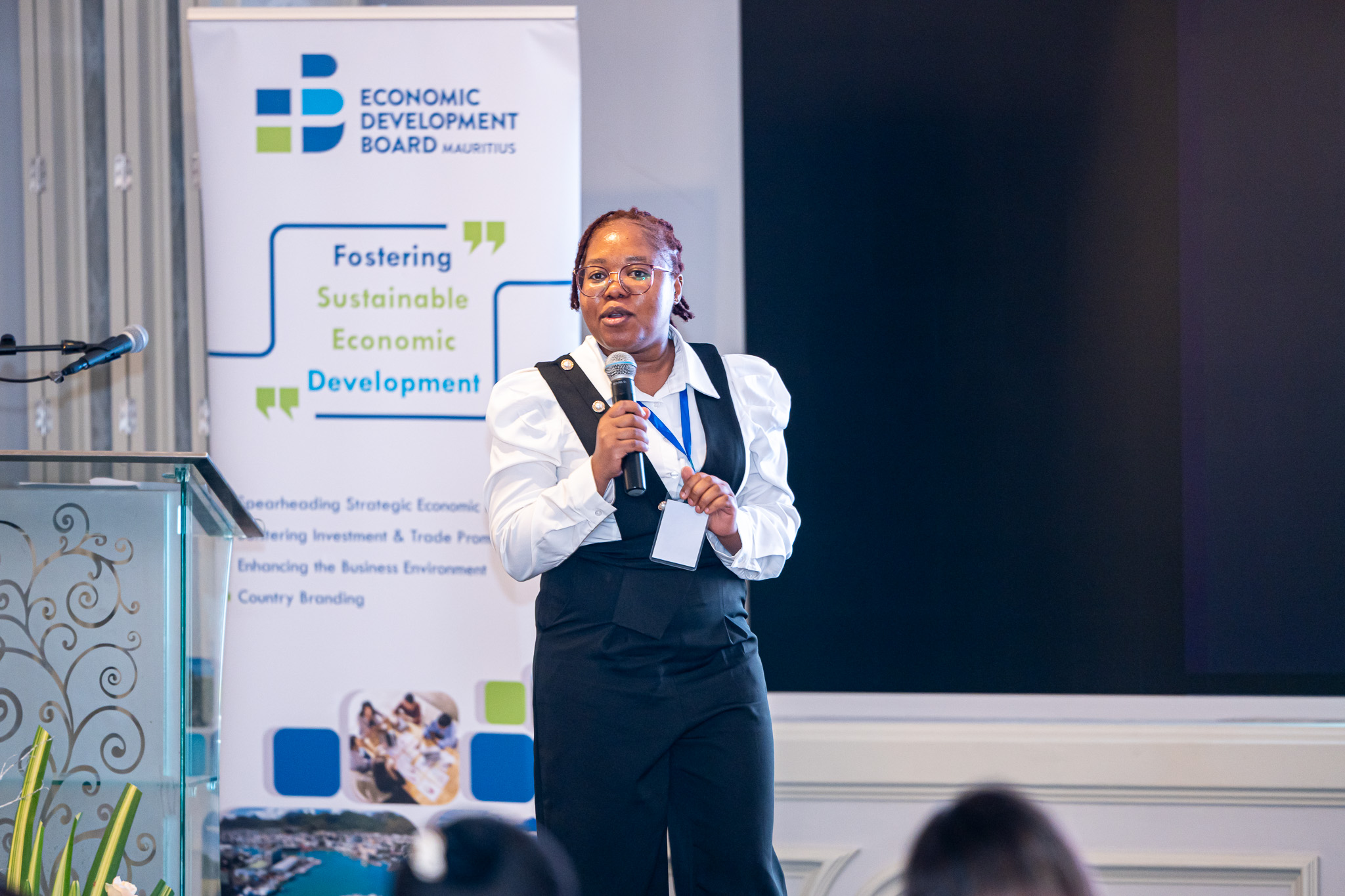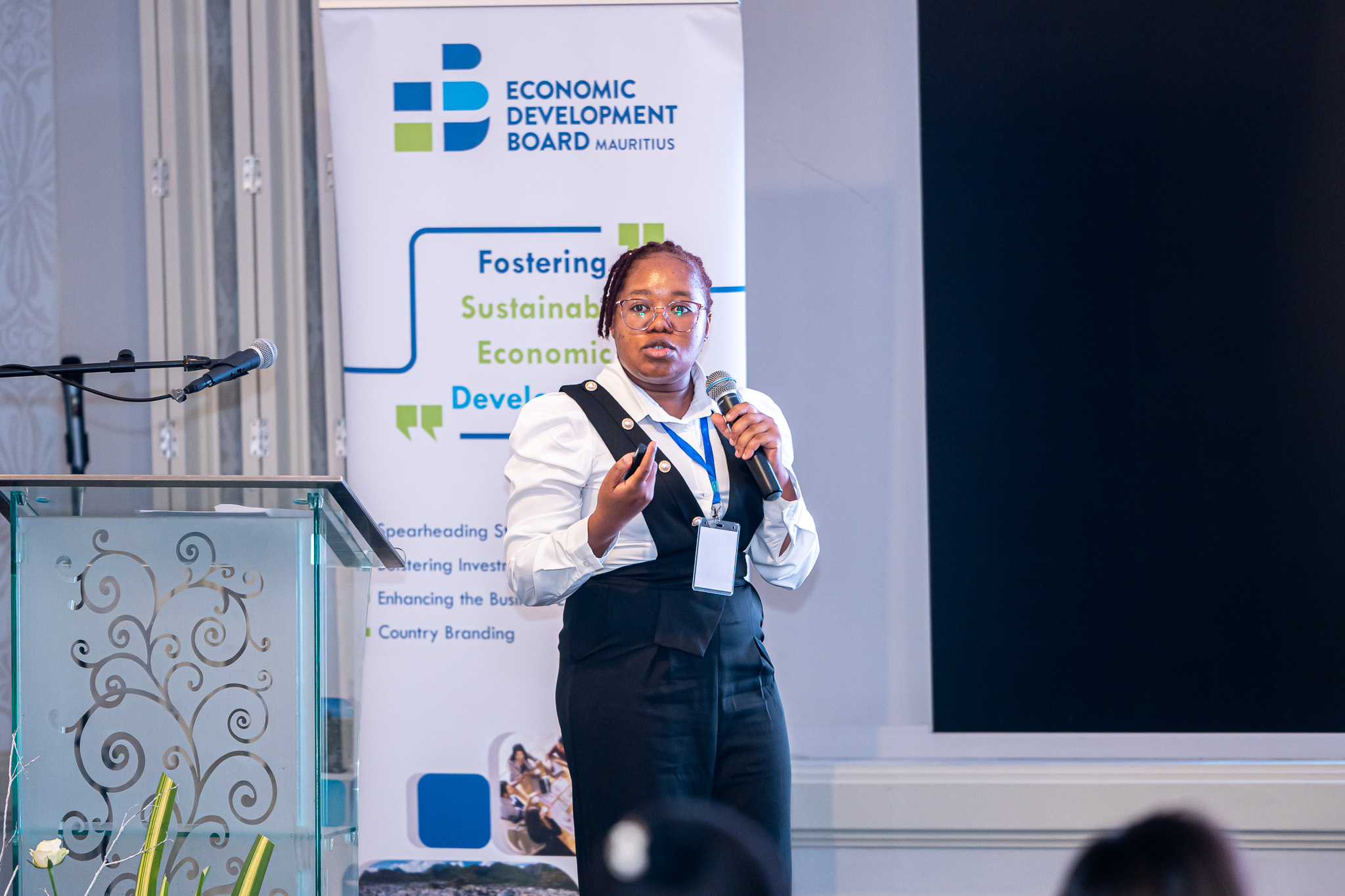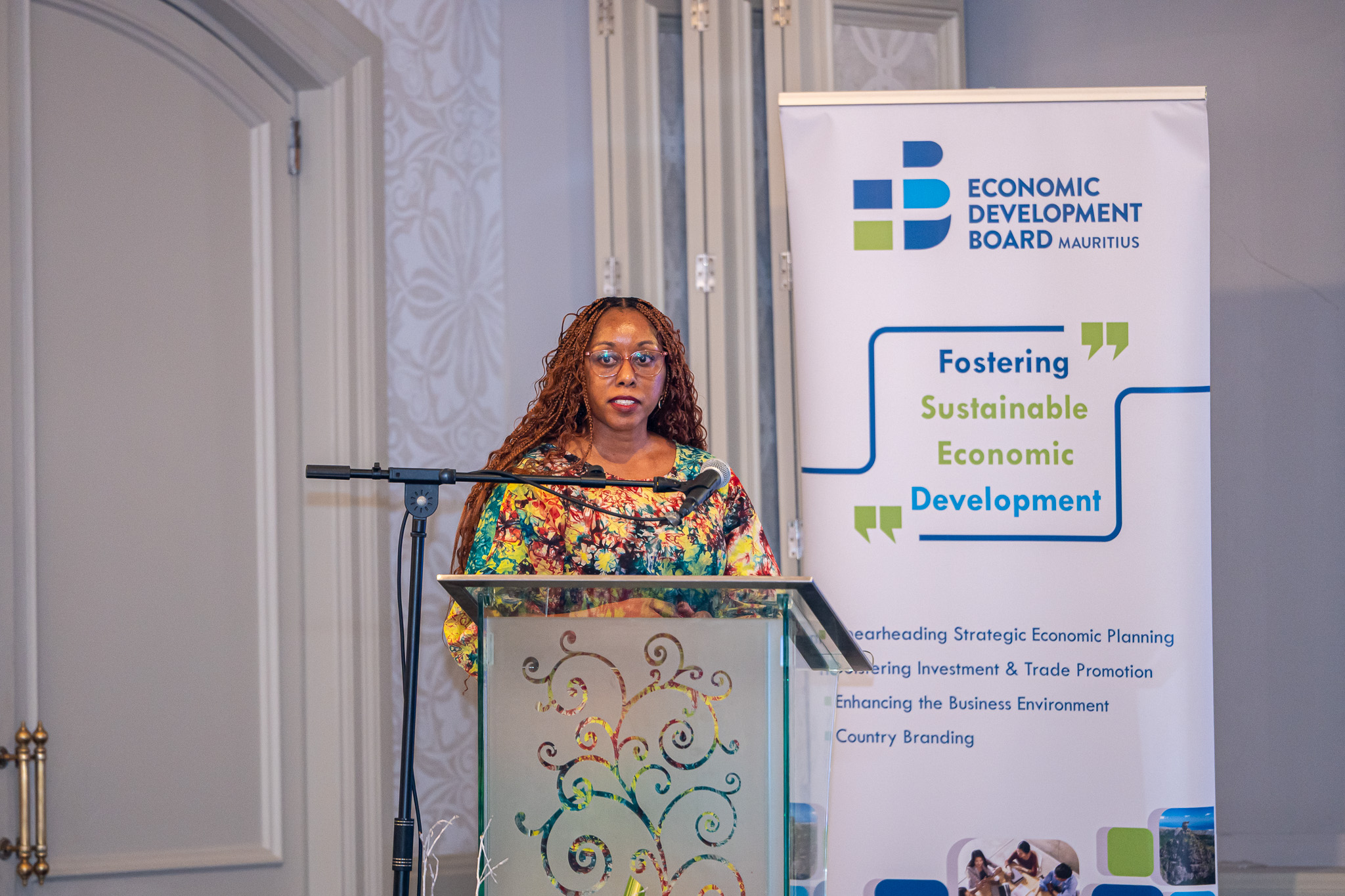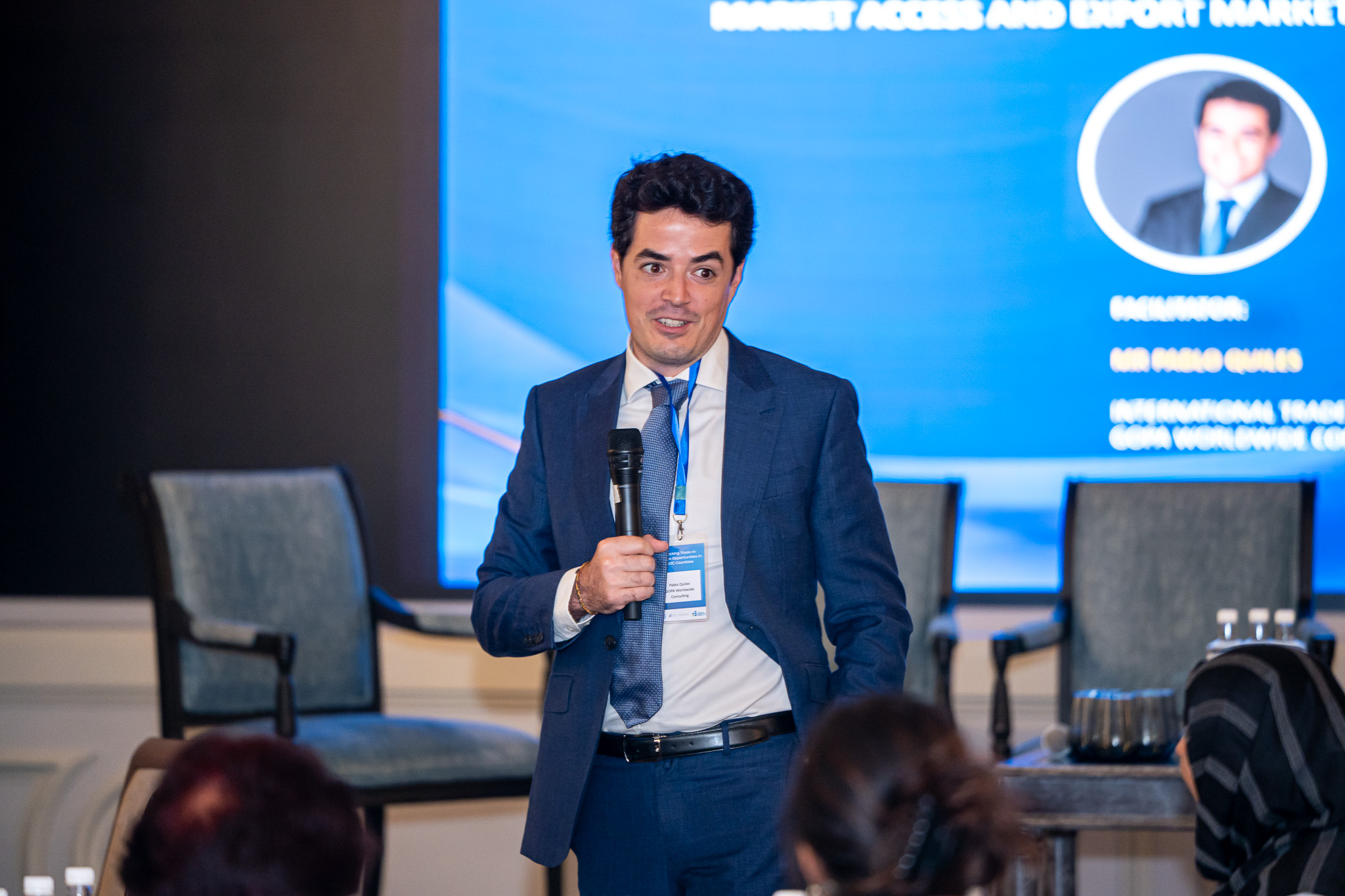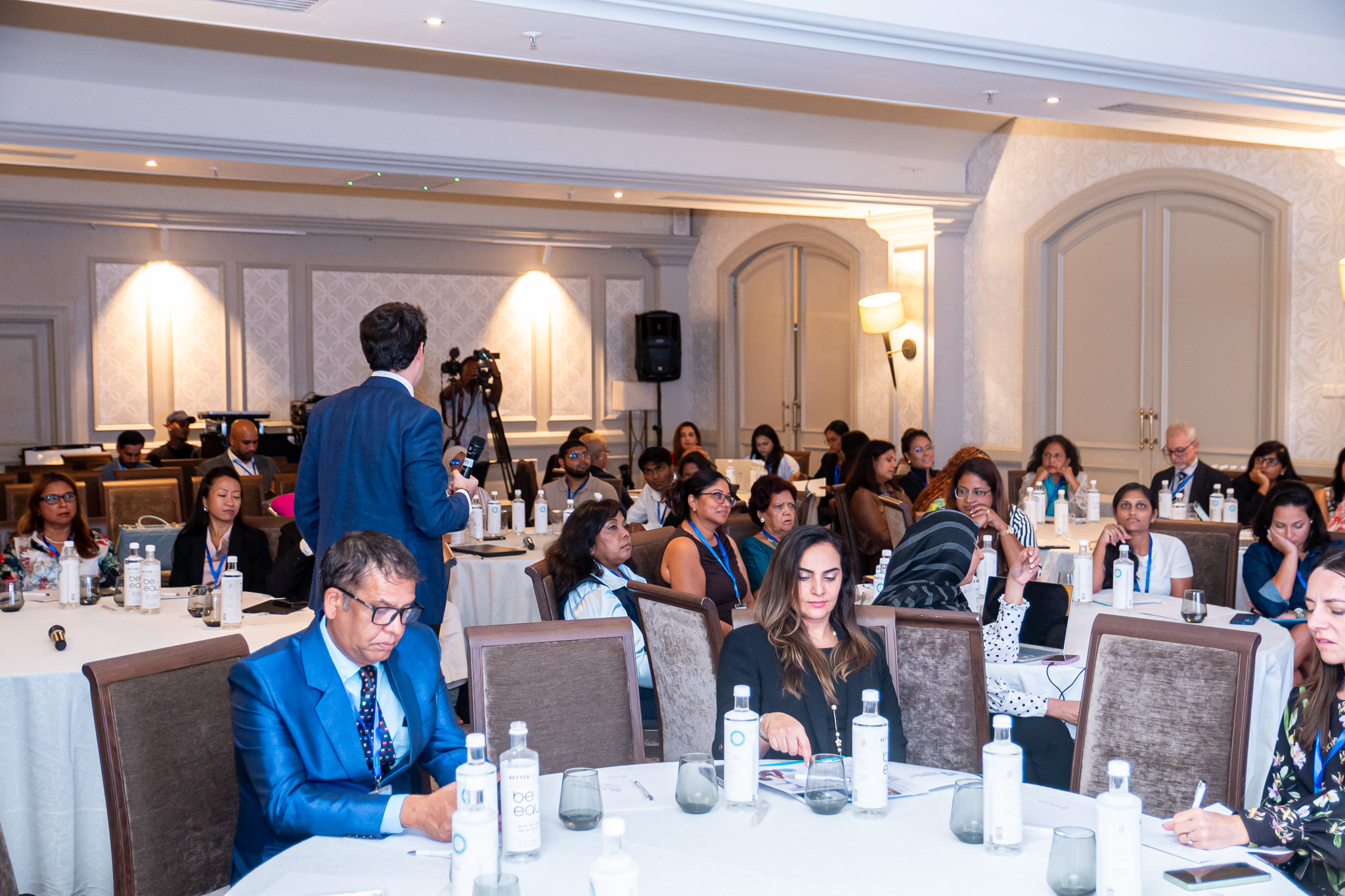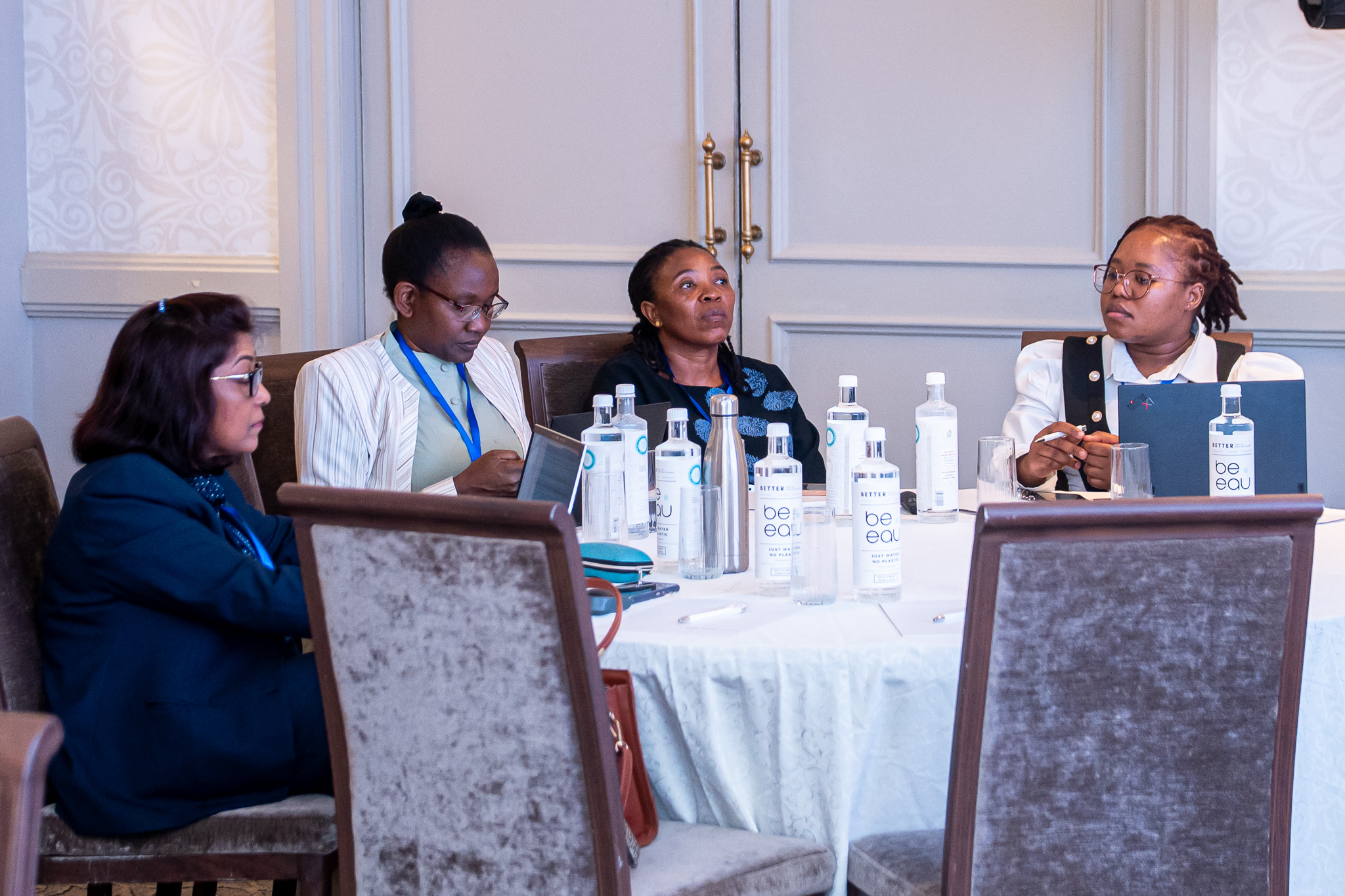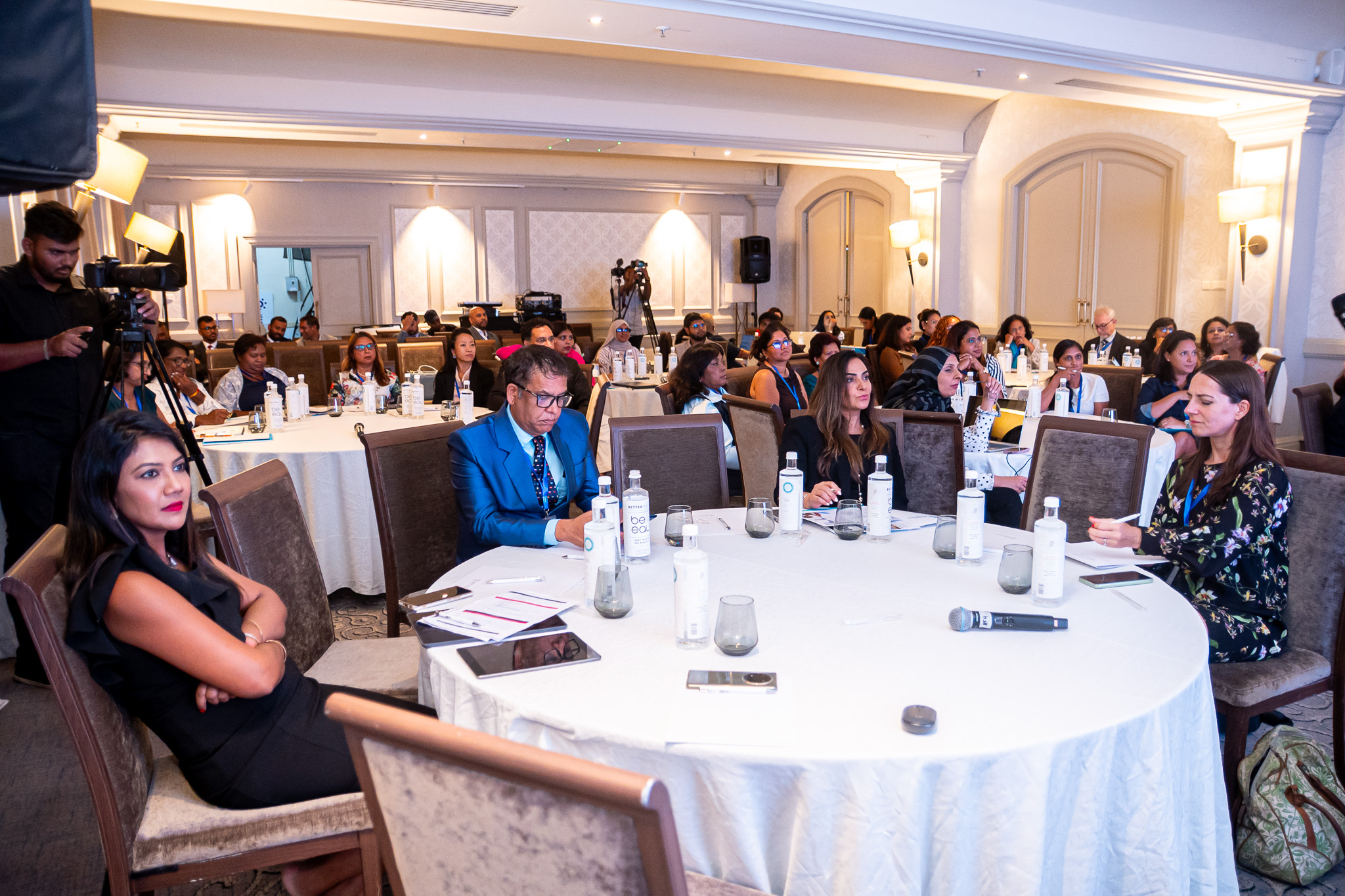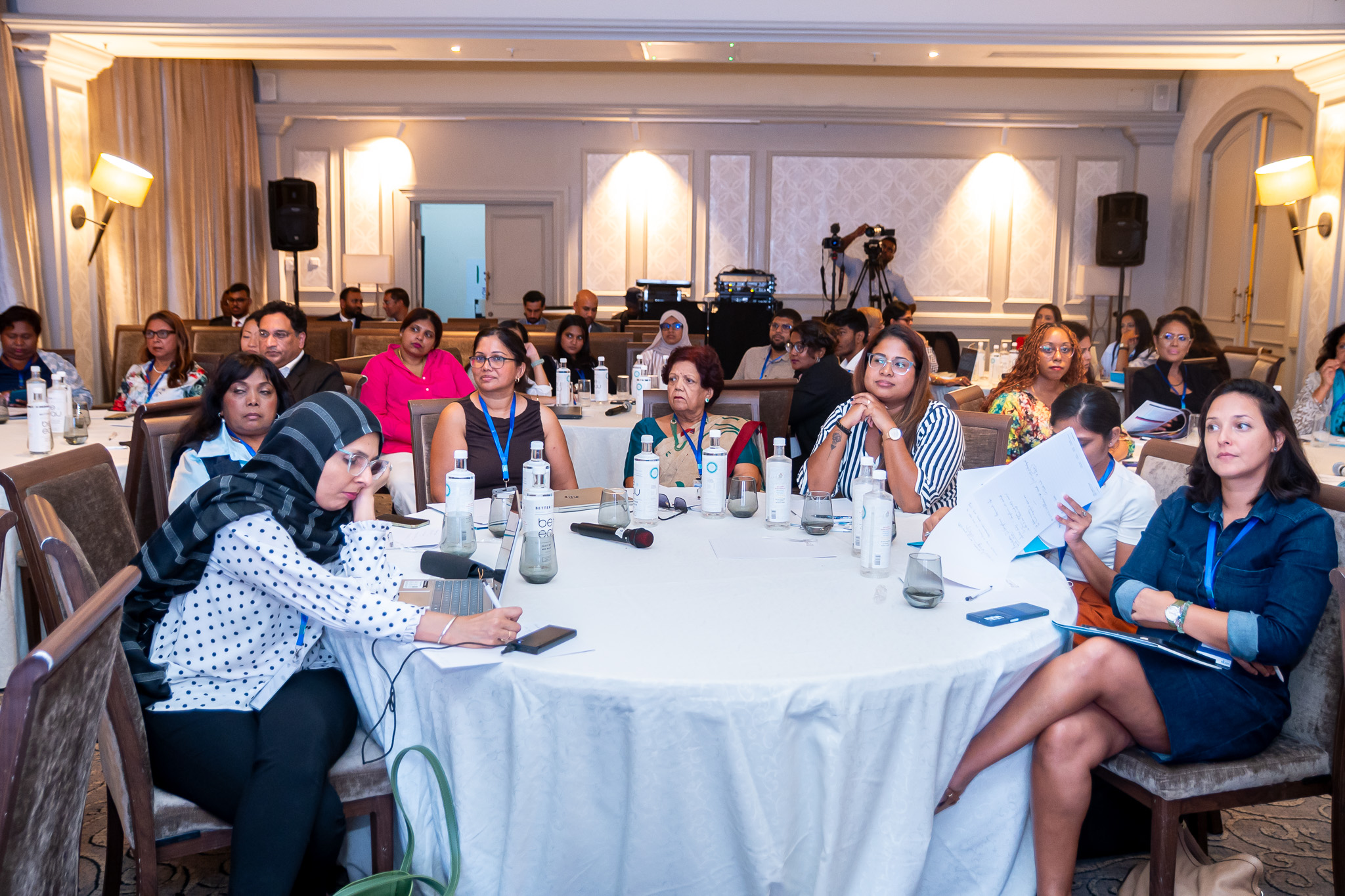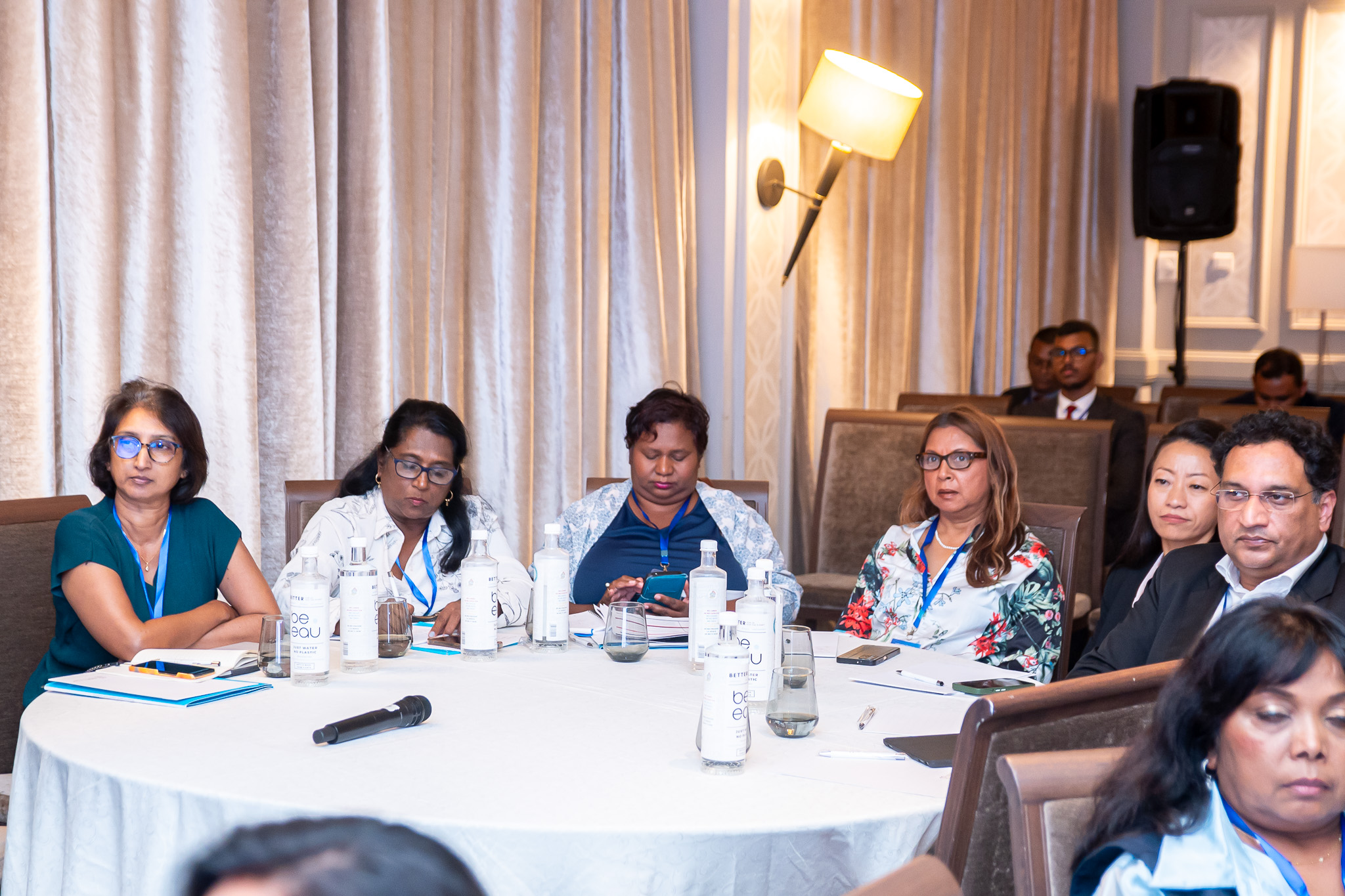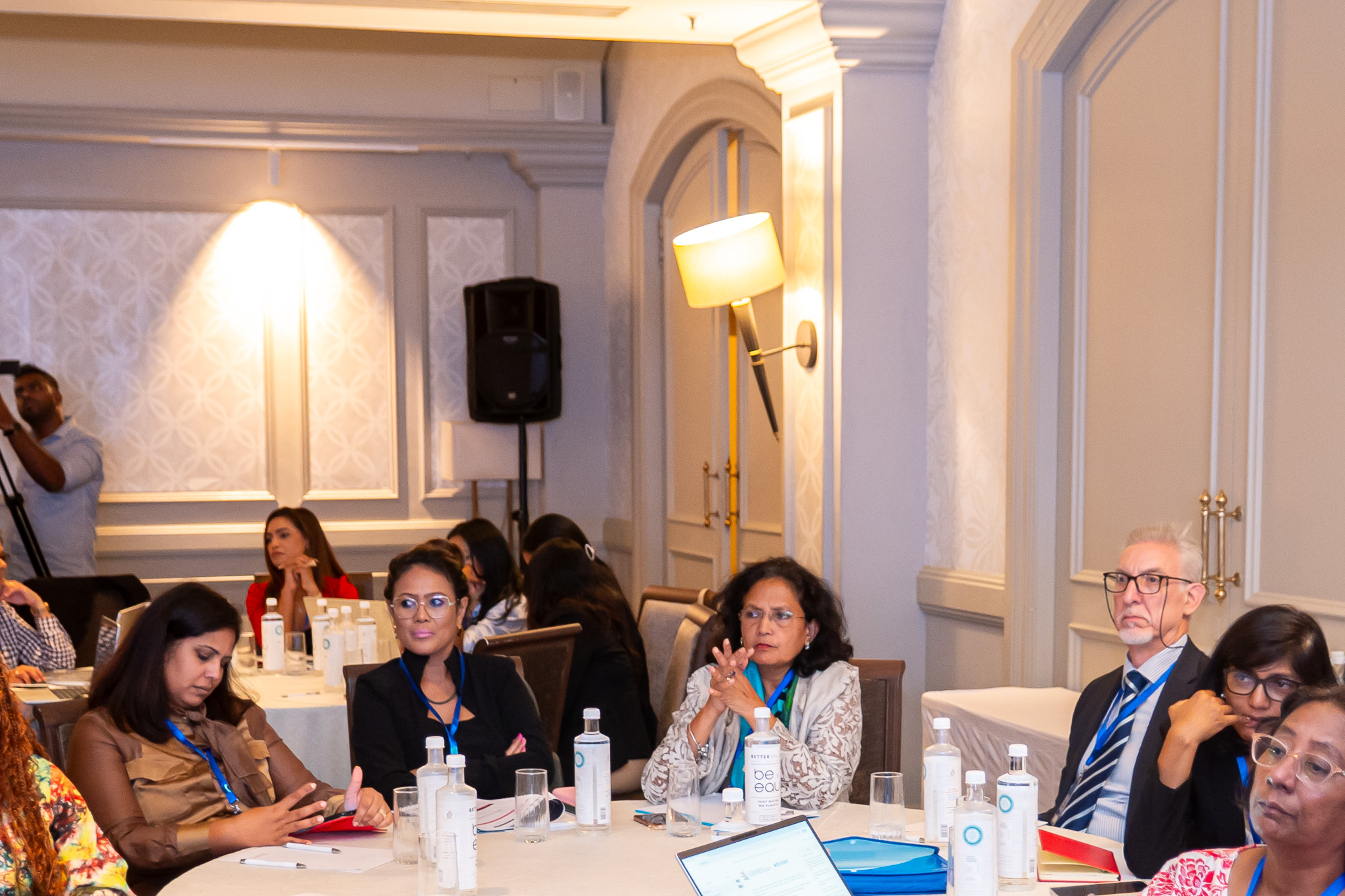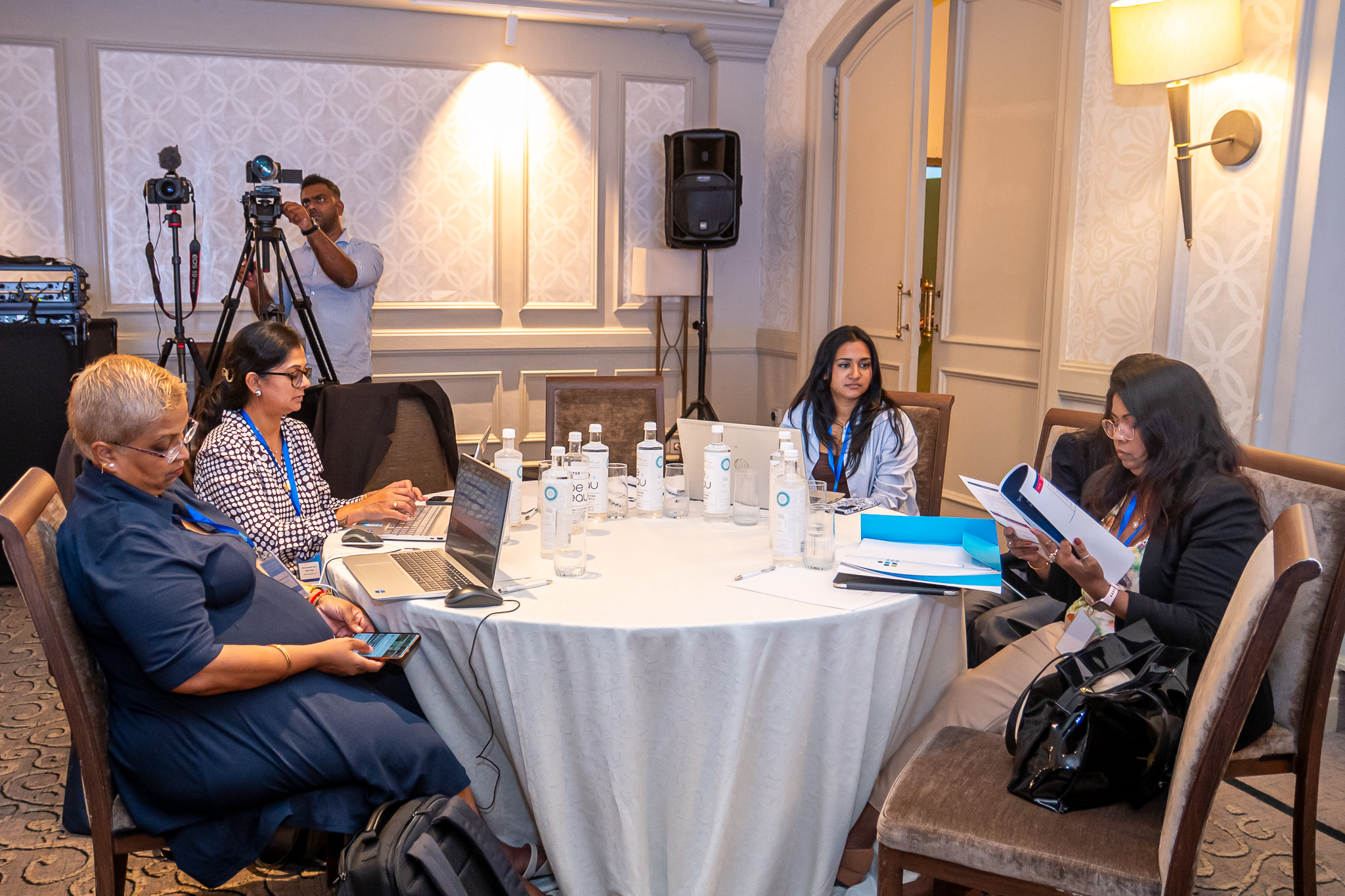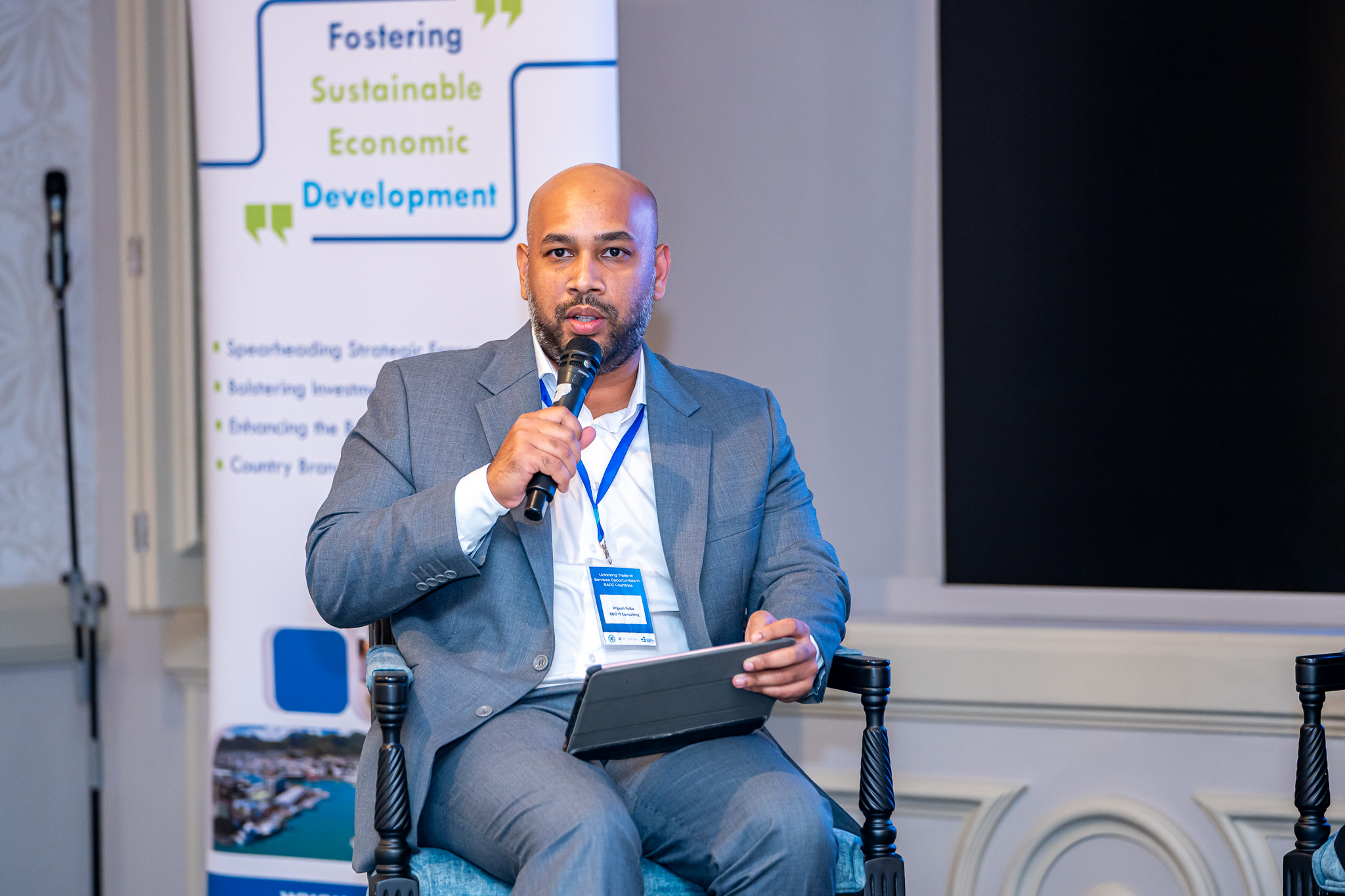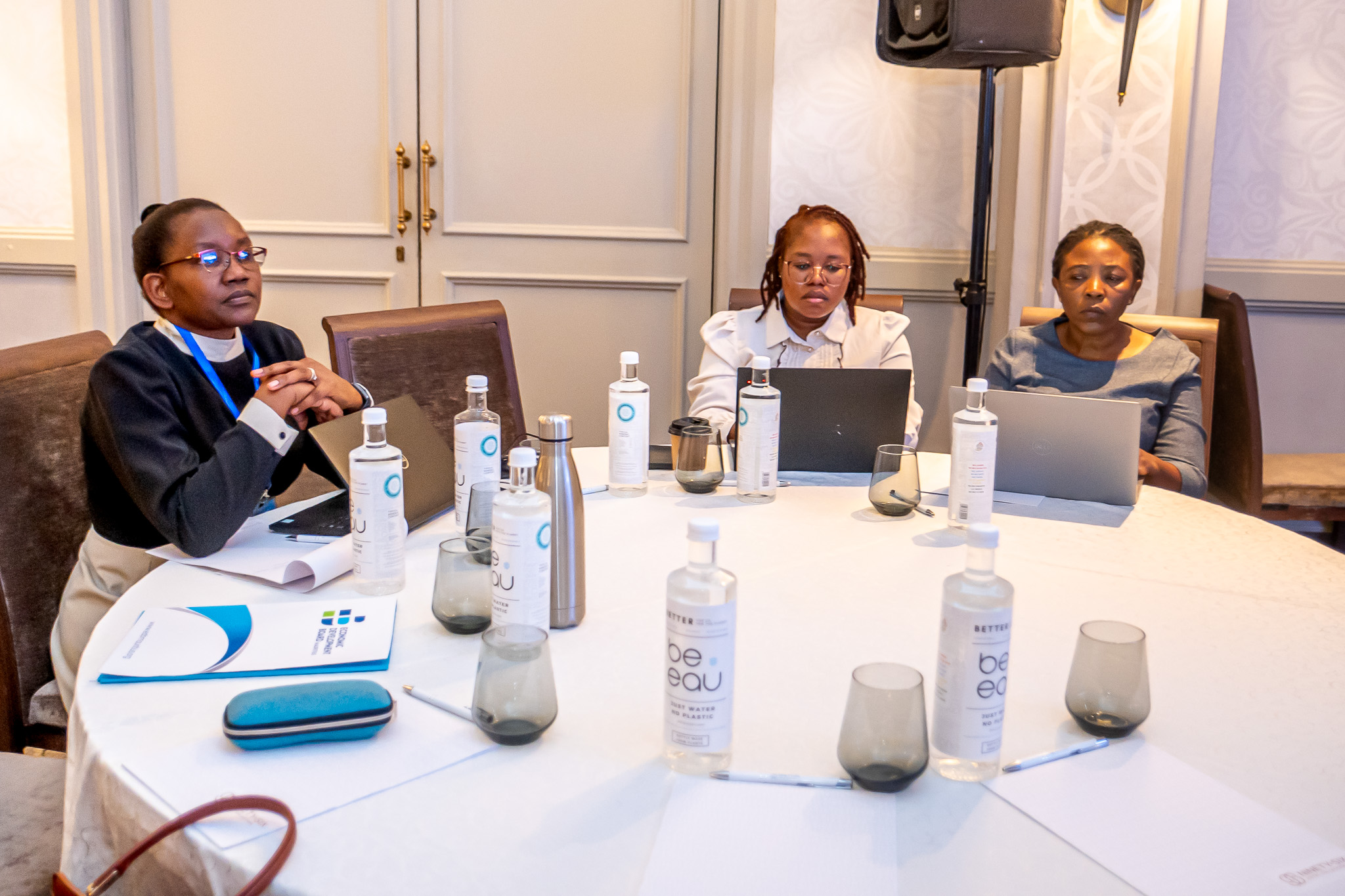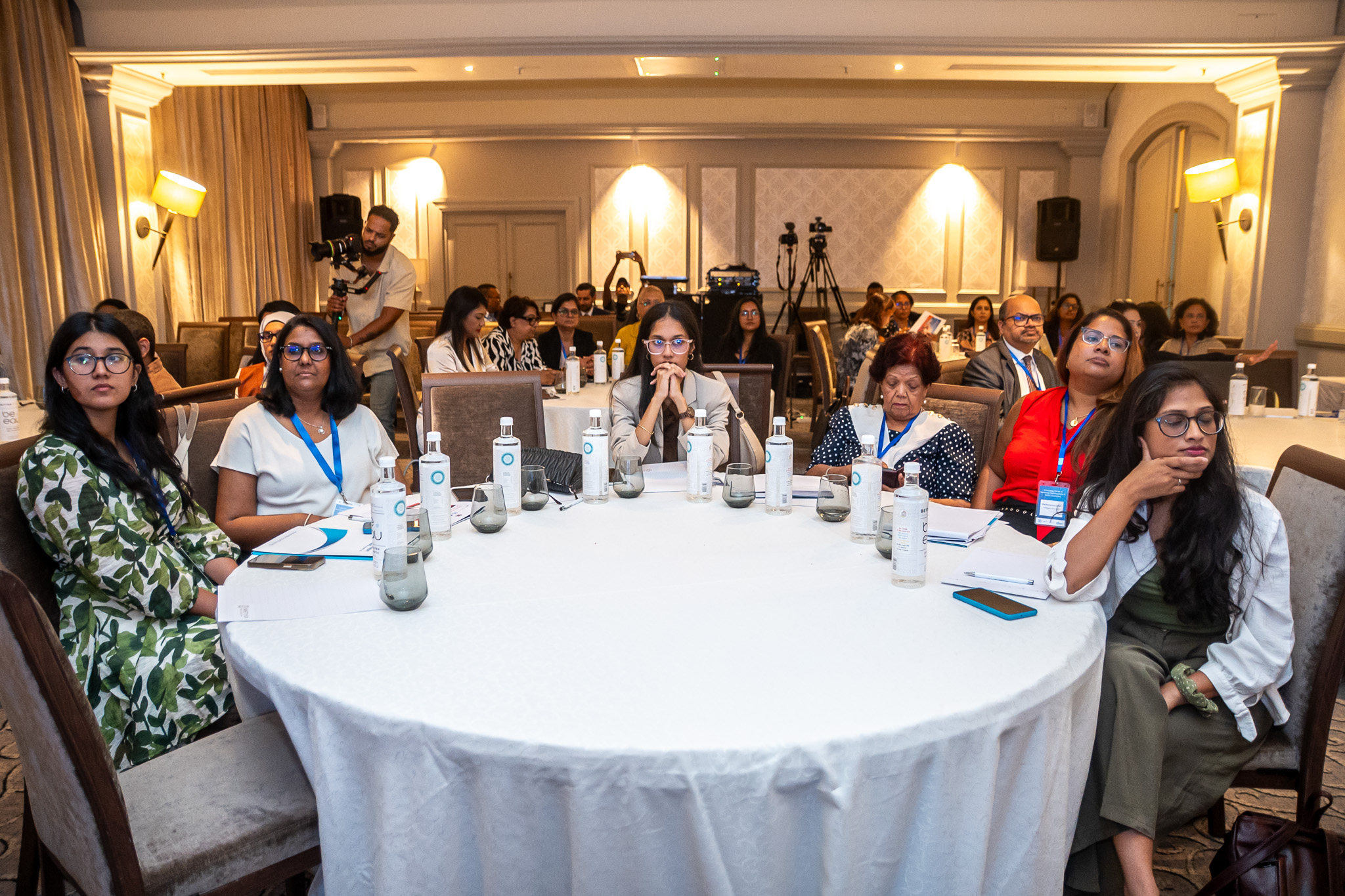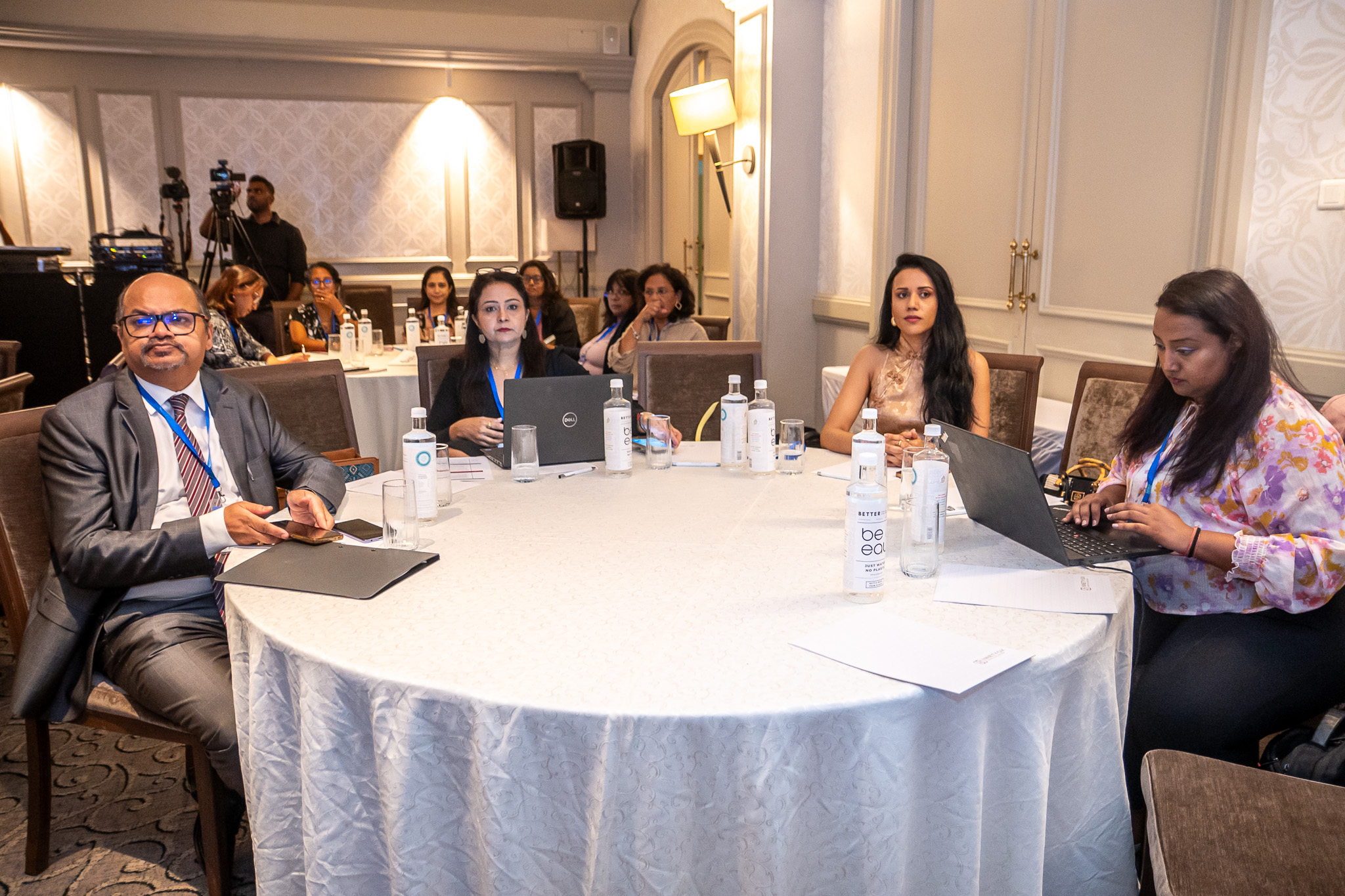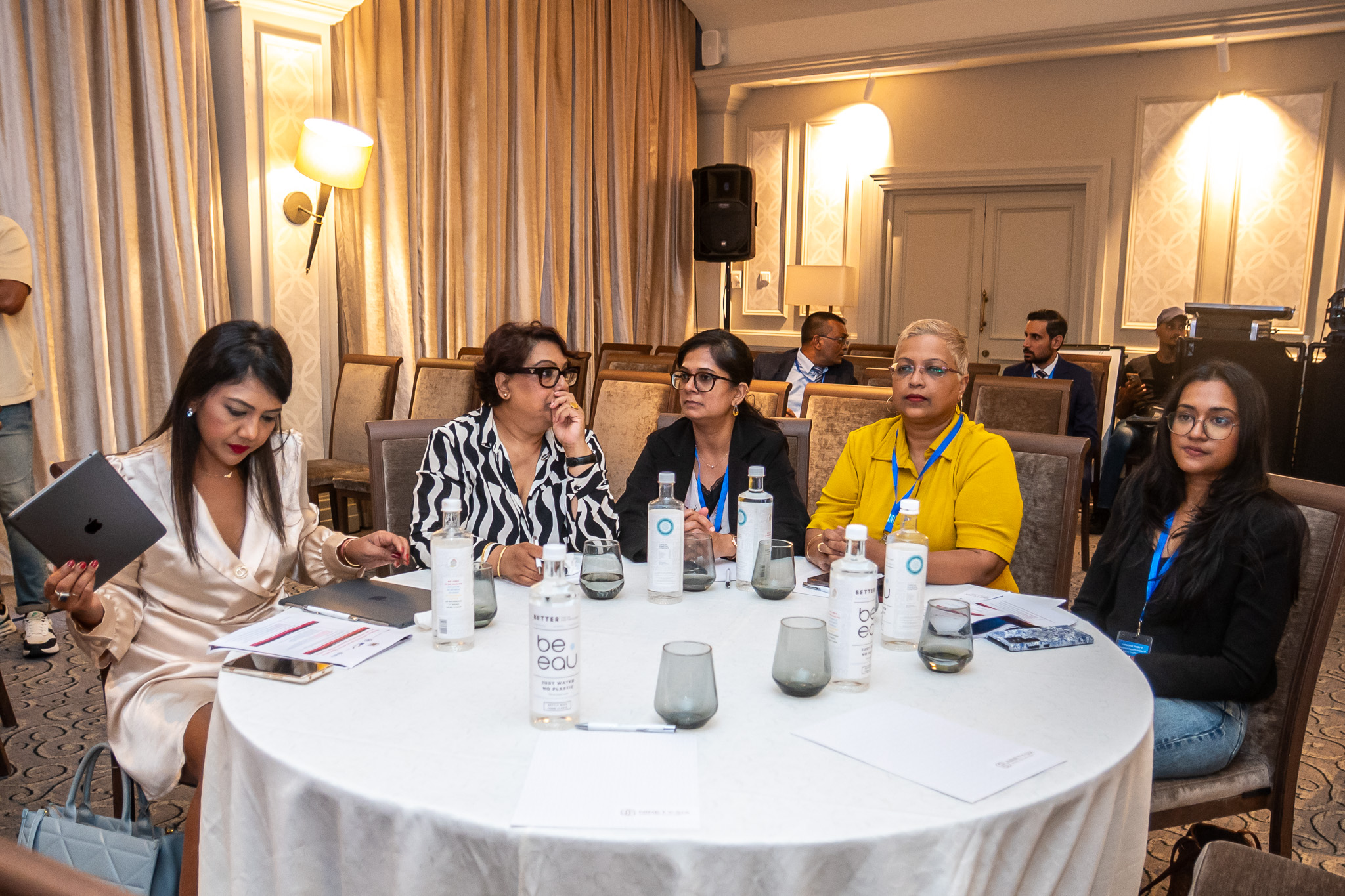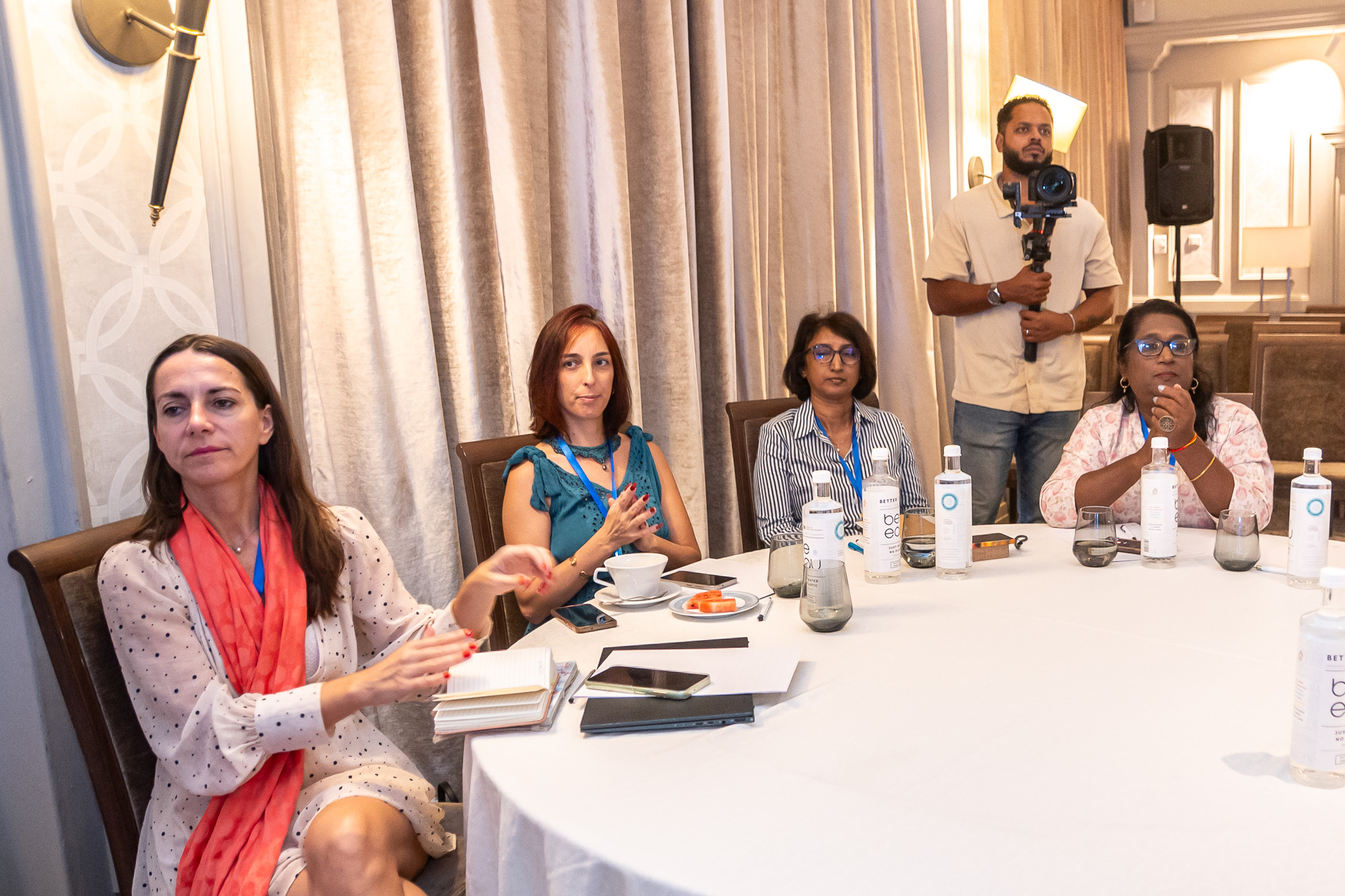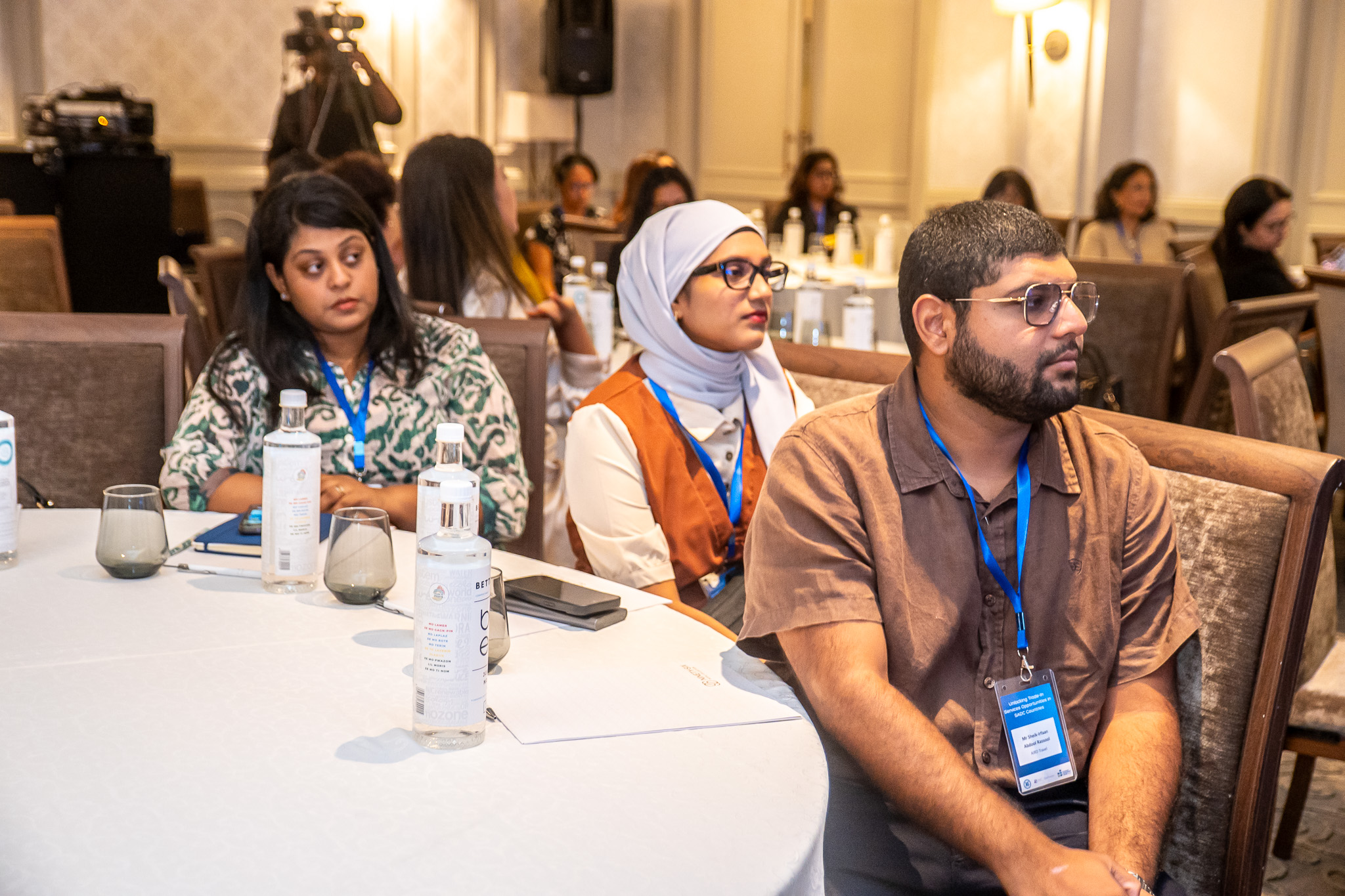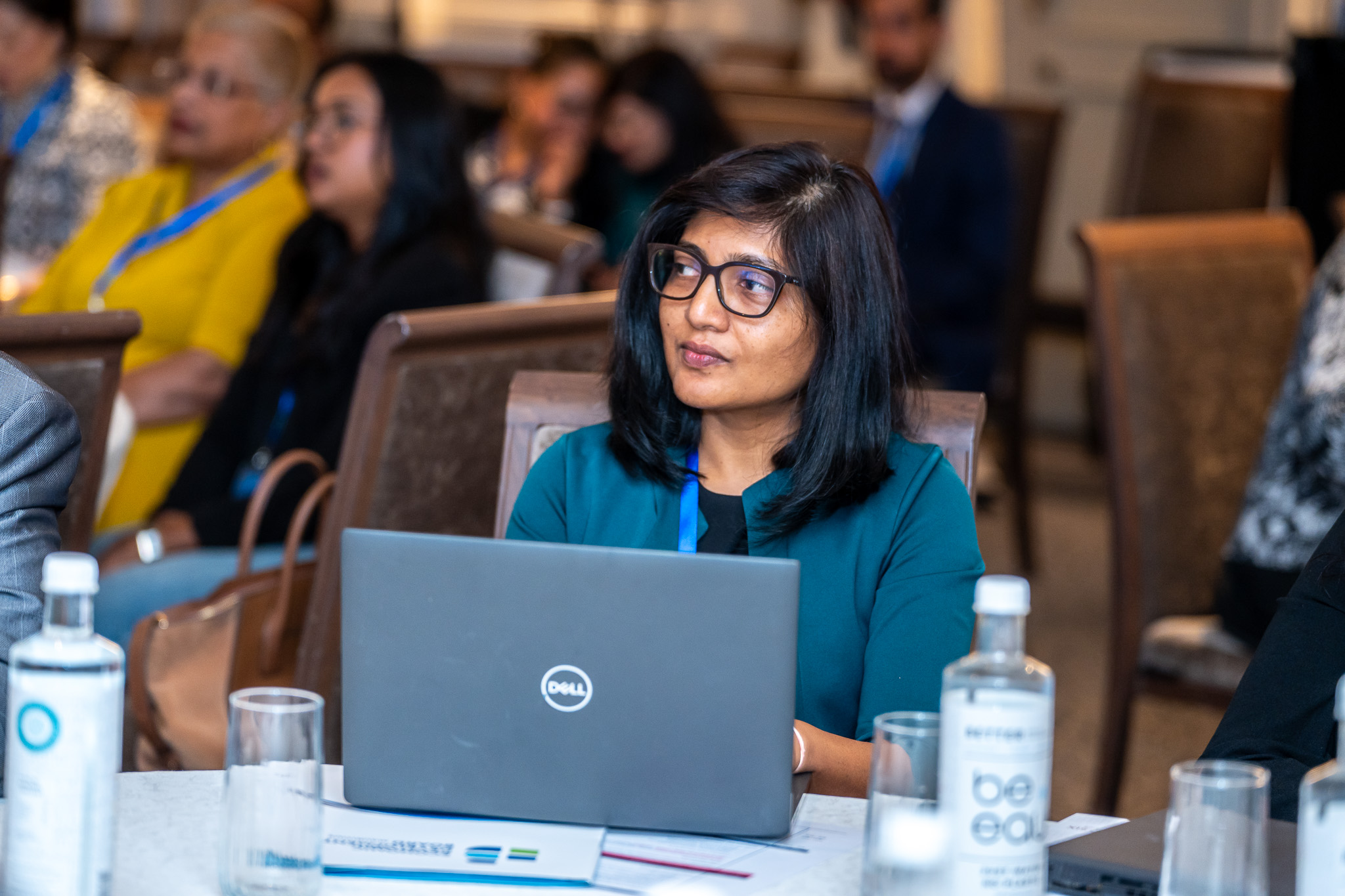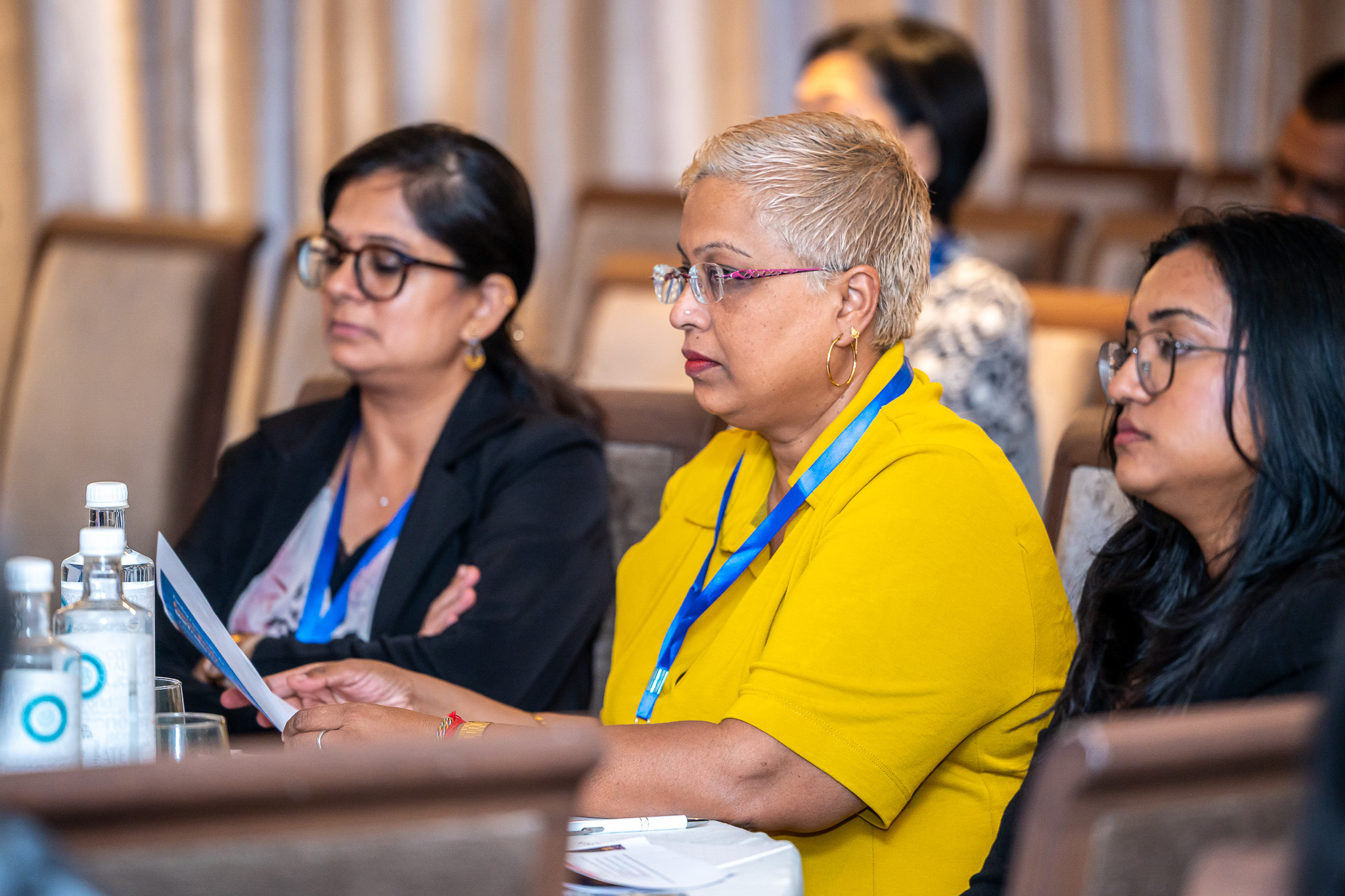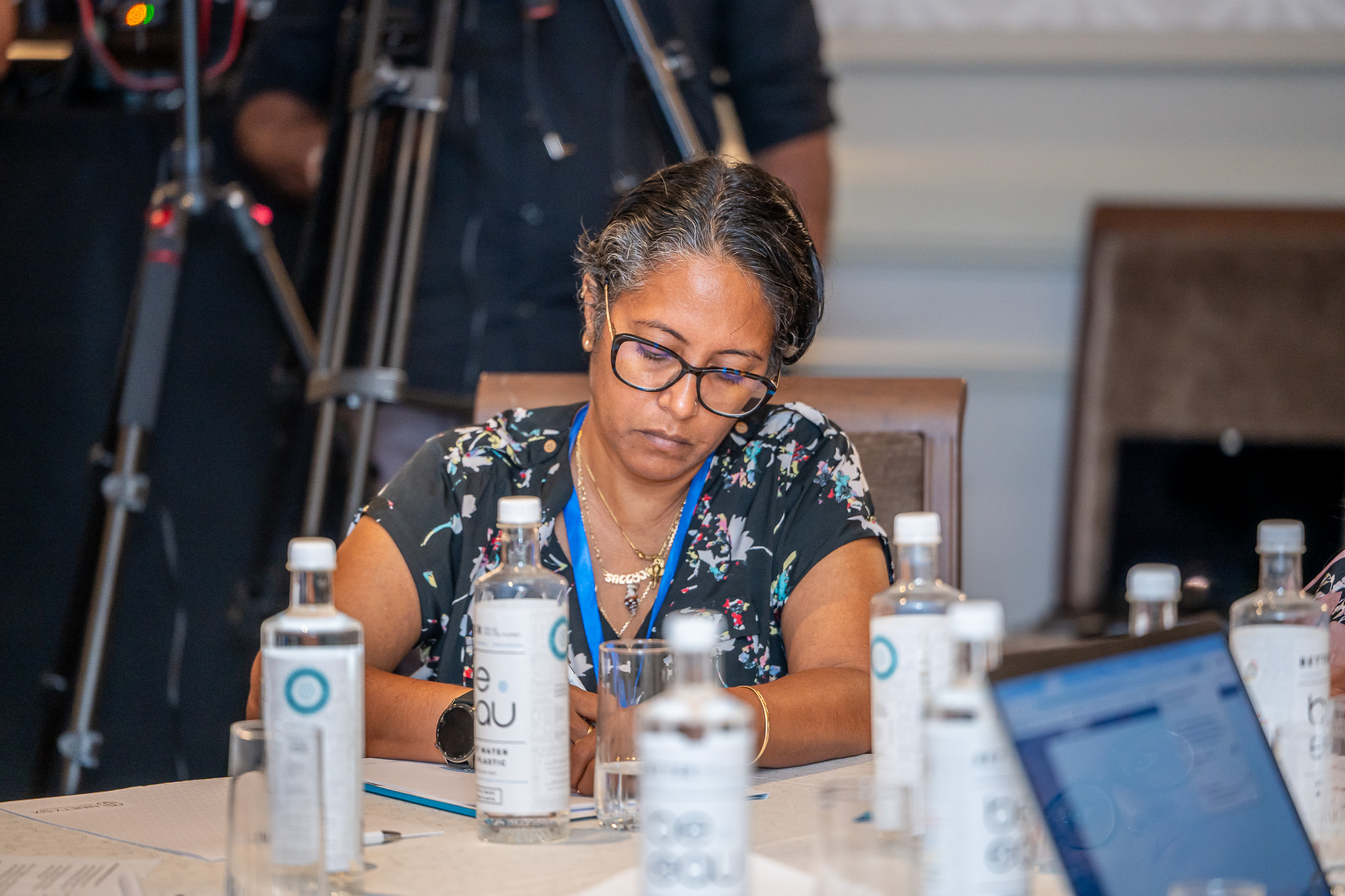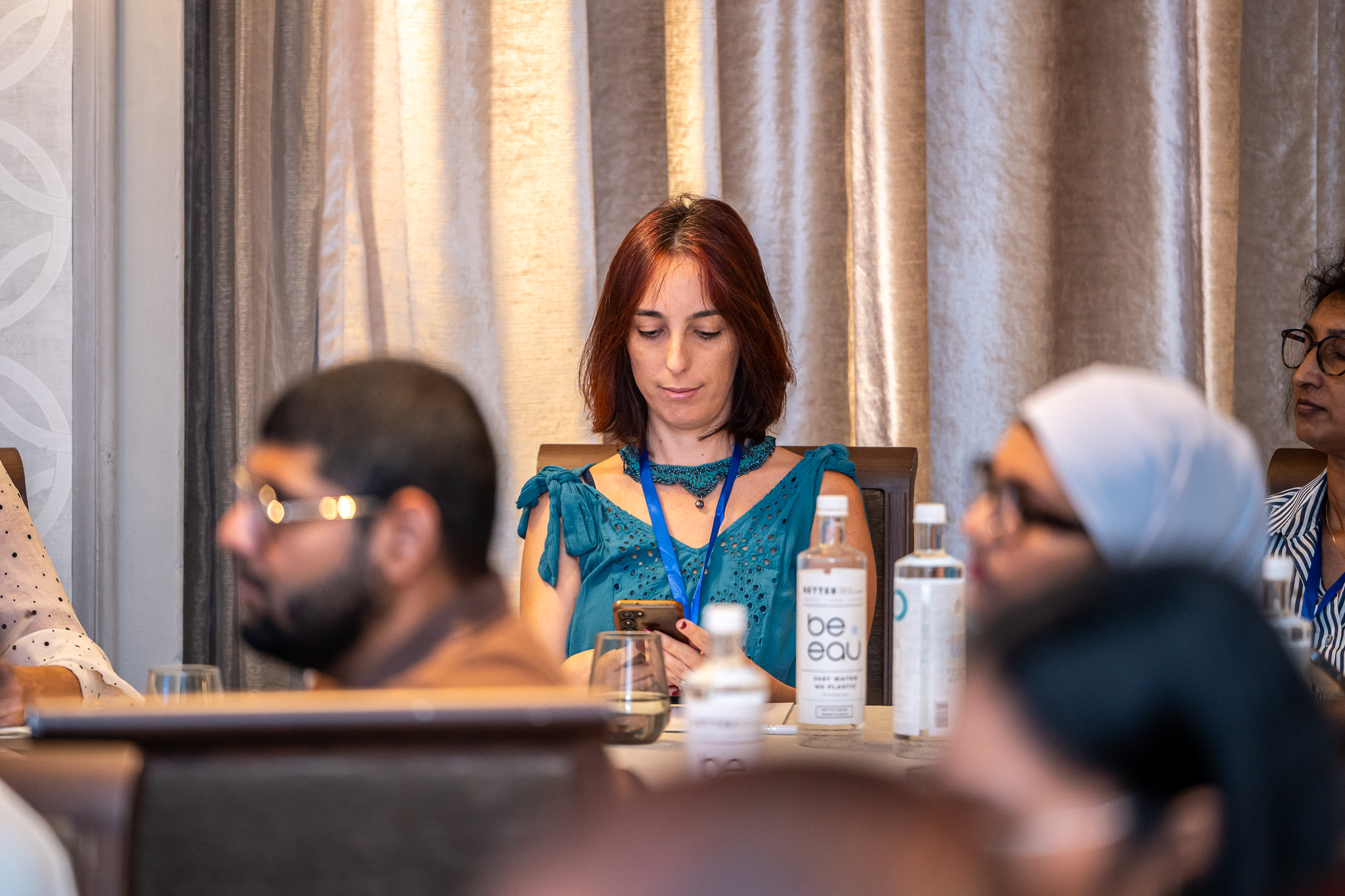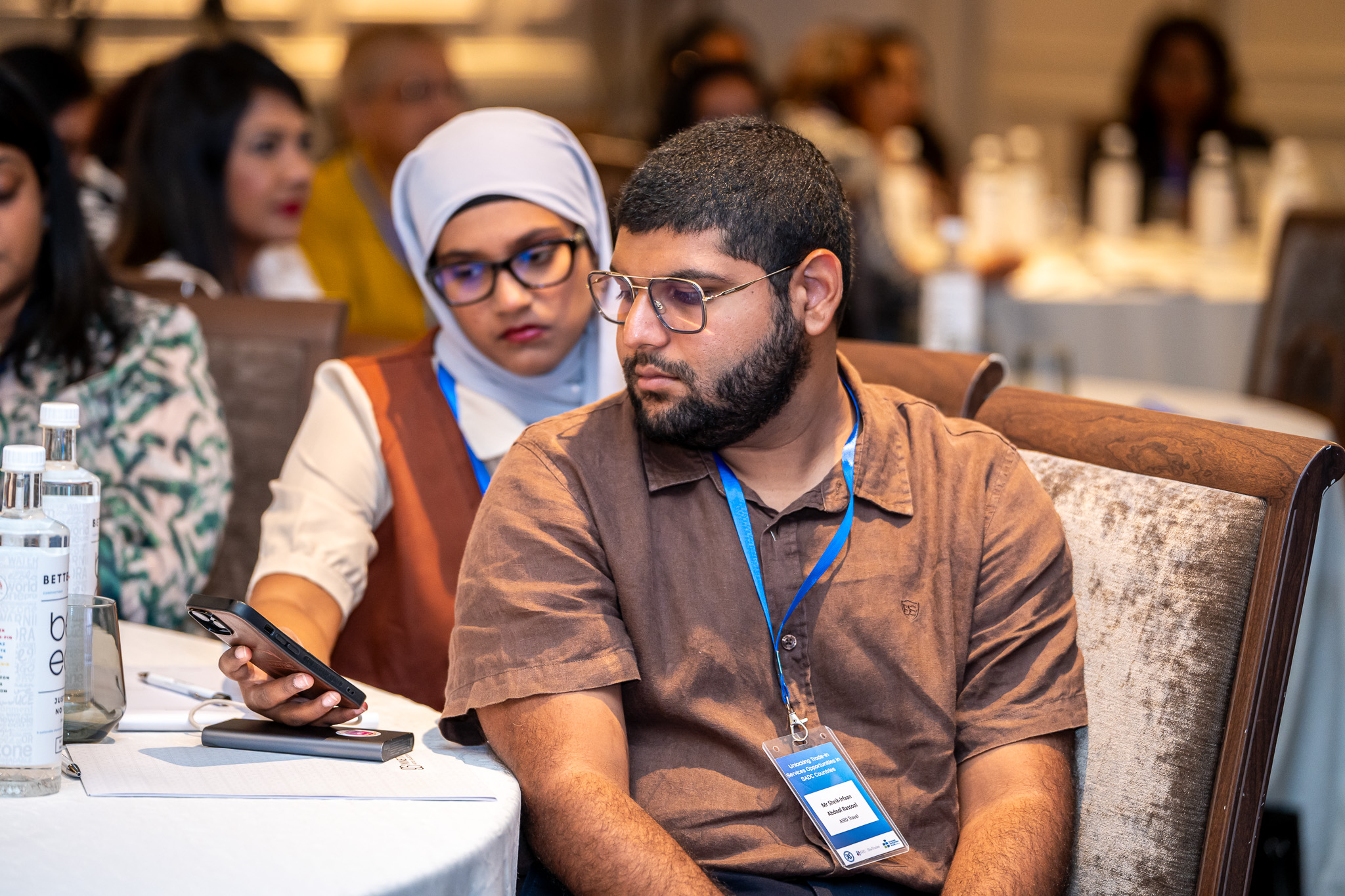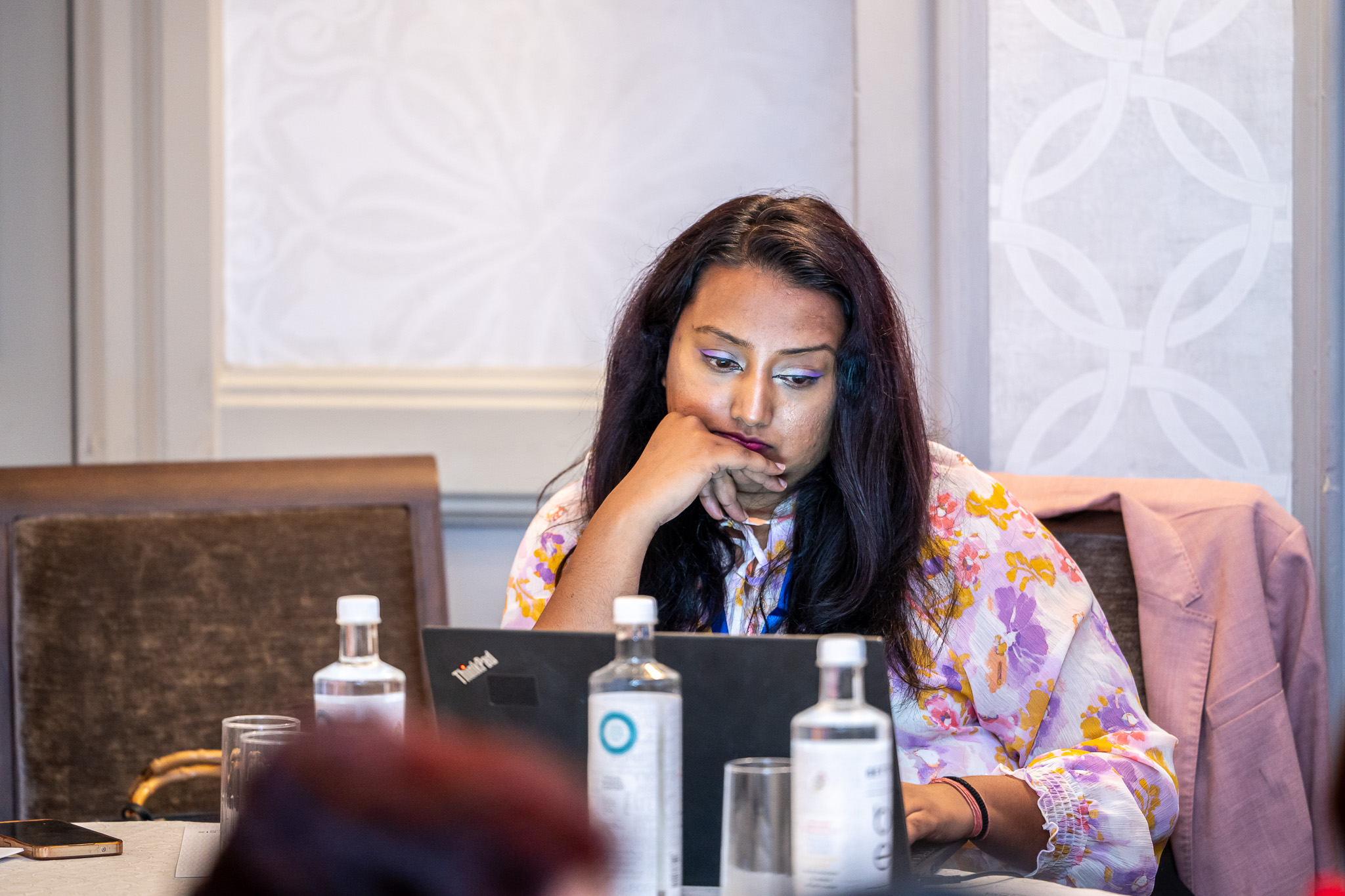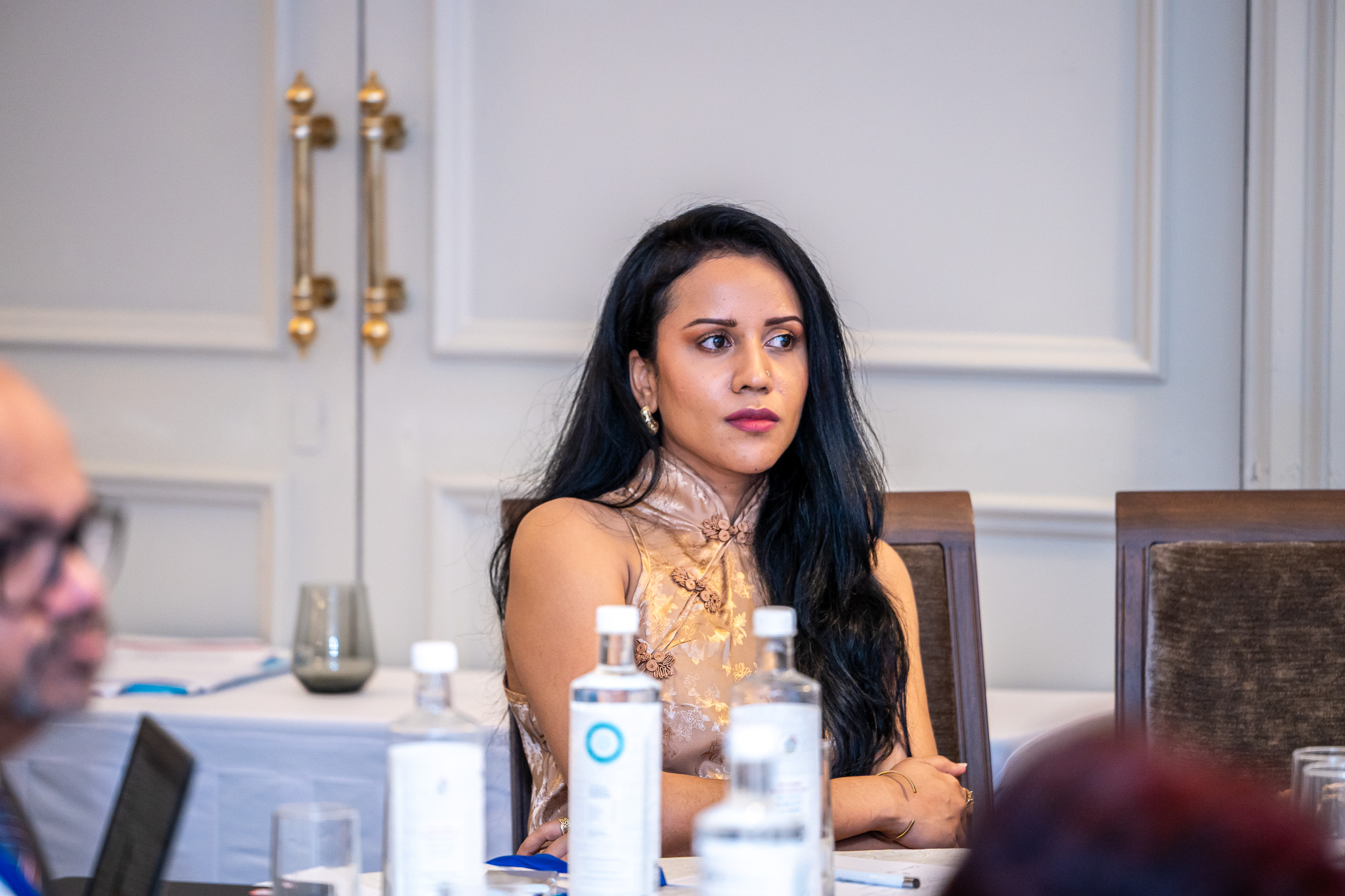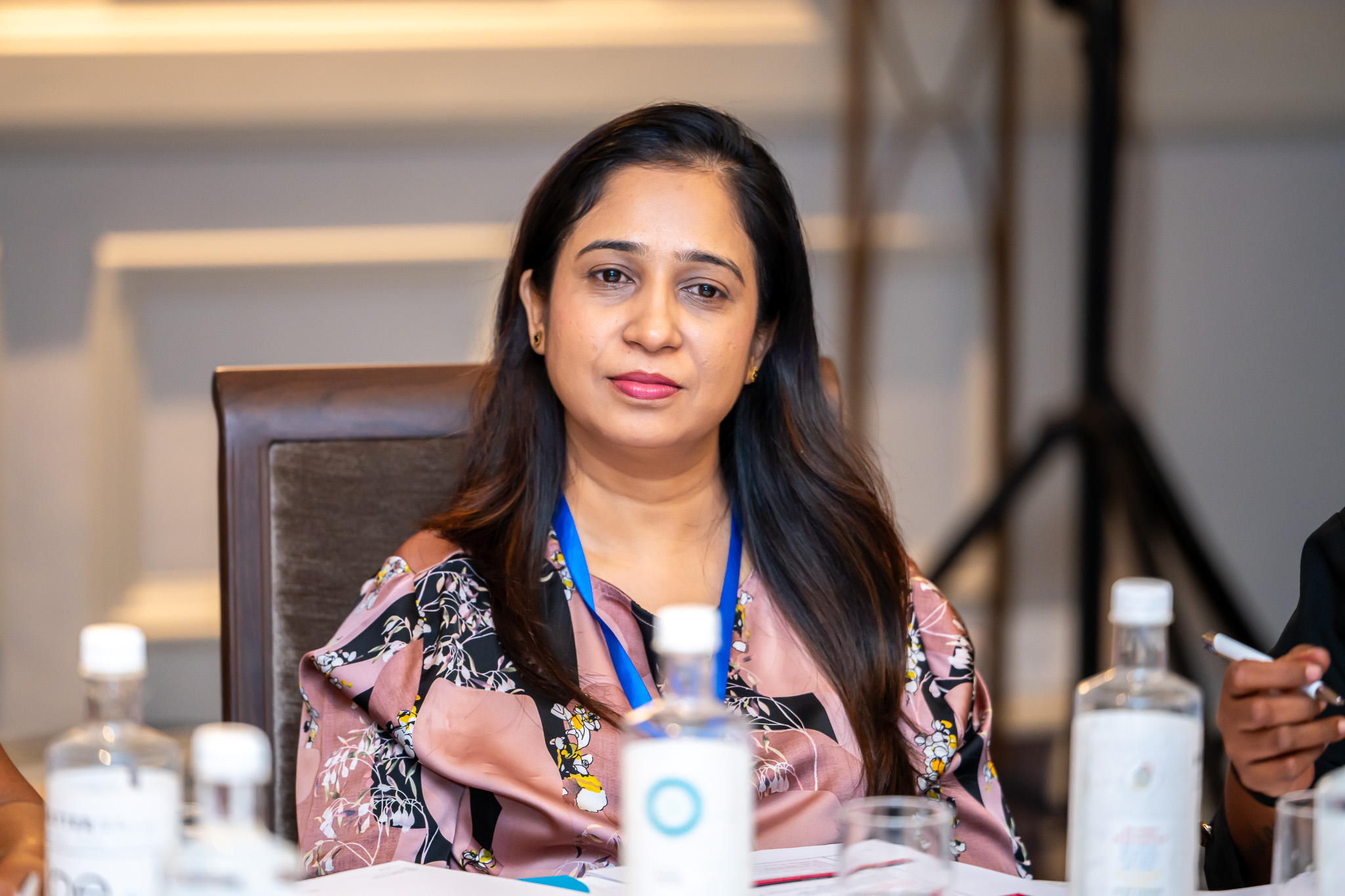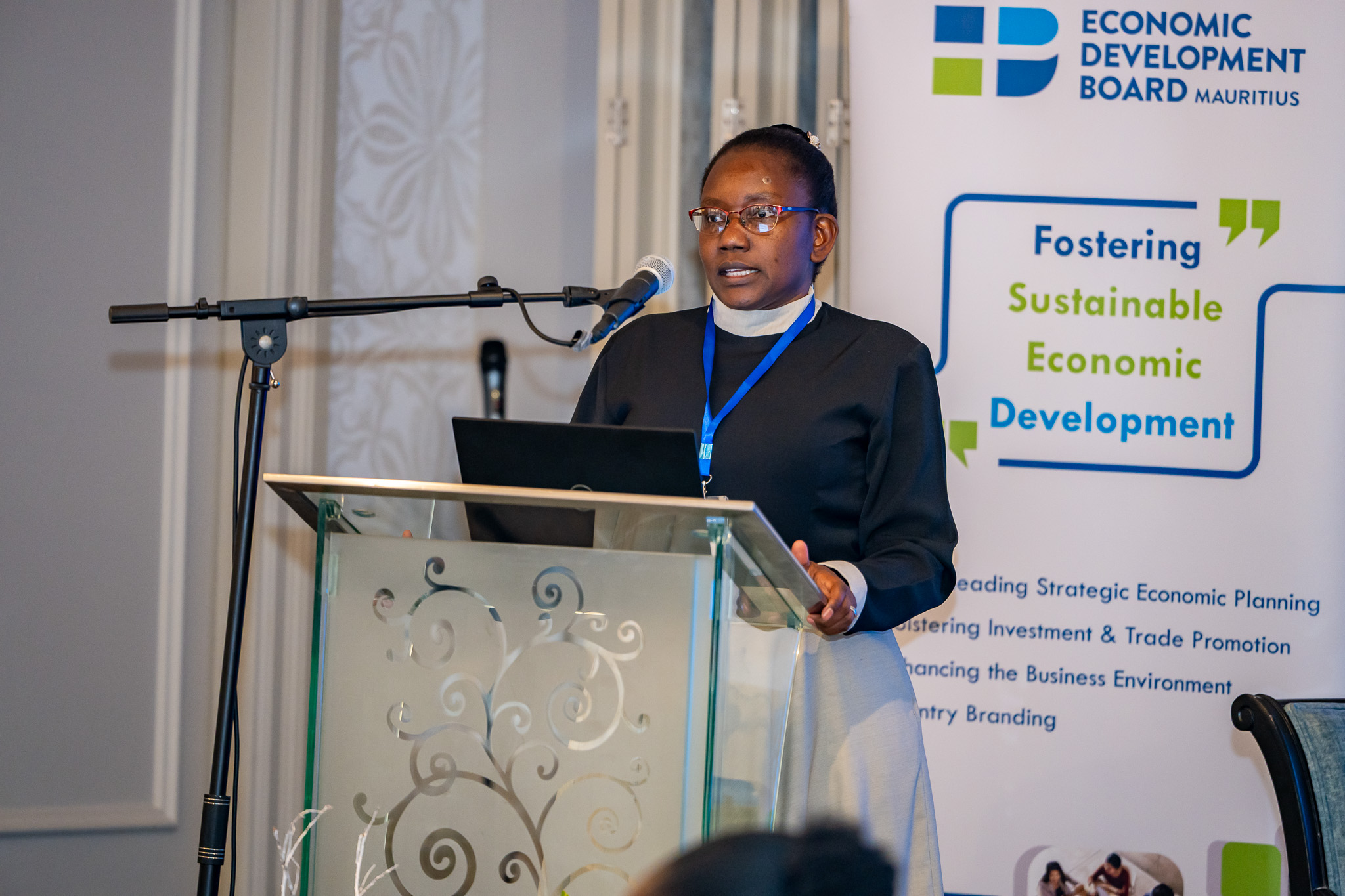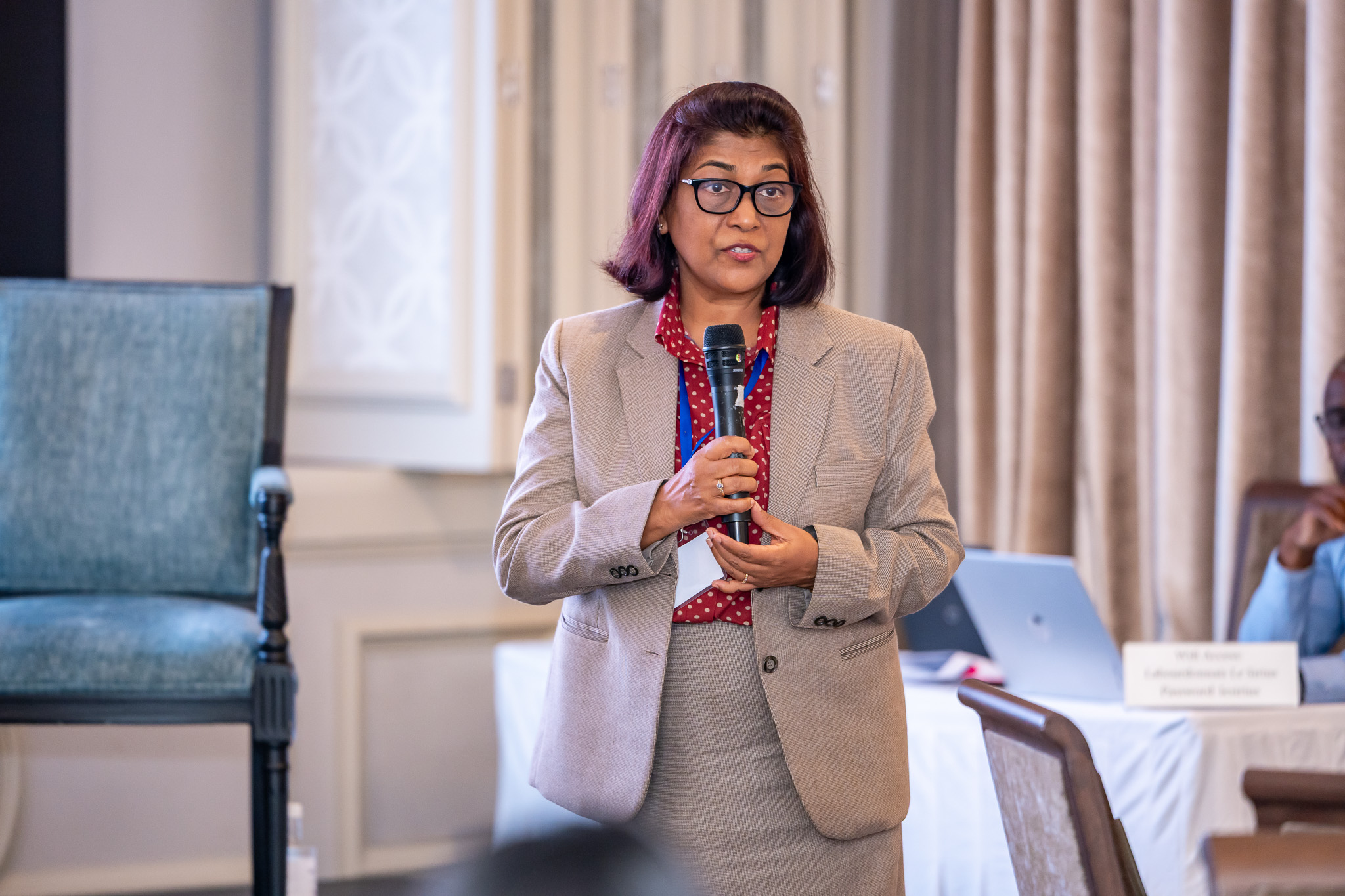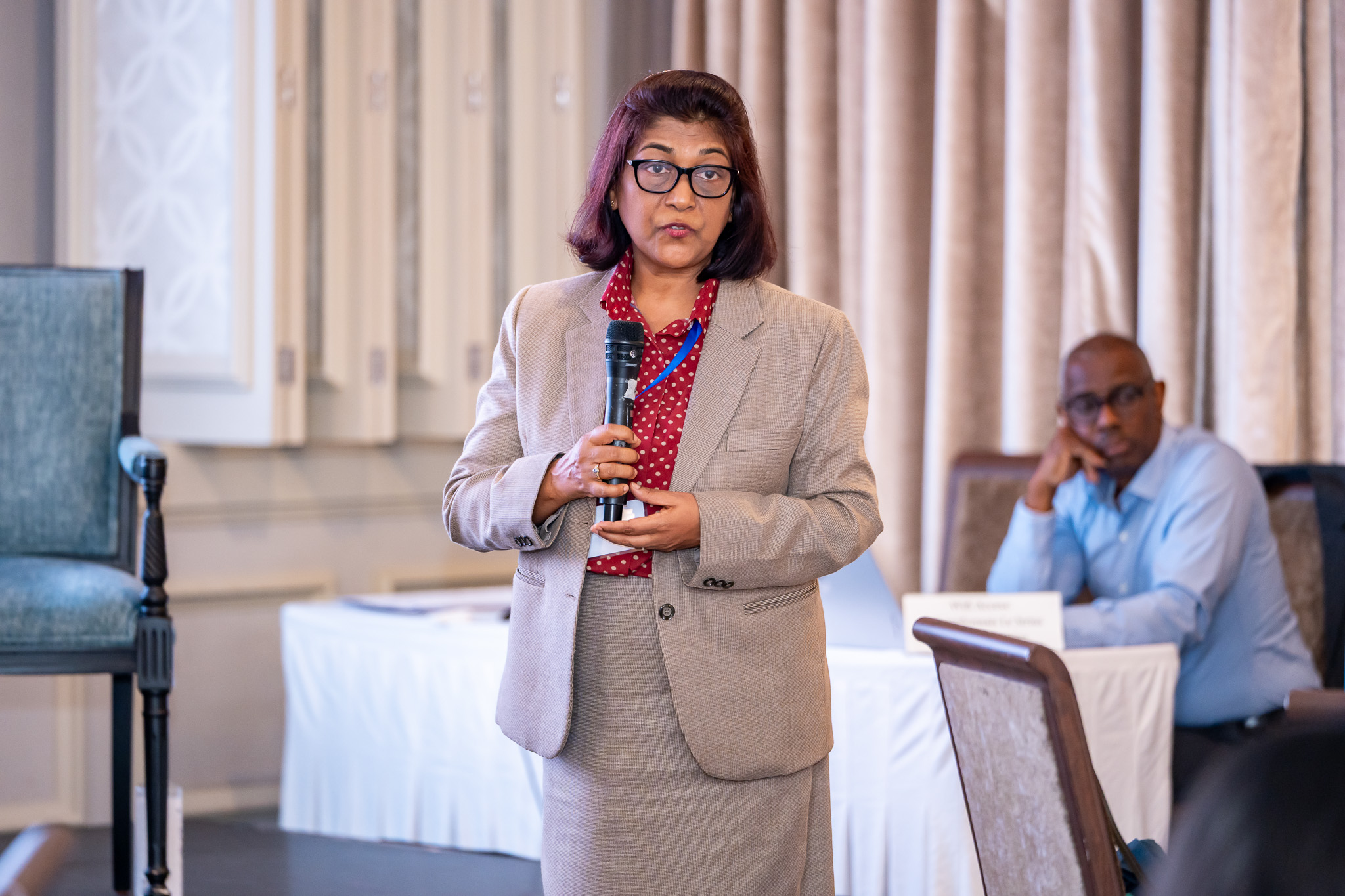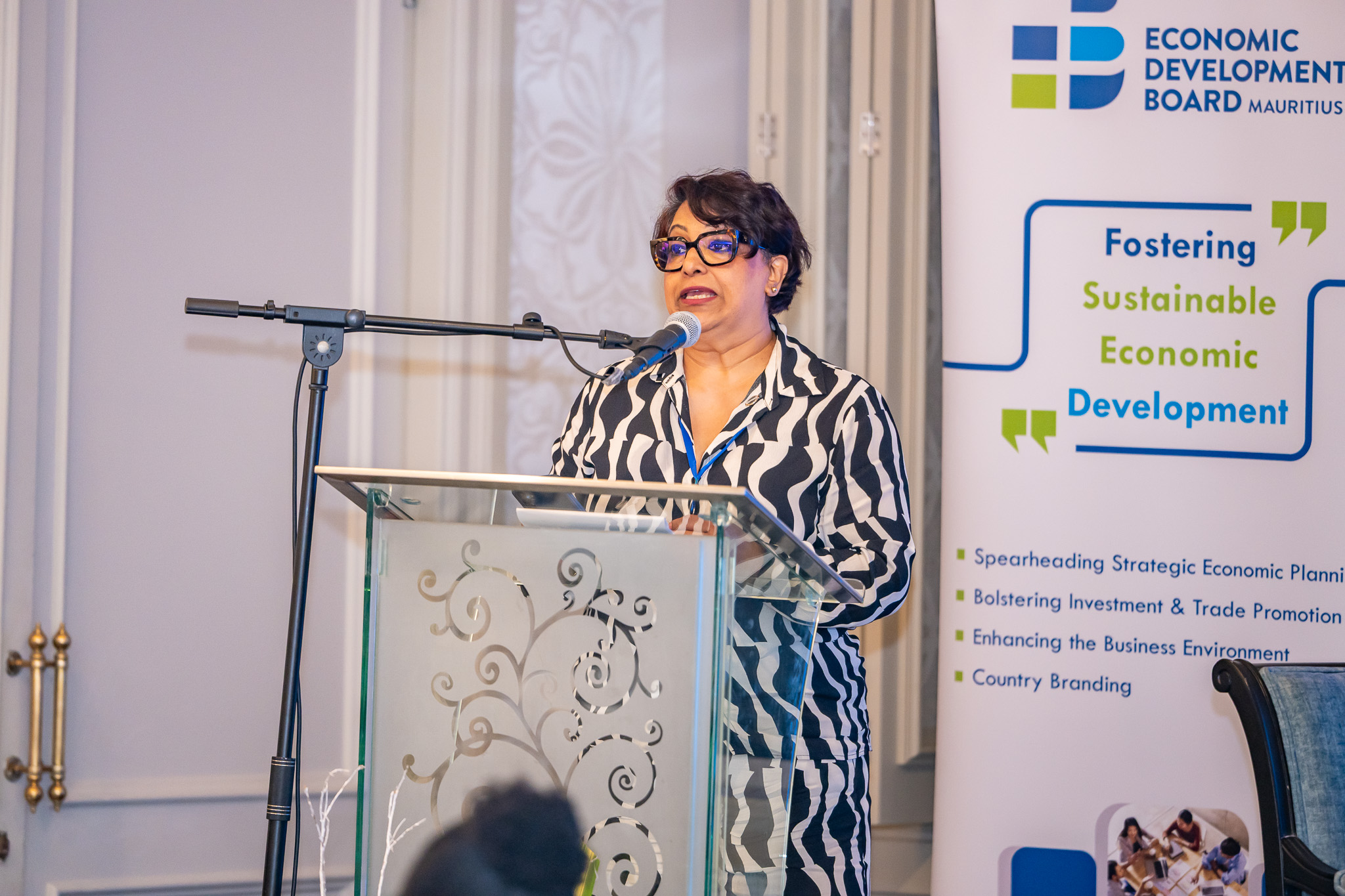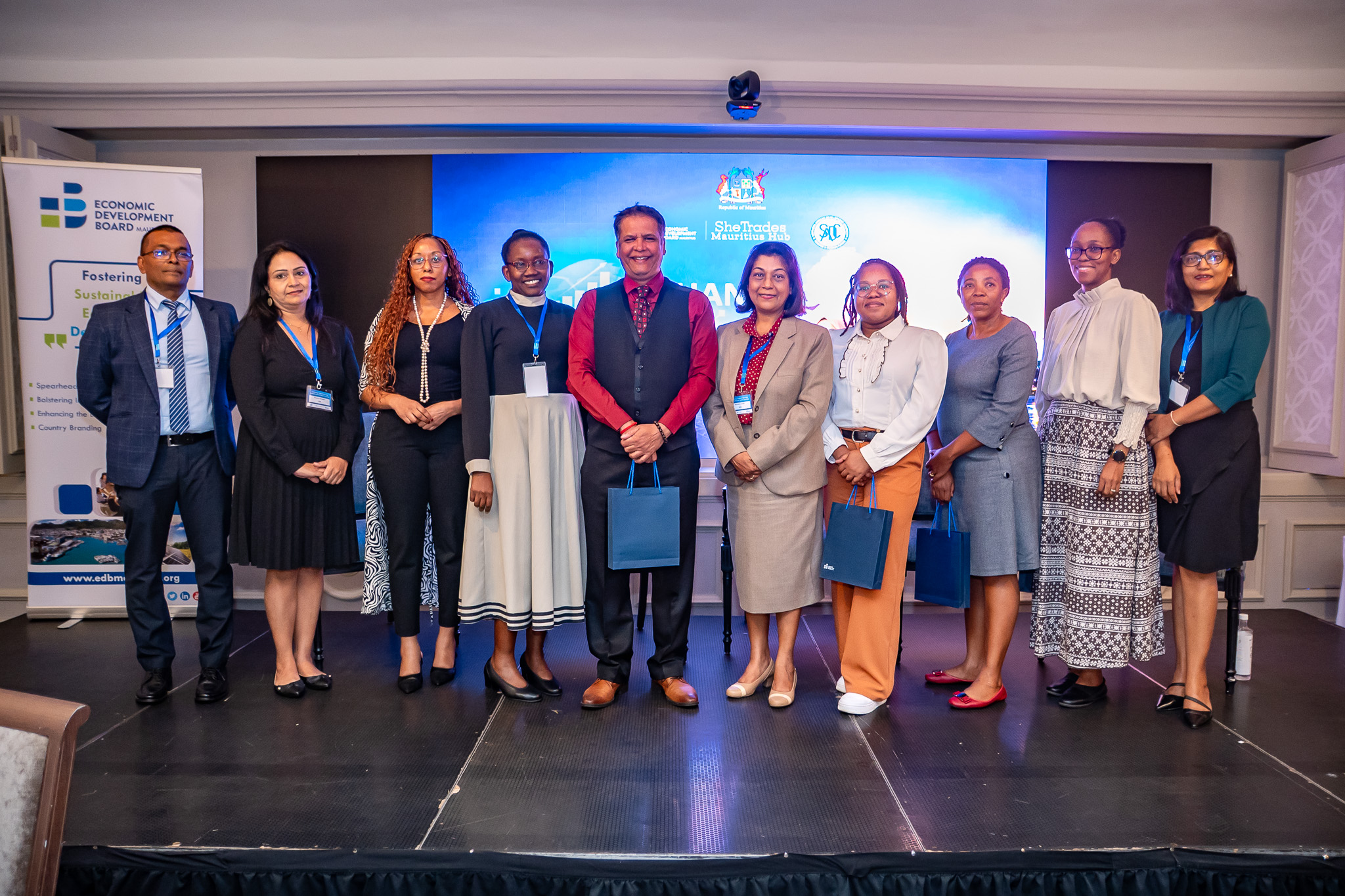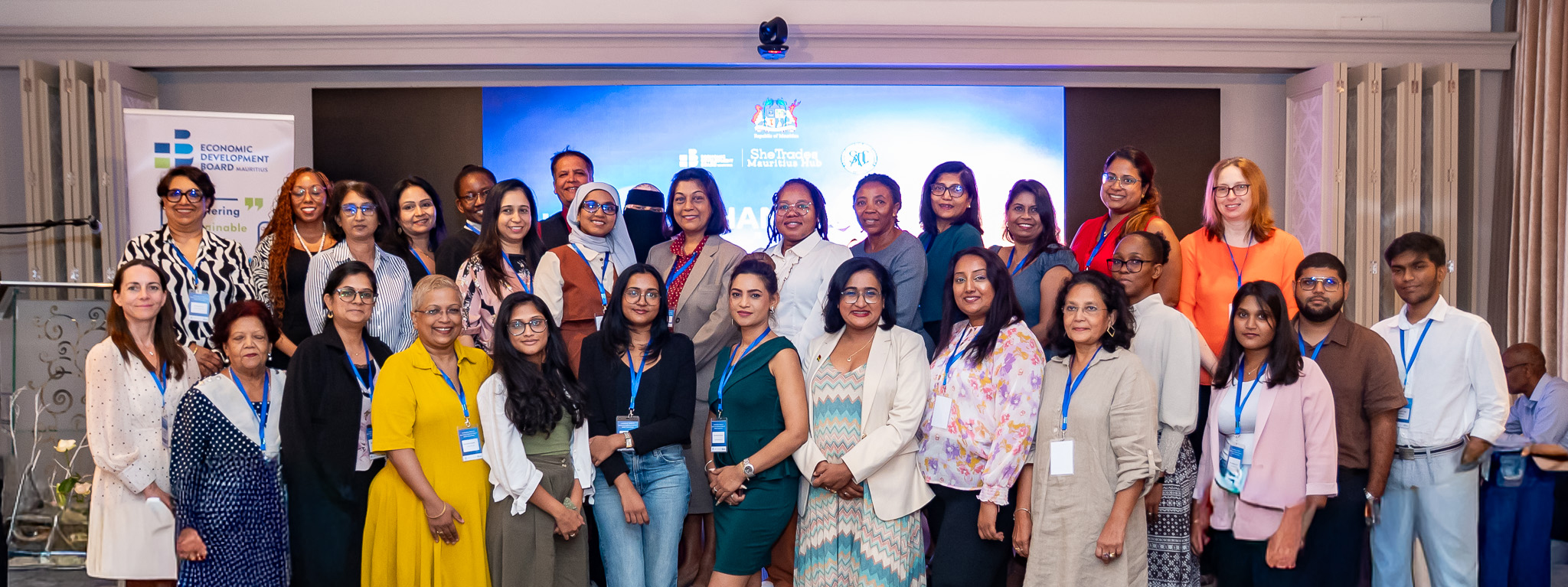





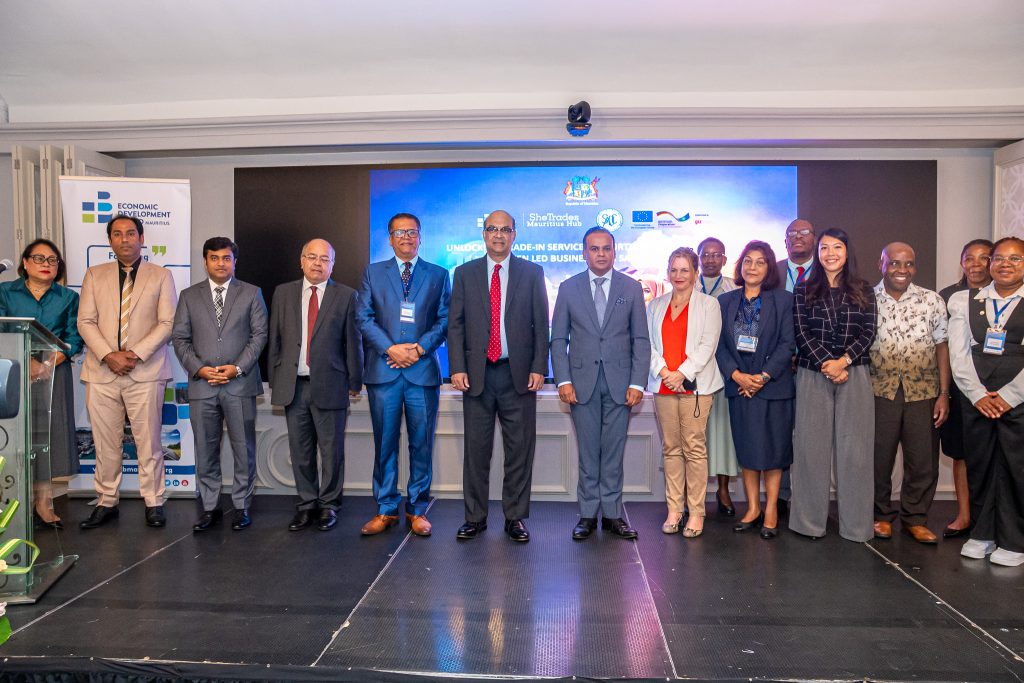
Mauritius hosted a two-day workshop titled “Unlocking Trade in Services Opportunities for Youth and Women-led Businesses in SADC Countries” from 8 to 9 April 2026 at the Labourdonnais Waterfront Hotel. The workshop was jointly organized by the SADC Secretariat under the GIZ-supported Trade in Services Project, in collaboration with the Ministry of Foreign Affairs, Regional Integration and International Trade and the Economic Development Board Mauritius, the host institution for SheTrades Mauritius Hub. The event brought together policymakers, private sector leaders, development partners, and entrepreneurs to explore opportunities for inclusive growth through trade in services.
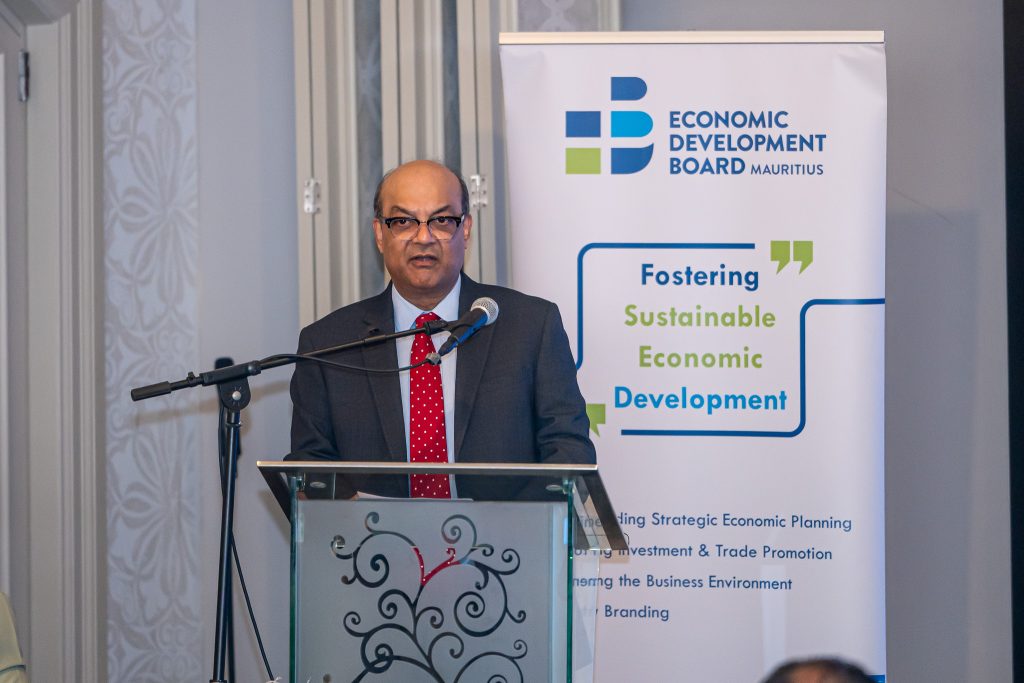
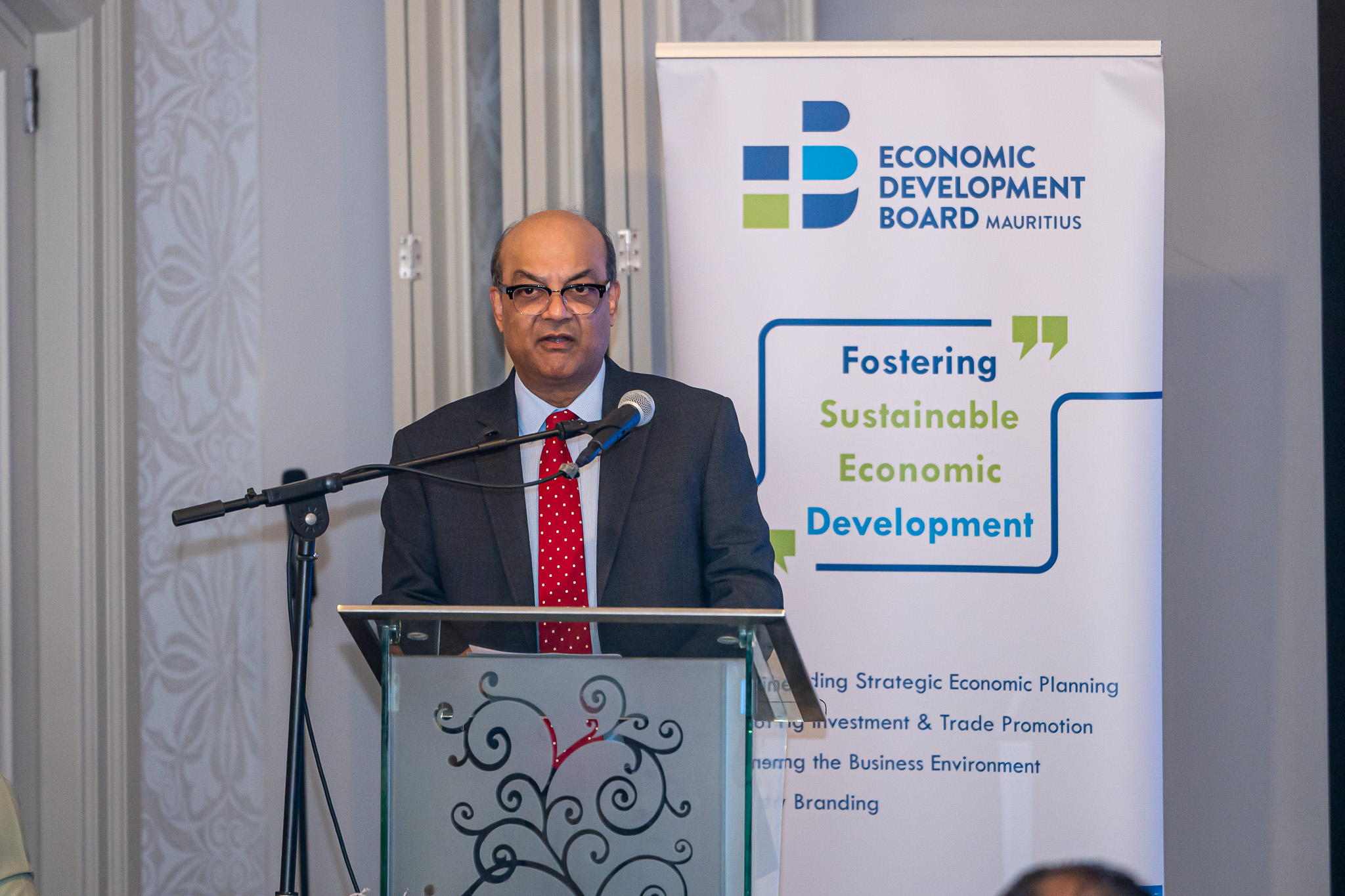
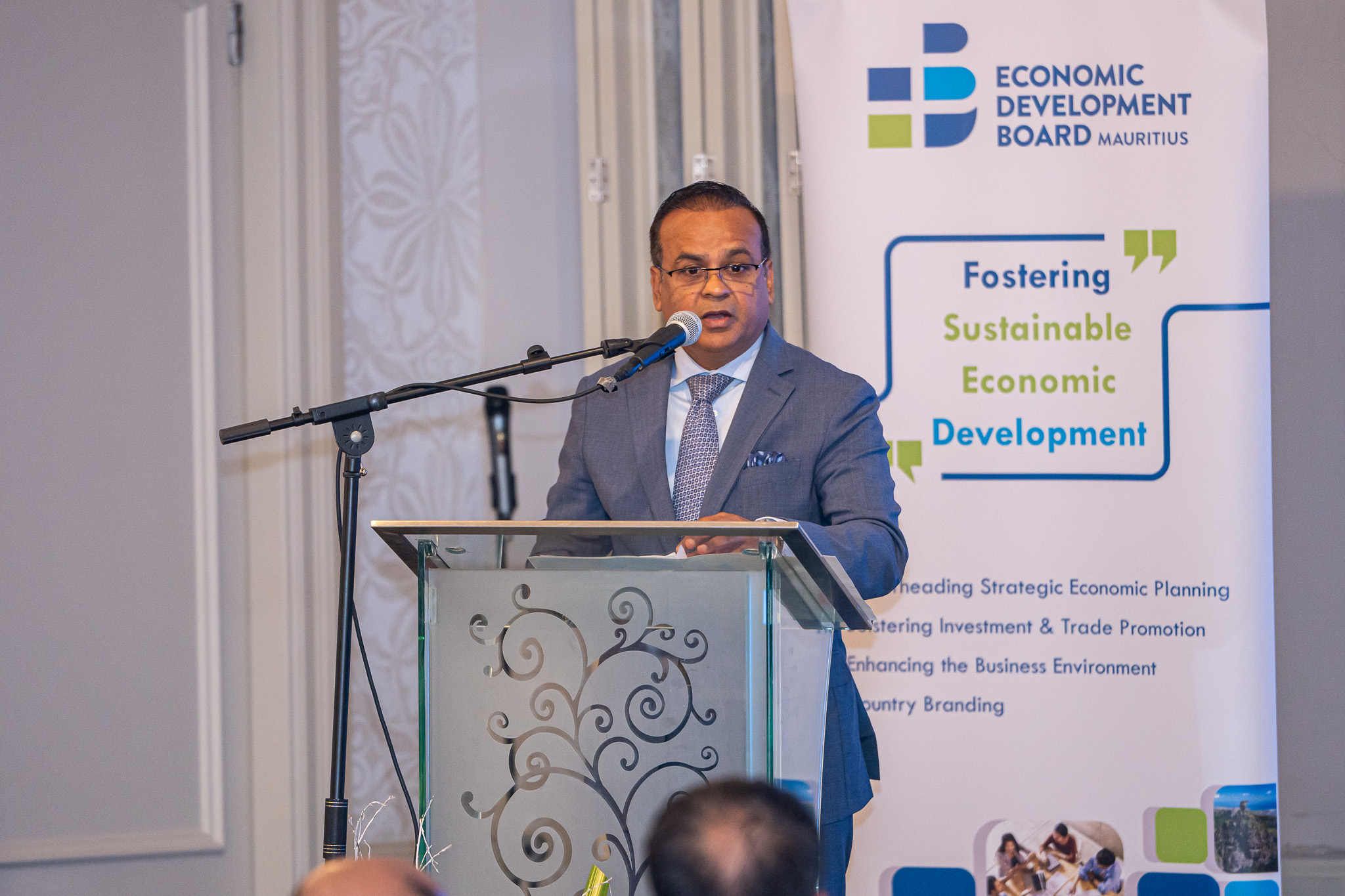
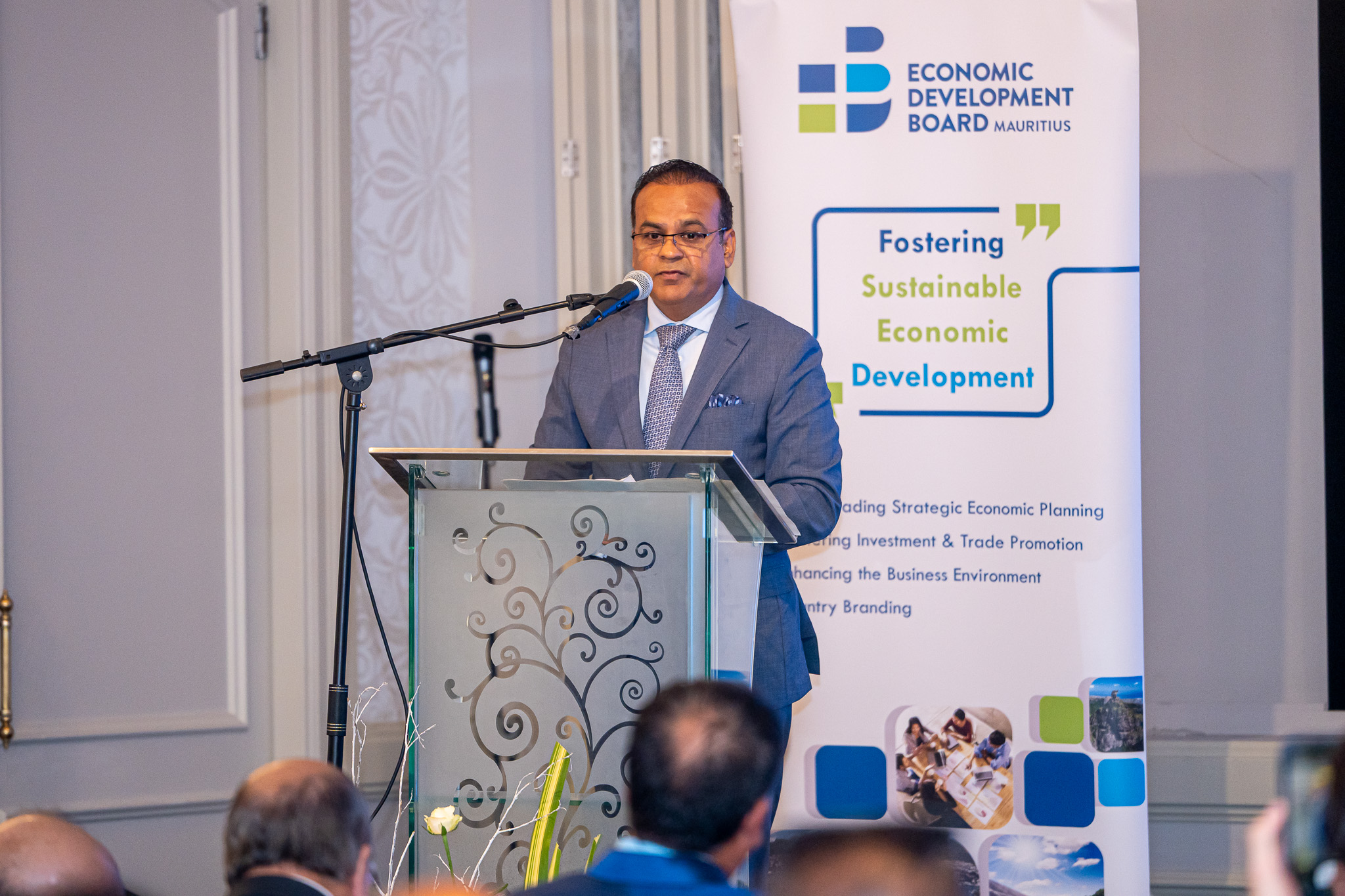
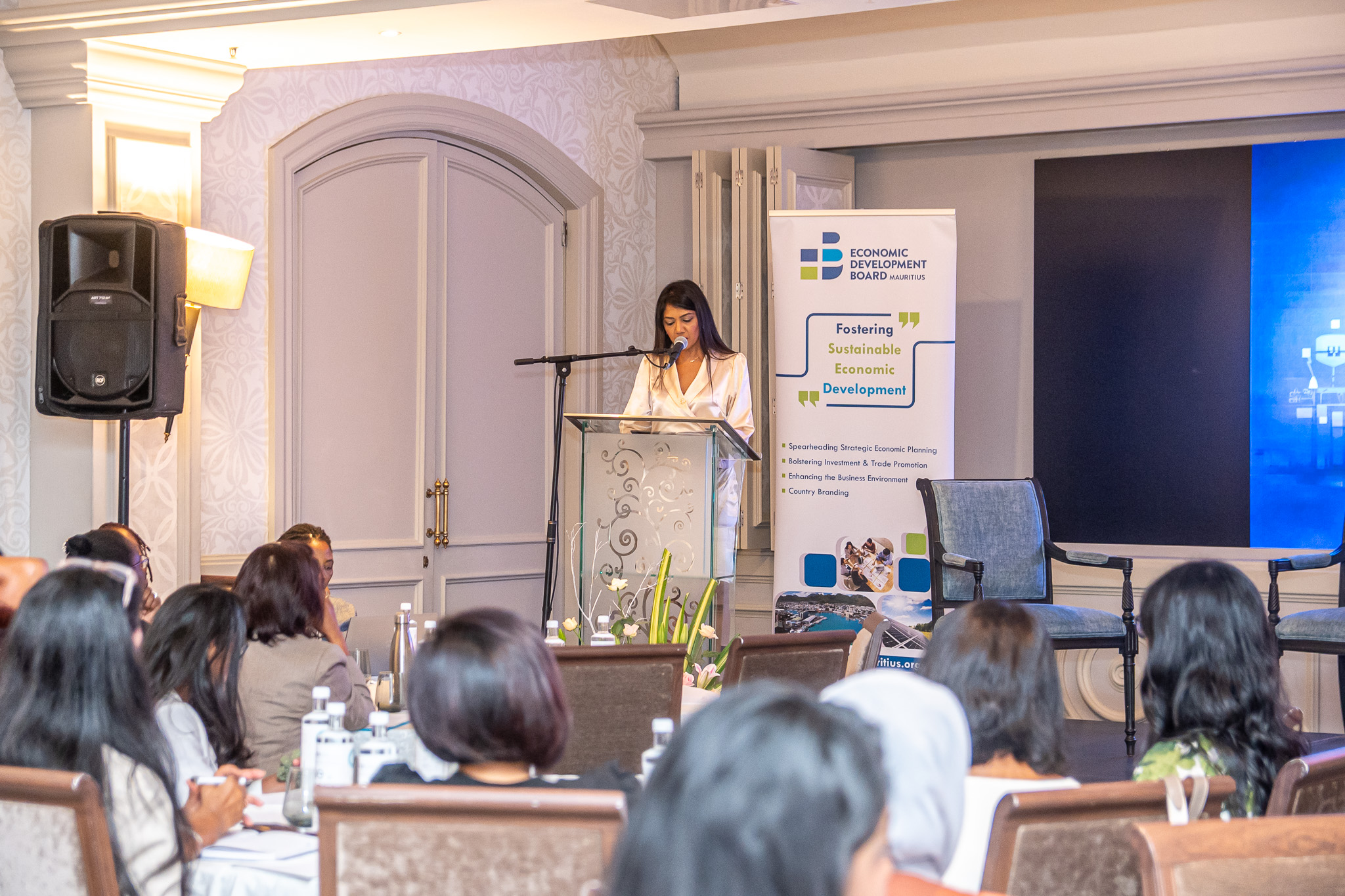
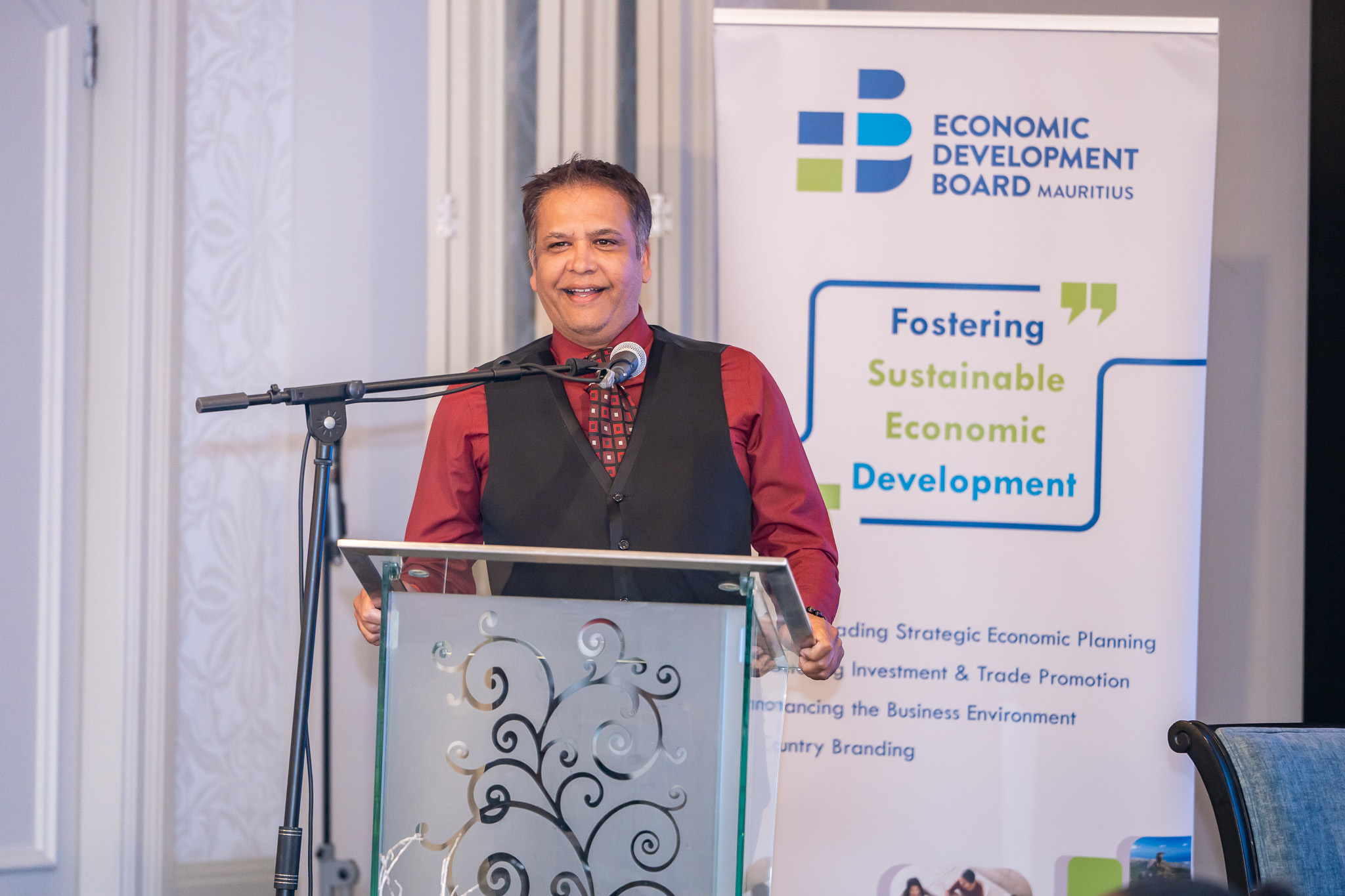
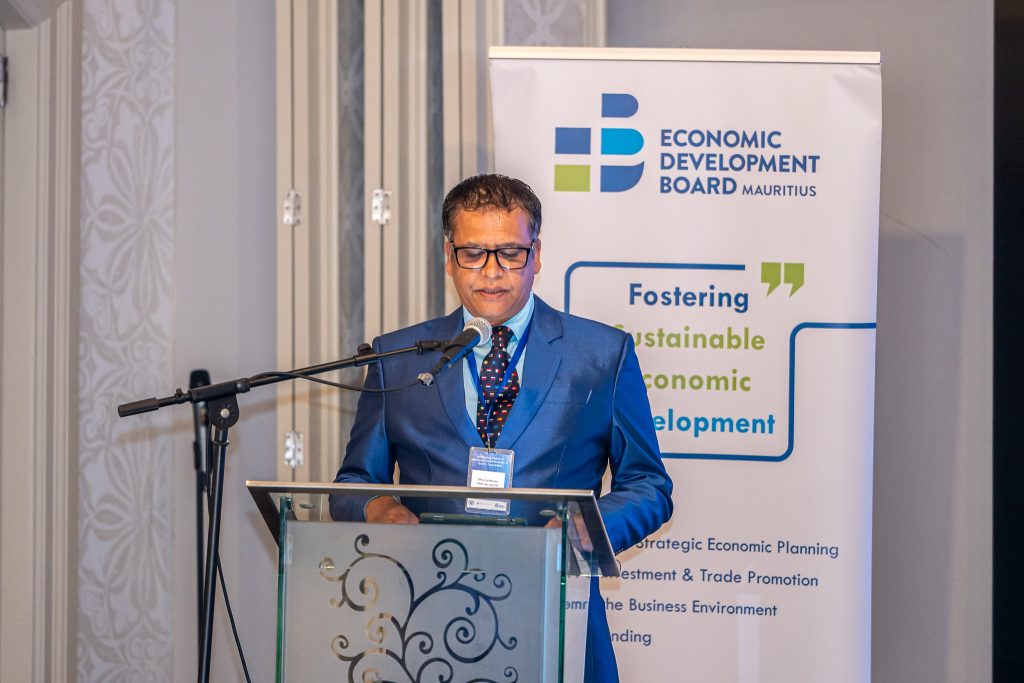
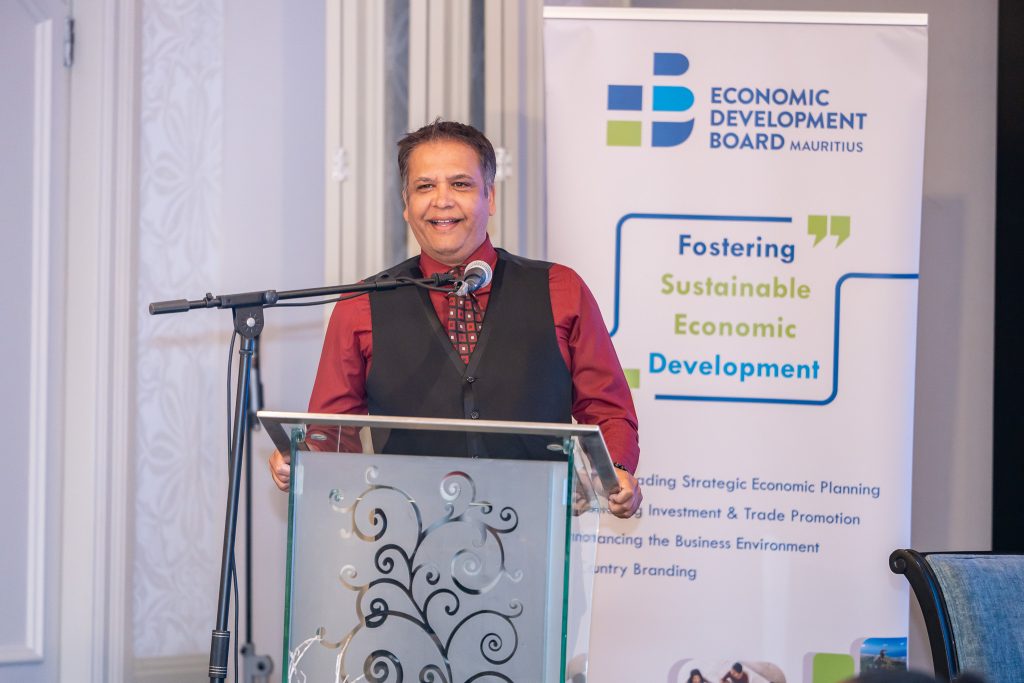
The opening remarks was delivered by Mr Abhimanu Kundasamy, Chief Executive Officer of the Economic Development Board (EDB) Mauritius, who welcomed participants and emphasized the importance of positioning Mauritius as a regional hub for services exports, highlighting the entry into force of the SADC Protocol on Trade in Services as a key milestone enabling improved market access.
He noted that the workshop aims to equip businesses with practical tools to tap into opportunities across the SADC region. He stated that the SADC region represents a market offering significant growth potential for women and youth-led enterprises “With a combined market of nearly USD 1 trillion and a population of close to 400 million, the Southern African Development Community presents substantial potential for expansion, particularly for women and youth-led enterprises seeking to grow beyond domestic markets.”
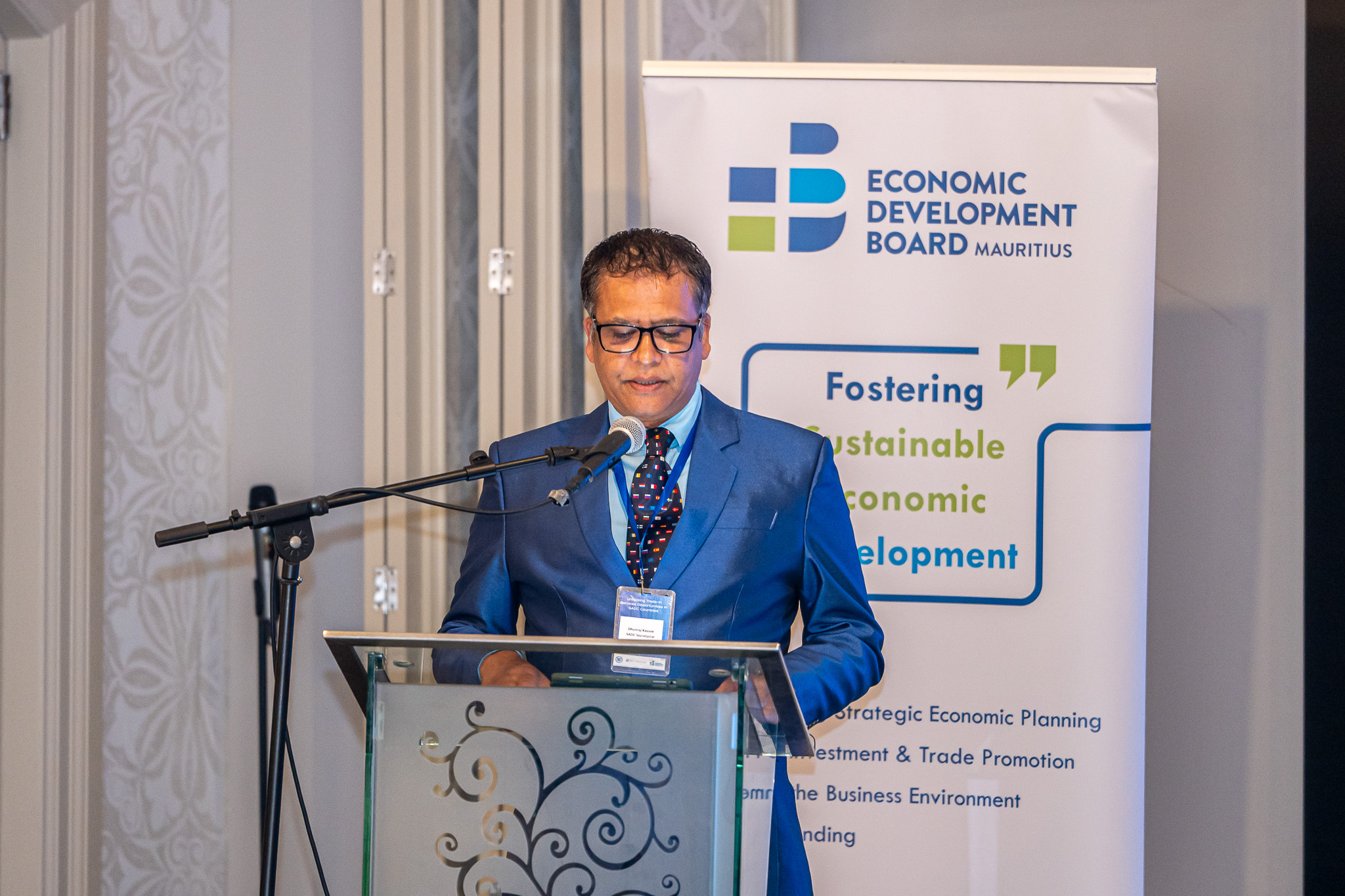
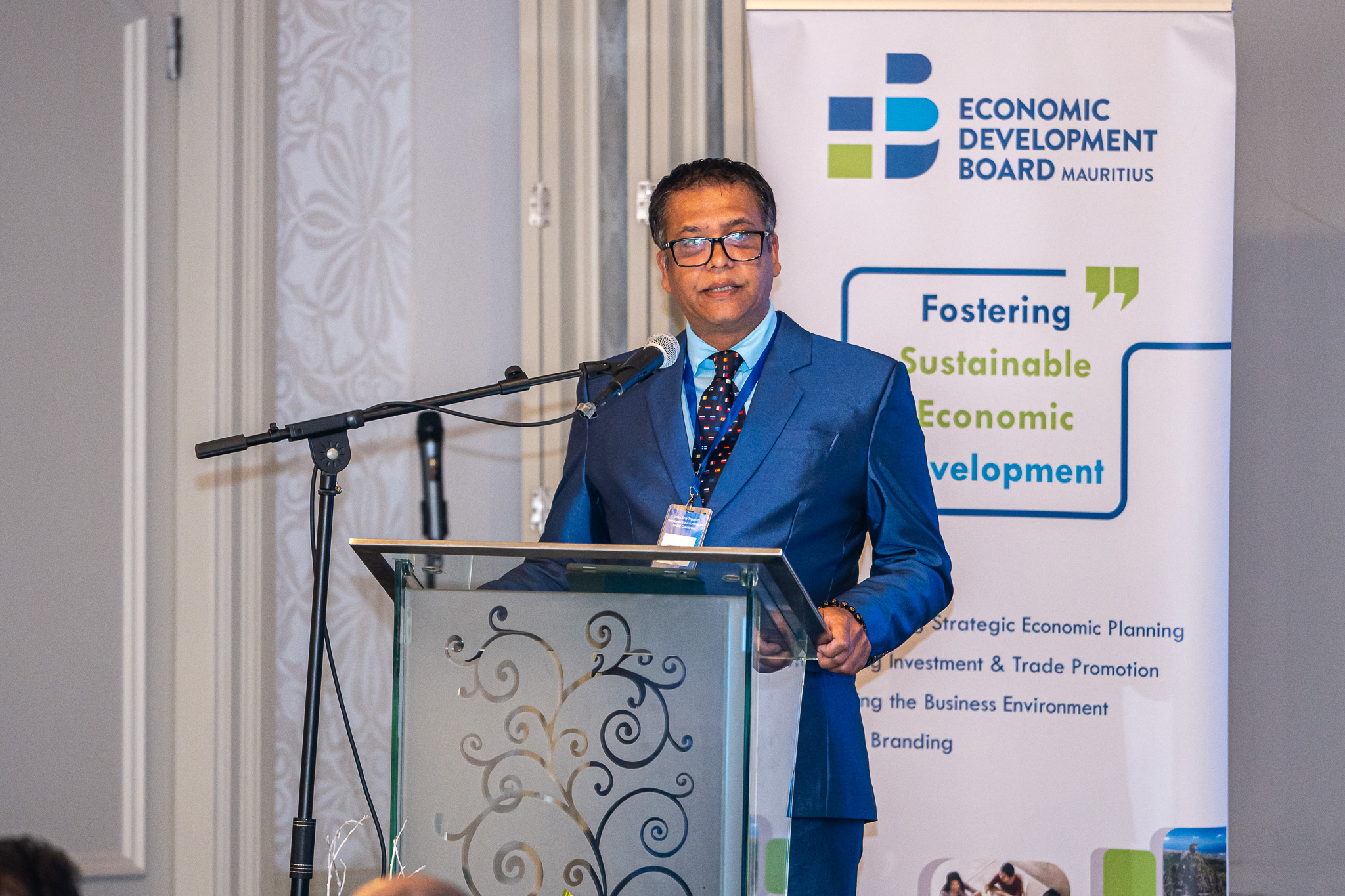
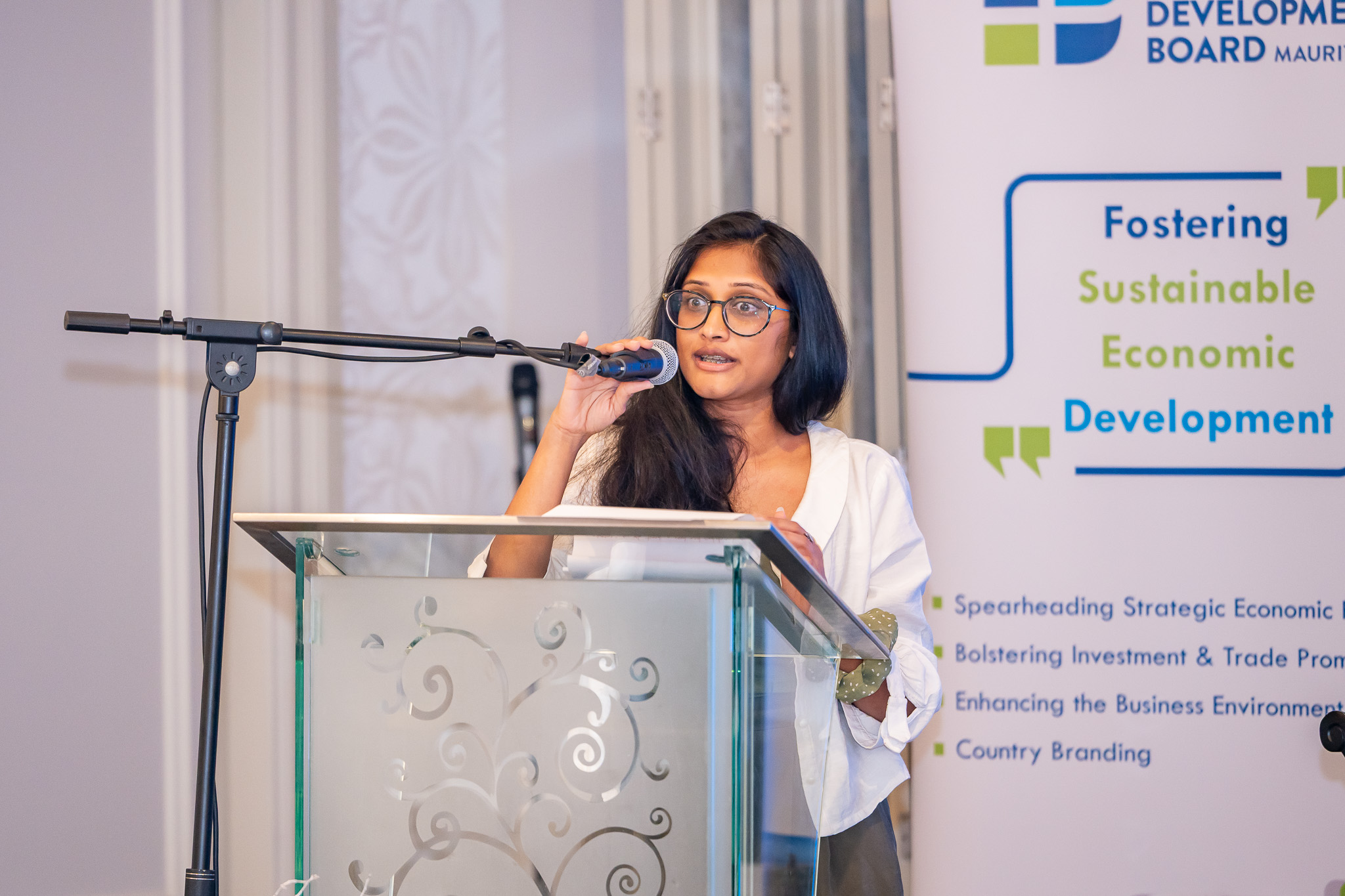
Mr Dhunraj Kassee, Director of Industrial Development and Trade at the SADC Secretariat, delivered the opening address. He highlighted that the workshop comes at a critical time, with trade in services increasingly recognised as a key driver of economic transformation. He noted the progress achieved through regional frameworks such as the SADC and AfCFTA Protocols on Trade in Services, which are creating new opportunities for inclusive participation by women and youth.In light of global uncertainties, he stressed the need to strengthen resilience in regional services markets and value chains, while positioning Mauritius as a regional leader in the services sector.
The keynote address was delivered by Honourable Dhananjay Ramful, Minister of Foreign Affairs, Regional Integration and International Trade, who underscored the critical role of youth and women entrepreneurs in driving sustainable economic transformation through trade in services. He noted that the services sector contributes significantly to GDP and employment accounting for approximately 70% of Mauritius’ GDP and employs around 73% of the workforce.
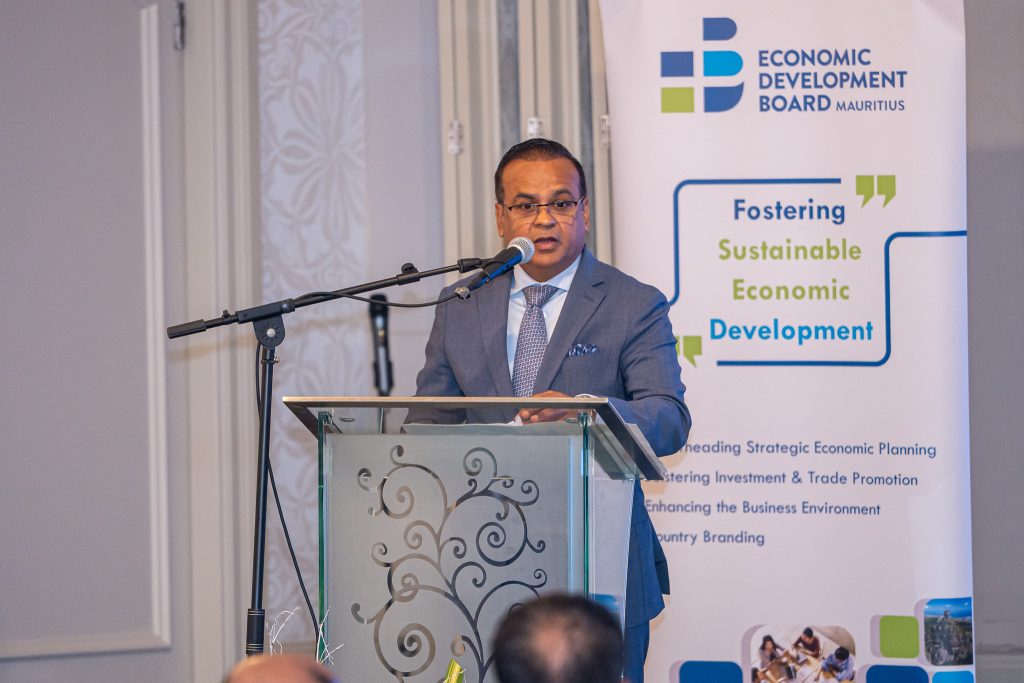
The Minister highlighted the dynamic growth of key sectors such as ICT, financial services, tourism, education, creative industries, and professional services—areas where women and young entrepreneurs are increasingly active. He emphasized that digital platforms and online marketplaces are transforming the way services are delivered, enabling businesses to reach global clients without a physical presence, thereby lowering barriers to entry and fostering innovation. He also reaffirmed Mauritius’ commitment to aligning with the AfCFTA Protocol on Digital Trade and its ambition to lead the development of a Pan-African digital trade corridor.
The first session, facilitated by experts from the SADC Secretariat, set the foundation by providing a comprehensive overview of trade in services and its growing importance in the global economy. Participants were introduced to key concepts, including modes of supply, and gained a deeper understanding of regional frameworks such as the SADC Protocol on Trade in Services and commitments under the African Continental Free Trade Area (AfCFTA). The session also highlighted mechanisms such as Mutual Recognition Agreements (MRAs) and identified priority sectors offering opportunities for Mauritius, supported by an educational video tailored for SMEs.
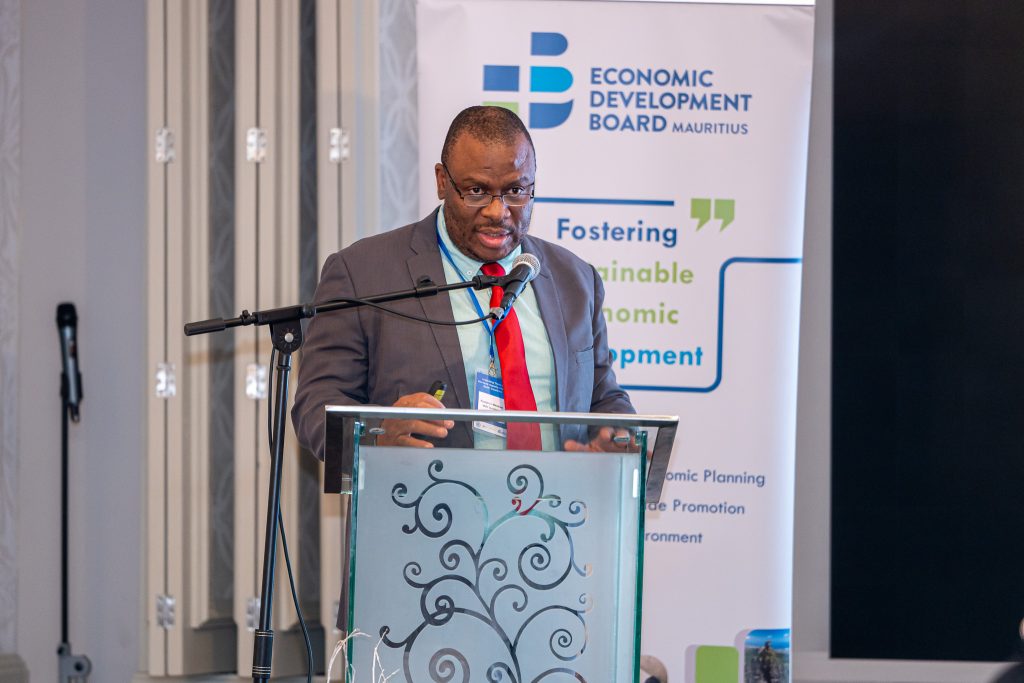
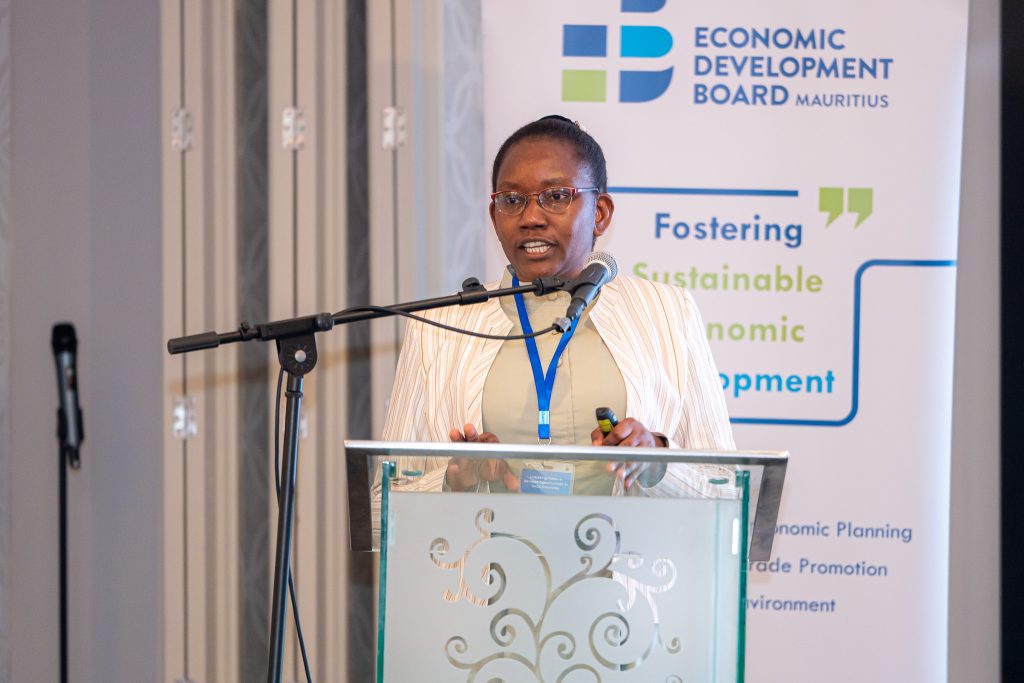
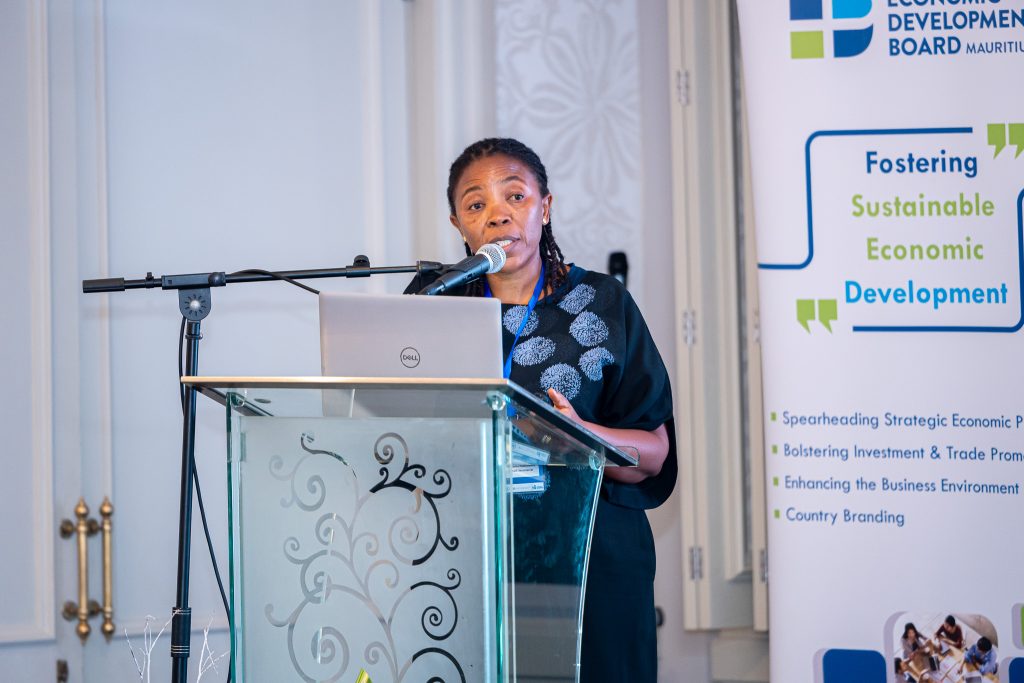
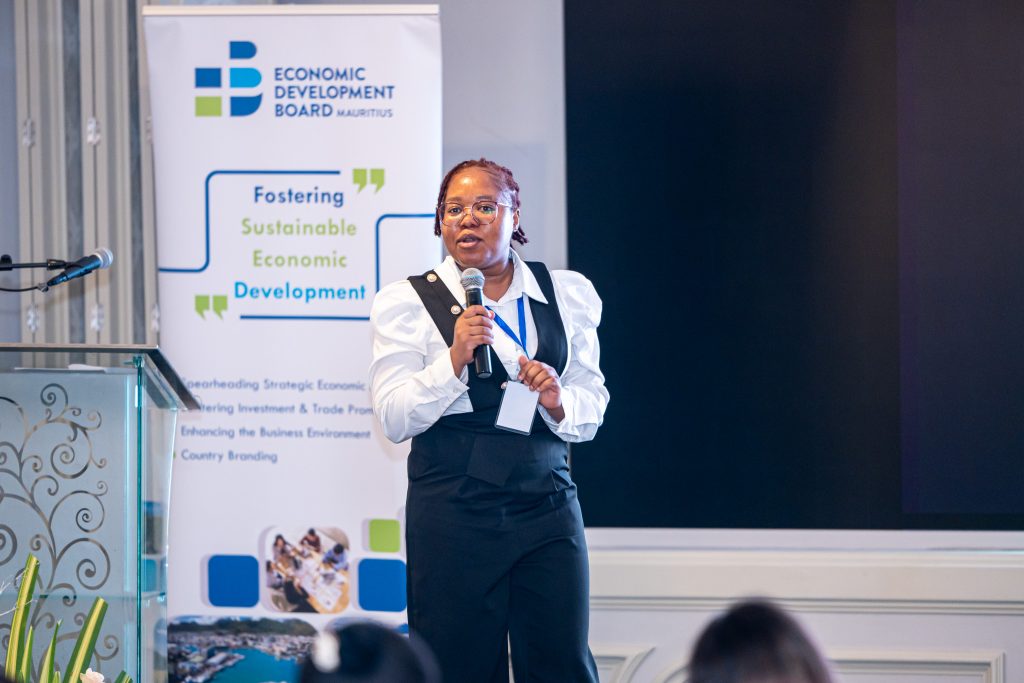
Building on this foundation, the second session focused on the regulatory and compliance landscape for services exporters. Participants explored essential requirements such as licensing, accreditation, cross-border procedures, and conditions governing the temporary movement of service providers. Practical insights from Mauritian institutions further guided participants on how SMEs can effectively meet compliance requirements and leverage available support mechanisms to access international markets.
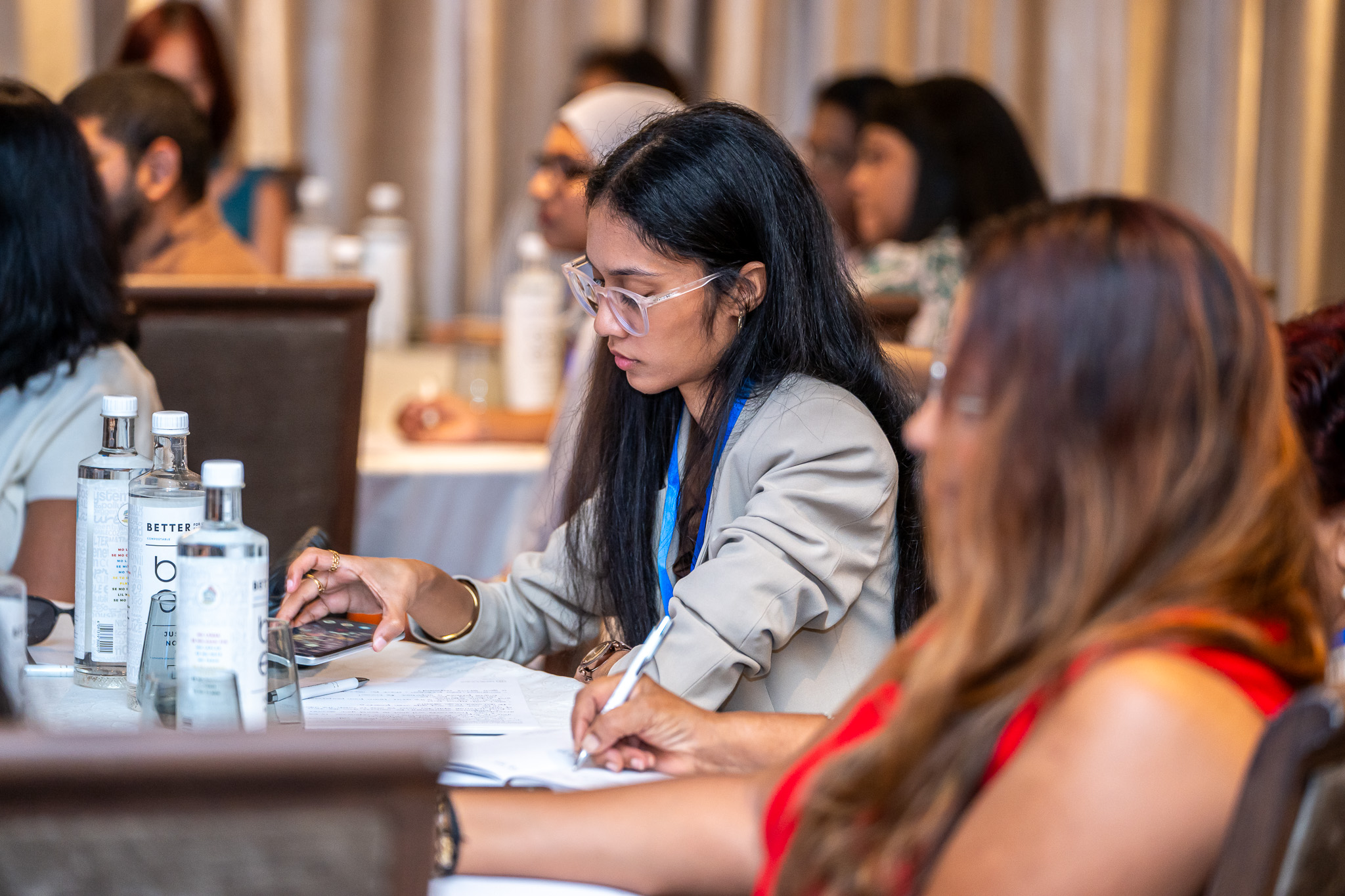
The market access and export readiness in the third session provided a practical and interactive exploration of opportunities across the SADC region. Emphasis was placed on high-potential sectors, including ICT, tourism, and professional services, as well as emerging demand trends. Participants were introduced to market intelligence tools to assess competitiveness, identify niche markets, and align their business models with regional trade frameworks. Through hands-on exercises, participants developed structured approaches to market selection and strengthened their readiness to enter export markets.
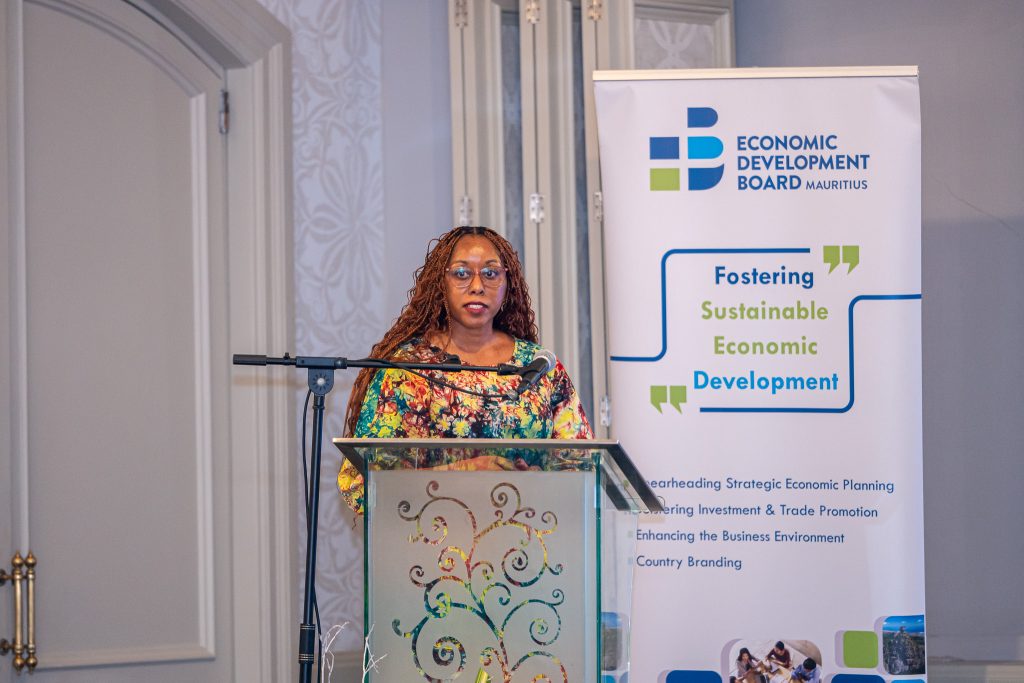
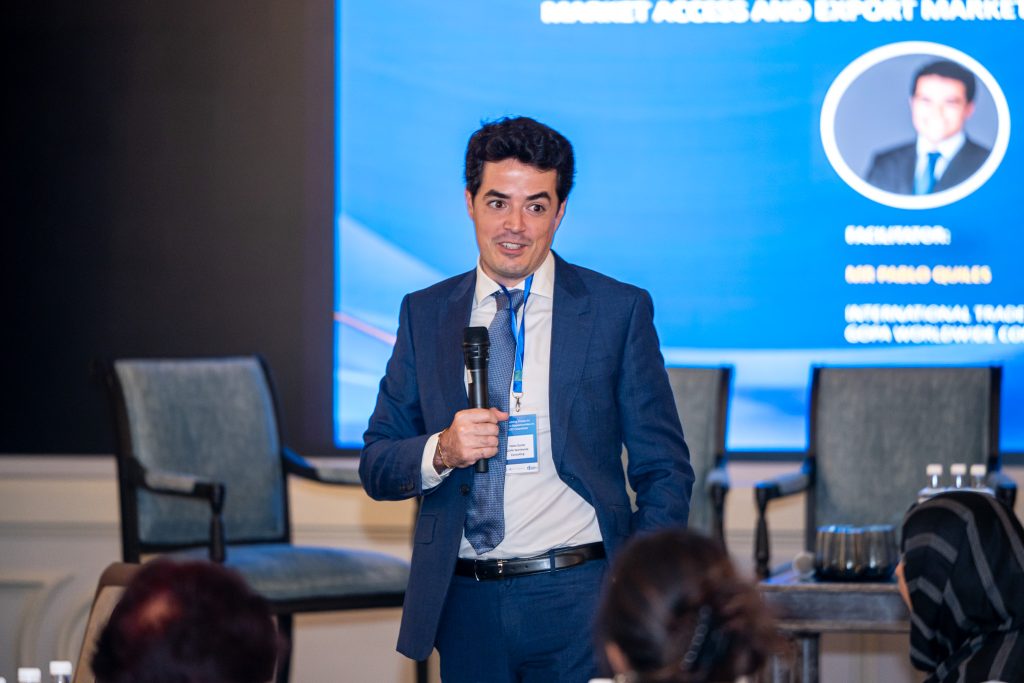
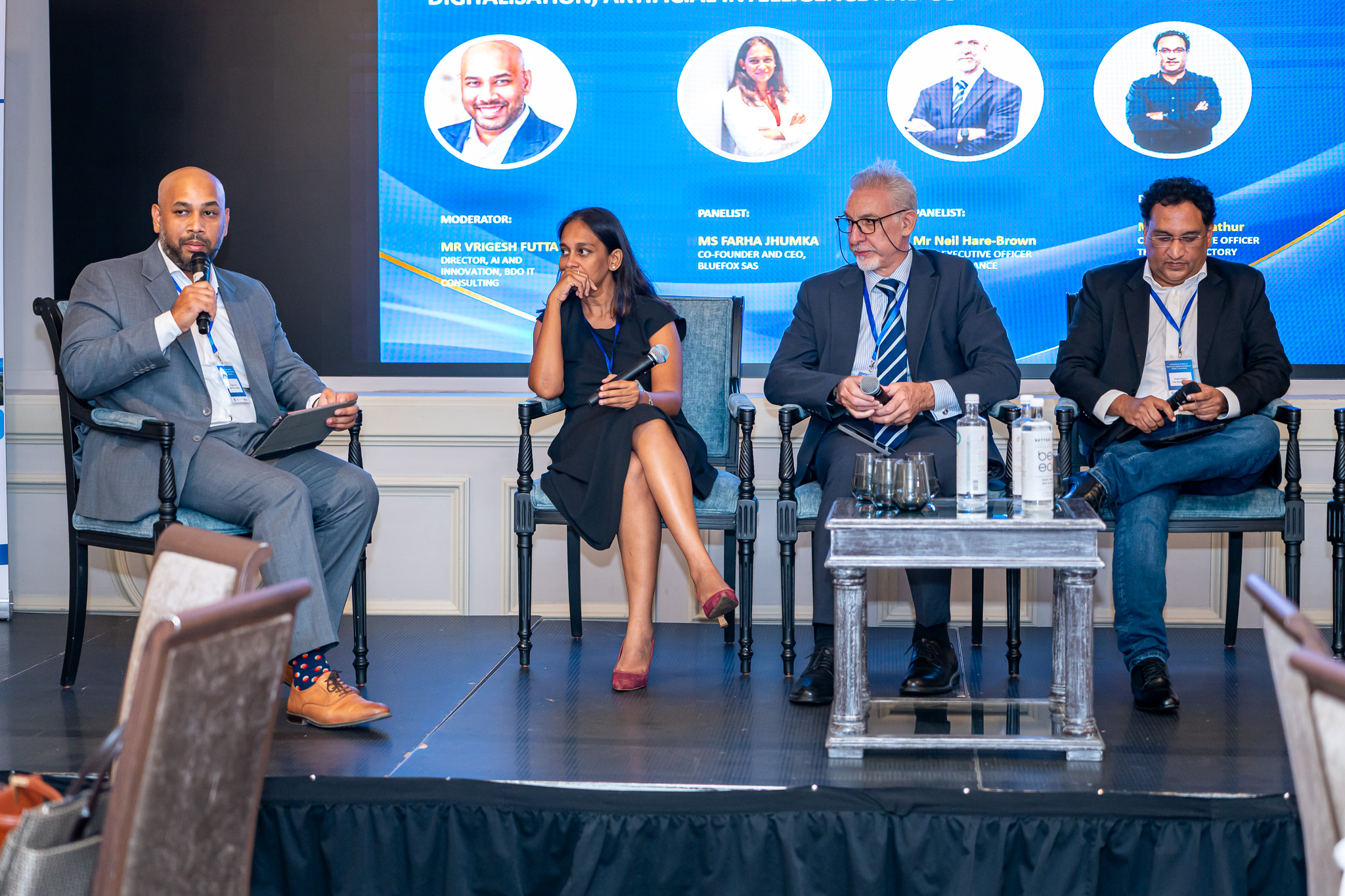
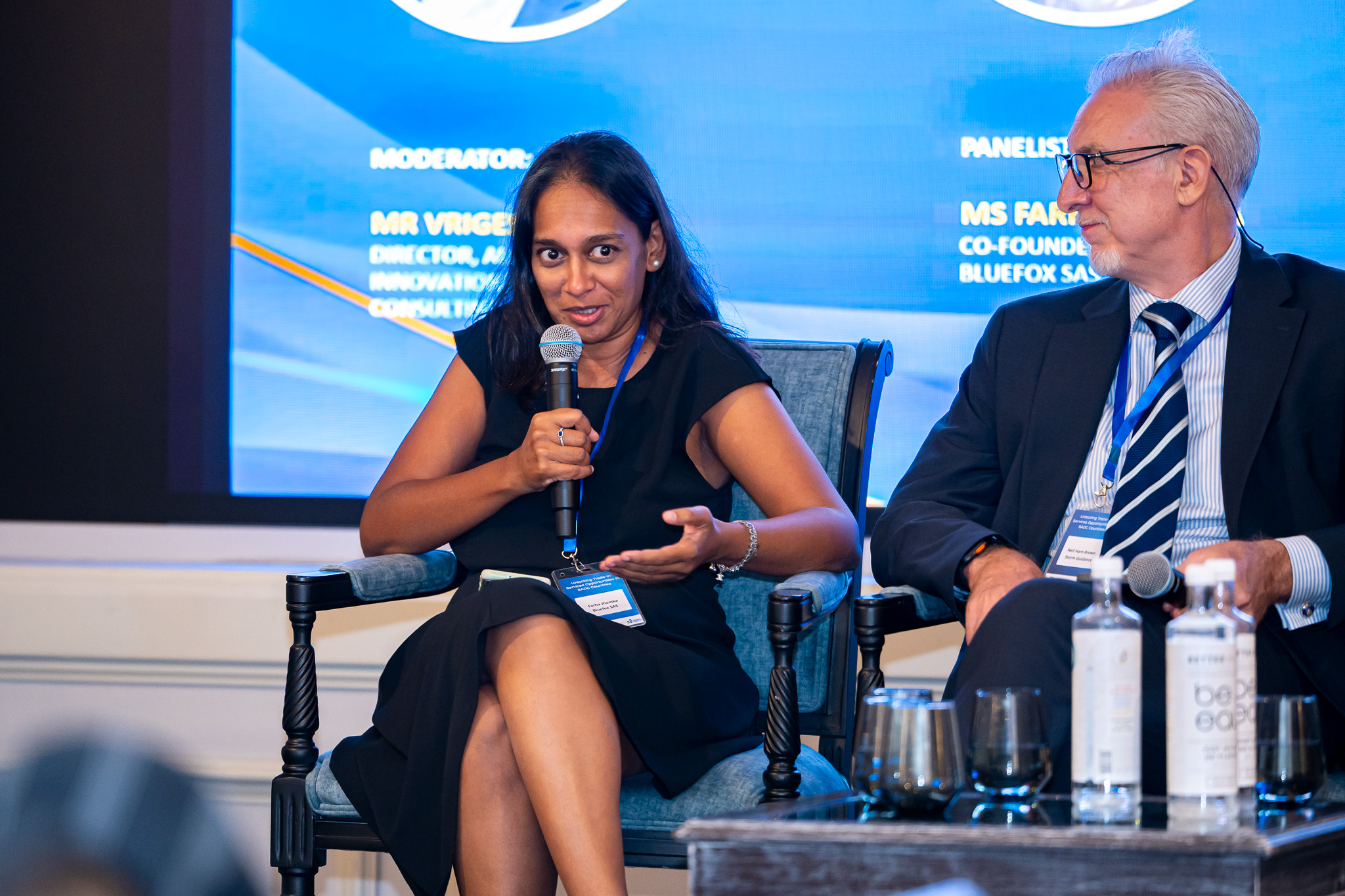
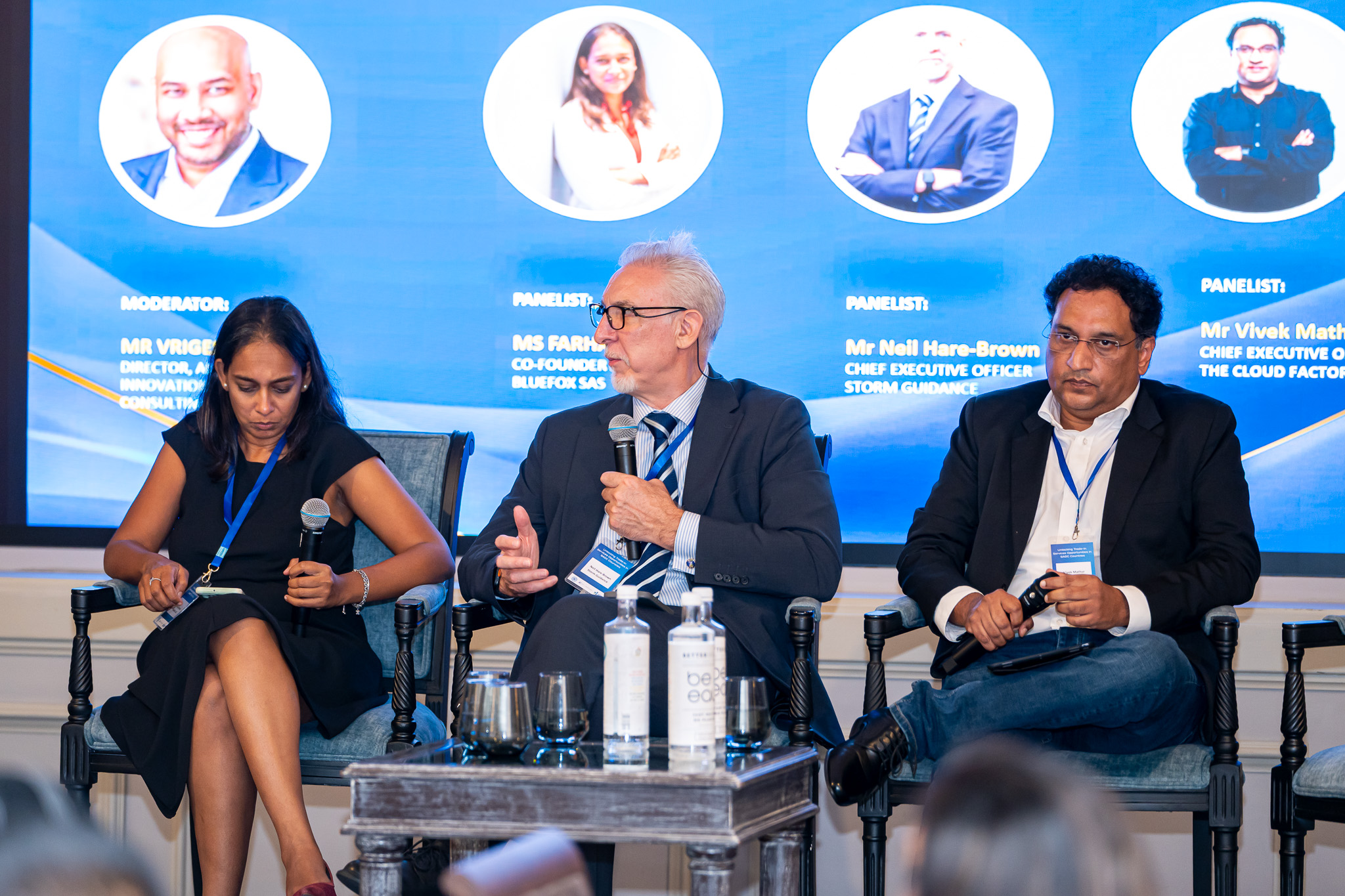
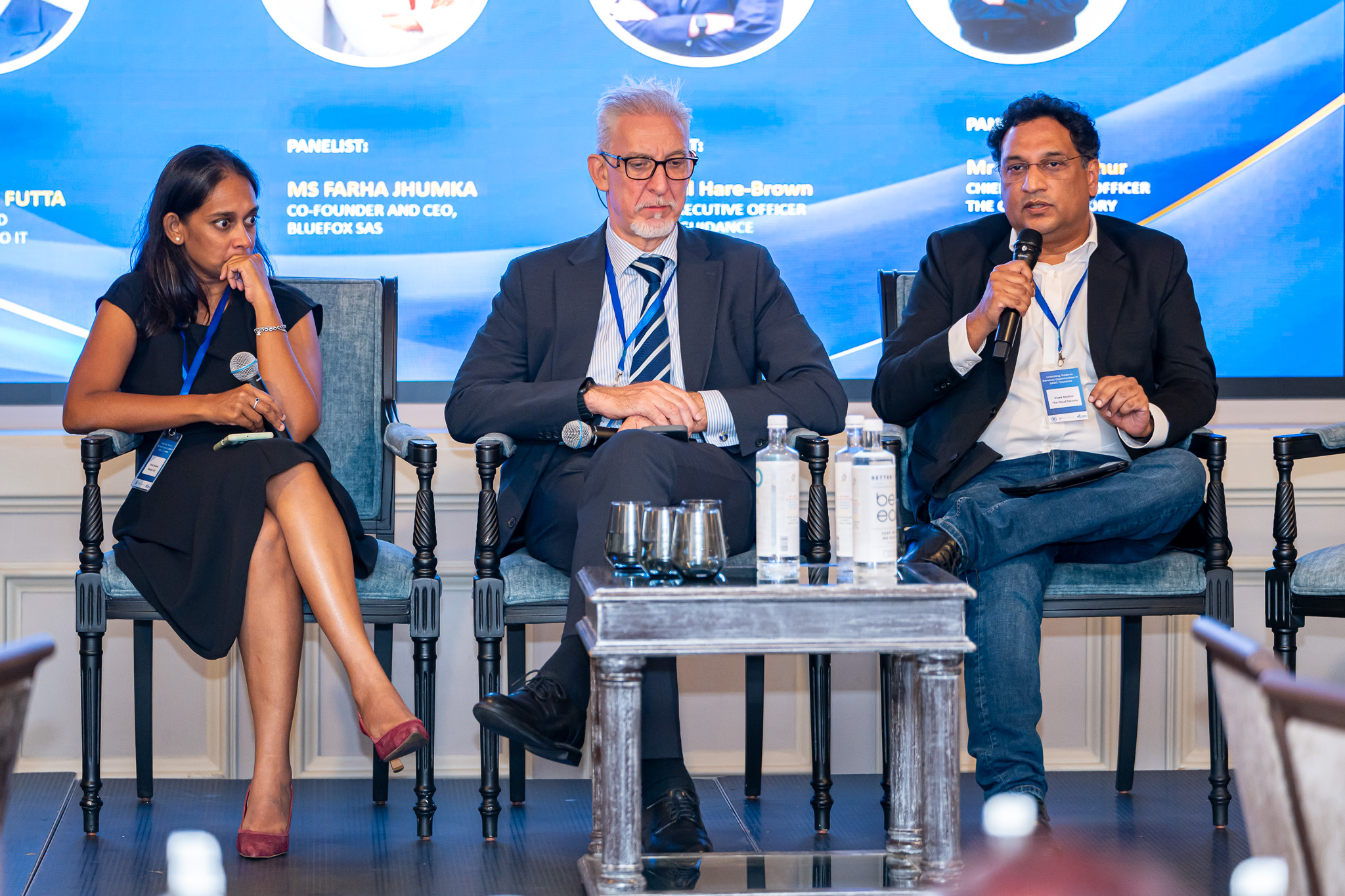
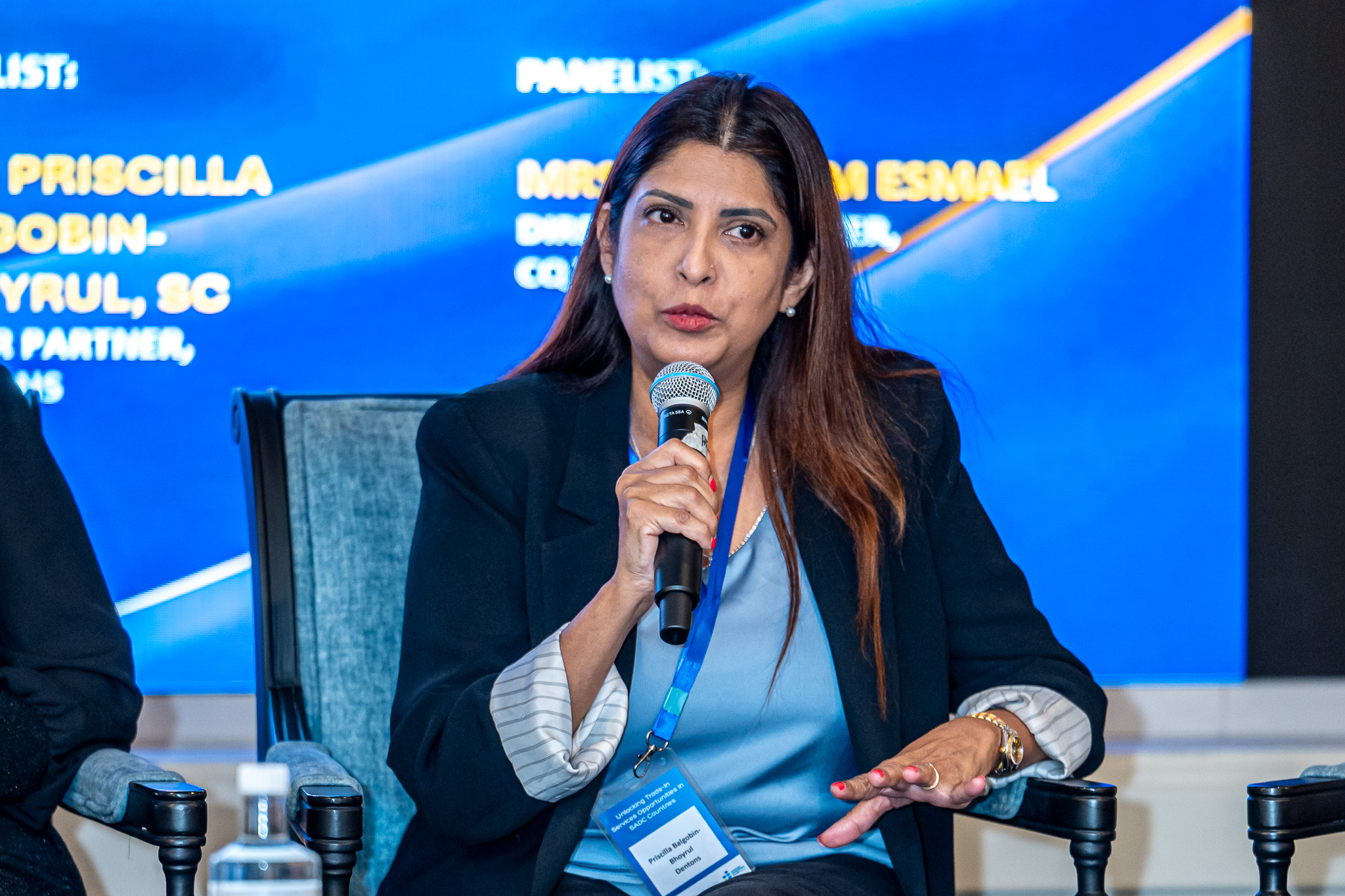
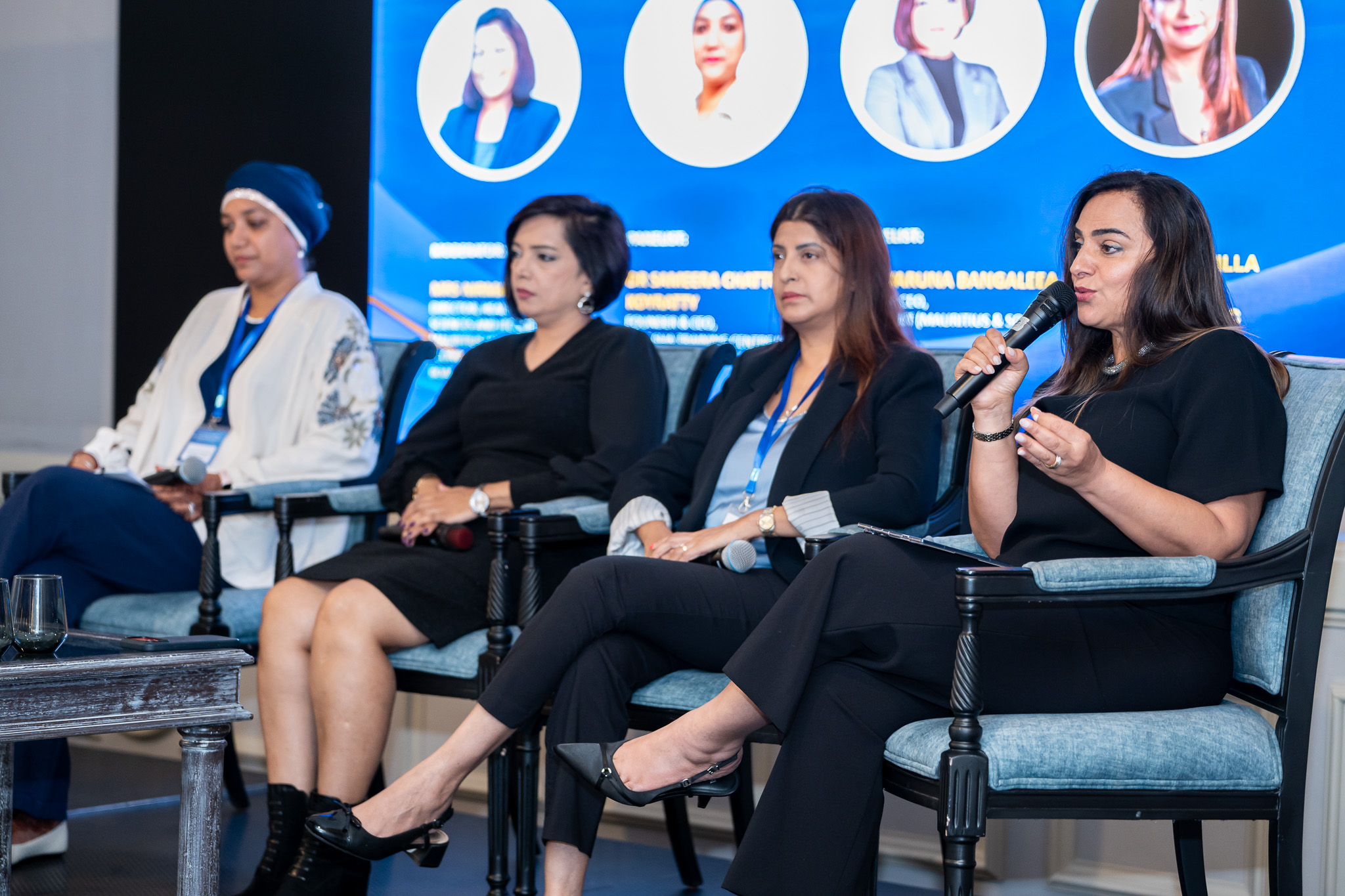
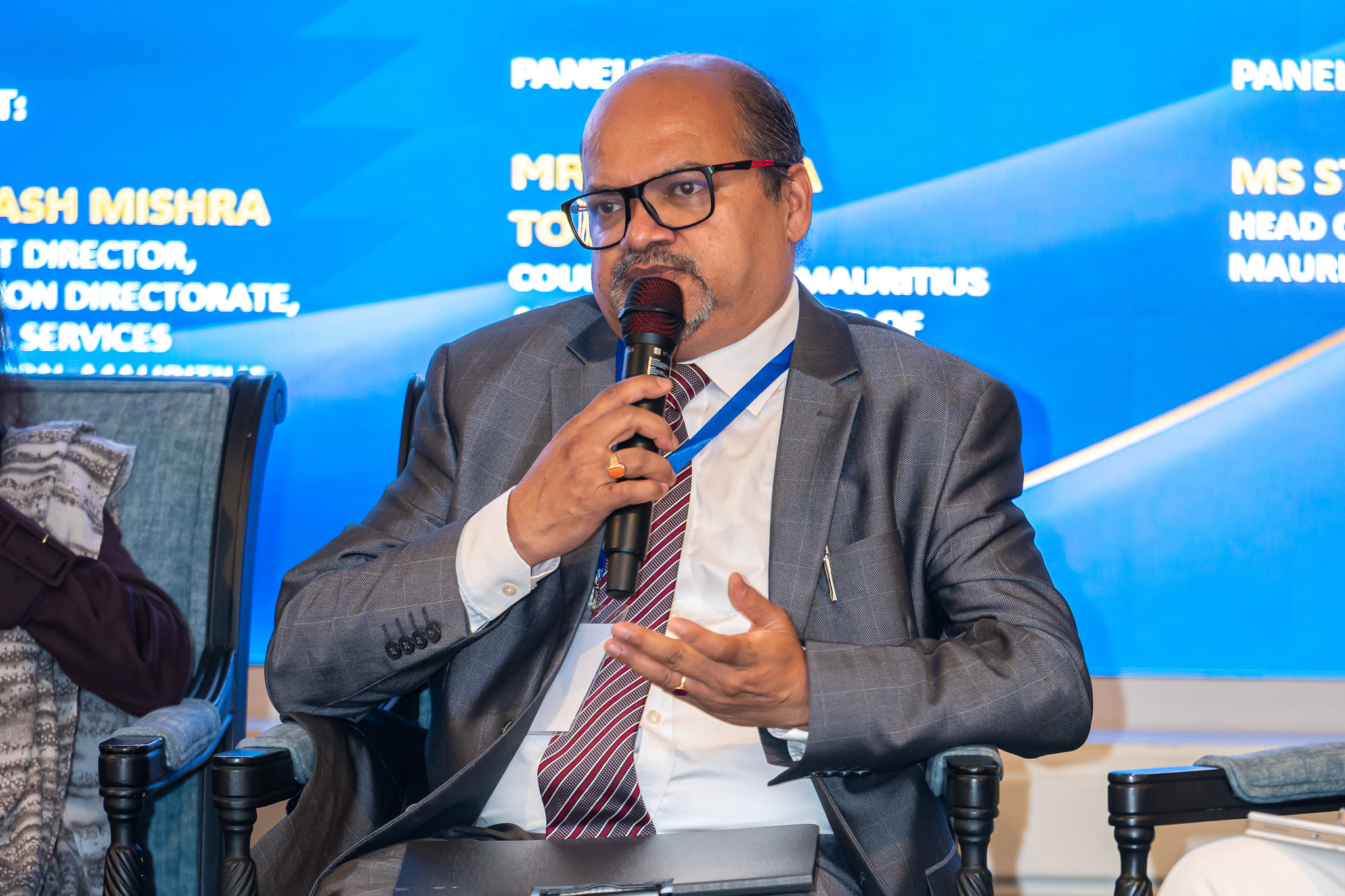
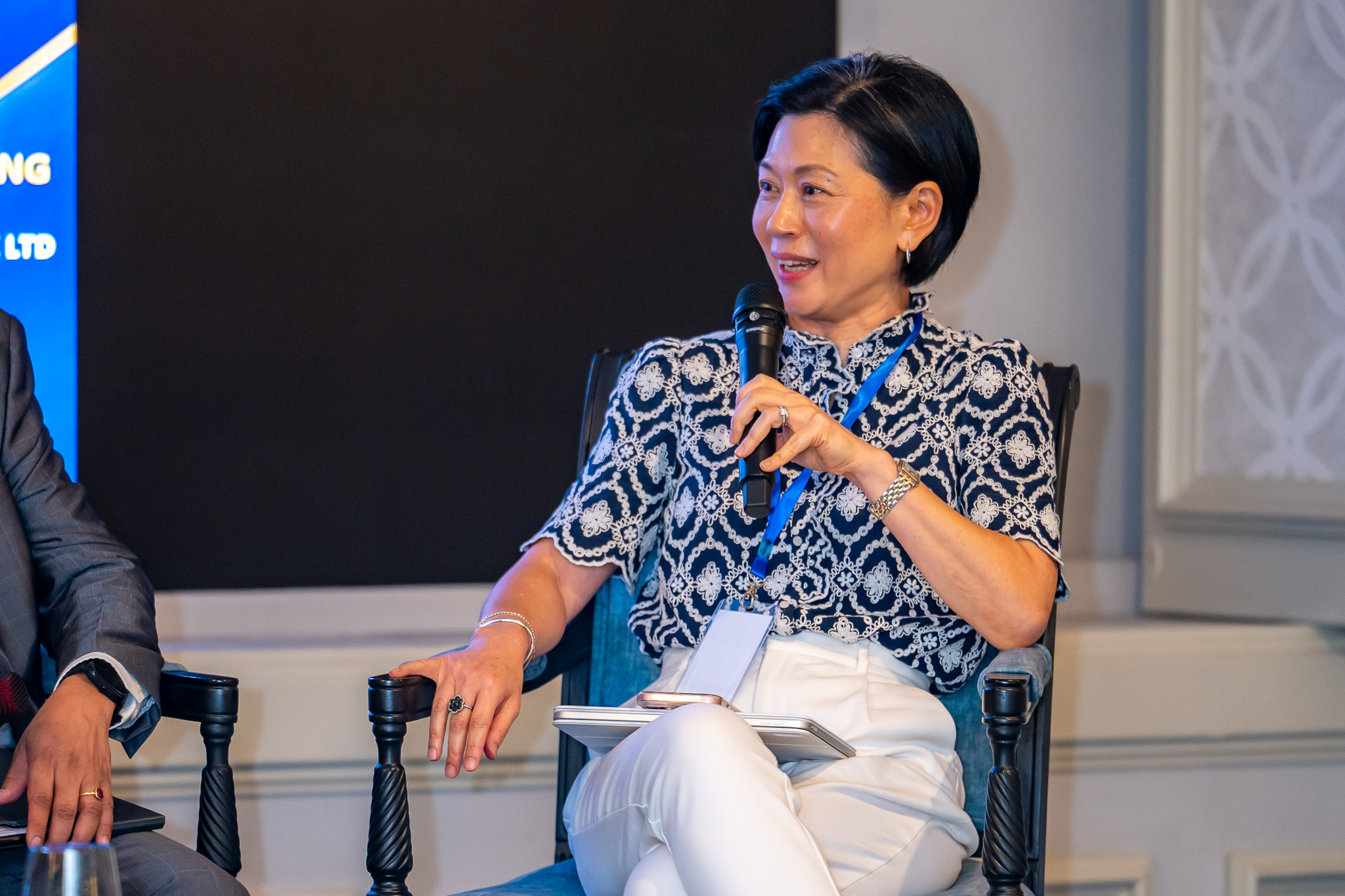
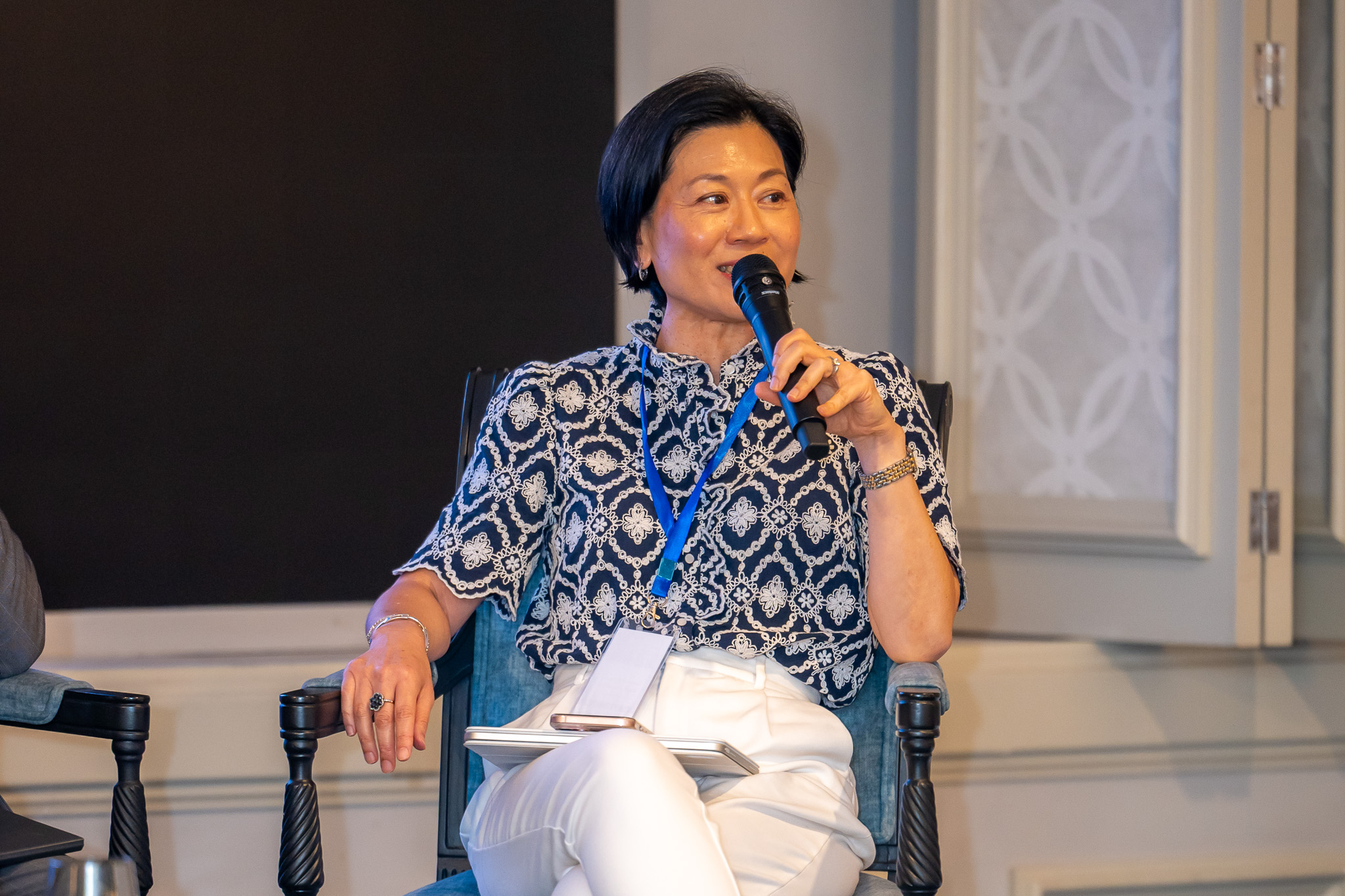
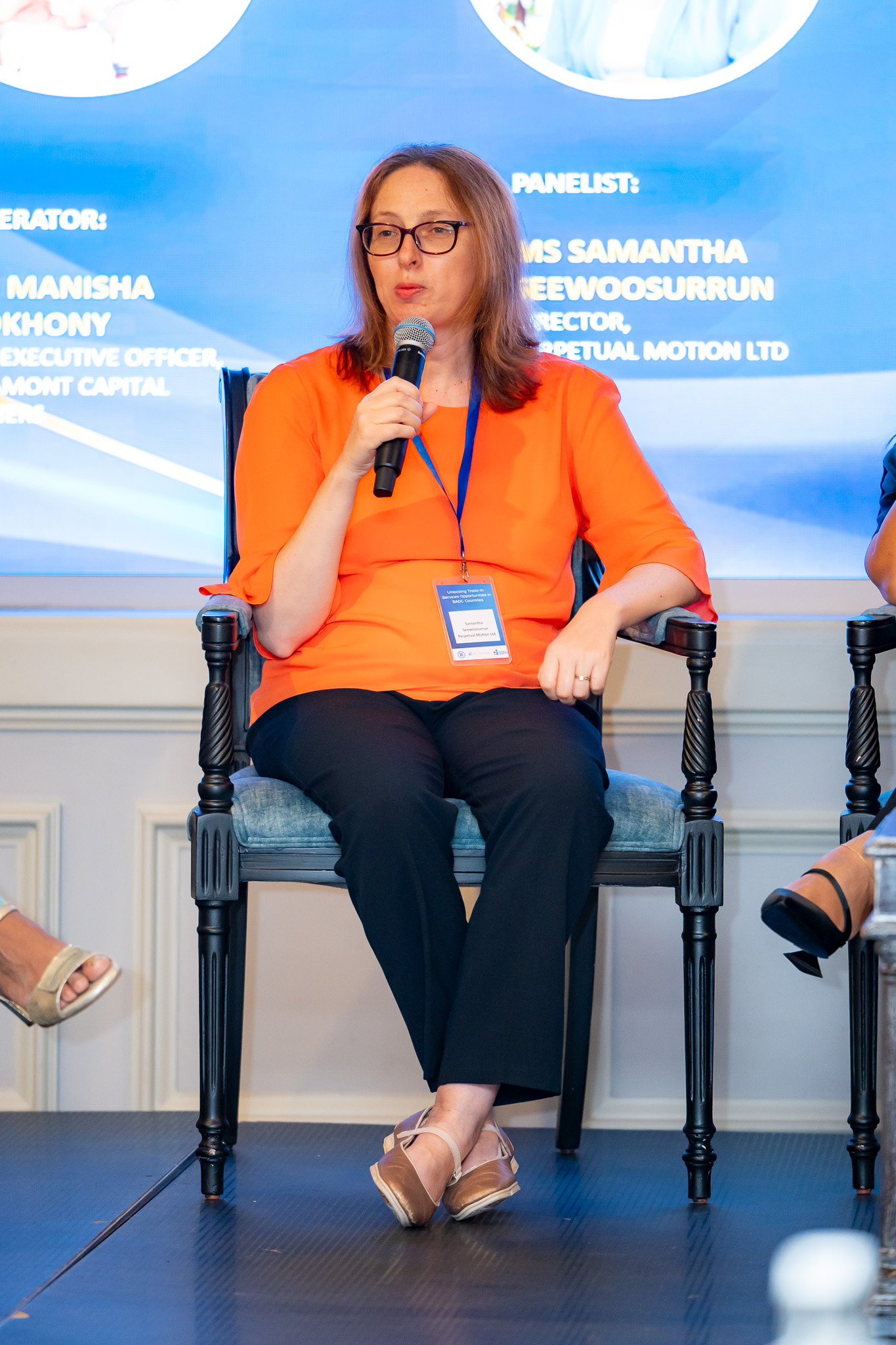
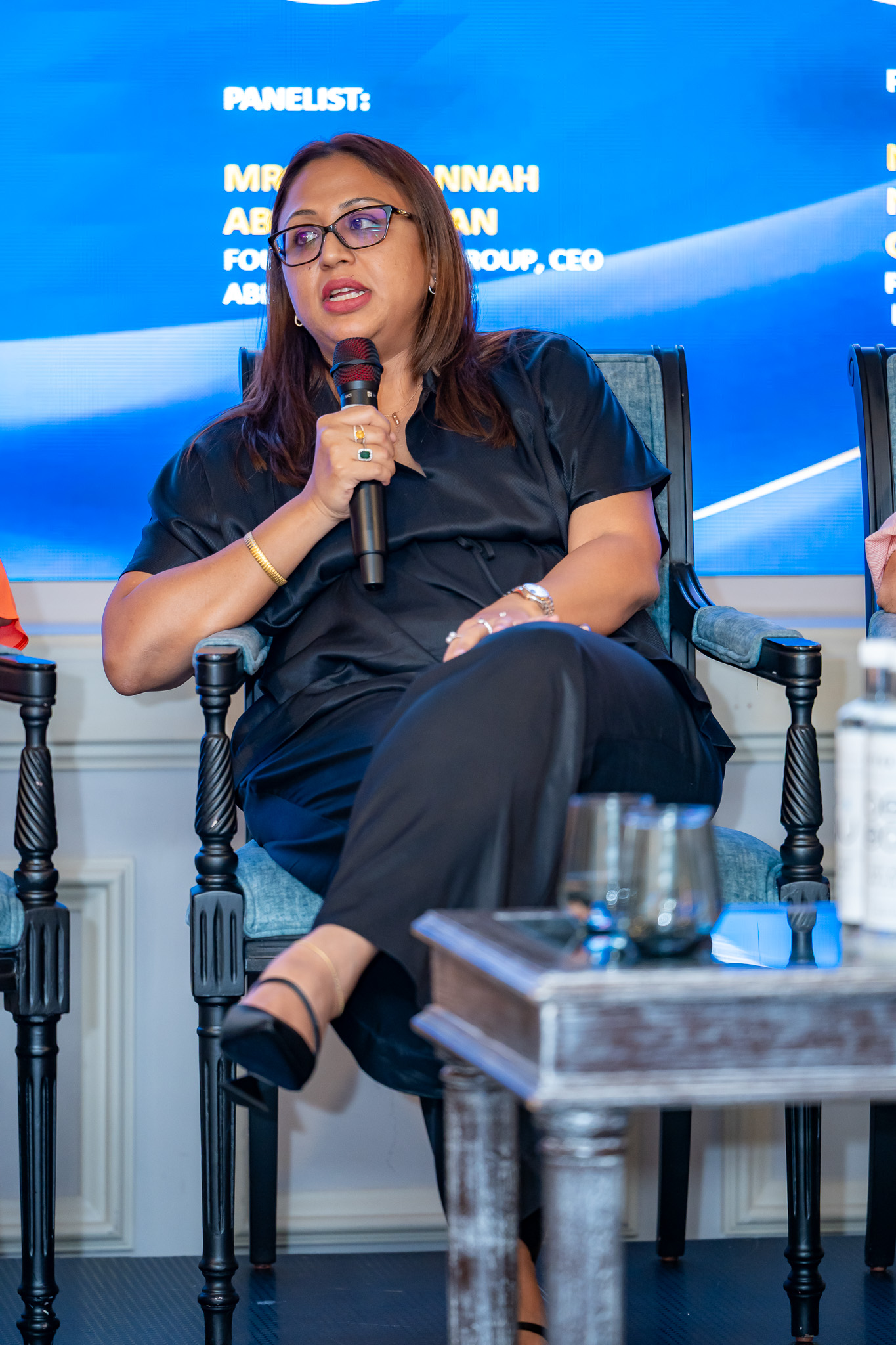
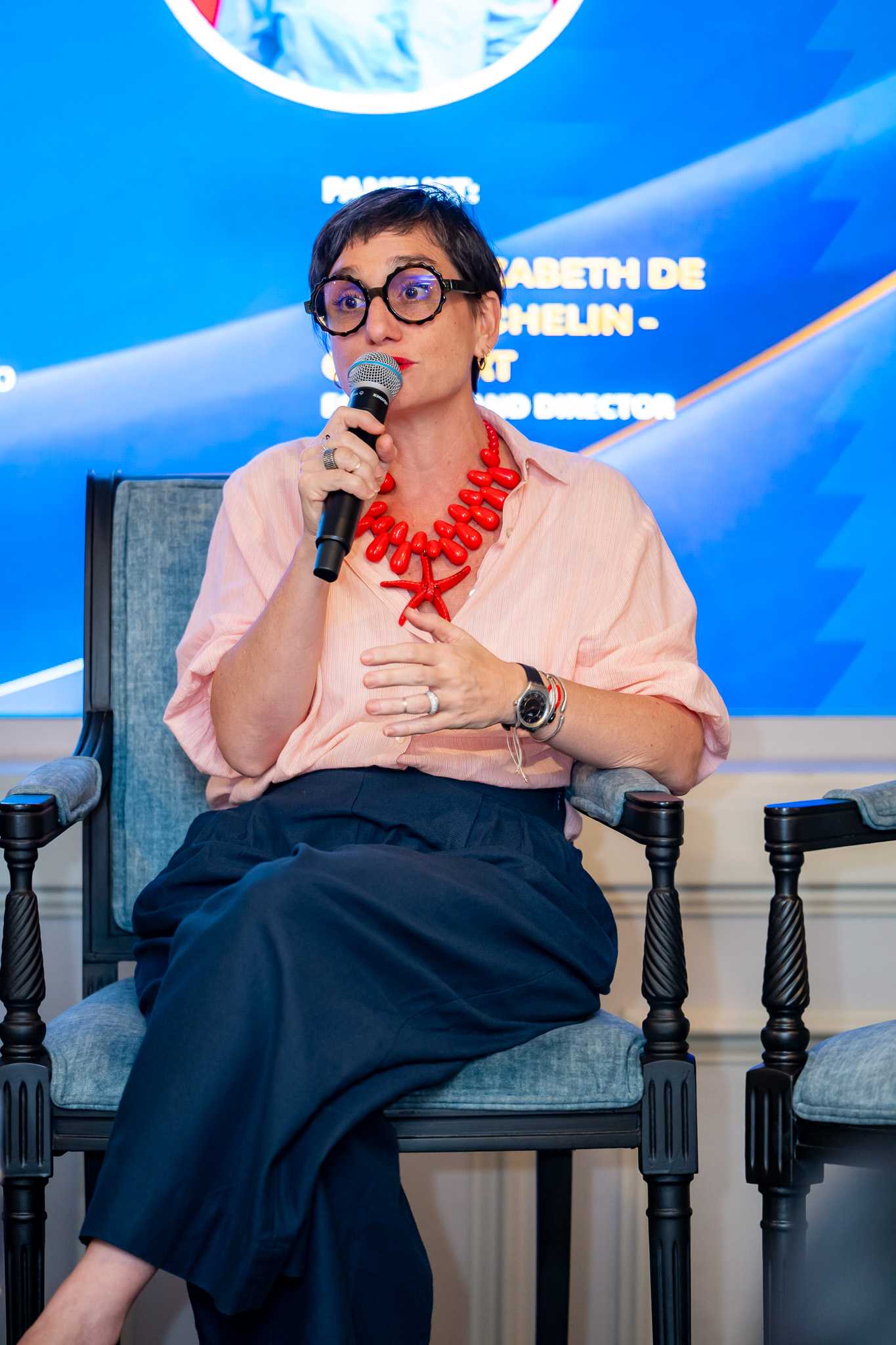
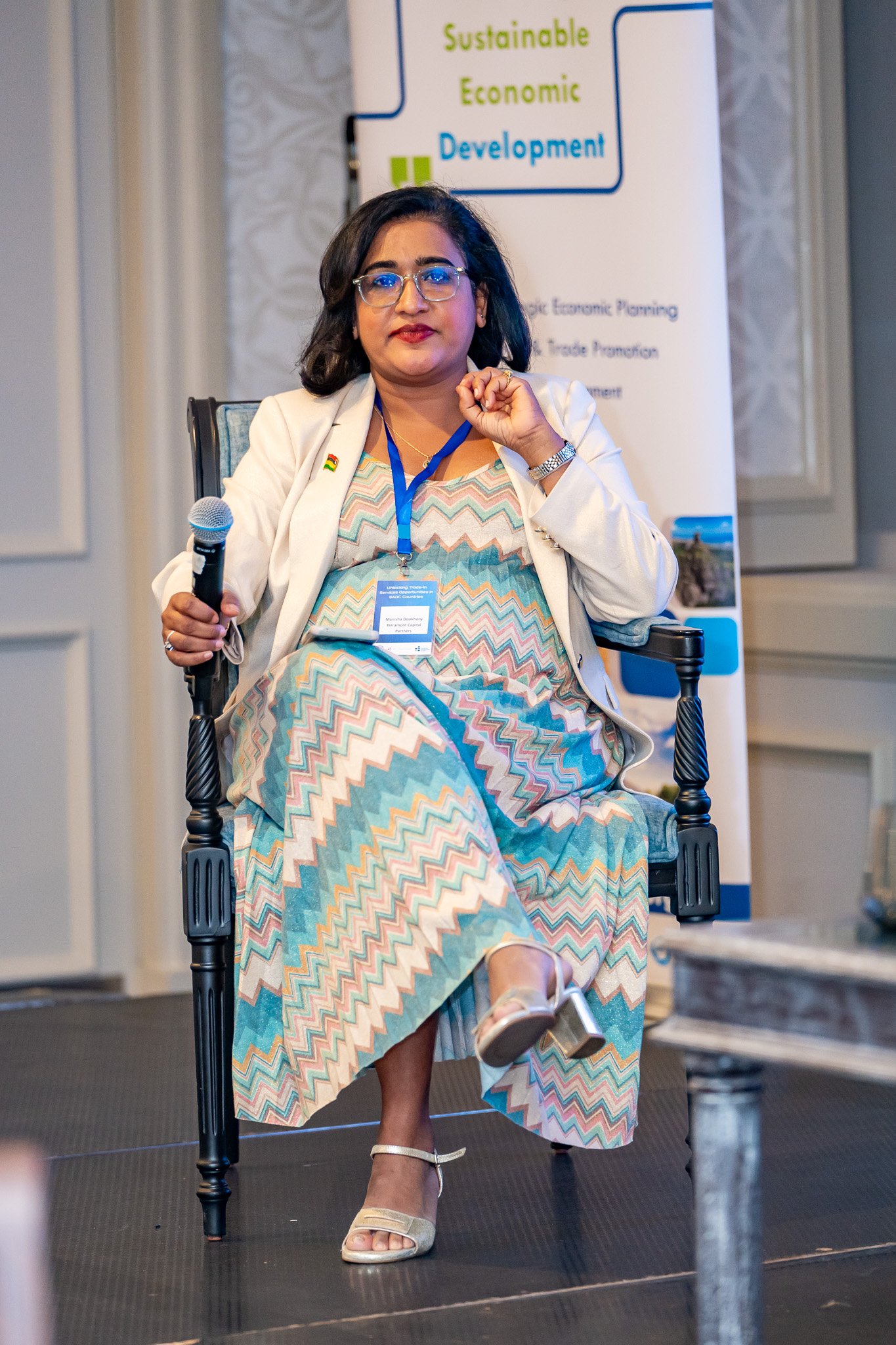
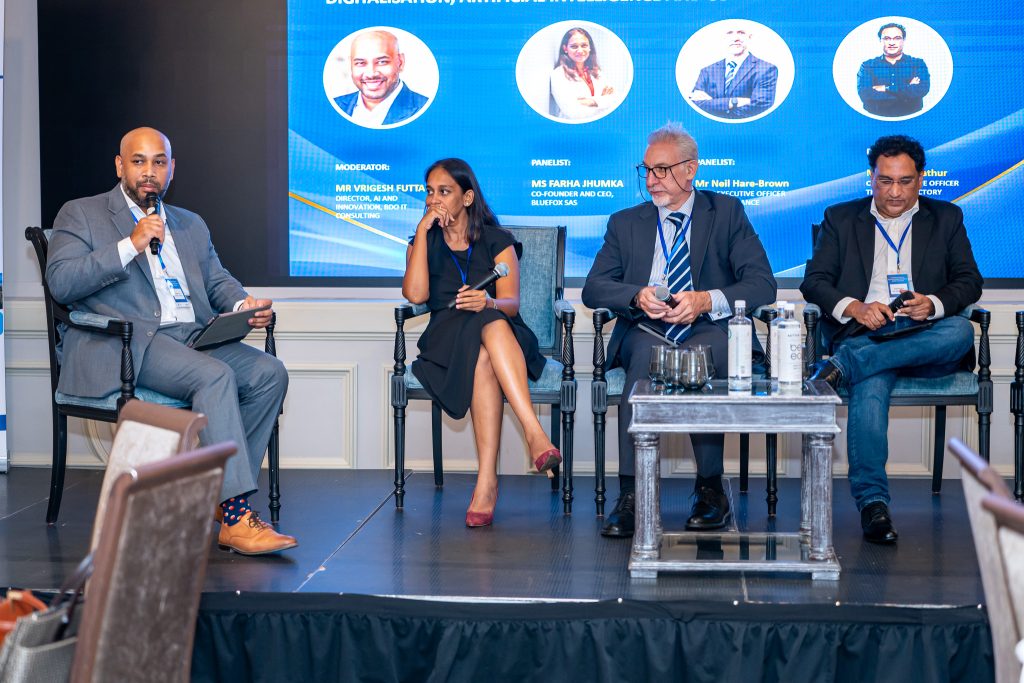
Day 1 ended with a dynamic panel discussion on digitalization, artificial intelligence, and competitiveness in services trade. The session brought together industry leaders, and the discussion underscored how digital platforms and AI-driven solutions are transforming service delivery, enhancing efficiency, and enabling businesses to access regional and global markets. Panelists also highlighted the importance of innovation, digital skills development, and effective digital marketing strategies in strengthening competitiveness and supporting business growth in an increasingly digital economy.
The second day of the workshop focused on translating knowledge into practice, offering participants real-world insights, innovative solutions, and strategies to strengthen their position in international services markets.
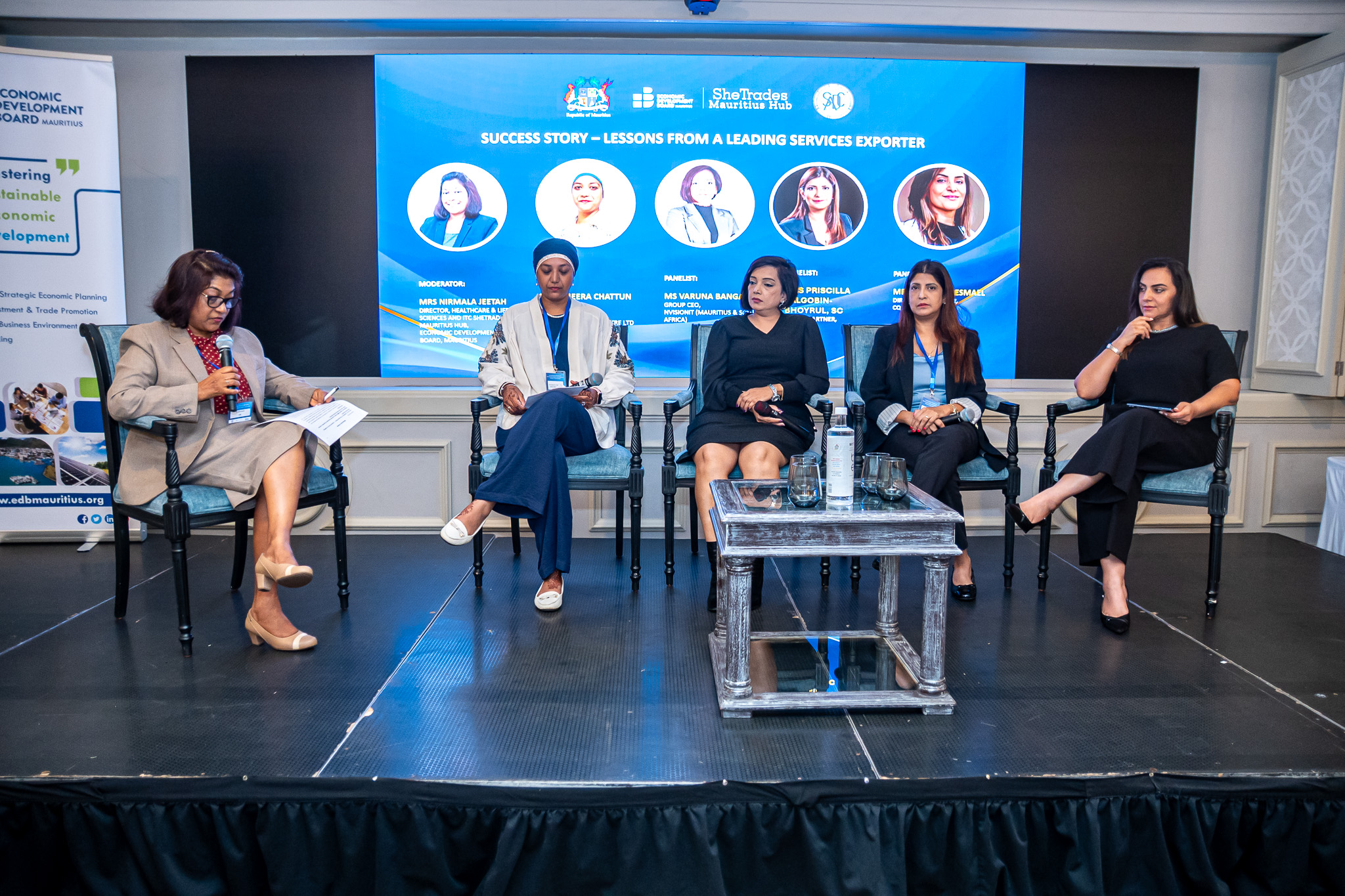
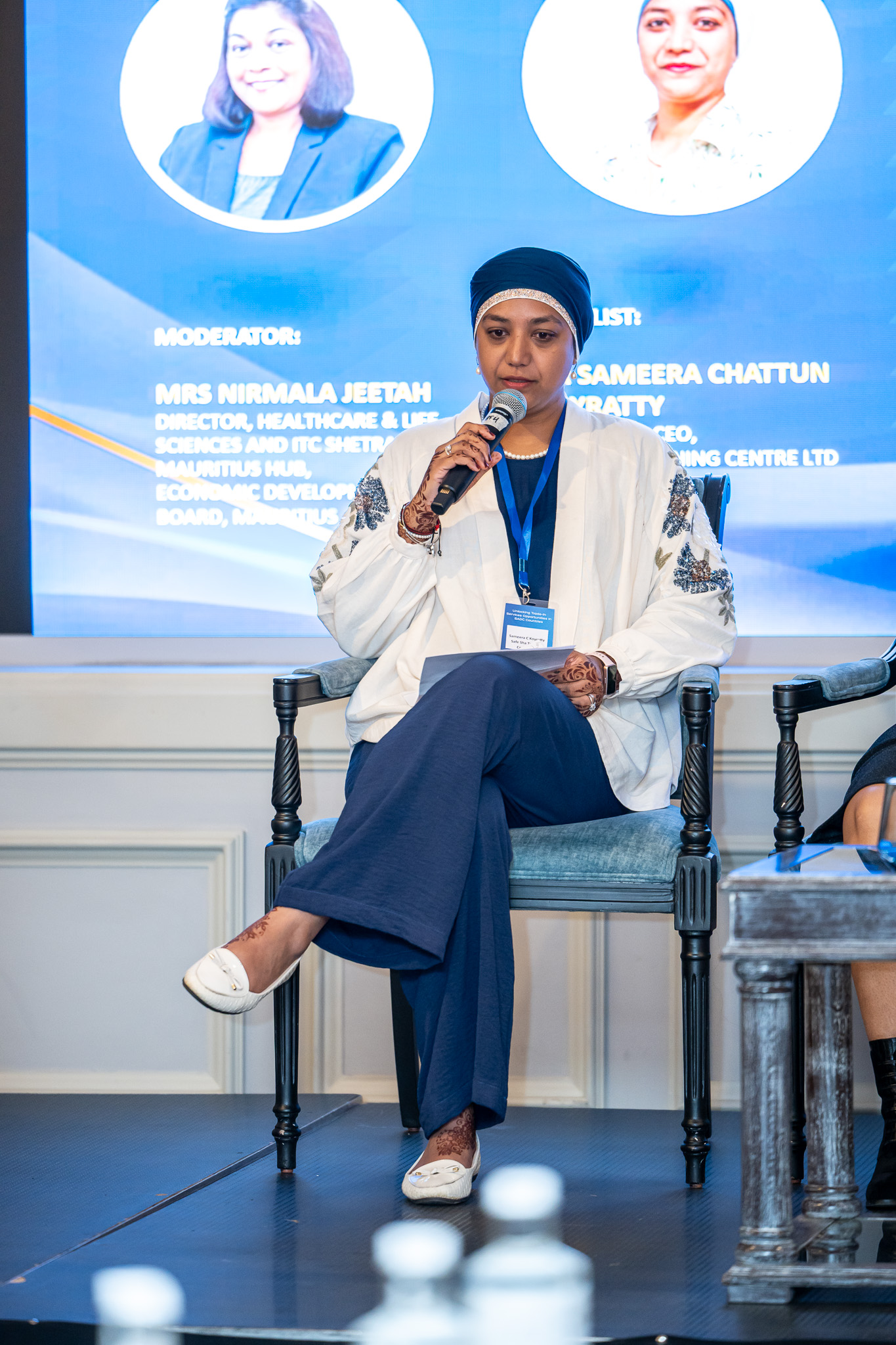
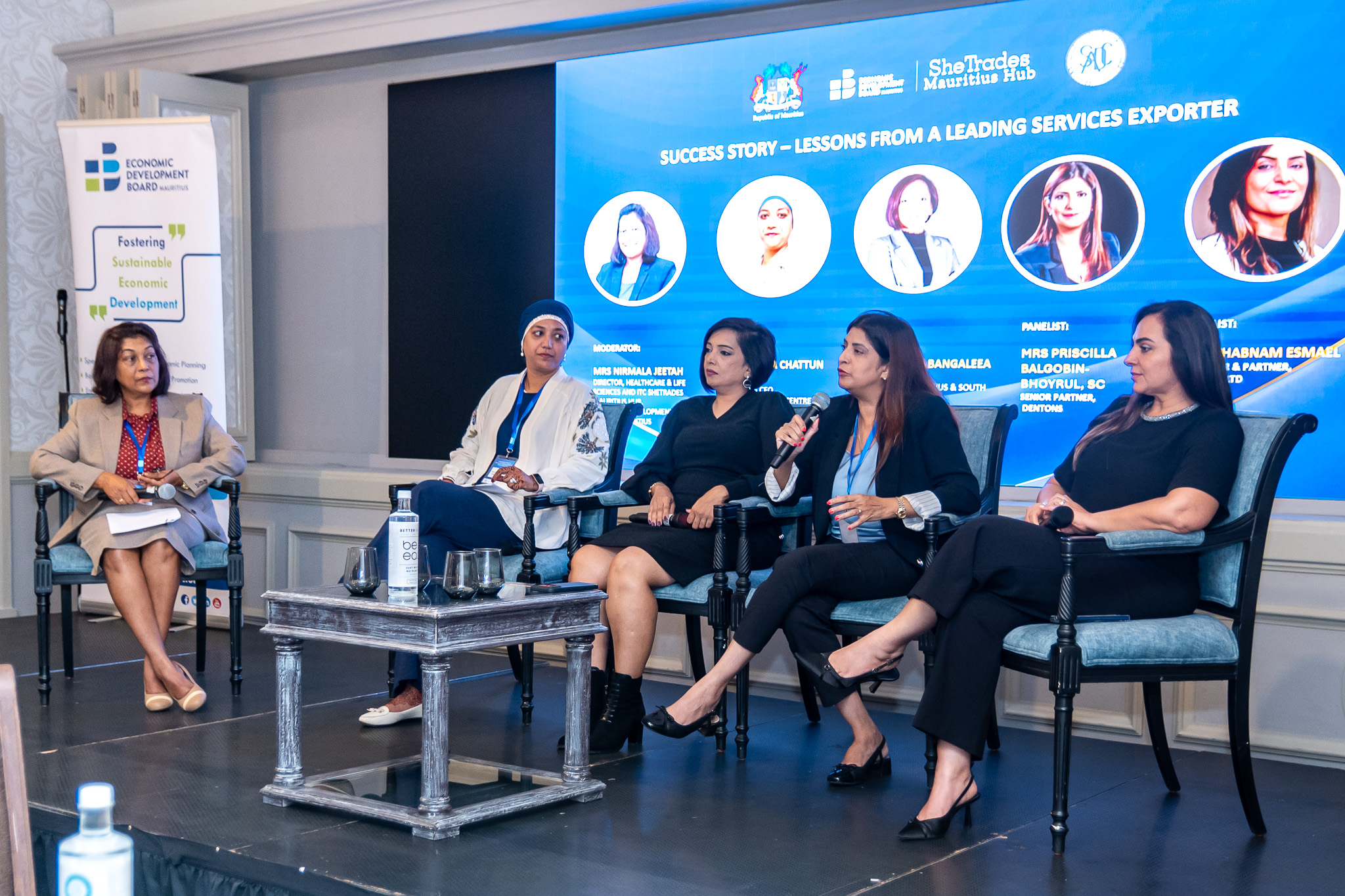
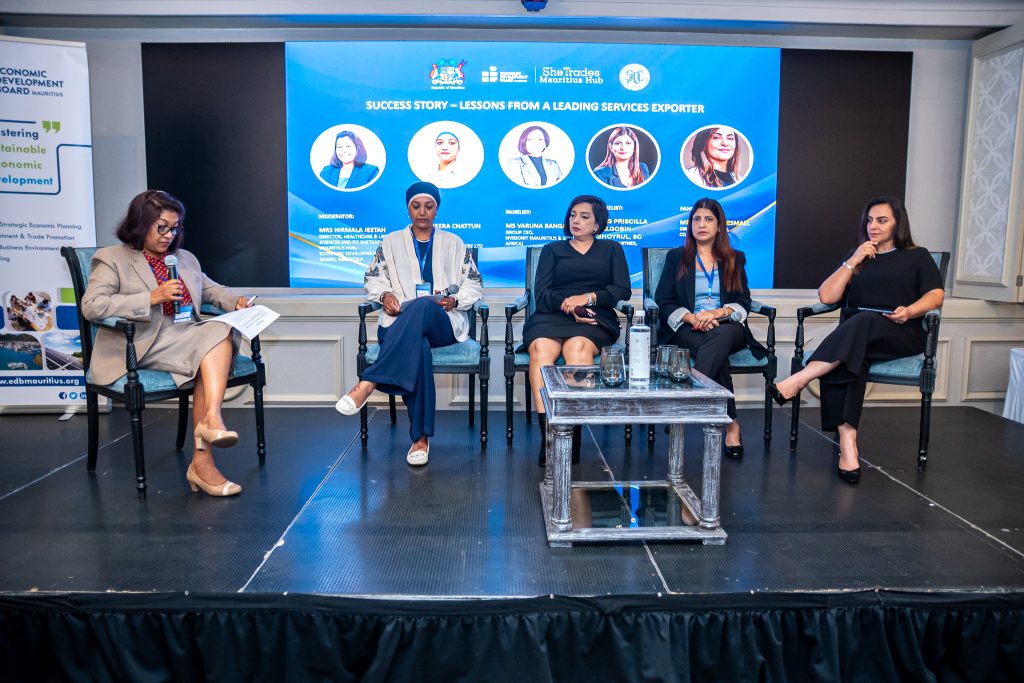
The day began with an inspiring session where successful Mauritian services exporters shared their experiences of entering and expanding into regional and global markets. Discussions highlighted key success factors, including the ability to identify target markets, build strong international networks, and navigate regulatory and procedural challenges. Emphasis was also placed on the importance of branding, credibility, and building client trust, as well as ongoing regional initiatives aimed at addressing barriers to trade in services. Participants also gained from practical tips to engage in exporting services.
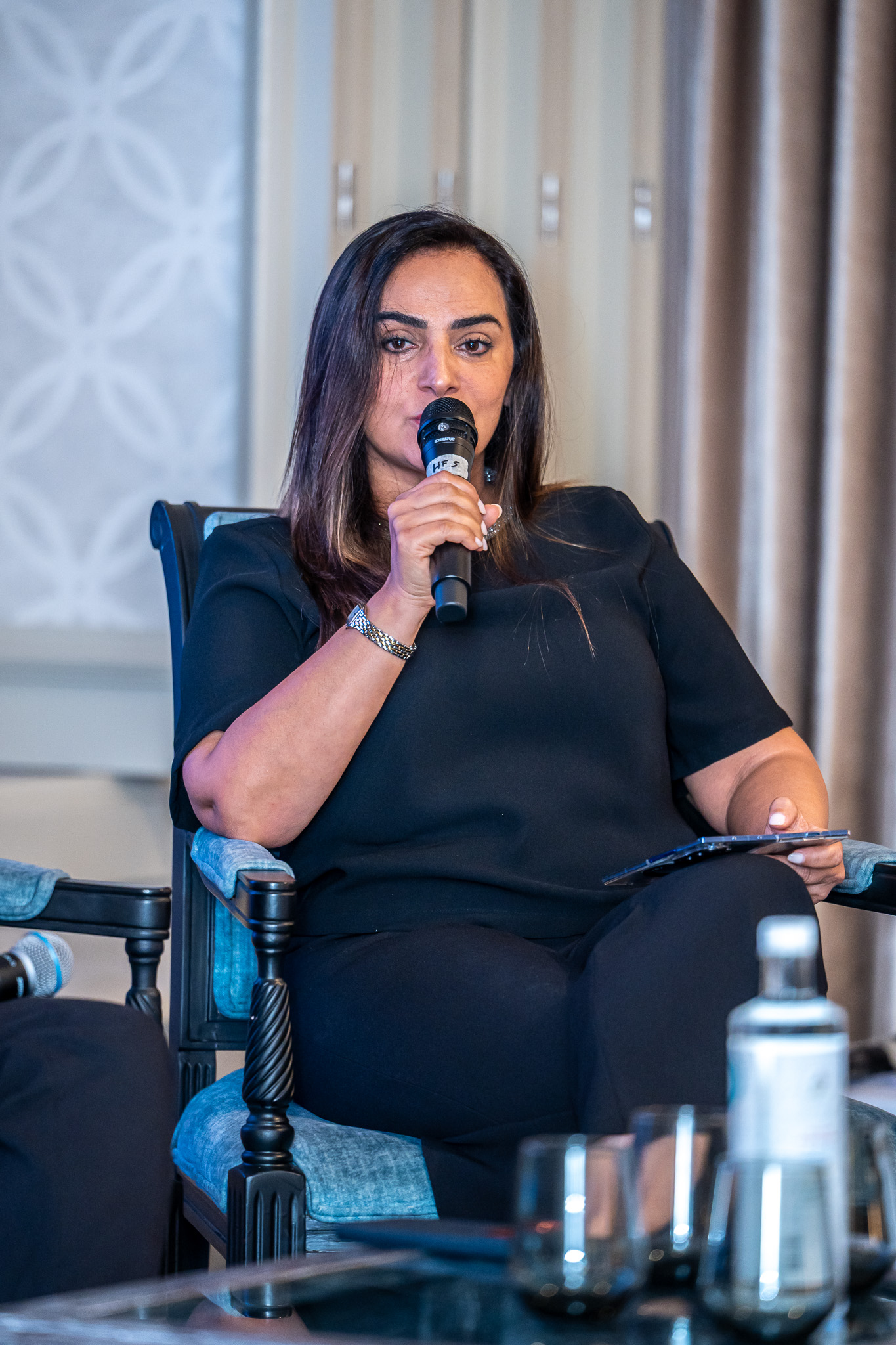
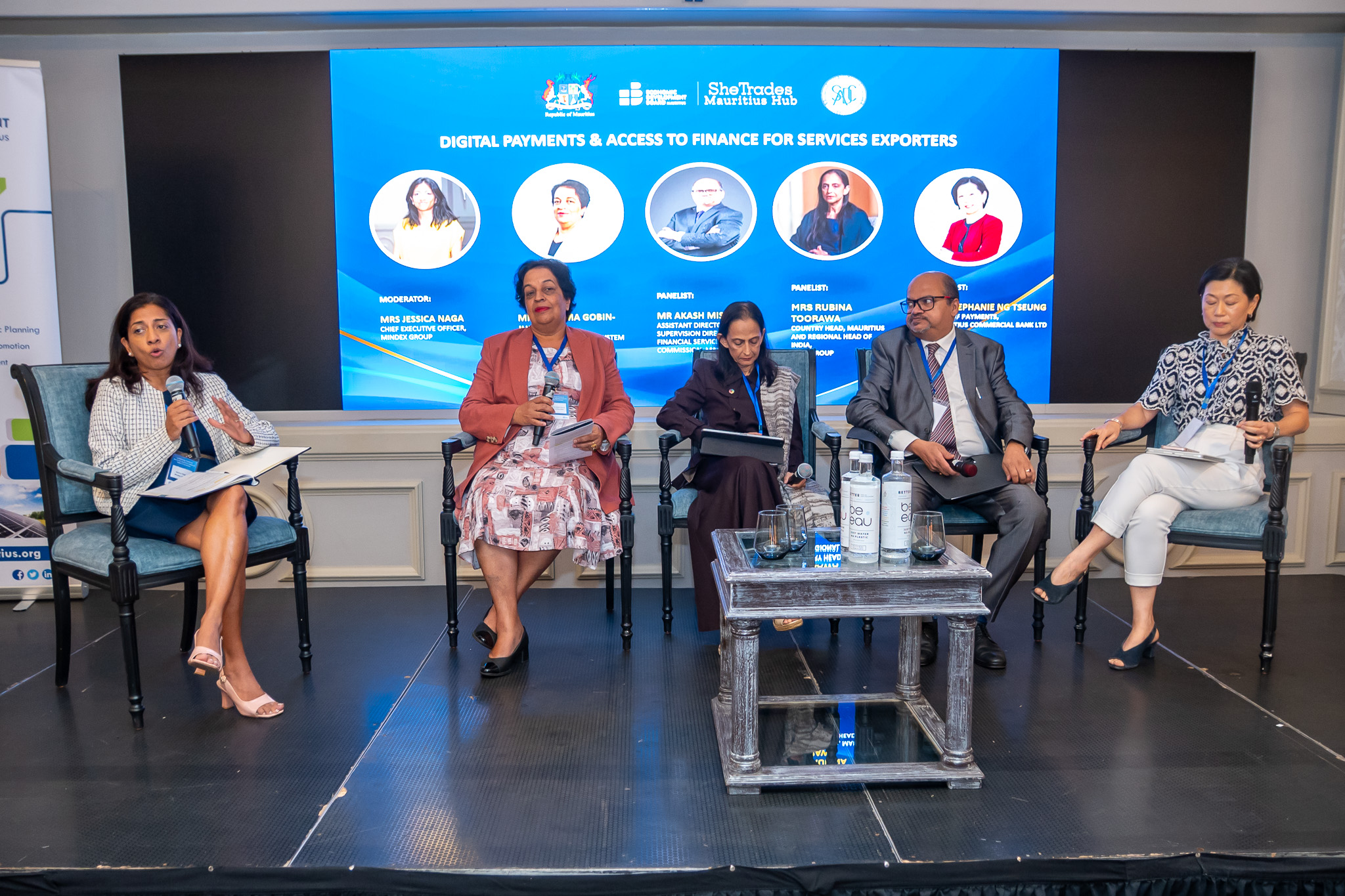
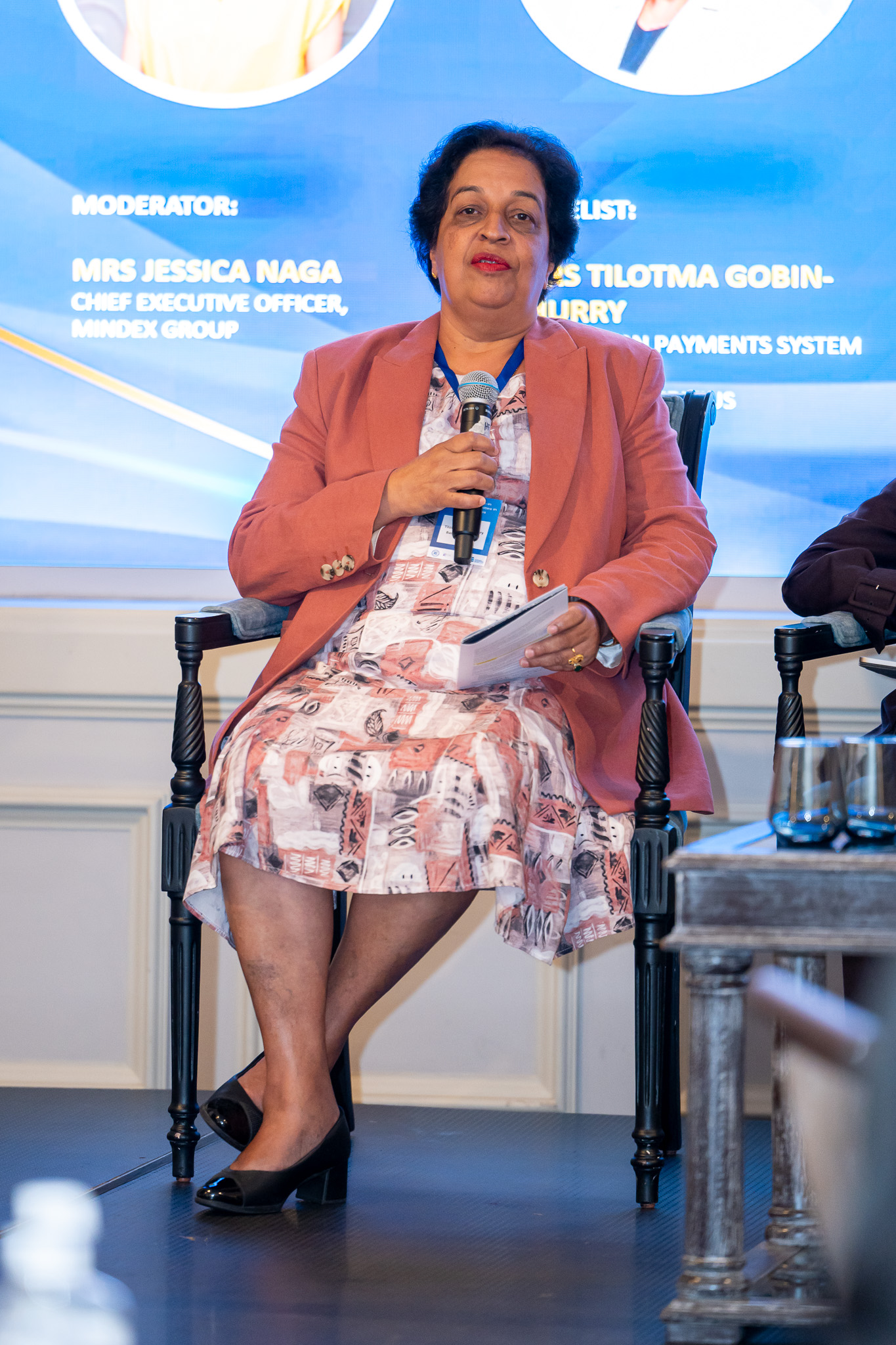
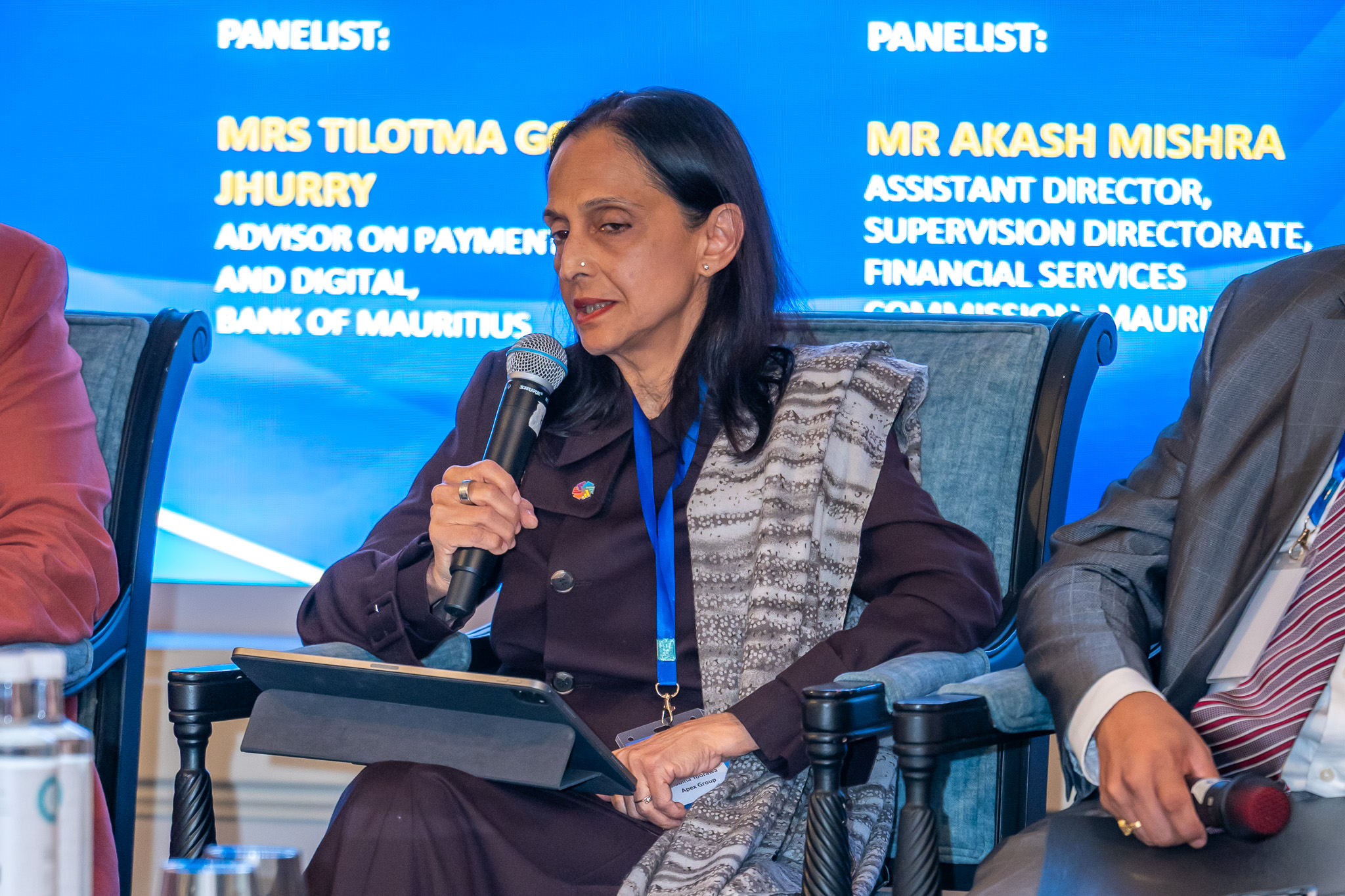
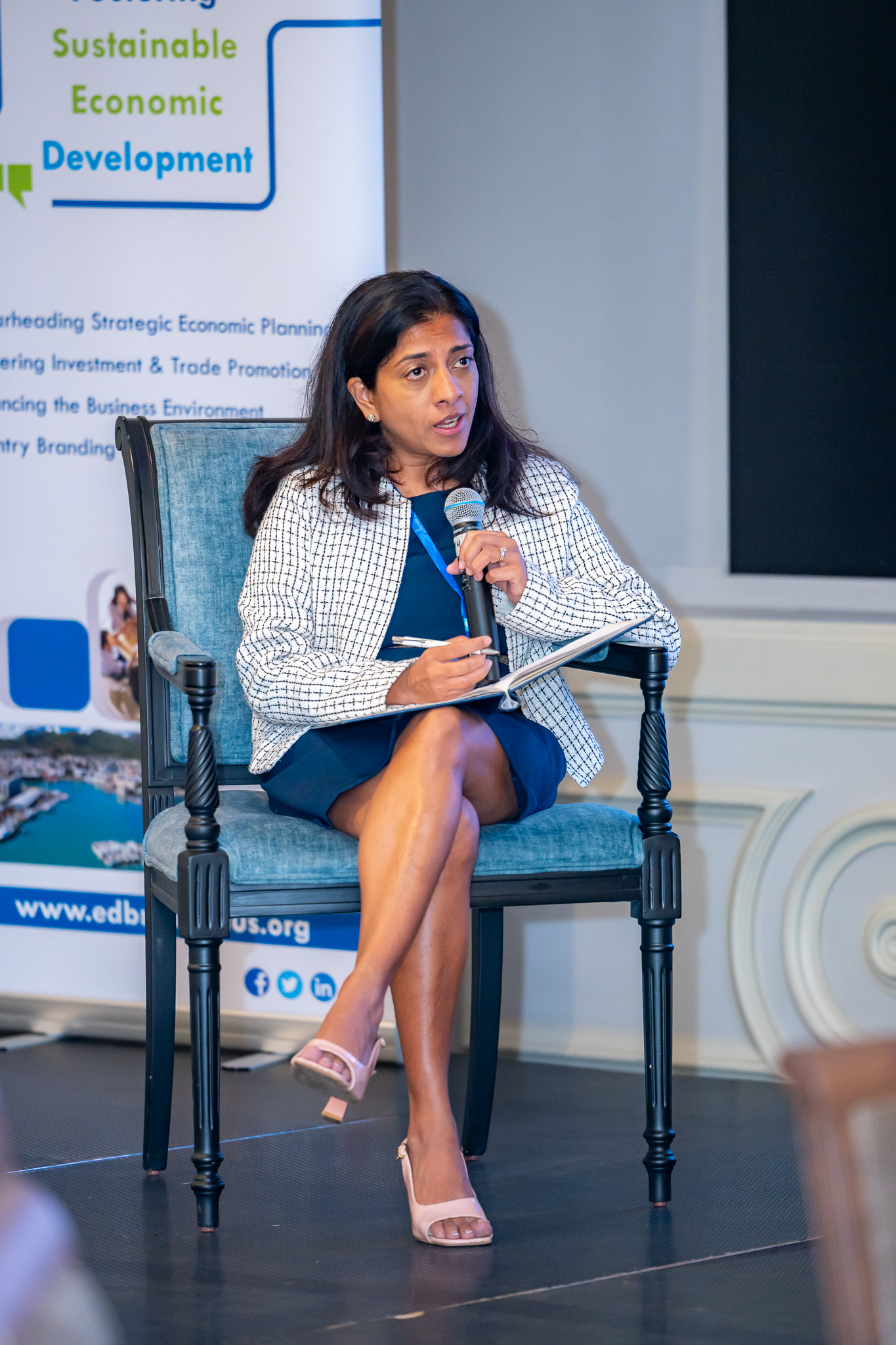
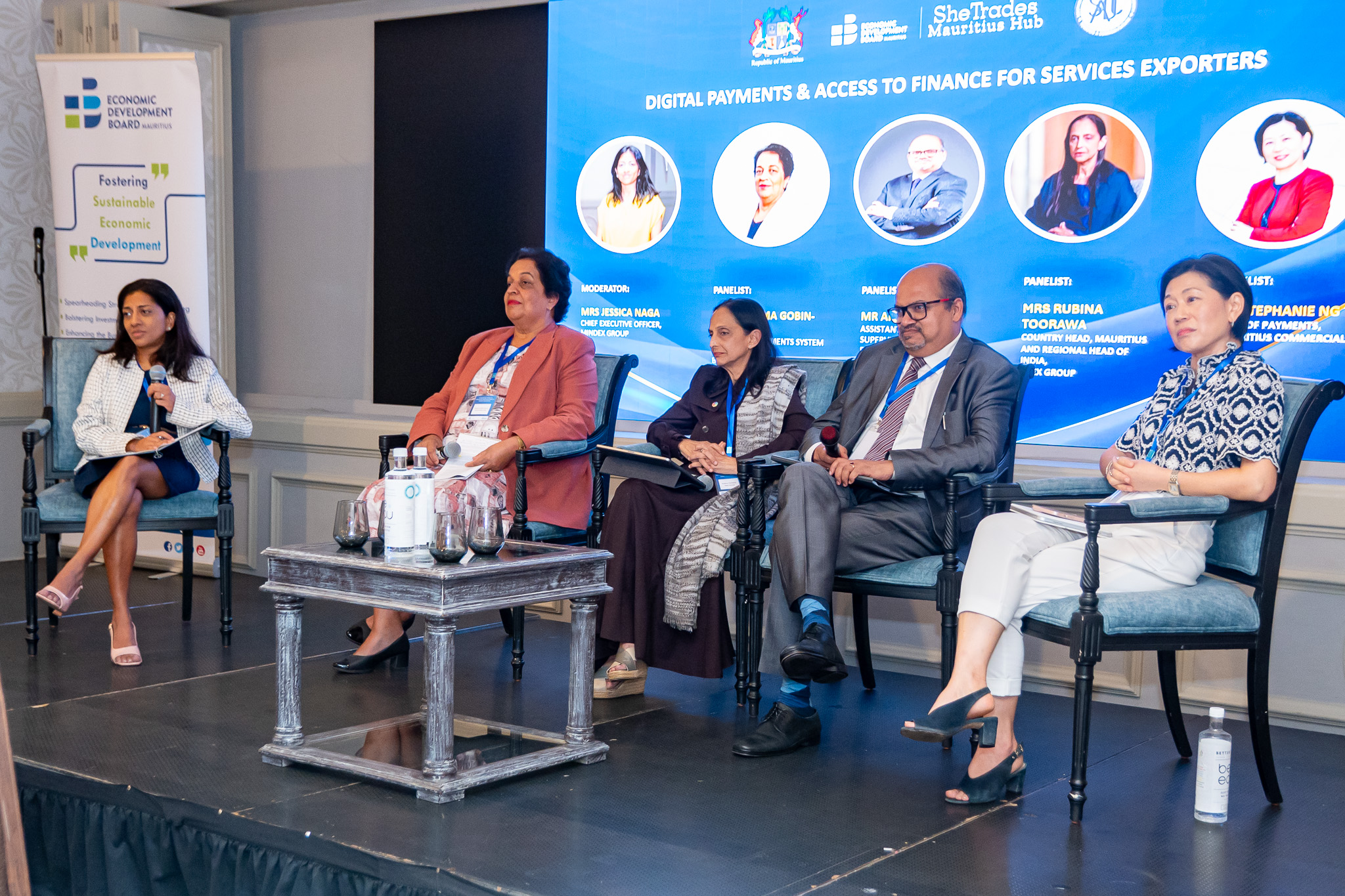
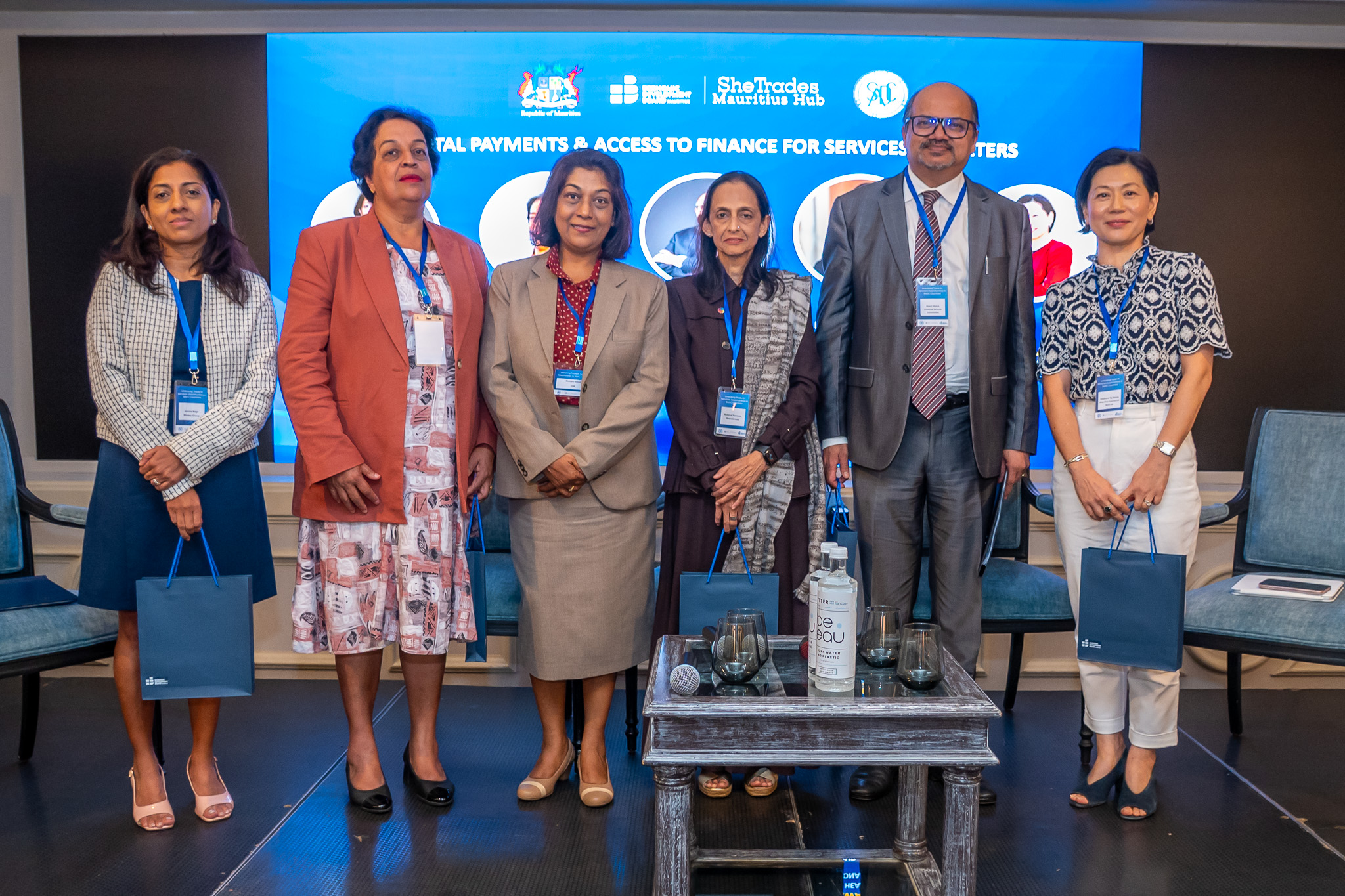
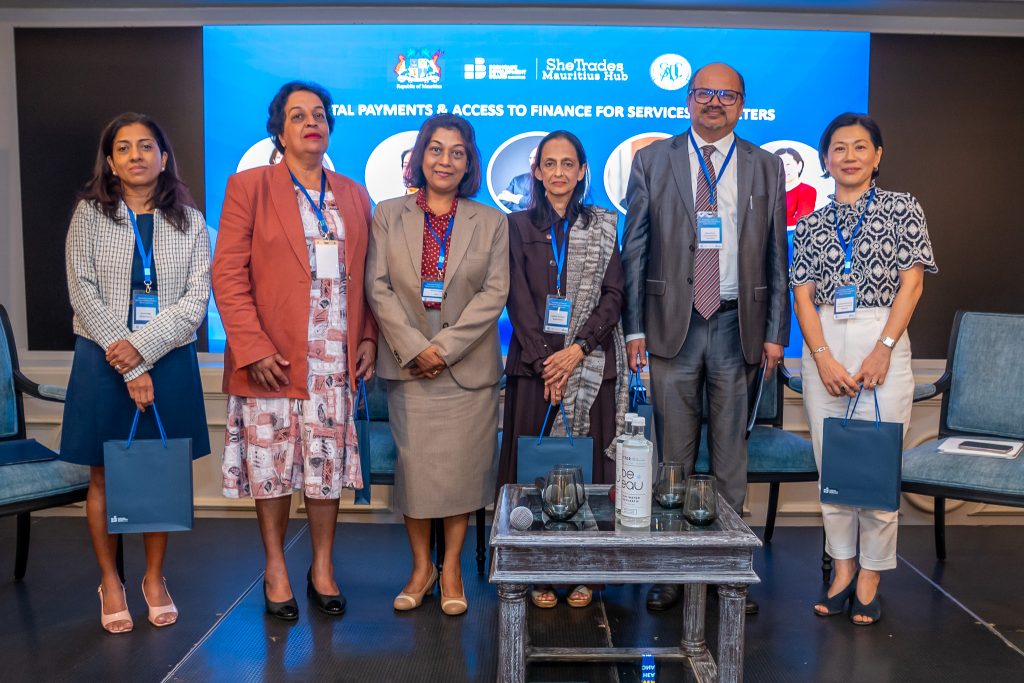
This was followed by a high-level panel discussion on digital payments and access to finance, which addressed one of the most critical enablers of cross-border services trade. Panelists explored innovative solutions to overcome challenges such as high transaction costs, currency volatility, and settlement delays. The discussion underscored the growing role of mobile money, fintech solutions, and emerging instruments such as stablecoins in facilitating efficient cross-border transactions. The importance of collaboration between regulators, financial institutions, and private sector actors was also highlighted as key to strengthening Africa’s global competitiveness.
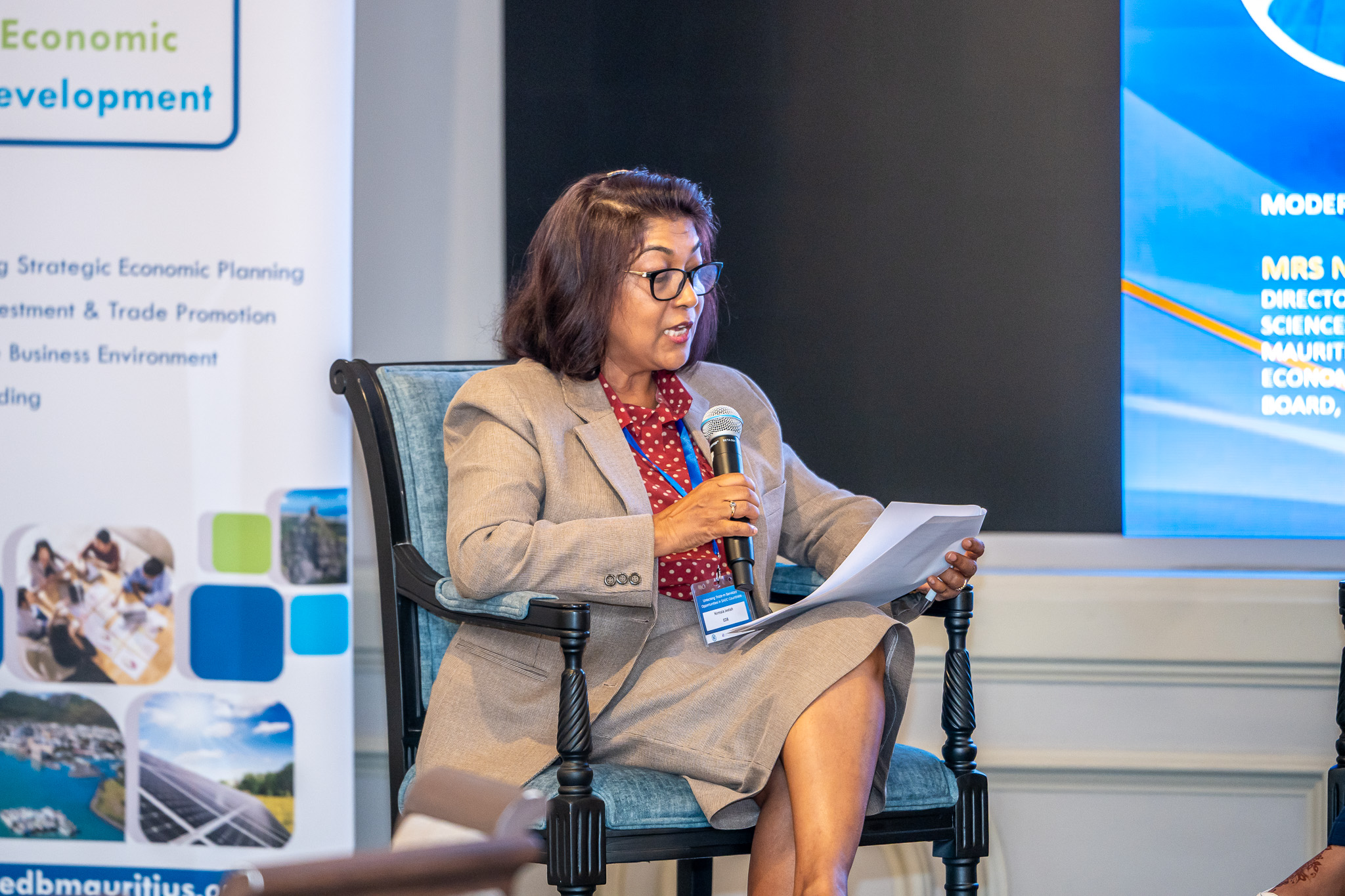
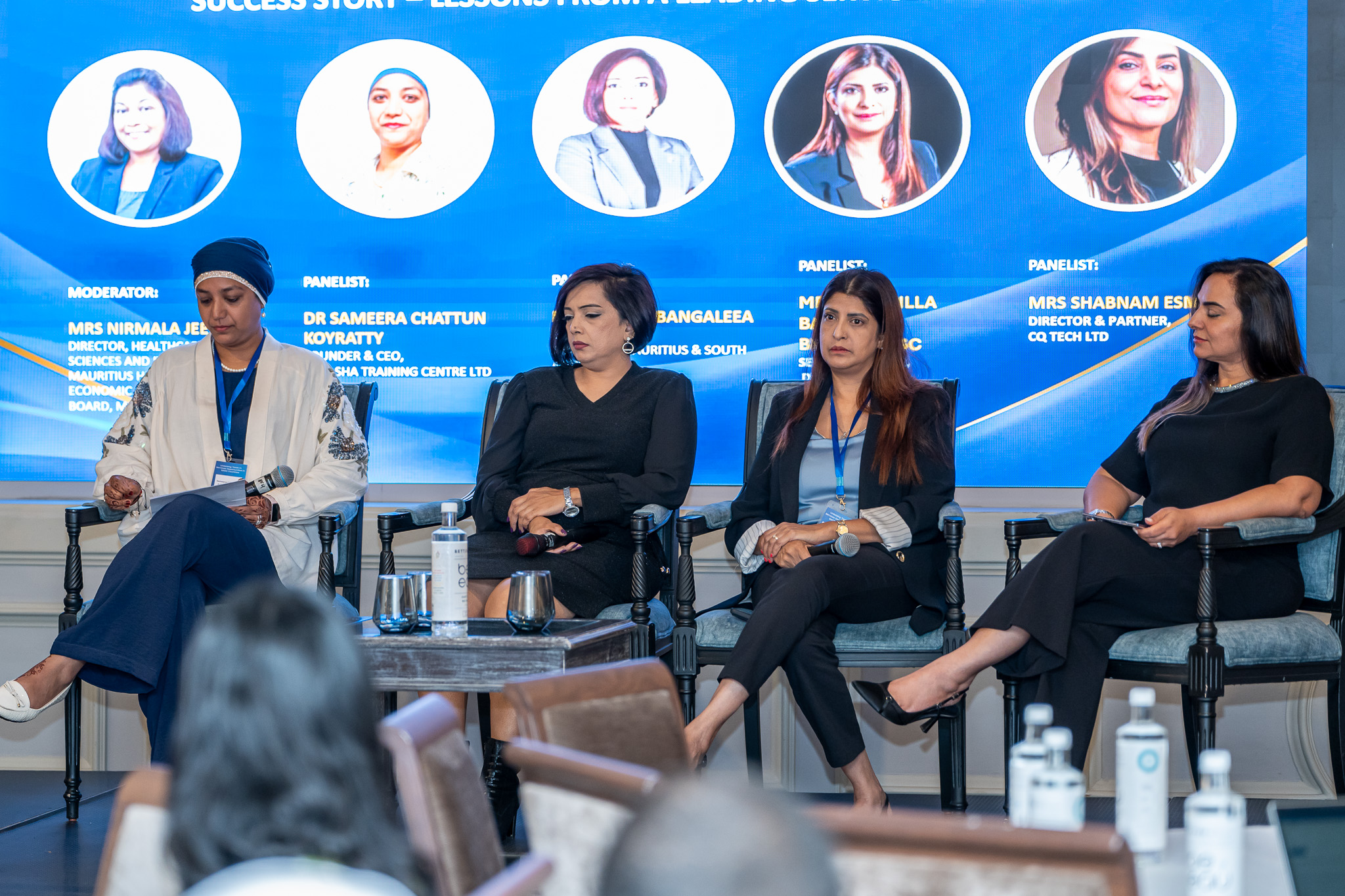
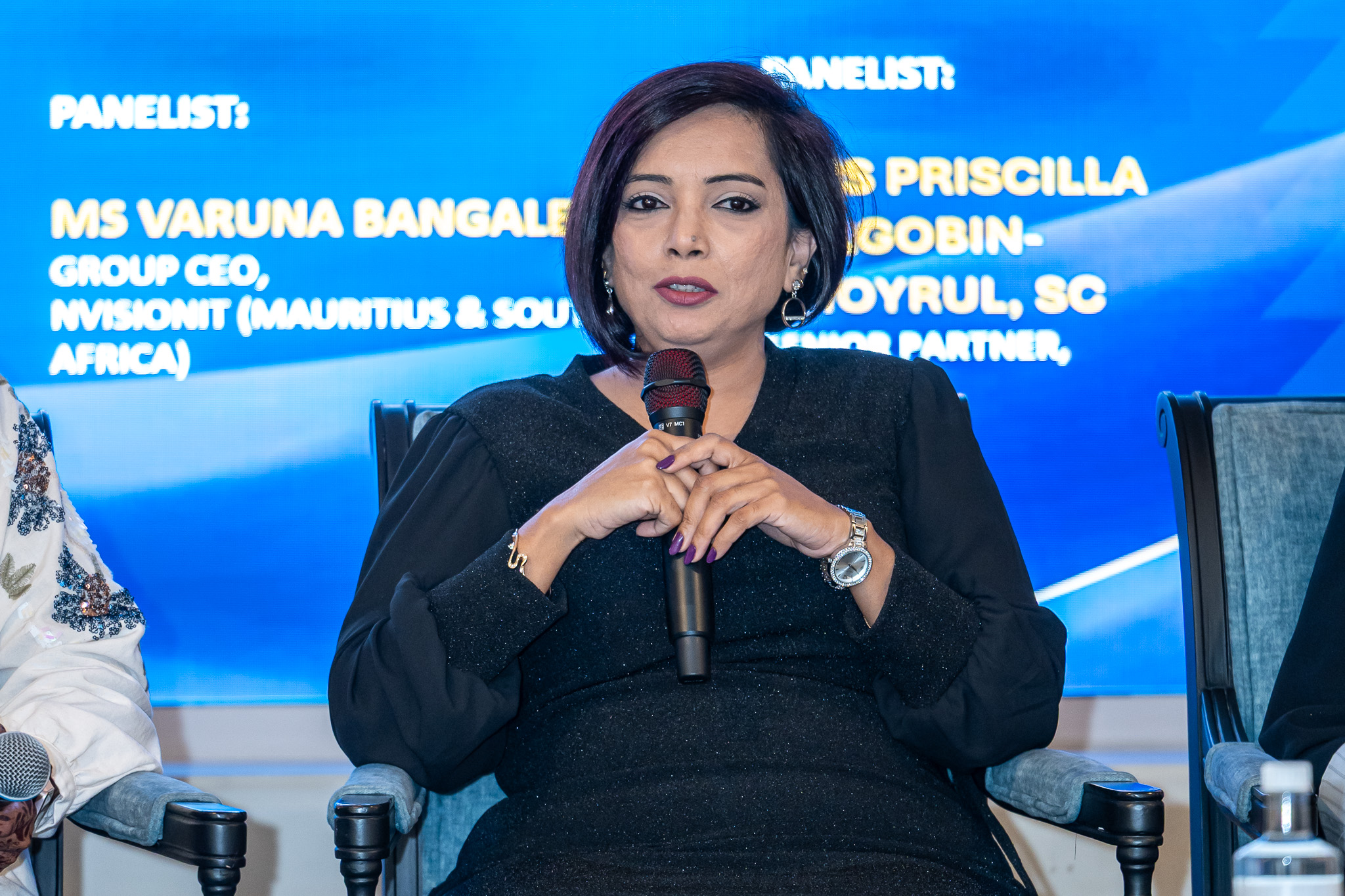
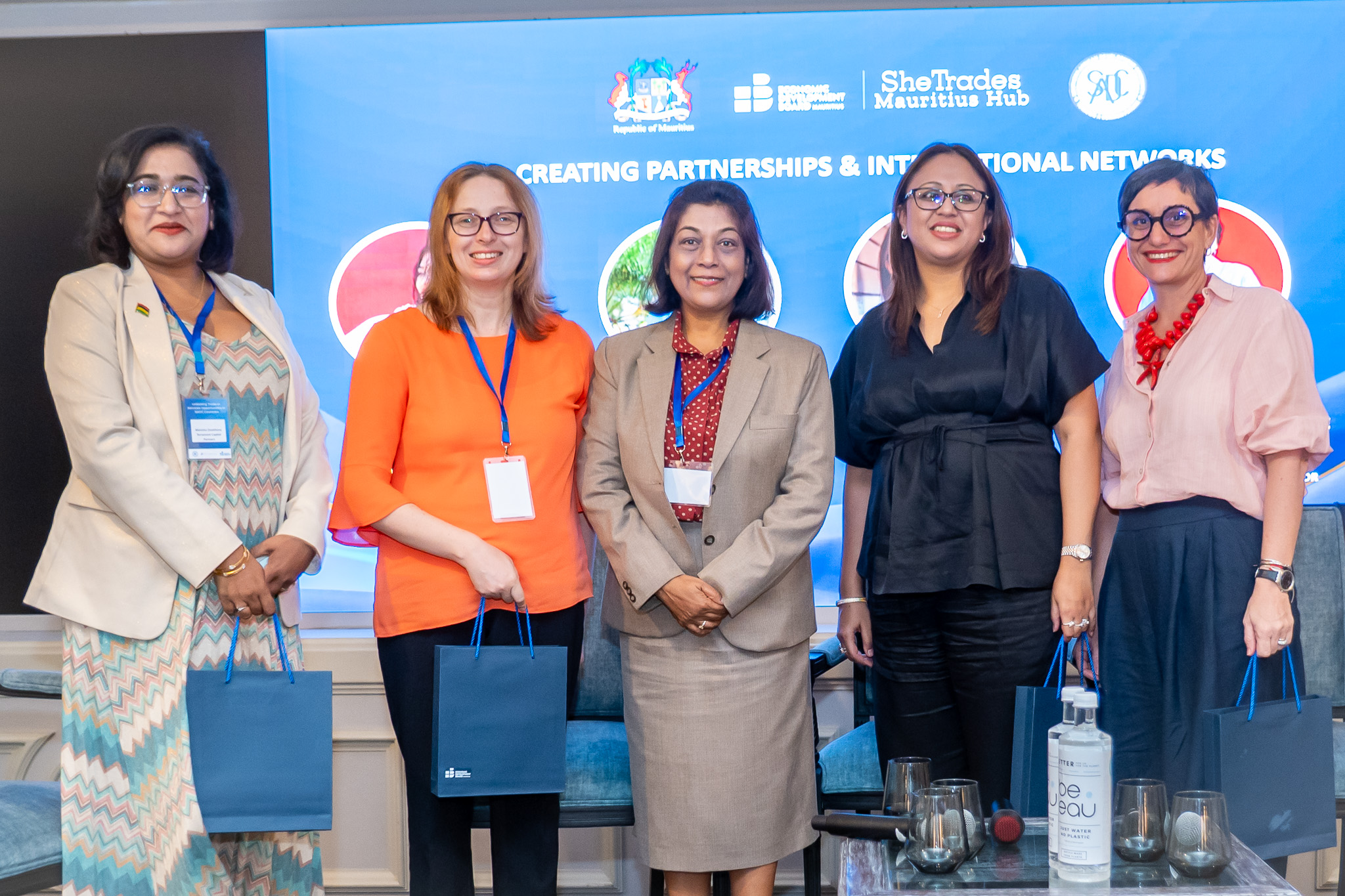
The last session focused on the importance of building strategic partnerships and effectively positioning services for international markets. Panelists shared practical insights on understanding the expectations of international clients, crafting strong value propositions, and adopting pricing strategies suited to export markets. The session further emphasized the role of branding, digital presence, and trust-building in virtual environments, which are increasingly shaping global business interactions.

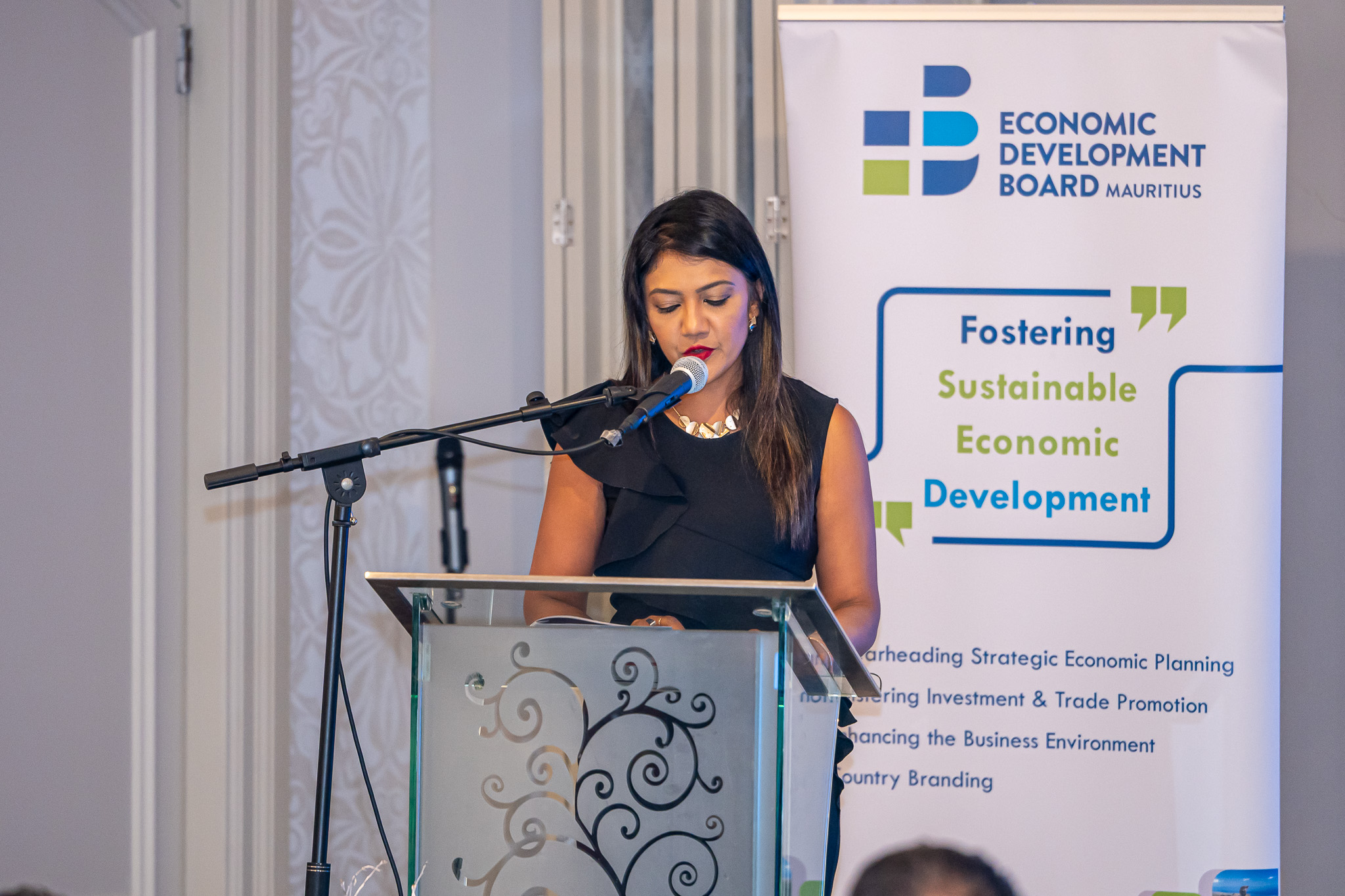
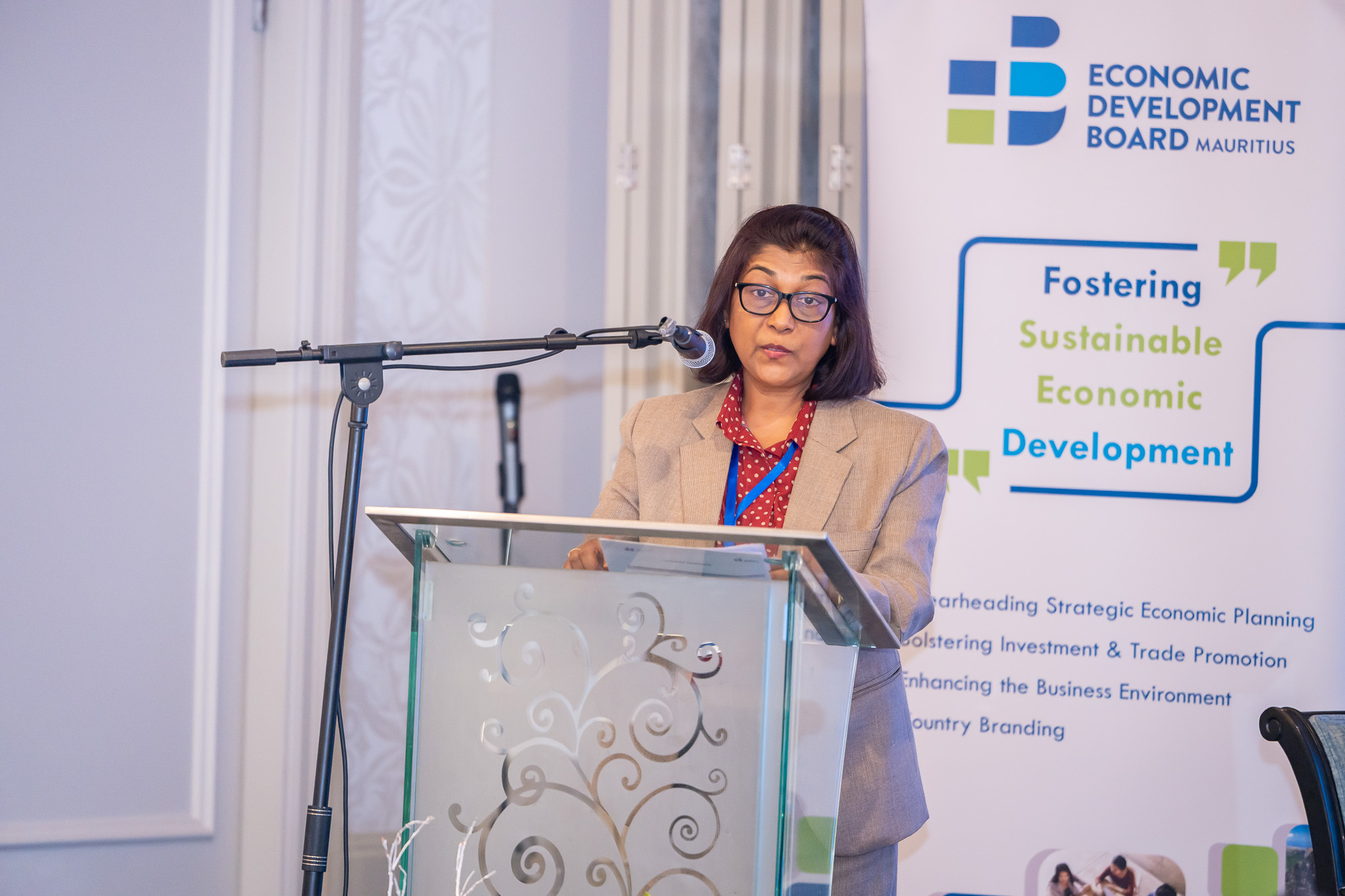
In the closing remarks Mr Dhunraj Kassee from the SADC Secretariat highlighted the successful deliberation on the workshop and the upcoming regional workshop by SADC Secretariat. On her part, Mrs Nirmala Jeetah from the Economic Development Board Mauritius, reaffirmed the commitment of the SheTrades Mauritius Hub to advancing inclusive trade in services across the region and in upskilling women and youth businesses towards market access.
The workshop marked a significant step towards empowering women and youth-led businesses in the SADC region to tap into the vast potential of trade in services. By combining policy dialogue, practical tools, and real-world experiences, the initiative reinforced Mauritius’ role as a catalyst for regional trade integration and inclusive economic growth.
More information on the workshop is available on: https://shetrades.edbmauritius.org/sadc-workshop-2026/