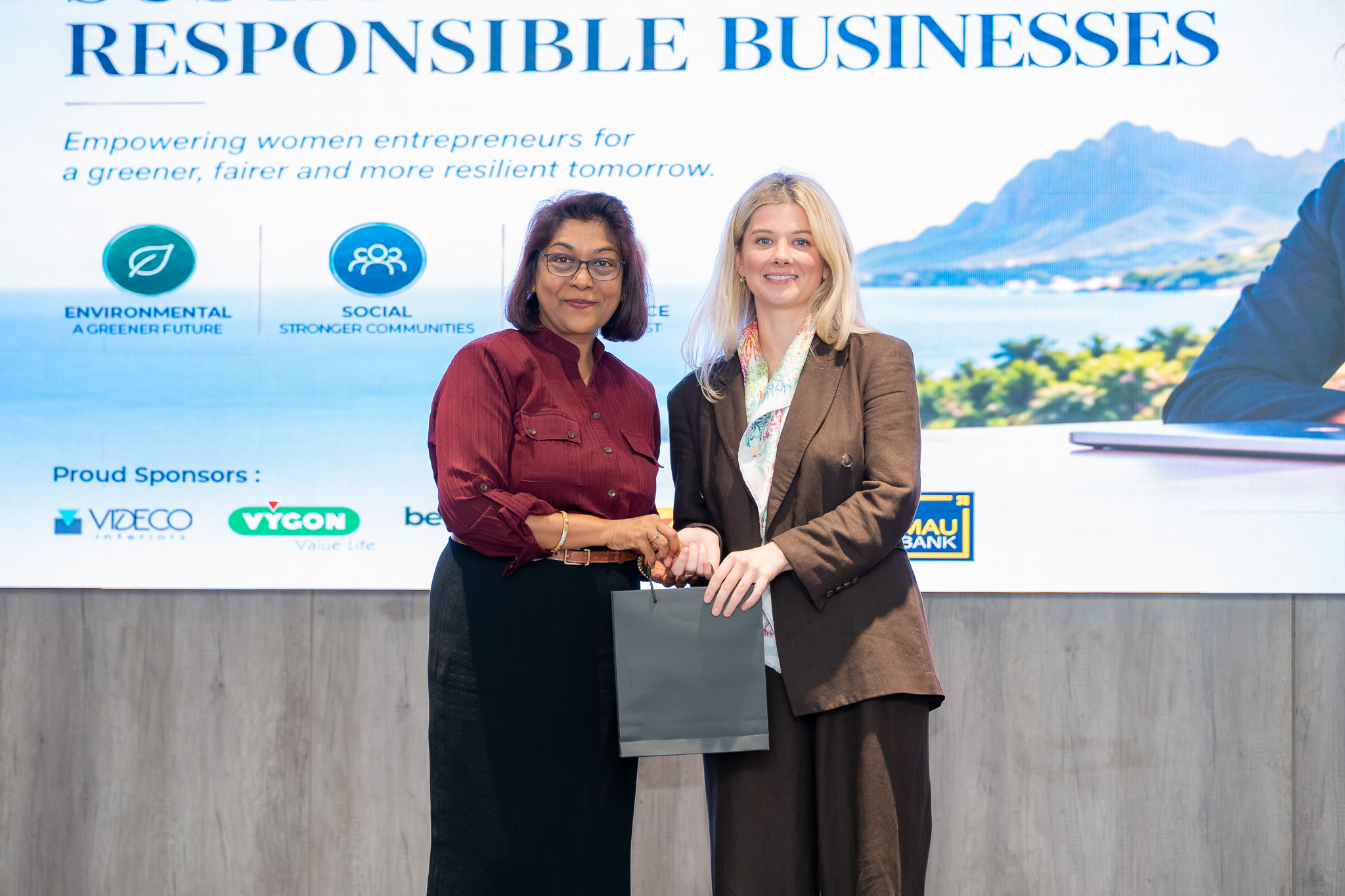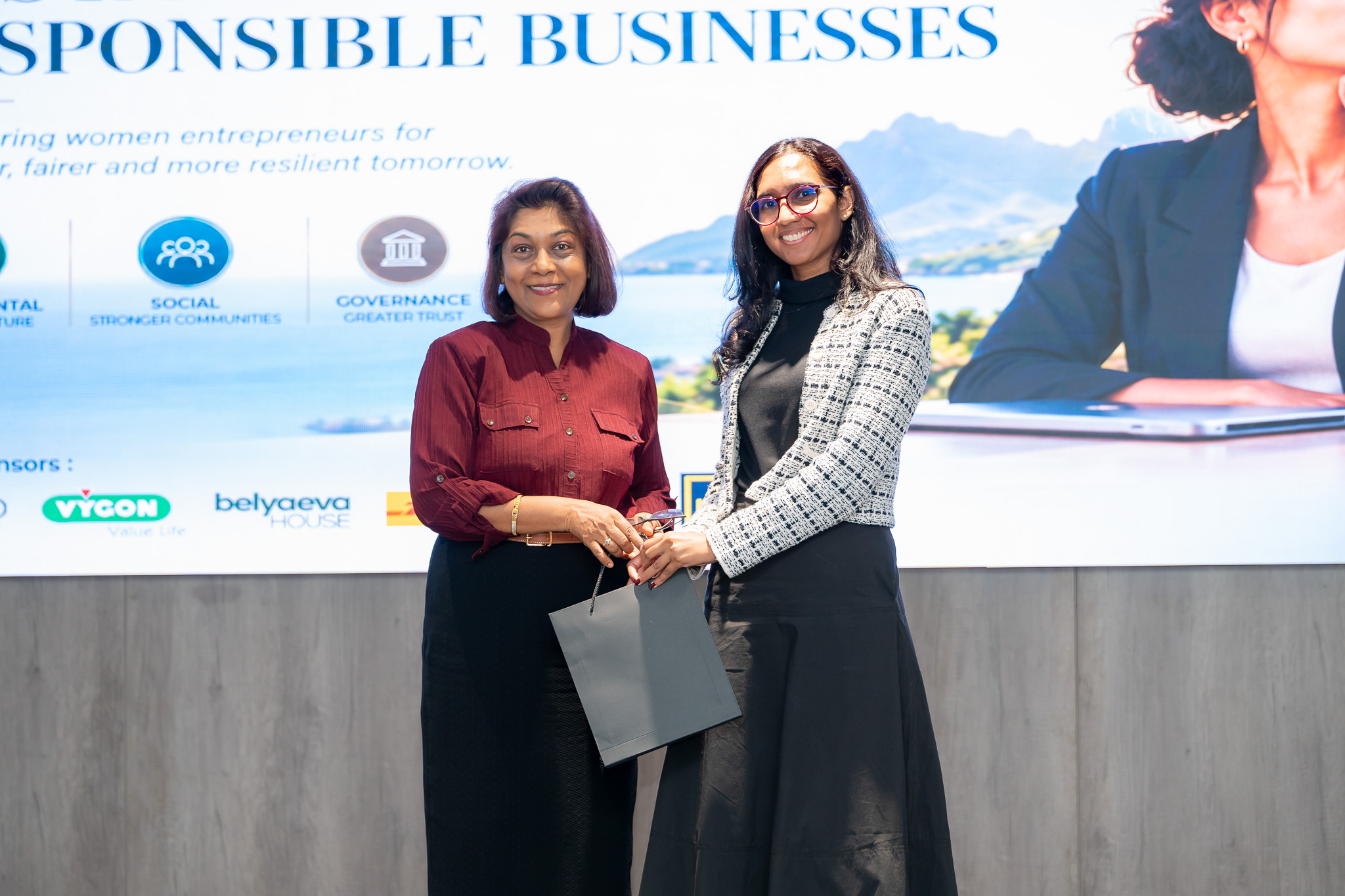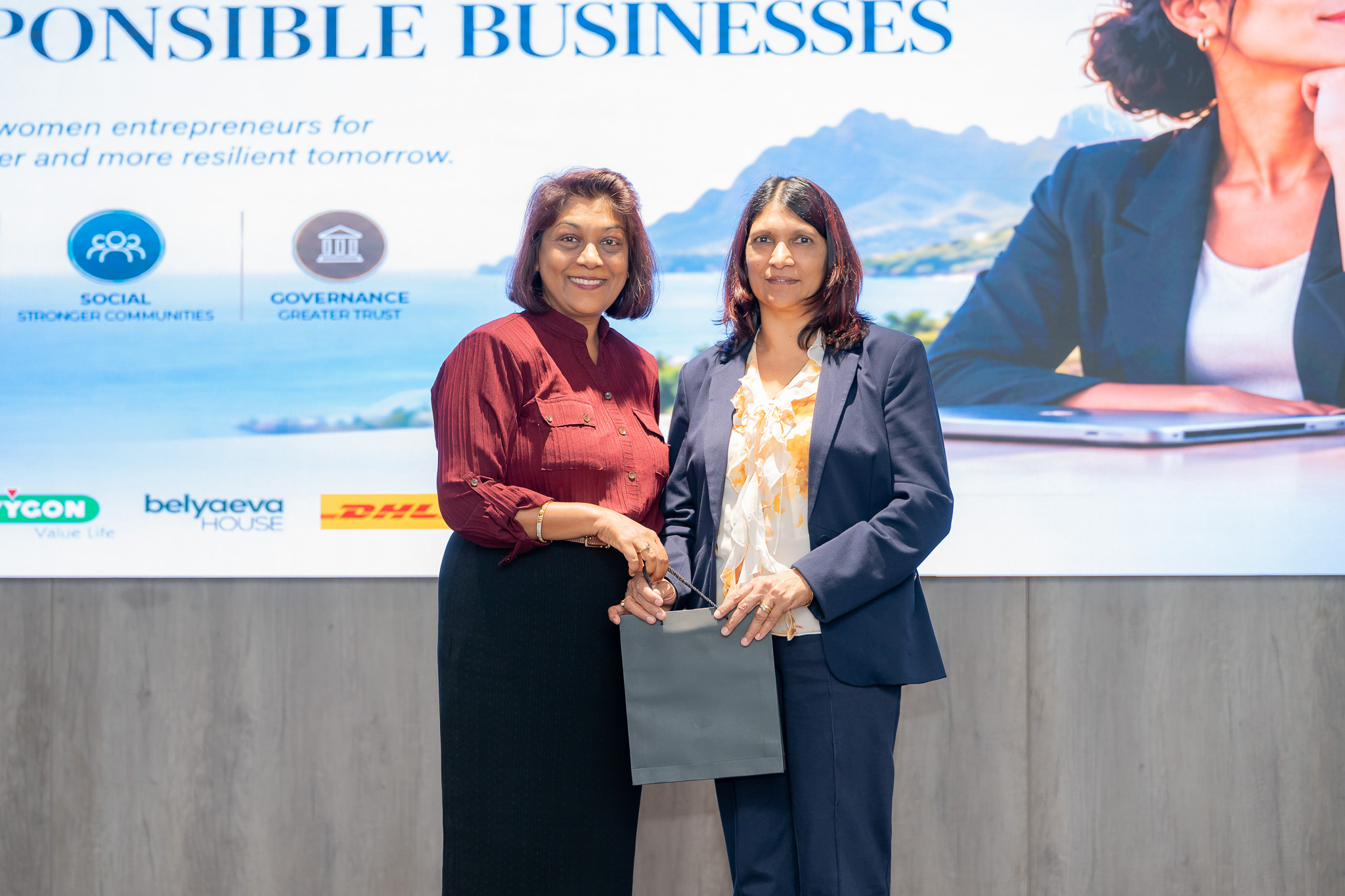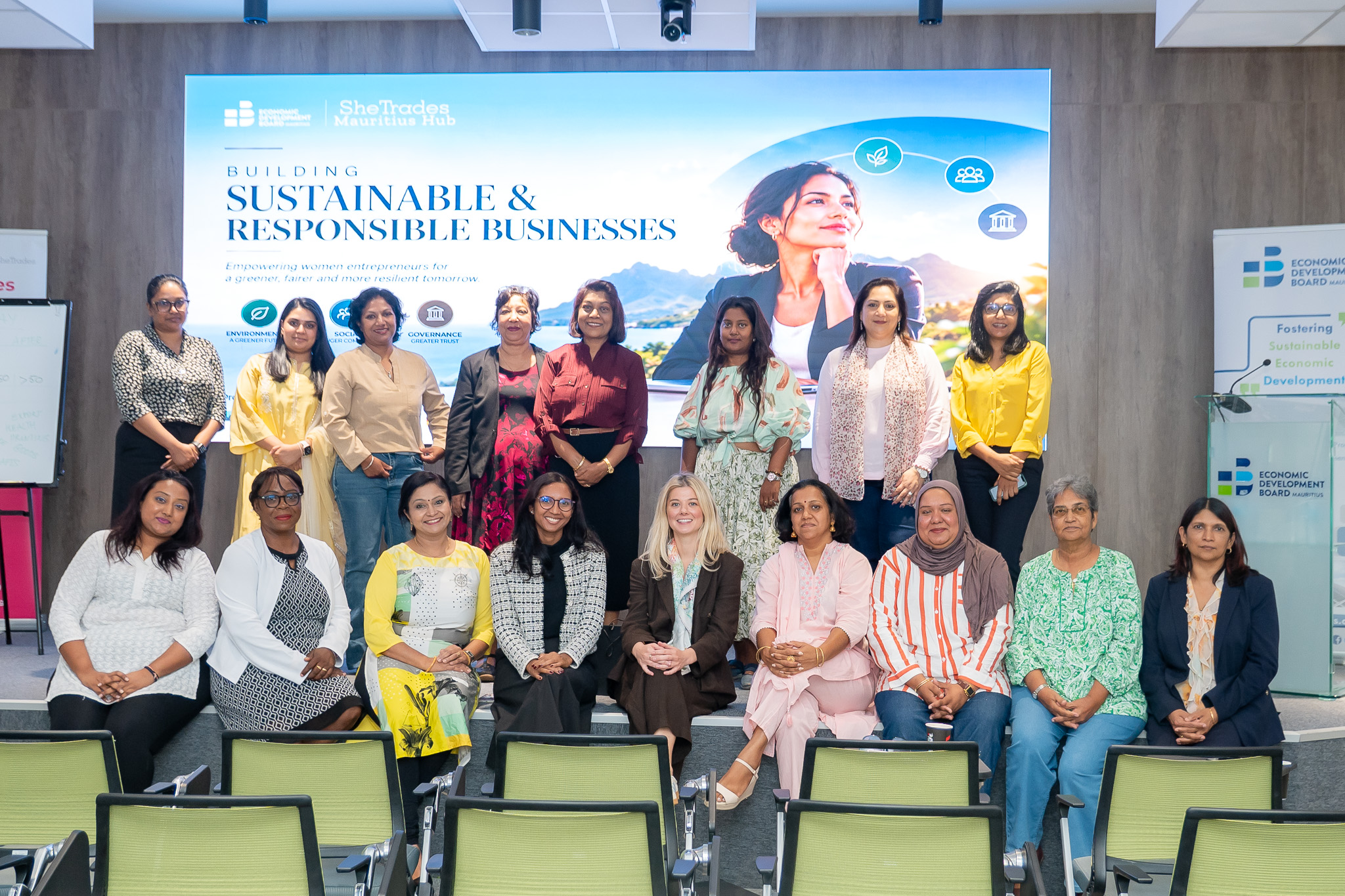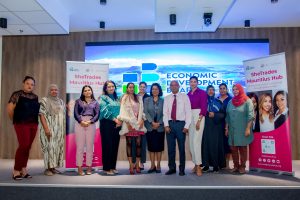




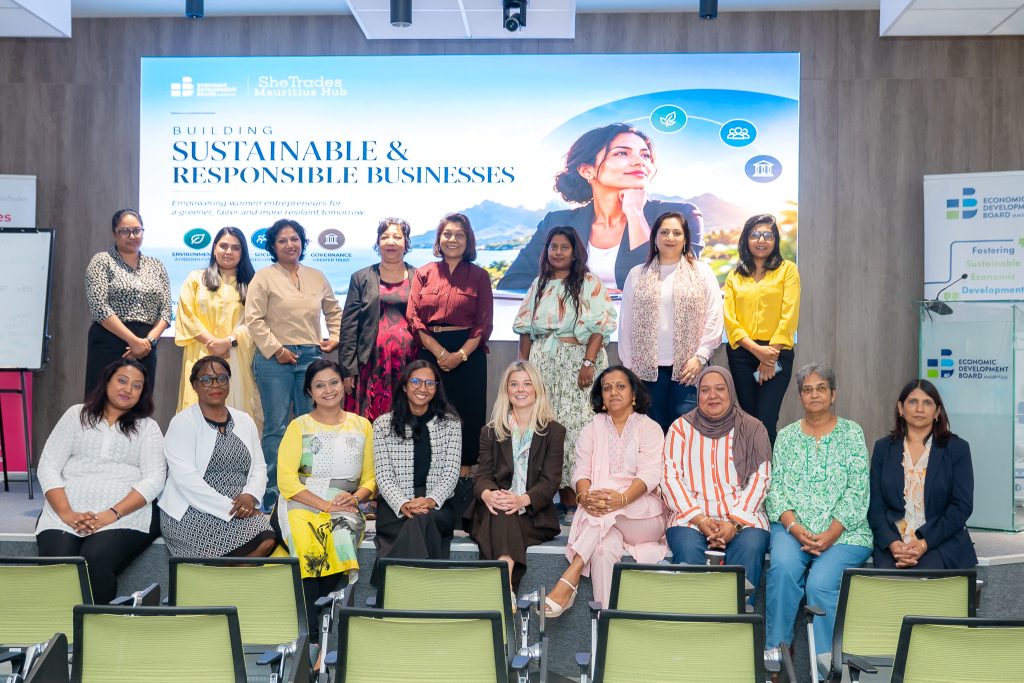
The Economic Development Board (EDB), host agency of the ITC SheTrades Mauritius Hub, held a capacity-building workshop entitled “Building Sustainable & Responsible Businesses” on Thursday, 15th October 2026 at its Head Office. The workshop brought together women entrepreneurs to explore how Environmental, Social and Governance (ESG) principles can be translated into practical business actions that strengthen resilience, competitiveness and long-term sustainability.
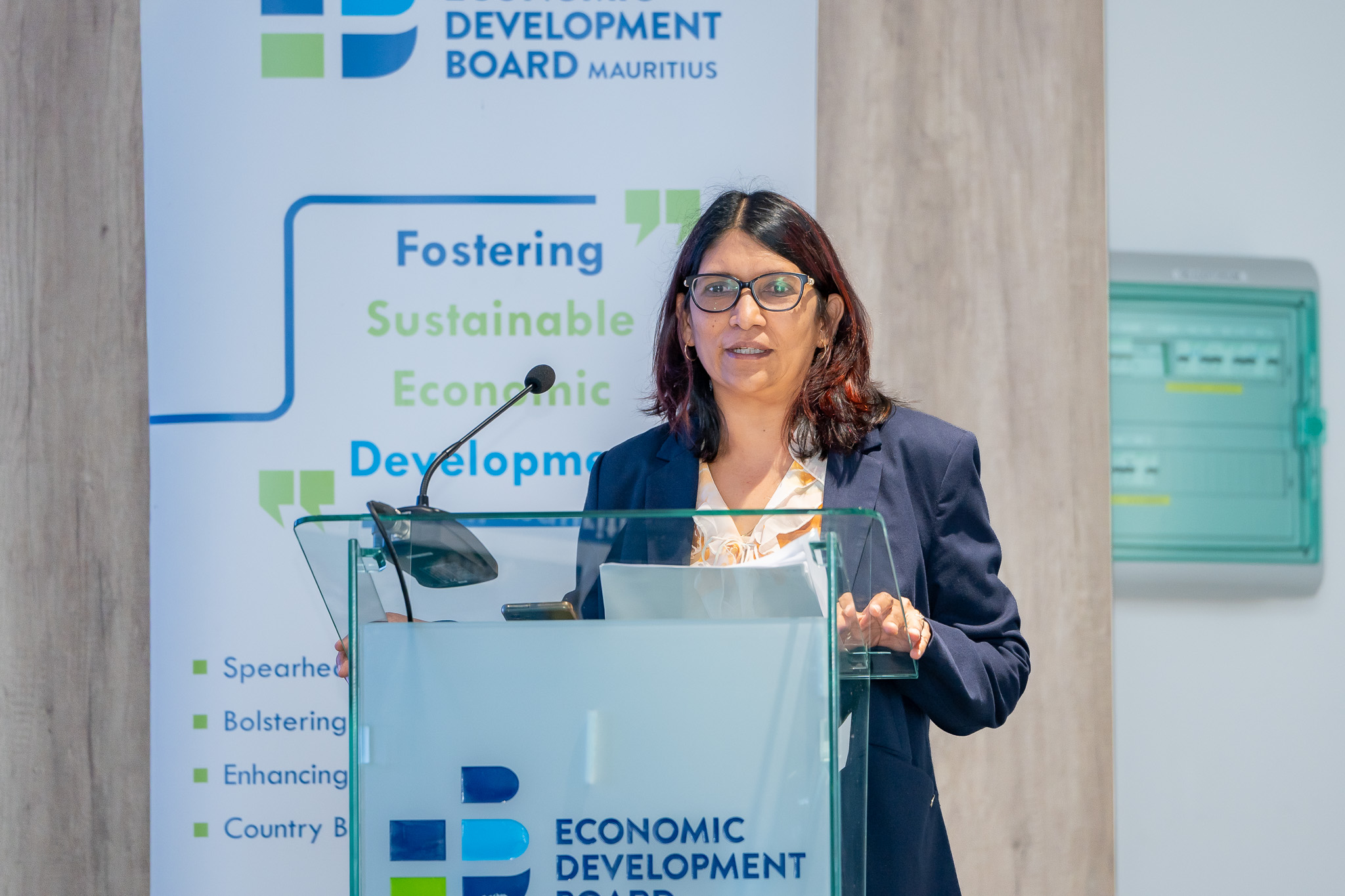
In her welcome remarks, Mrs Nirmala Jeetah, Director, Healthcare & Life Sciences and ITC SheTrades at the EDB, highlighted the importance of integrating ESG principles into business operations. She emphasised that by adopting environmentally responsible practices, promoting social inclusion and strengthening transparency and accountability, women-led businesses can enhance long-term business viability.
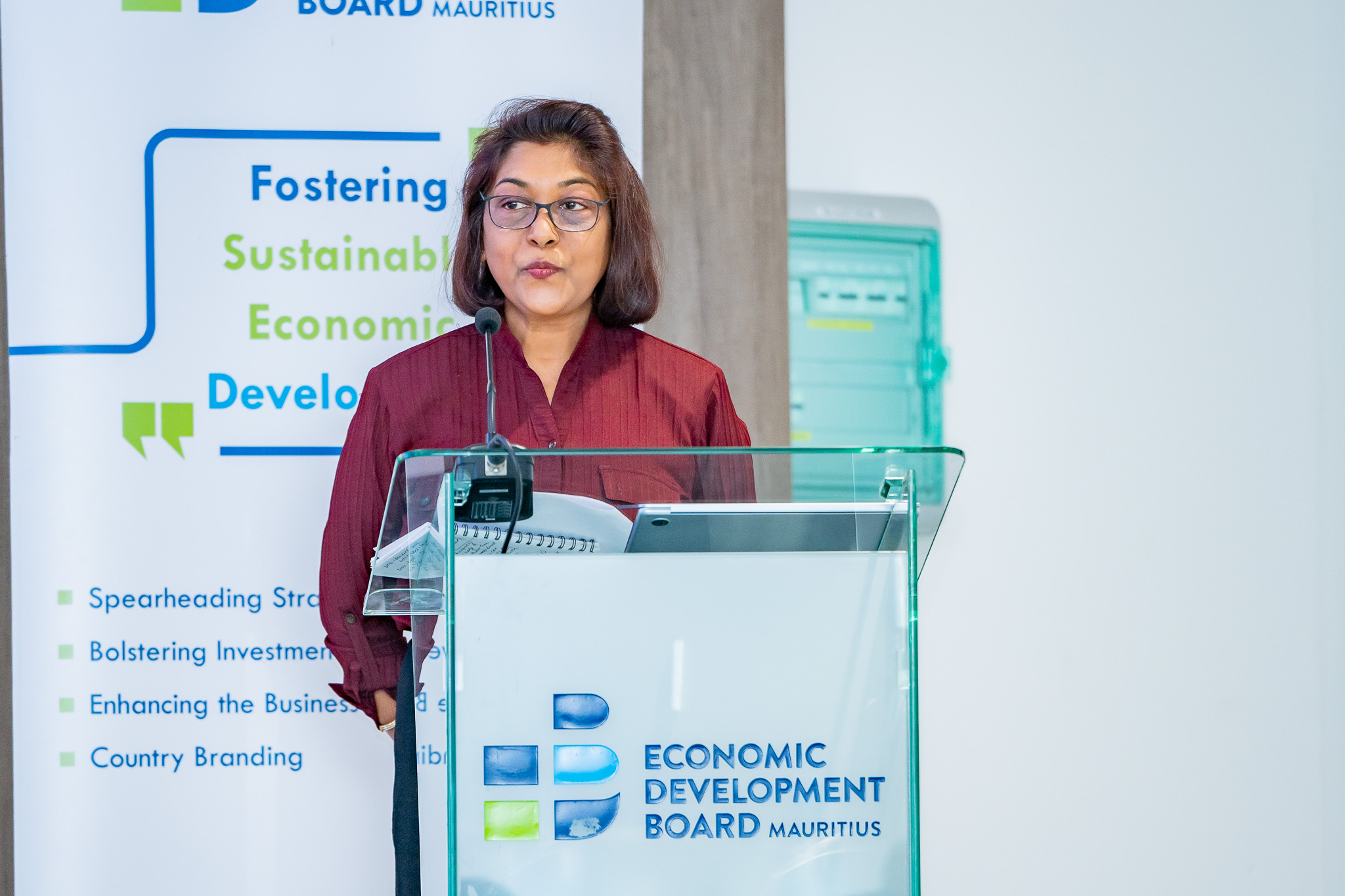
The workshop featured three complementary perspectives, namely, practical approaches to sustainability and ESG self-assessment, the regulatory and investment landscape and the role of ESG in promoting sustainable finance.
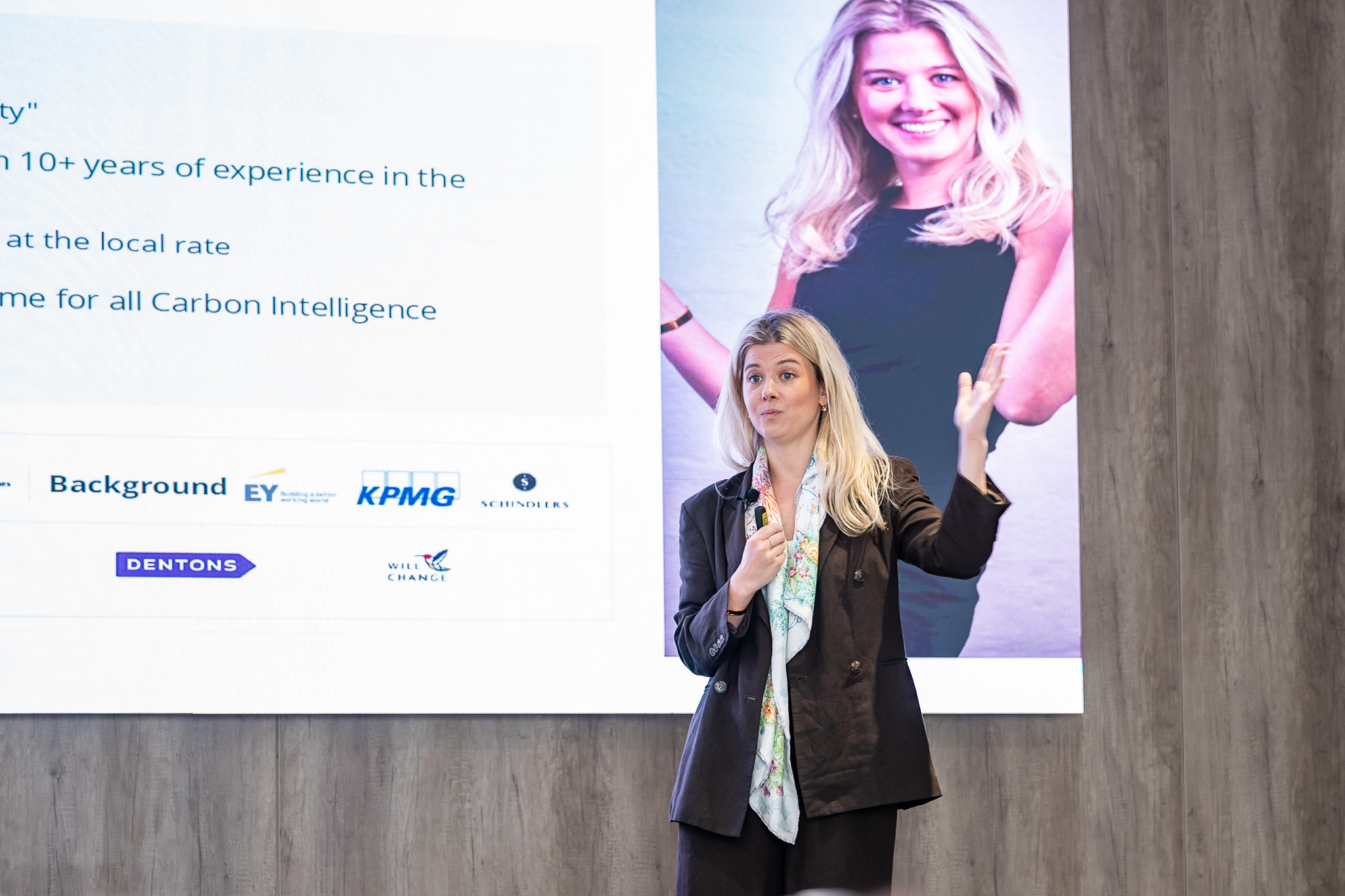
Ms Polina Belyaeva, a CIMA-Qualified Professional & Founder of Belyaeva House, opened the presentations by returning to the widely used definition of sustainability: development that meets the needs of the present without compromising the ability of future generations to meet their own needs. The urgency is clear since humanity is using nature 73% faster than Earth’s ecosystem can regenerate.
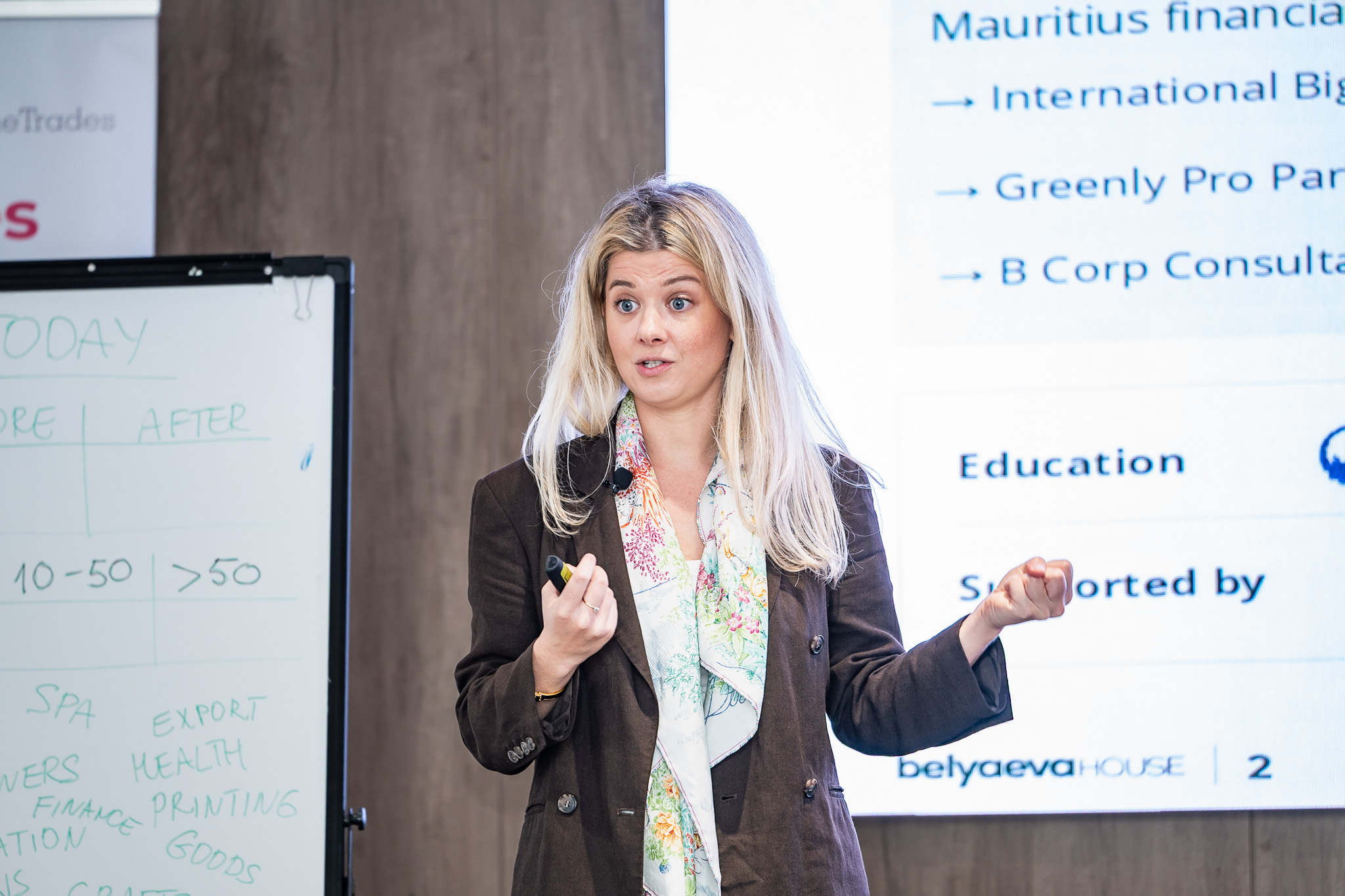
The first step is to assess the business’s existing practices honestly and objectively. A self-assessment tool can help an entrepreneur evaluate the ESG maturity of her business, identify gaps and prioritise areas for improvement. Participants were introduced to the B Impact Assessment tool. Ms Belyaeva also presented carbon footprint as a way to analyse a business’s non-financial performance across three scopes:
- Scope 1: Direct emissions from the business’s own operations and vehicles
- Scope 2: Indirect emissions from the electricity and energy it buys
- Scope 3: All other indirect emissions across its value chain, from suppliers to customers
Participants also looked at how AI tools can help small businesses understand their footprints and how to test what would change under different scenarios.
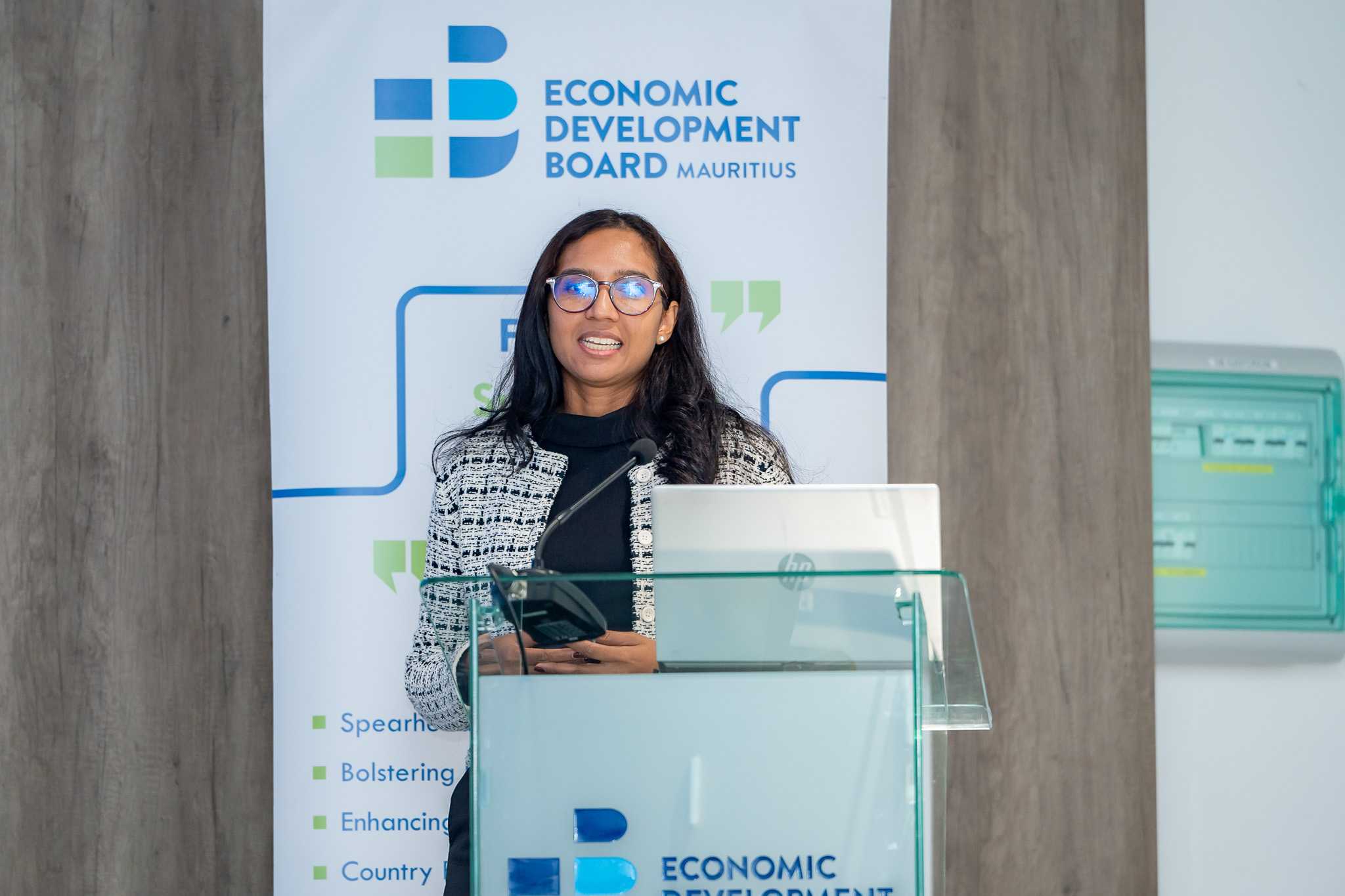
Mrs Jayshree Guness, Assistant Director, Authorisation and Licensing at the Financial Services Commission (FSC), set out the wider ESG regulatory and compliance landscape. Global ESG and sustainable investment assets are estimated at roughly USD 39 trillion to USD 46 trillion as of 2025–2026, according to industry and market research. Investors are drawn to ESG projects because they tend to carry lower financial risk, offer better long-term returns and align with shifts in global markets.
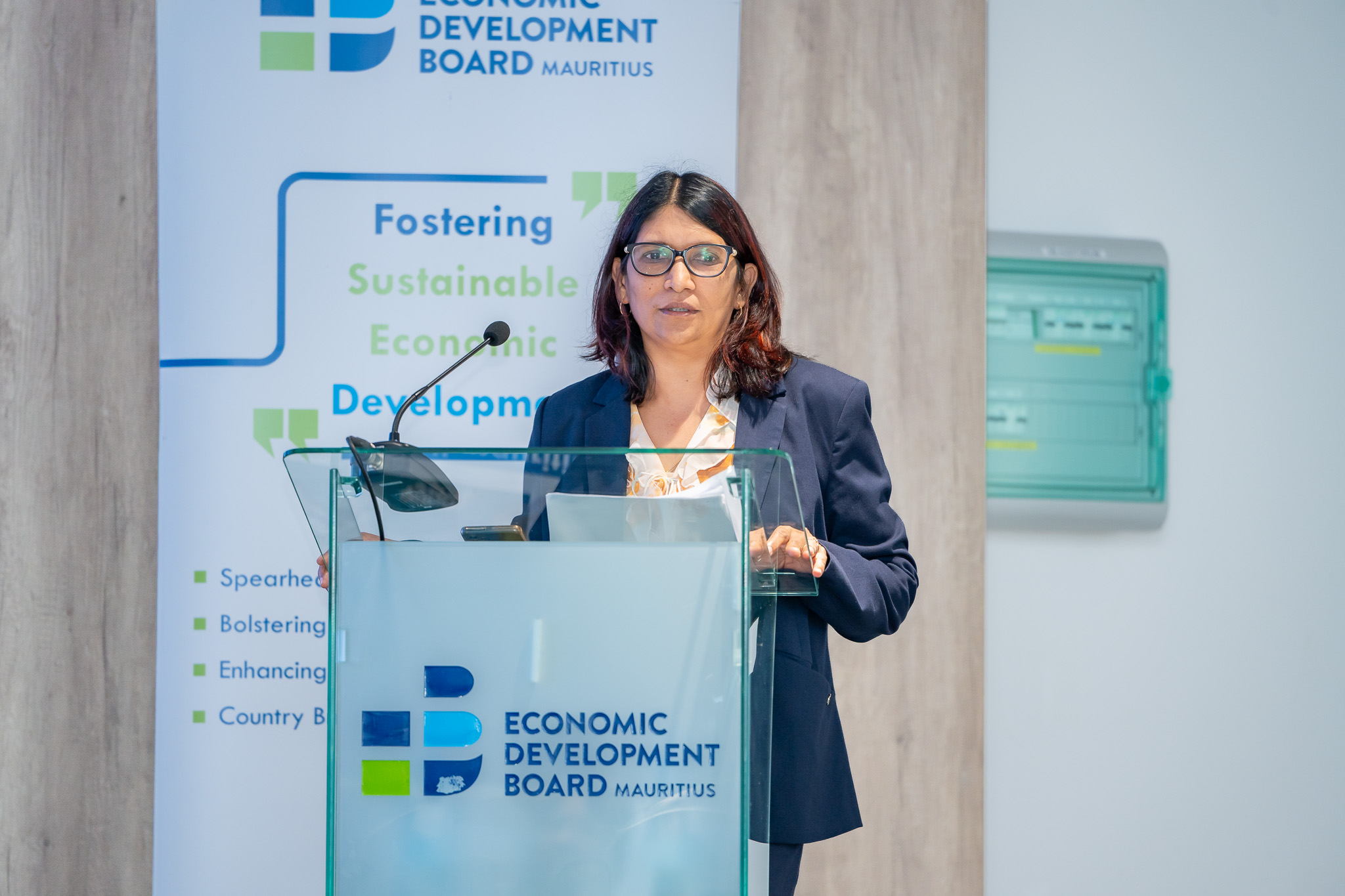
She highlighted the opportunities available to small and medium-sized enterprises (SMEs) in Mauritius which contribute around 35% to 40% of the local GDP. By leveraging specialised ESG financing channels, government grants and simplified voluntary reporting frameworks, SMEs can take practical steps to reduce their environmental footprint, strengthen their sustainability credentials and improve their access to green financing.
Ms Jayshree also highlighted that good governance begins with simple habits: keeping accurate accounts, separating business and personal finances, clarifying ownership, responsibilities and decision-making and making only honest, evidence-backed claims about products and sustainability amongst else.
During the third session, Ms Jennita Sookramanien, Senior Climate Risk Executive at the Mauritius Commercial Bank (MCB), highlighted how ESG-related risks can affect a business’s operational resilience, while strong ESG practices can enhance its credibility and attractiveness as a business partner. By adopting responsible and sustainable practices, businesses can better meet client and supply-chain expectations. Furthermore, demonstrating measurable progress towards relevant Sustainable Development Goals (SDGs) helps translate their sustainability commitments into tangible results.
Traditional lending decisions continue to be based on fundamental criteria, including the business’s financial position and cash flow and repayment capacity. Increasingly, however, lenders are also taking ESG risks into account when assessing businesses and their financing needs.
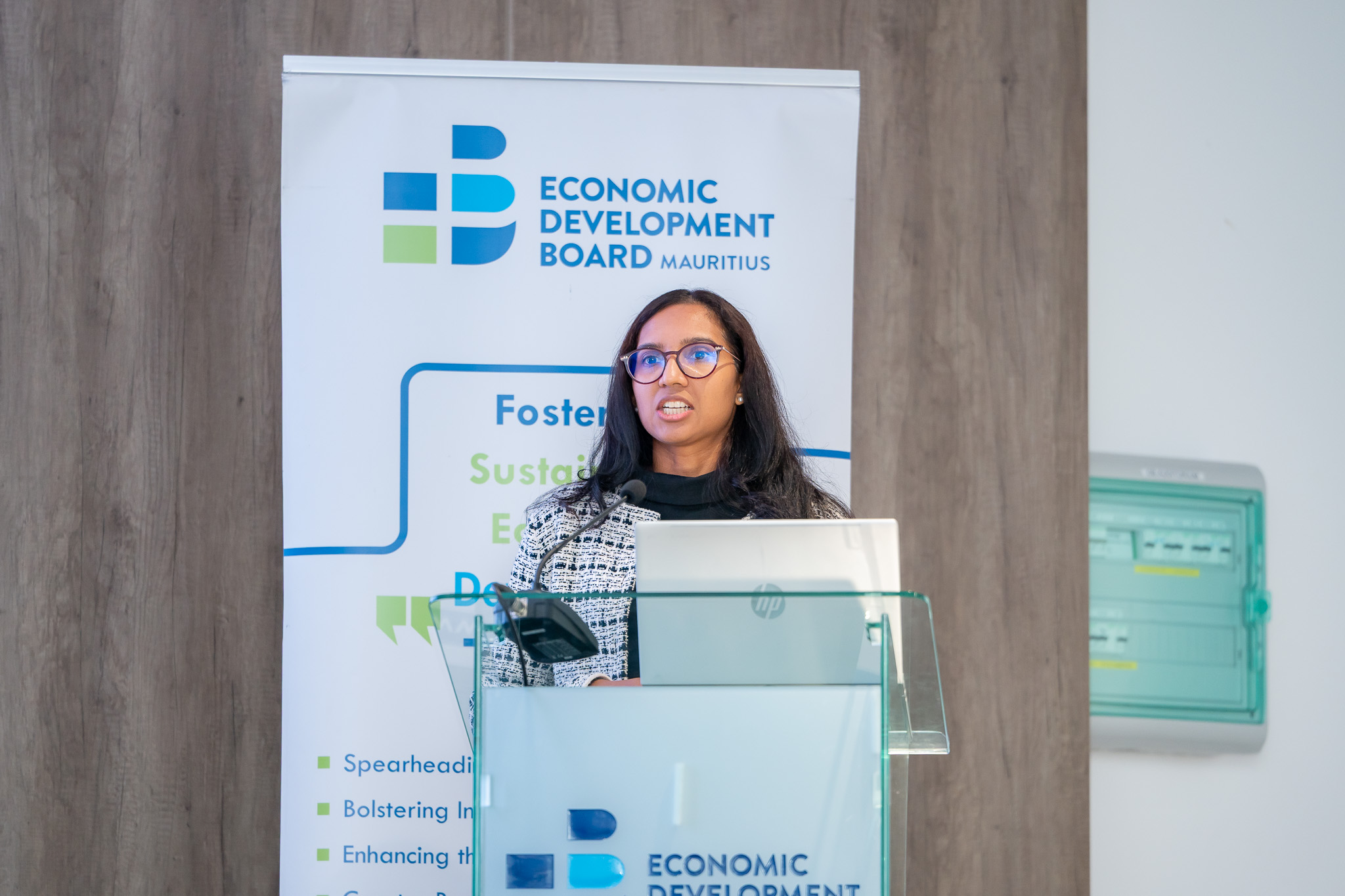
In this regard, the MCB has established a Sustainable Finance Framework (SFF), which sets out the eligibility criteria for green and social projects.
To translate this commitment into practical support for businesses, MCB offers a Sustainable Loan for SMEs, designed to help them work towards reducing their carbon footprint.
Beyond sustainable financing, the bank provides a range of financing solutions to support Mauritian businesses in their day-to-day operations and growth. These cover equipment and asset acquisition, working capital, production and packaging costs amongst else.
The workshop concluded with a clear and encouraging message, which is, embracing ESG does not require a large-scale programme. Businesses of all sizes can take practical, incremental steps to integrate ESG principles into their operations and build more sustainable business practices.
This workshop is part of the Hub’s ongoing commitment to empowering women-led businesses with the knowledge, tools and networks they need to navigate the evolving business landscape and achieve sustainable, inclusive growth.