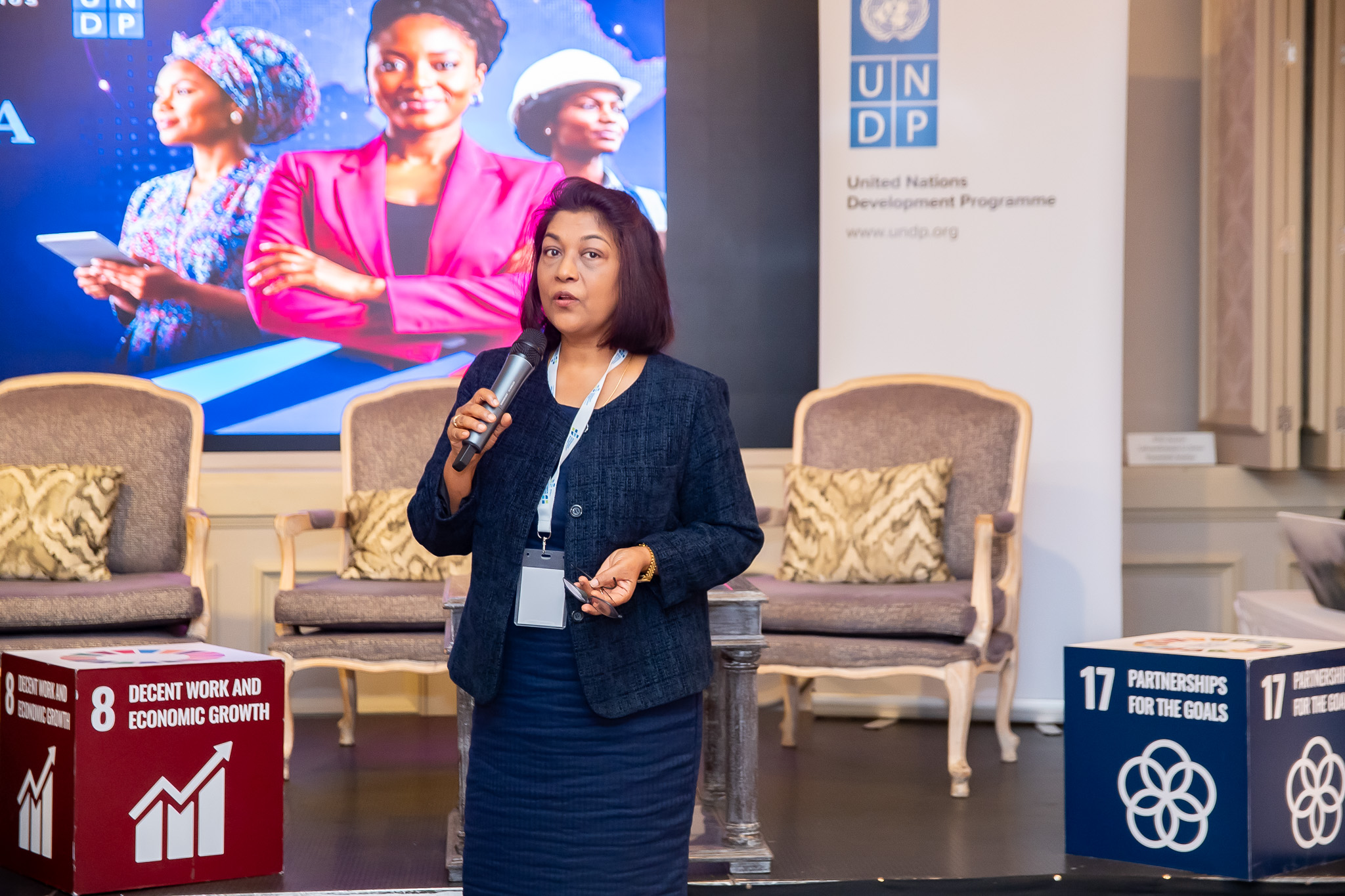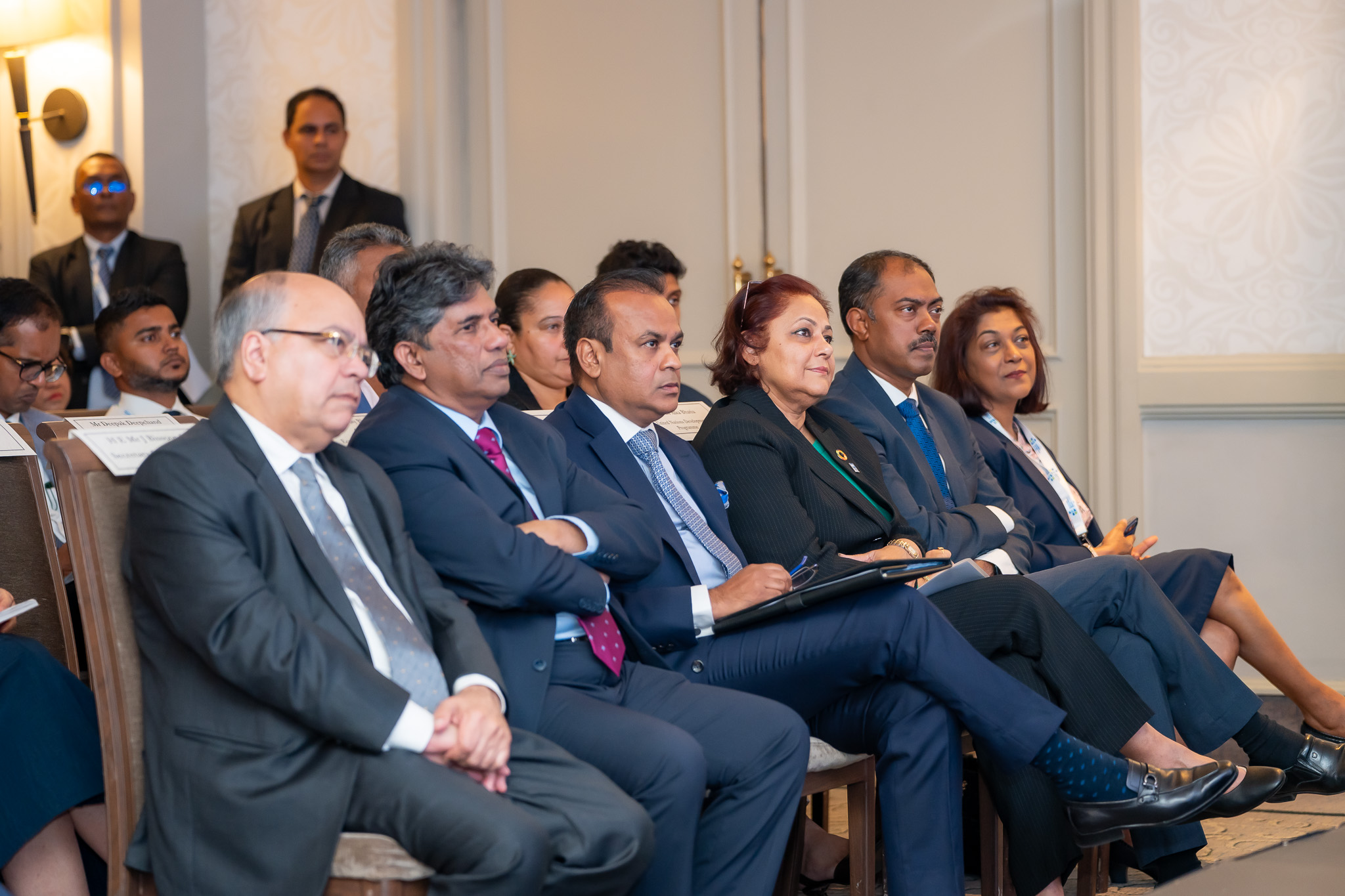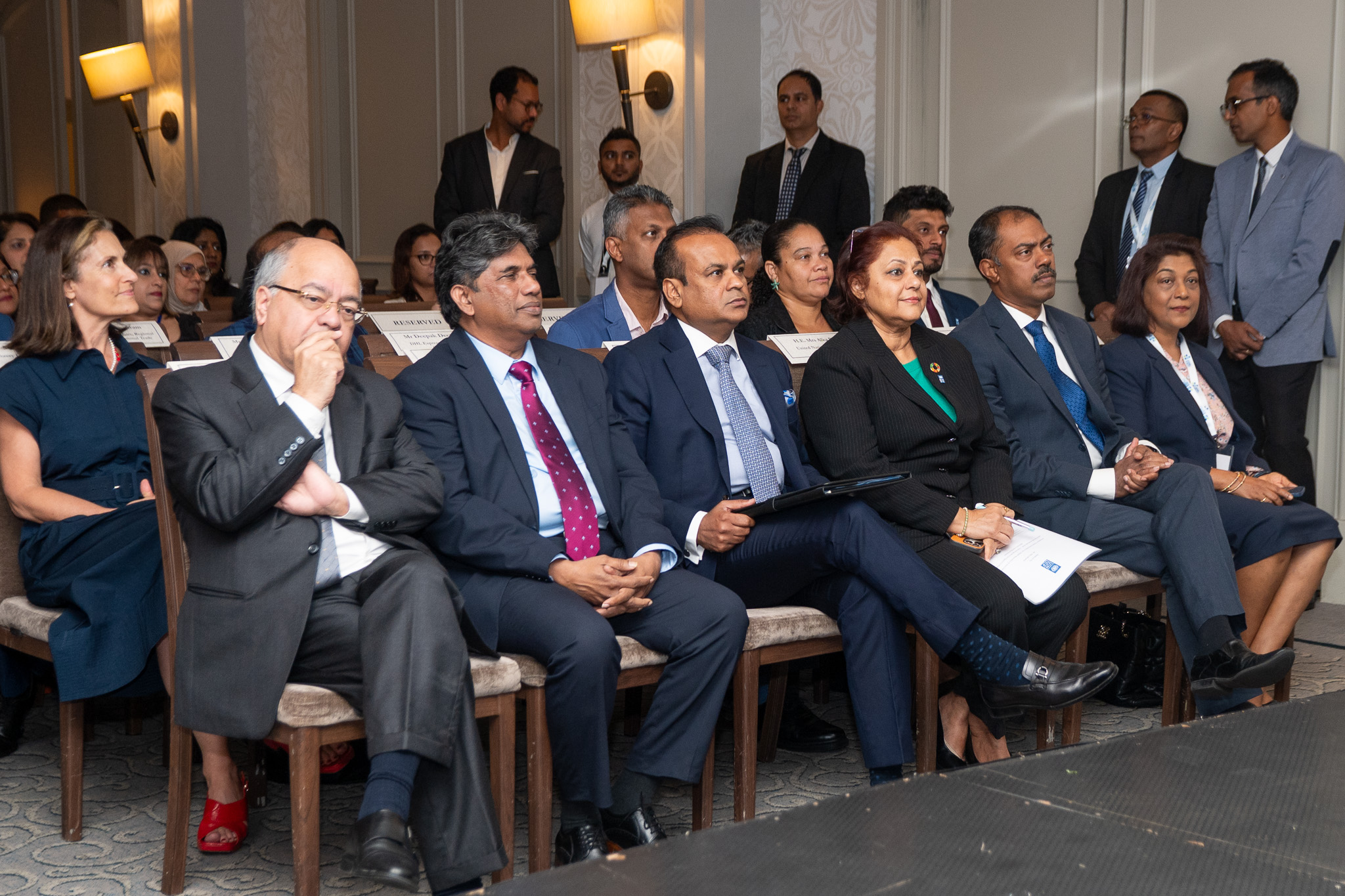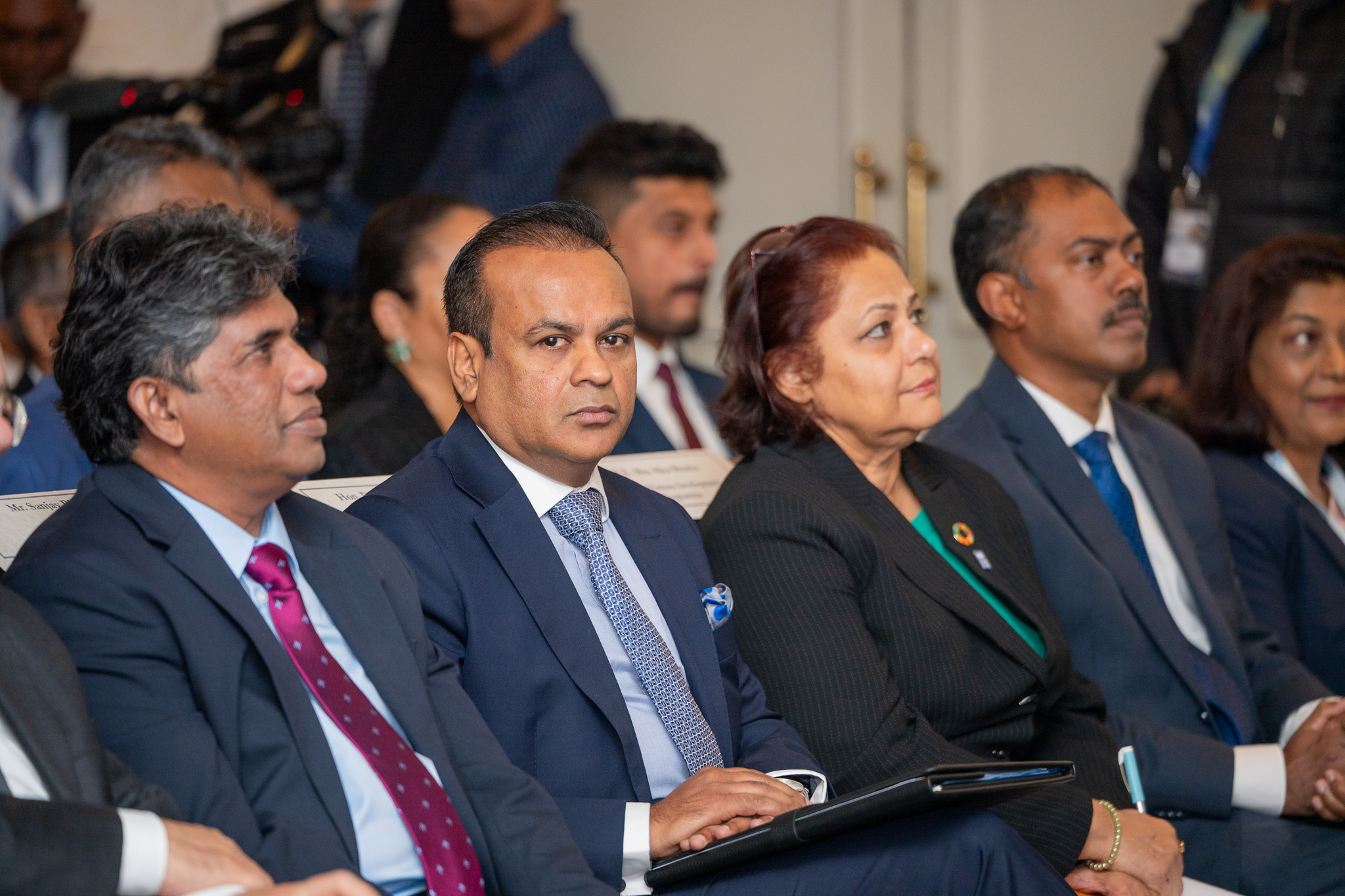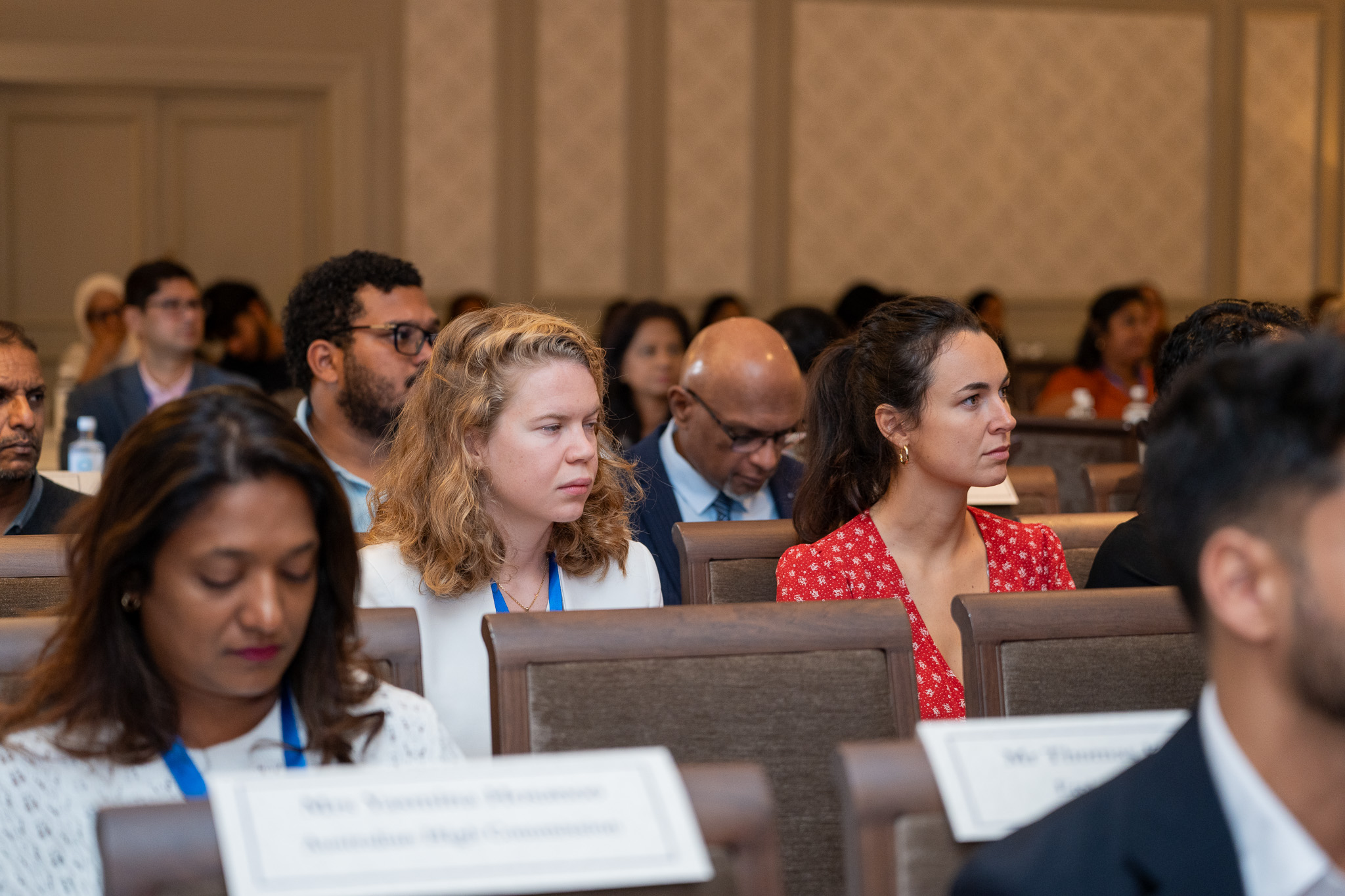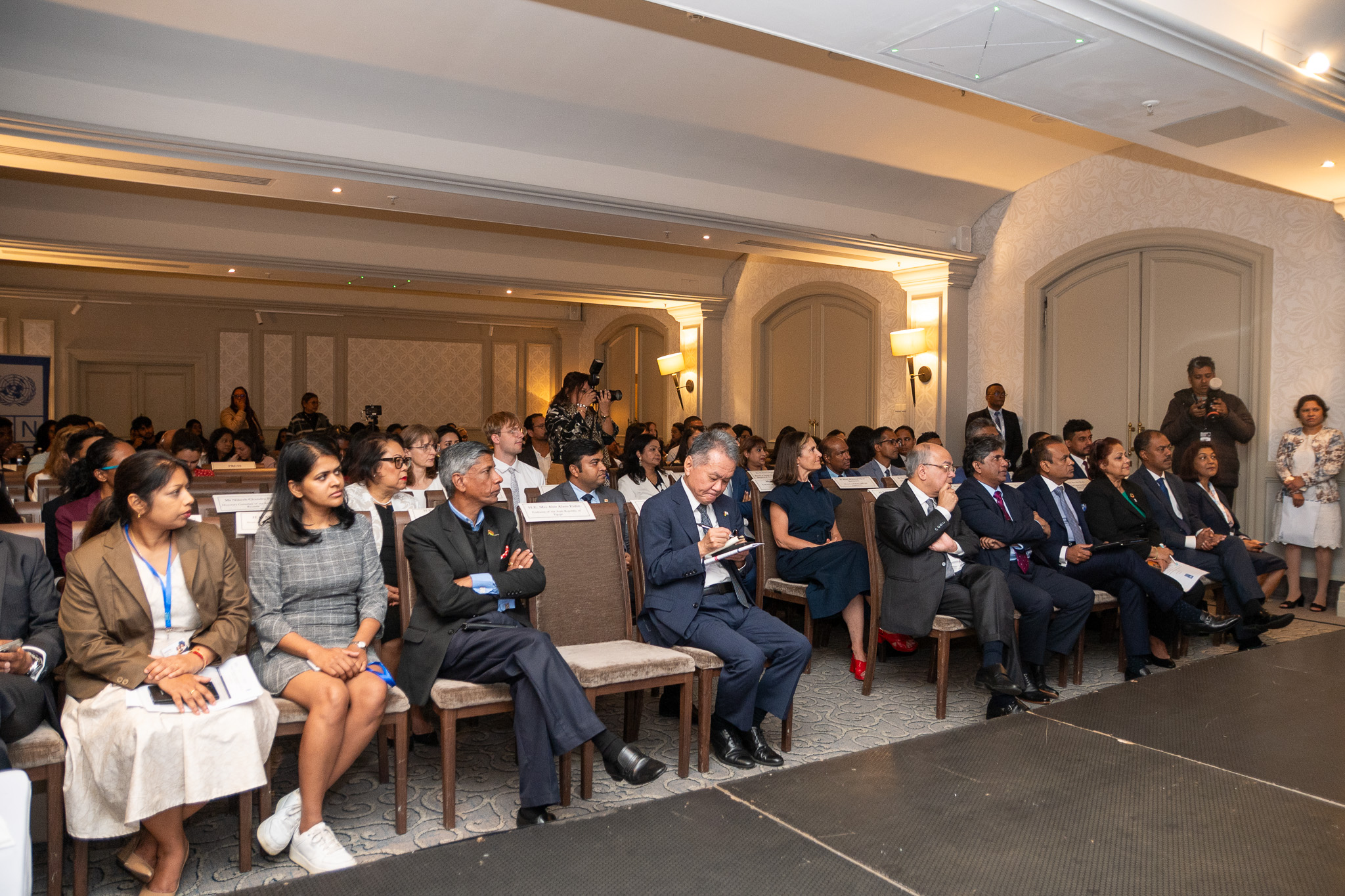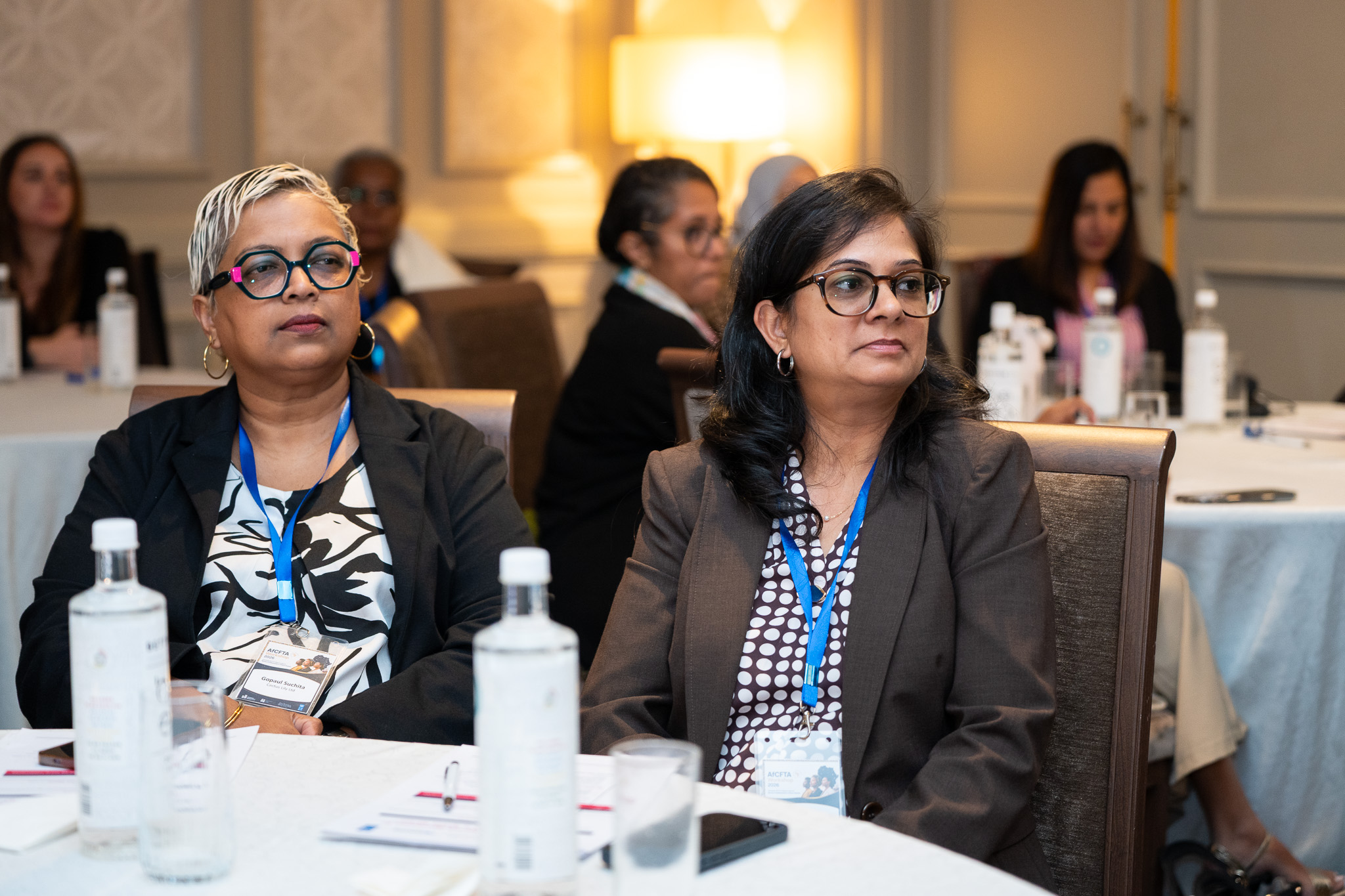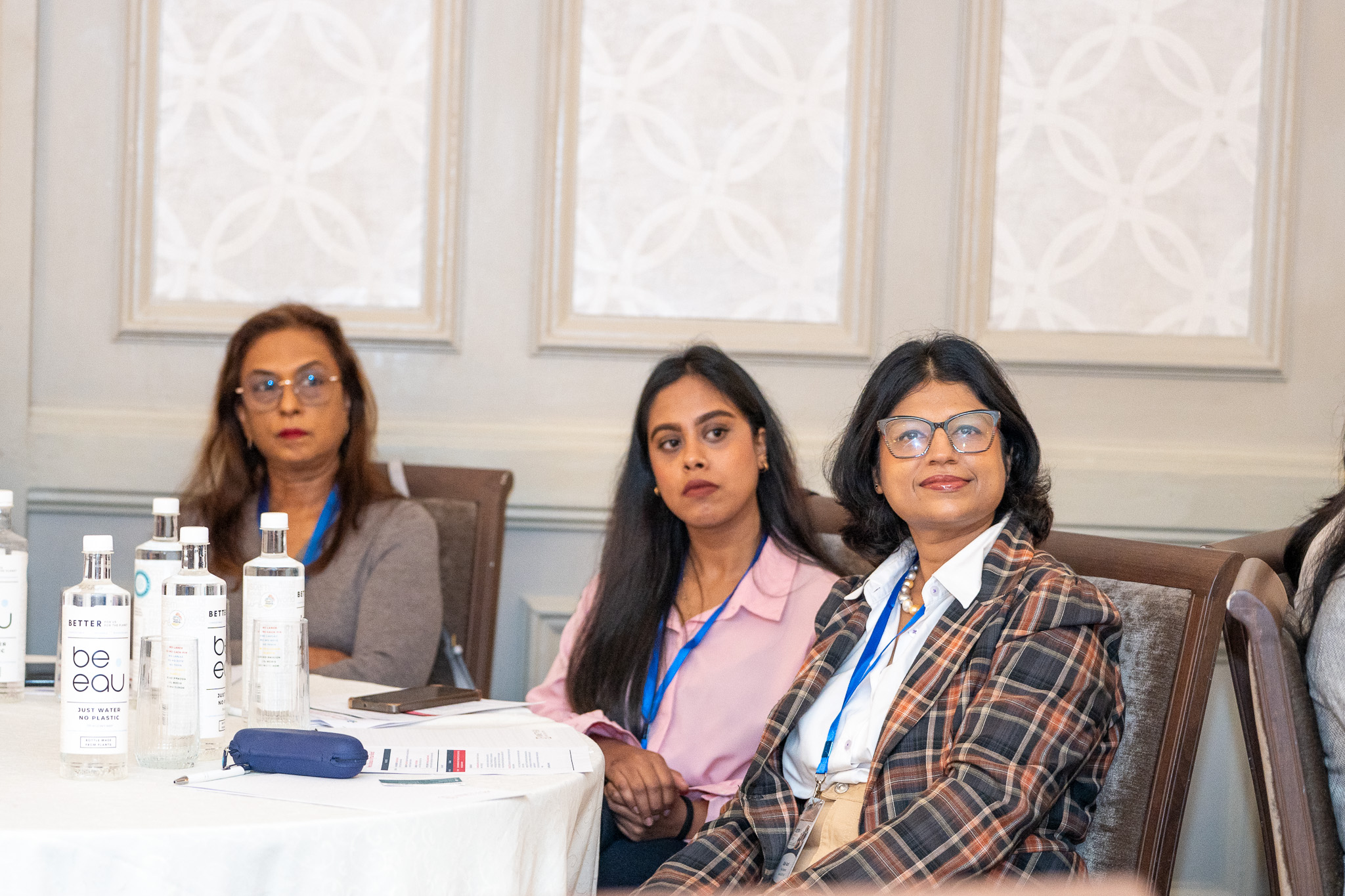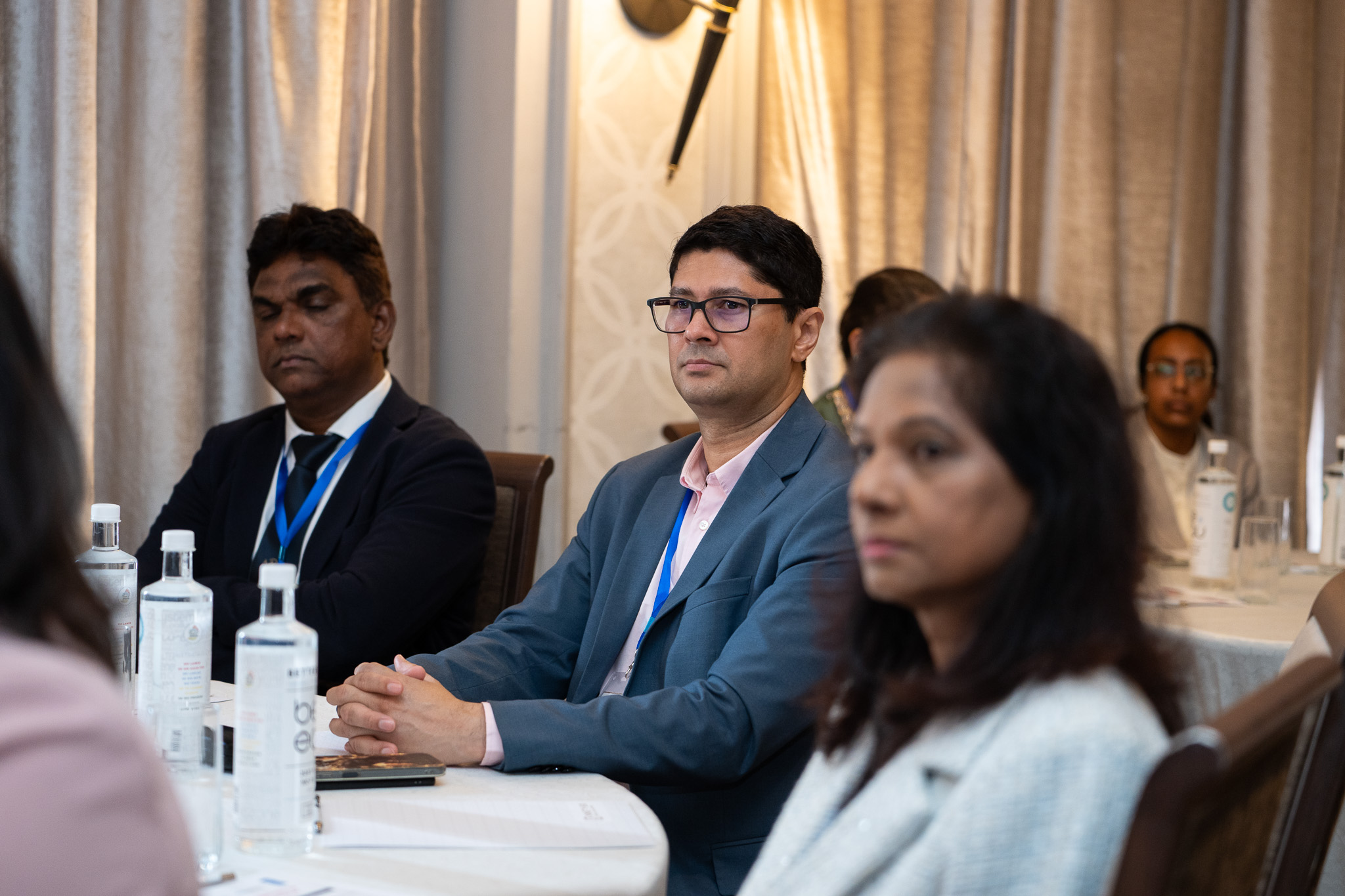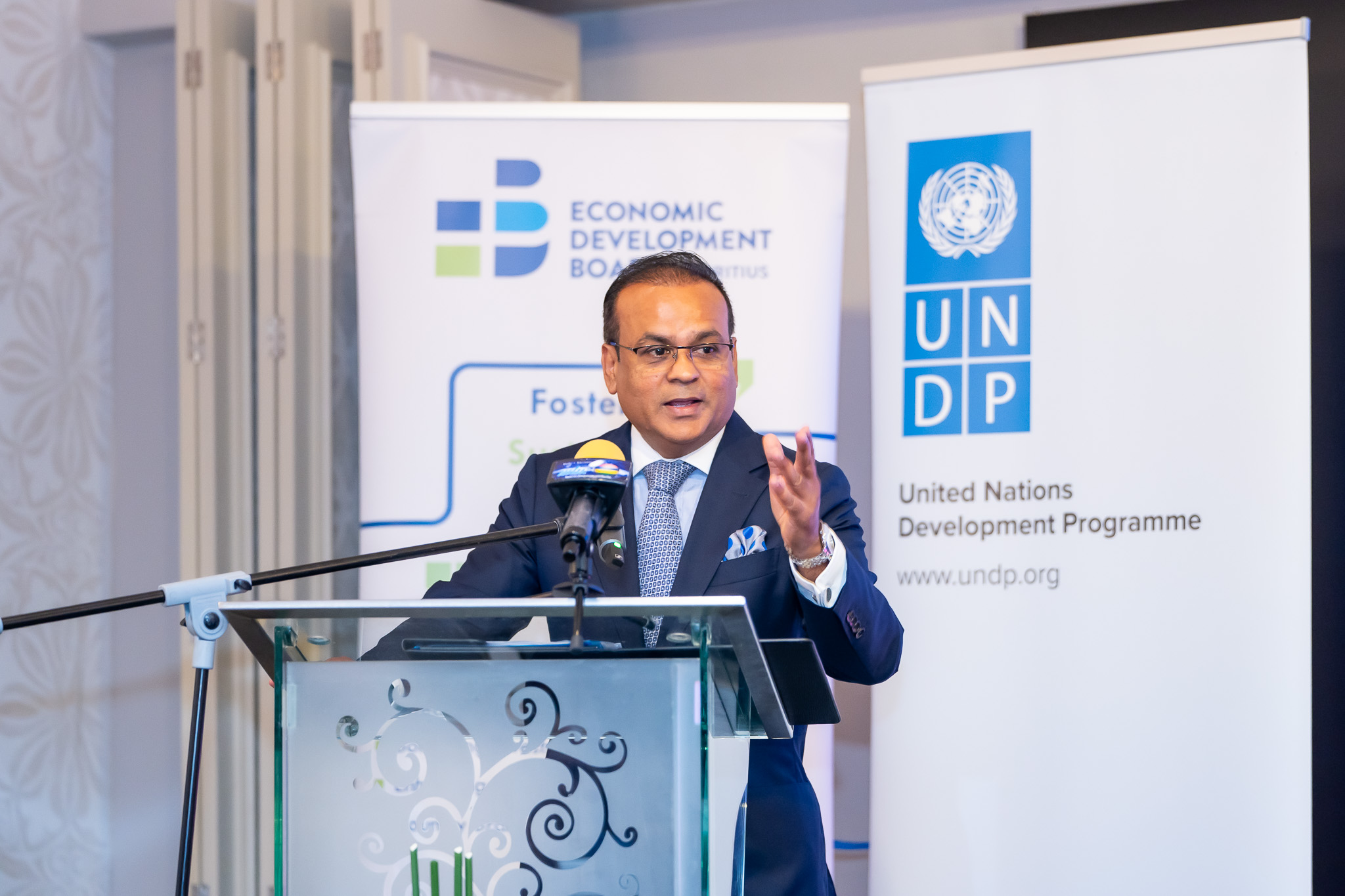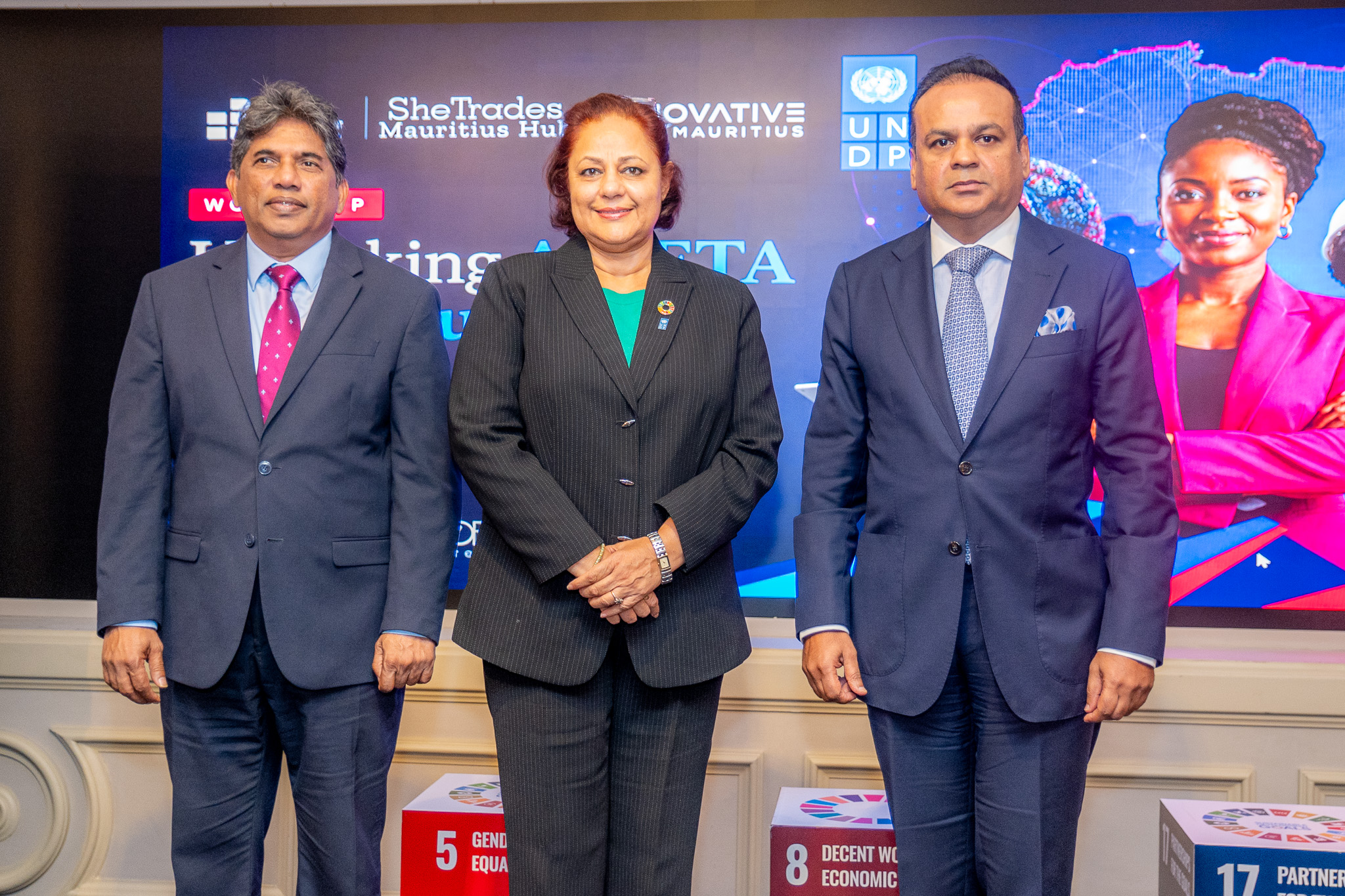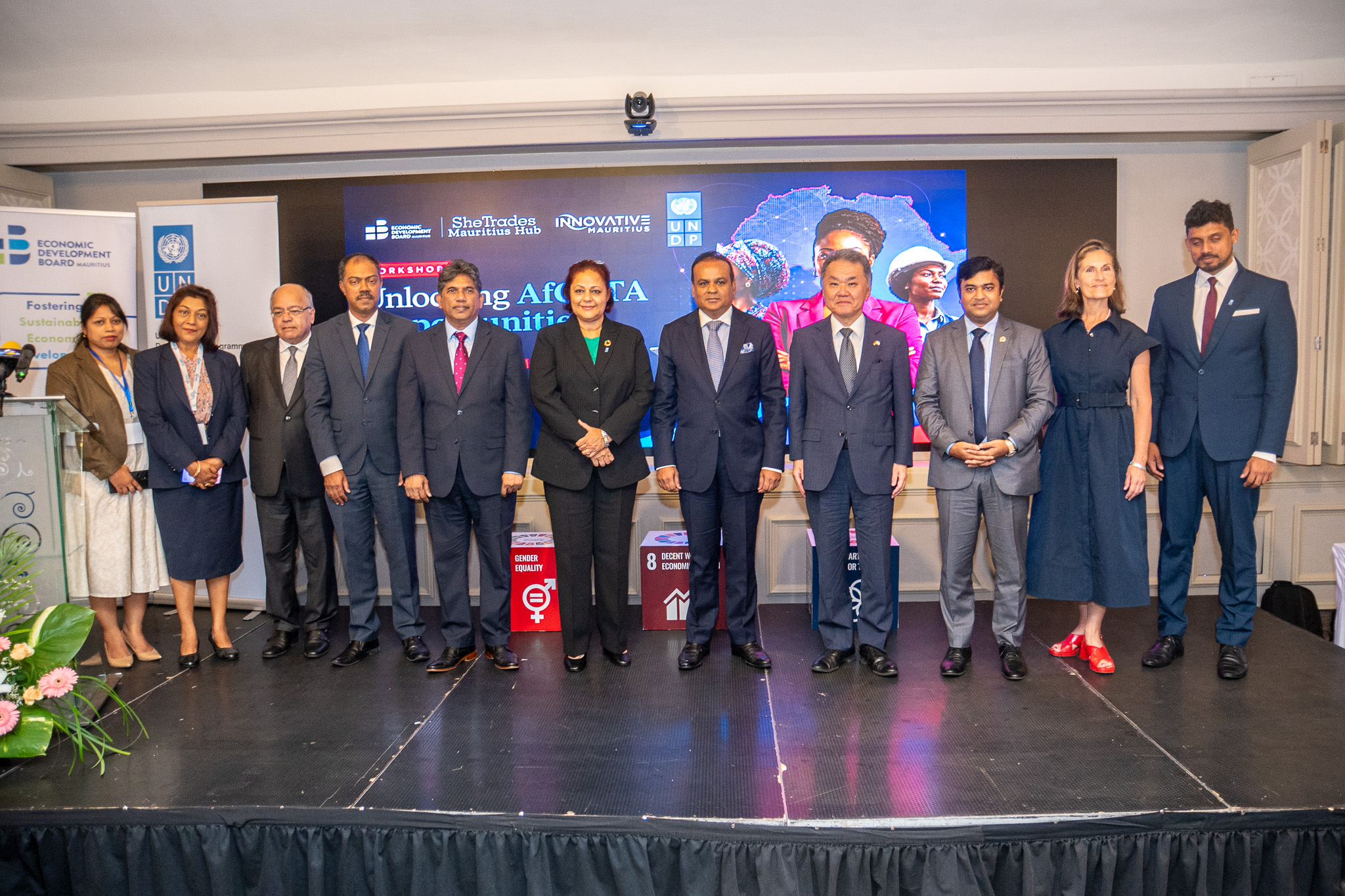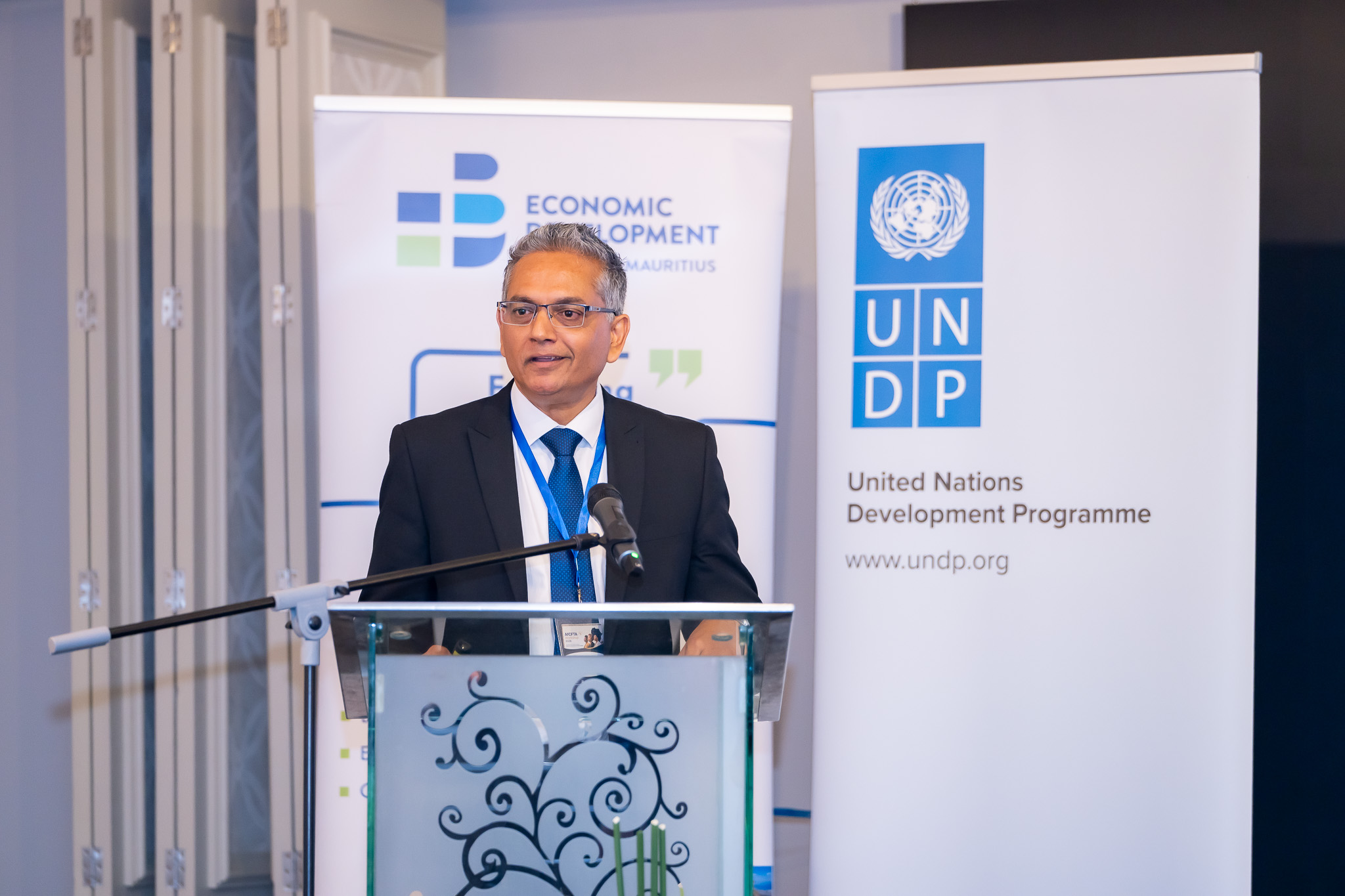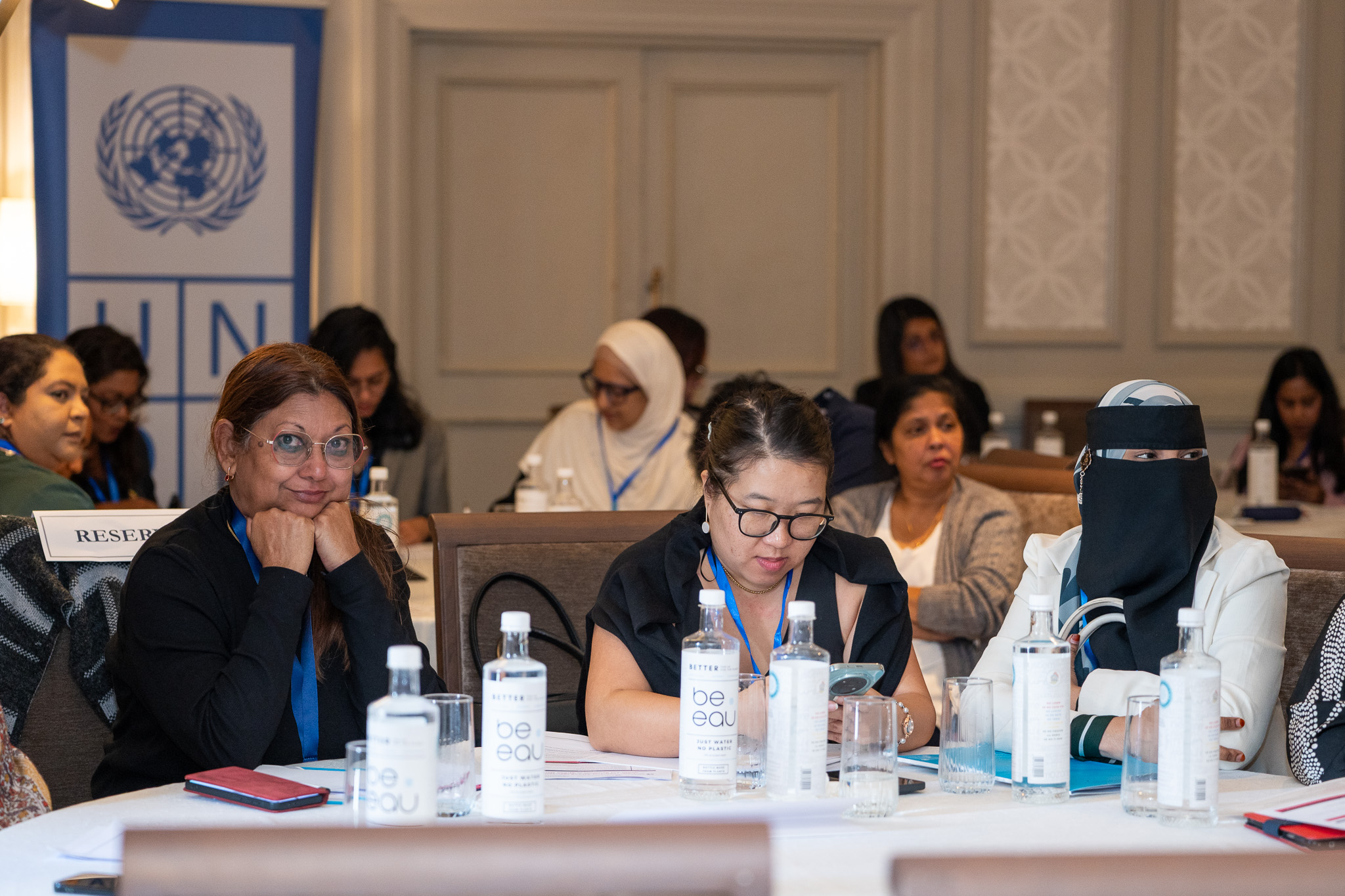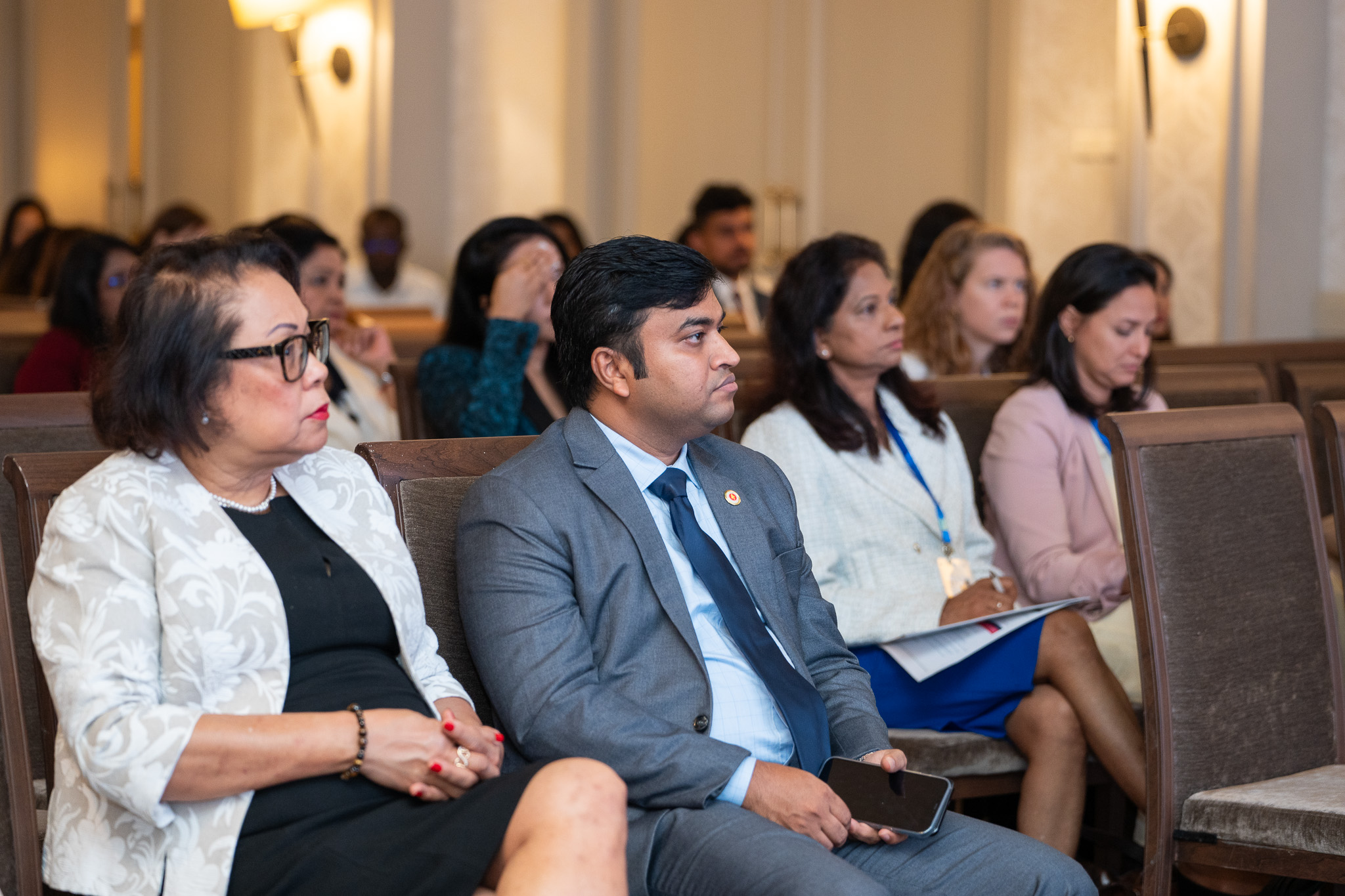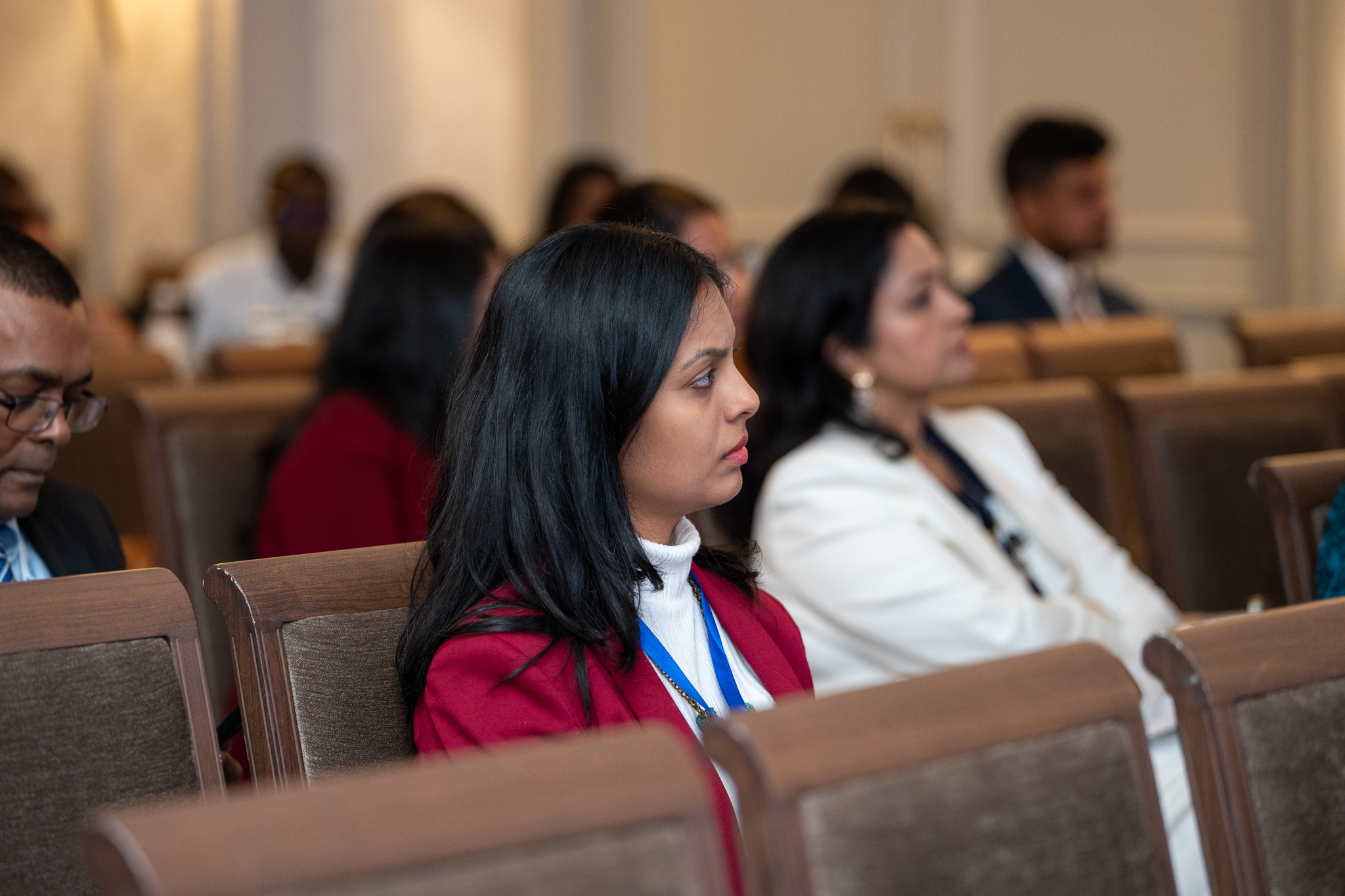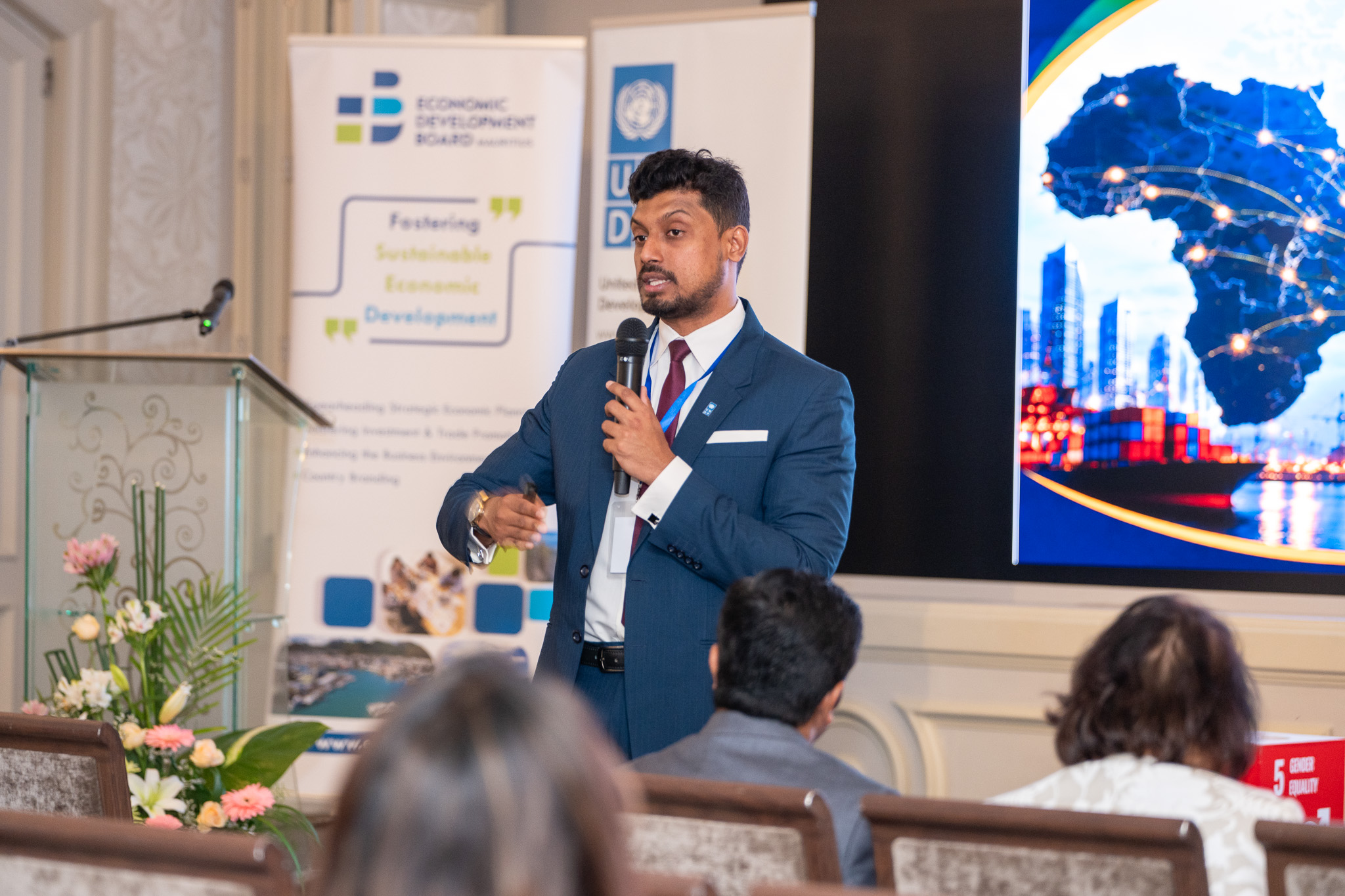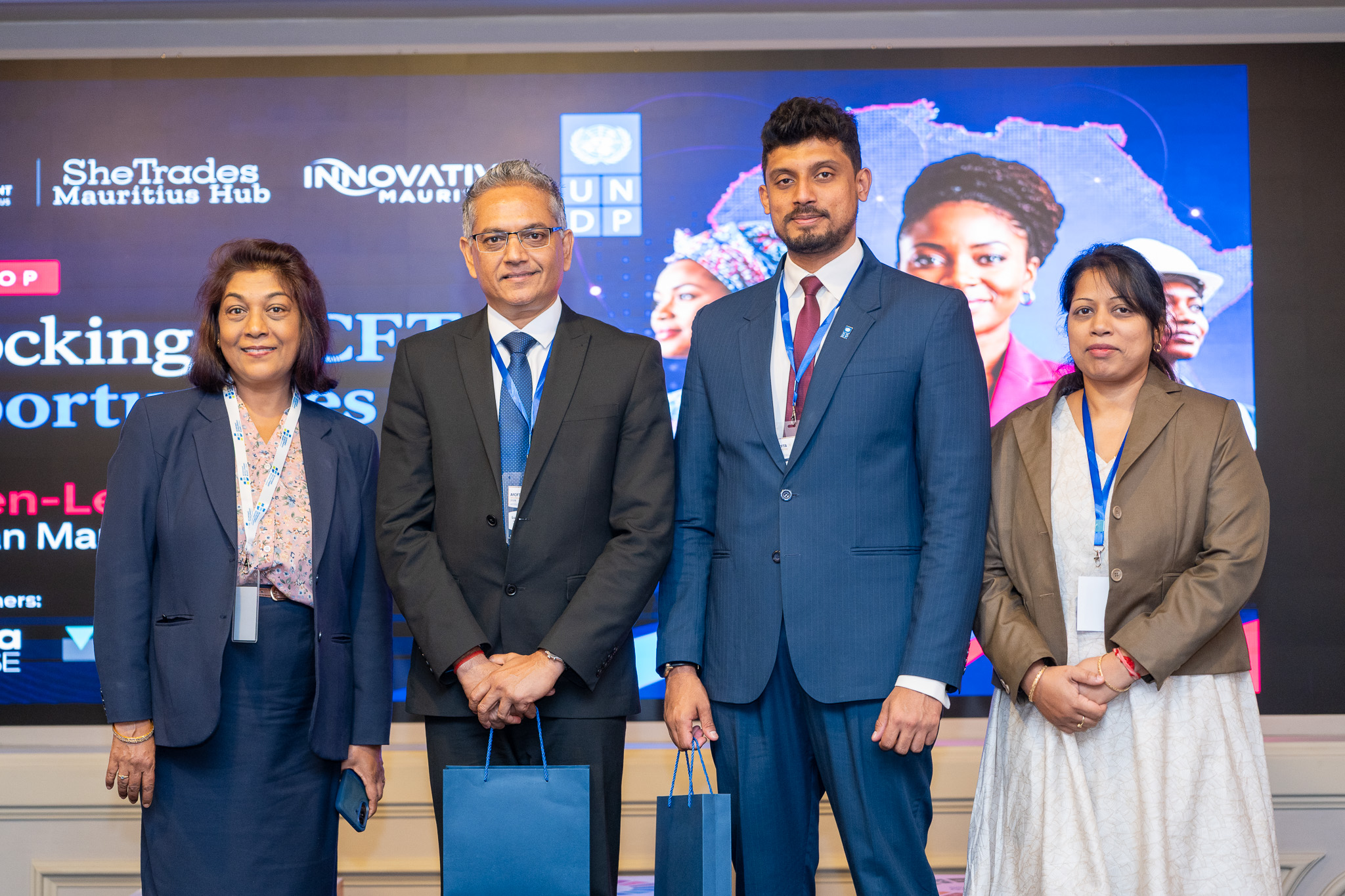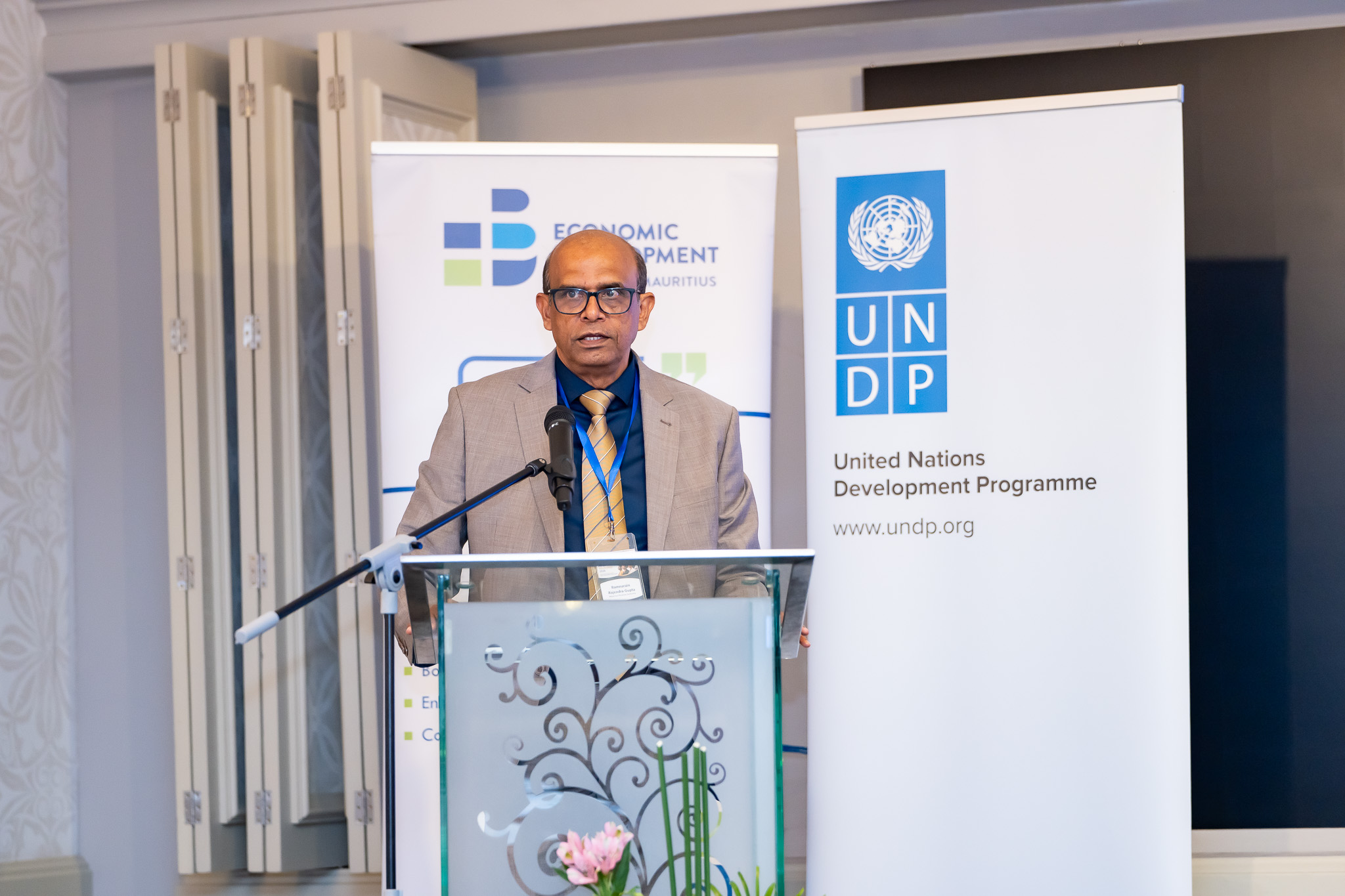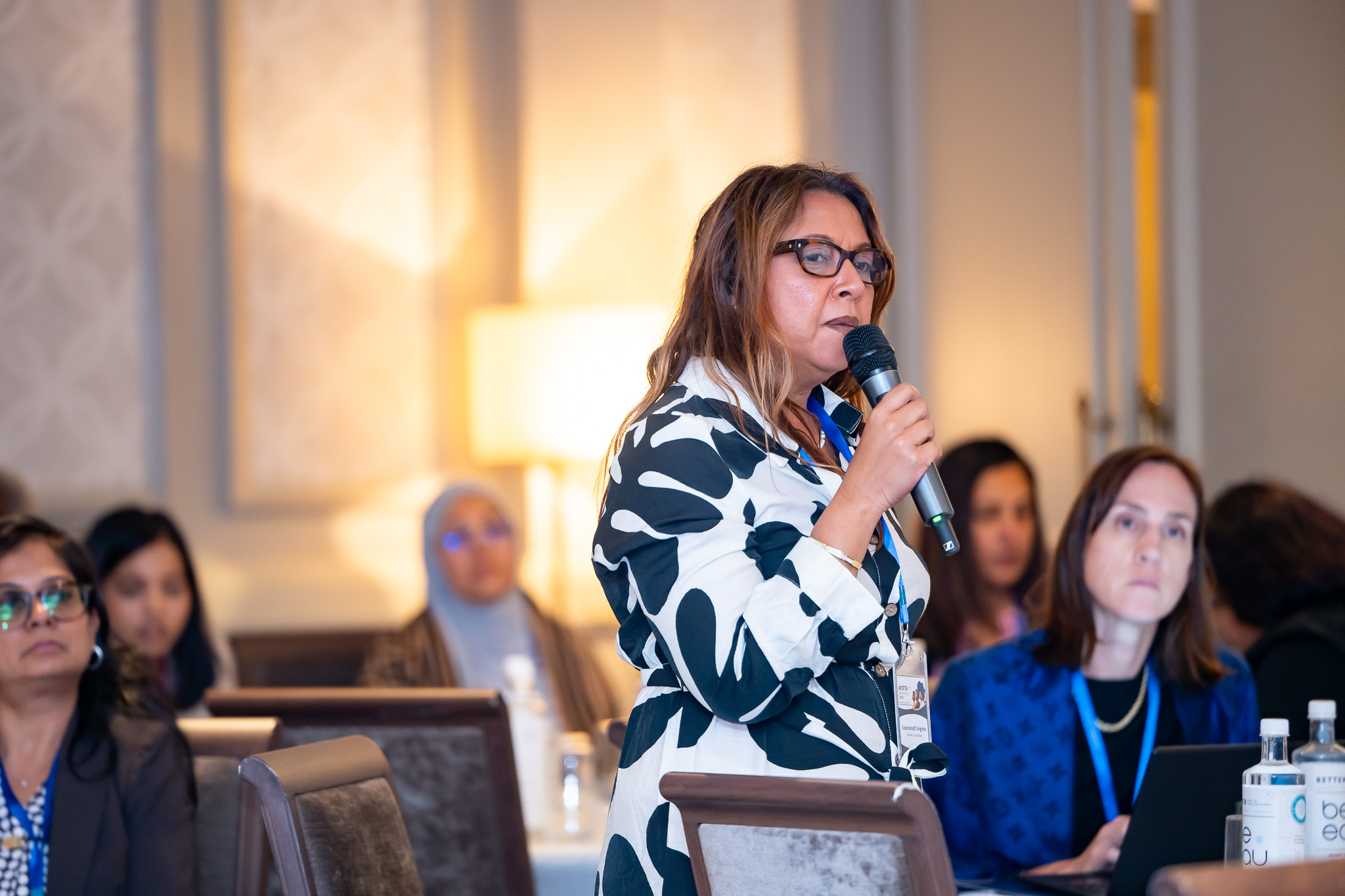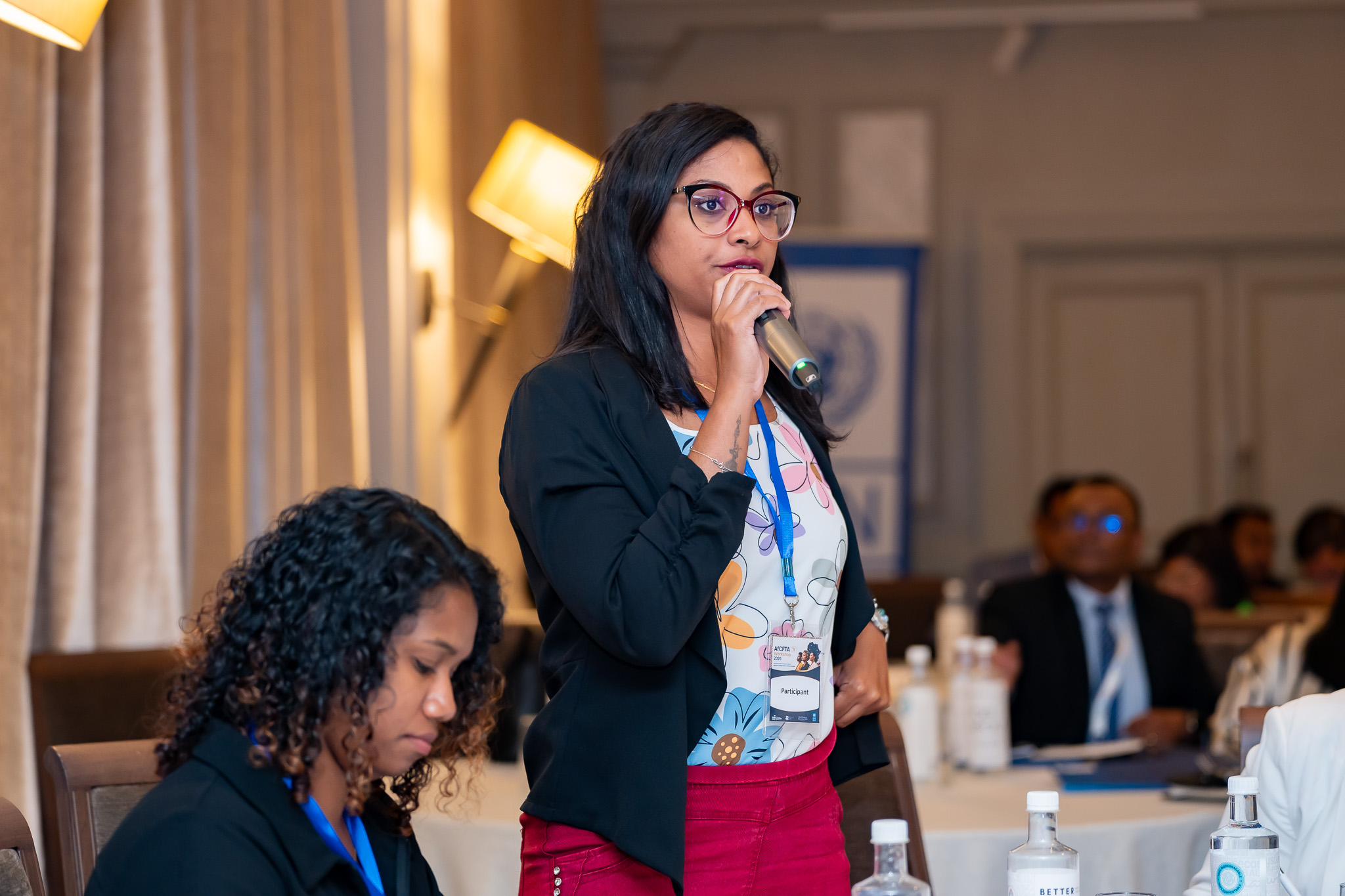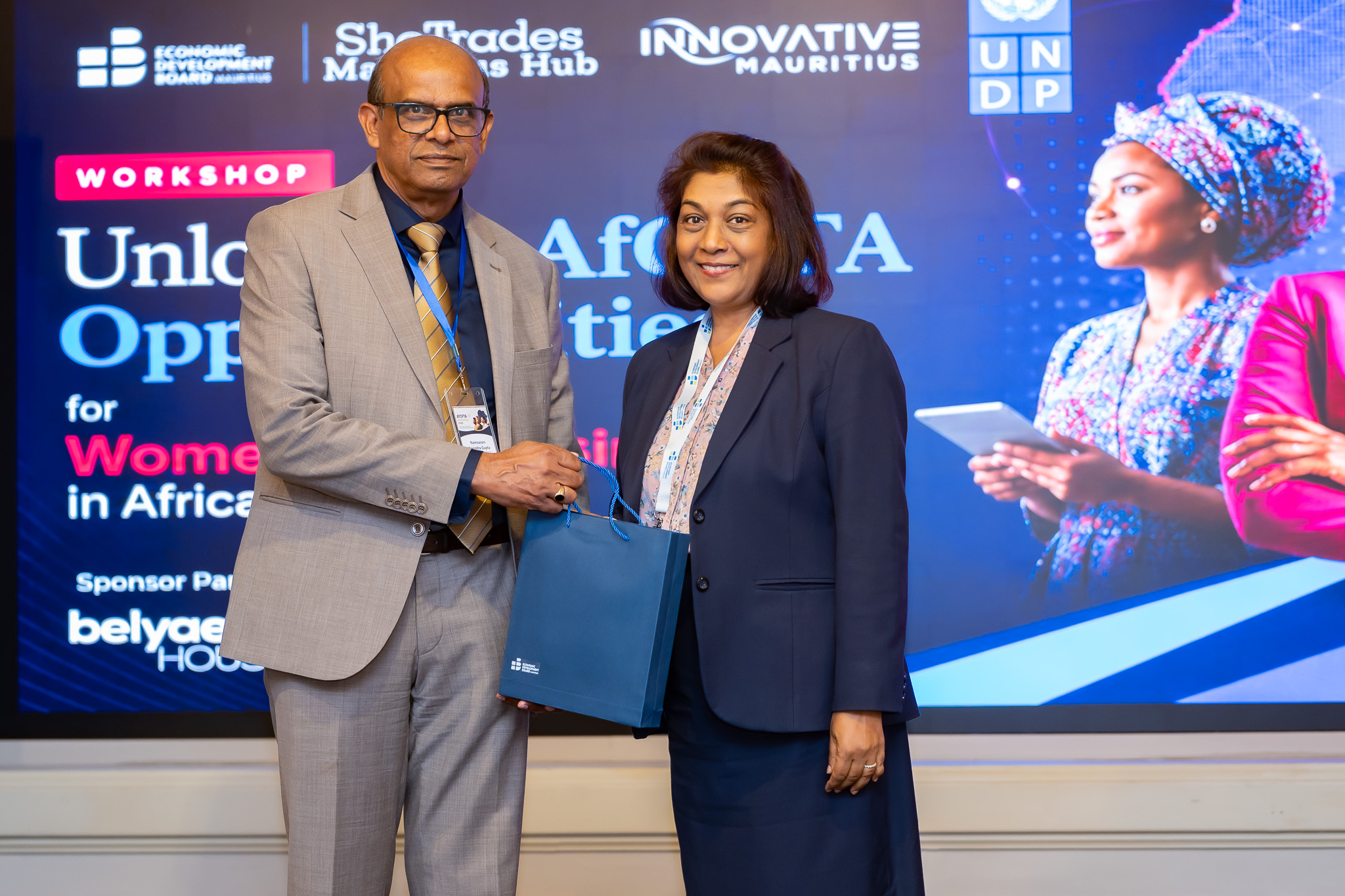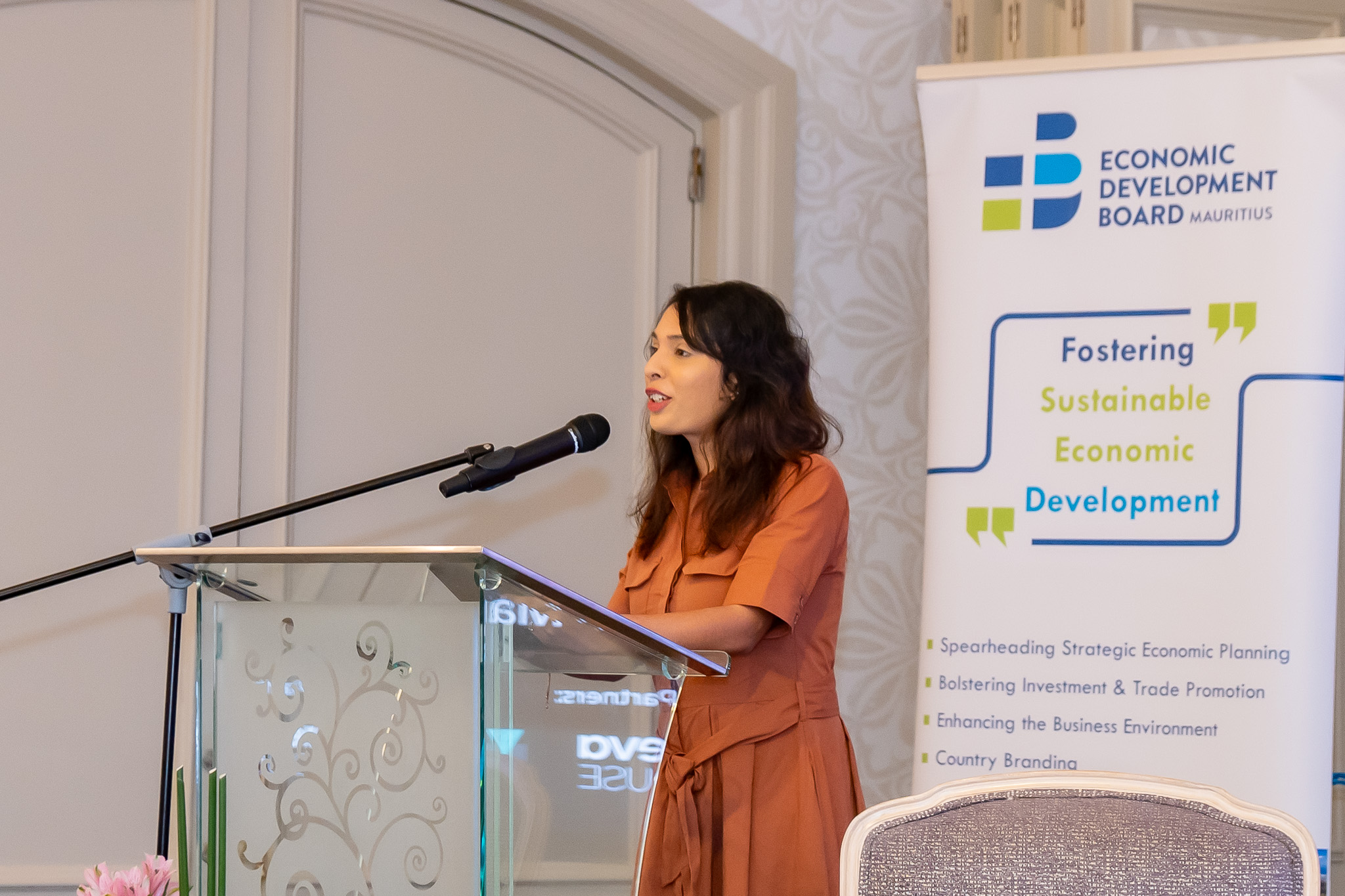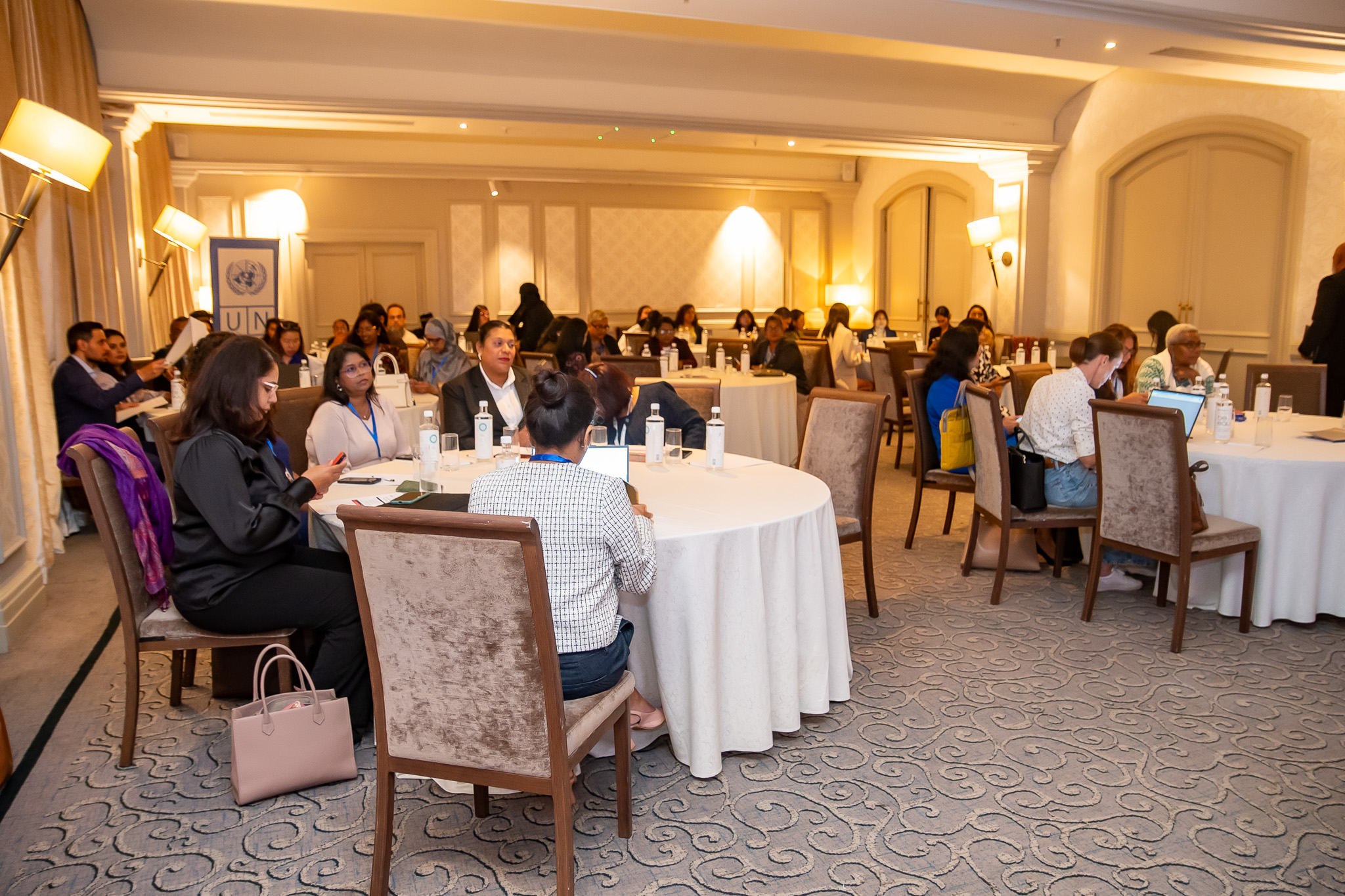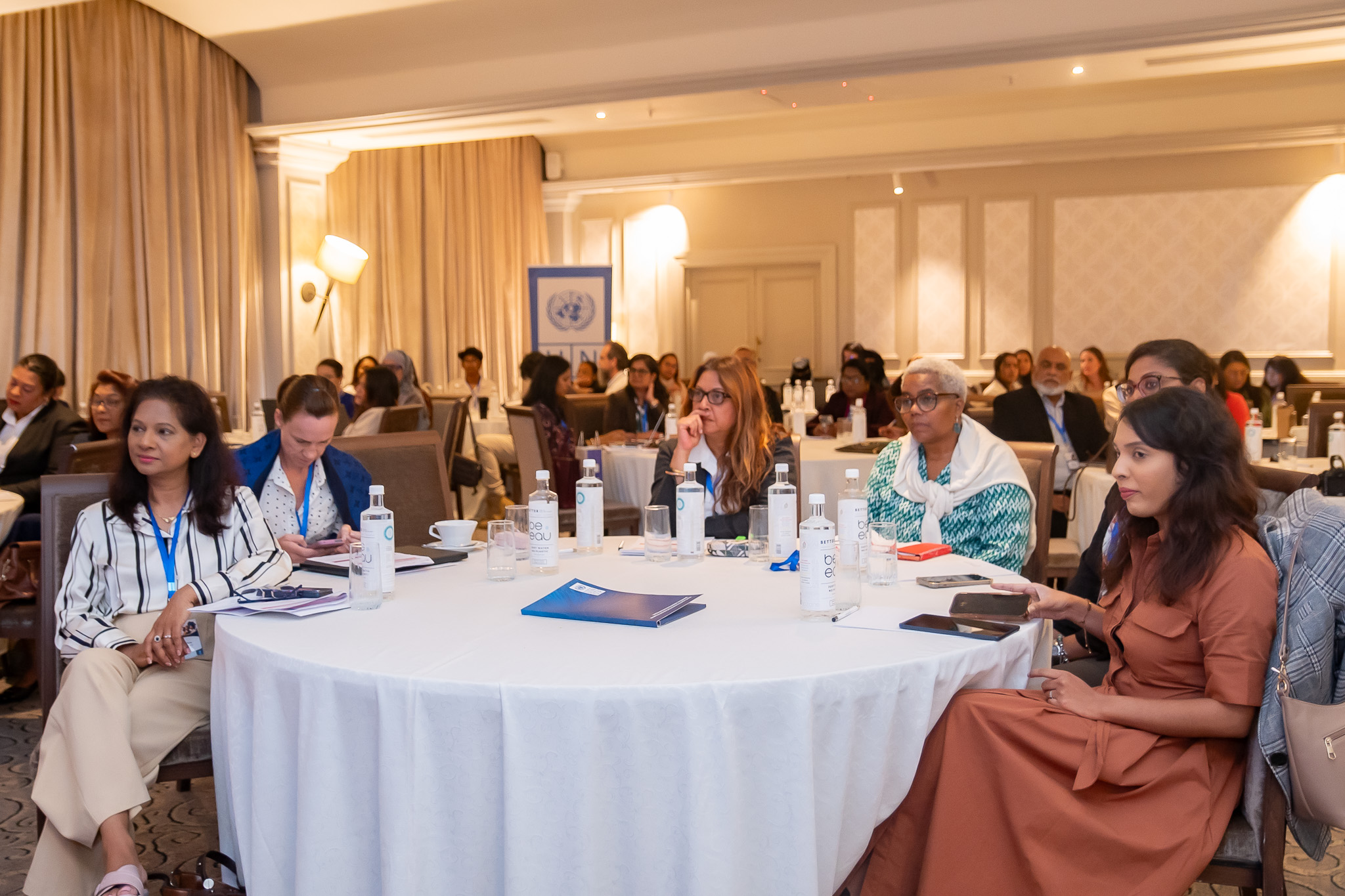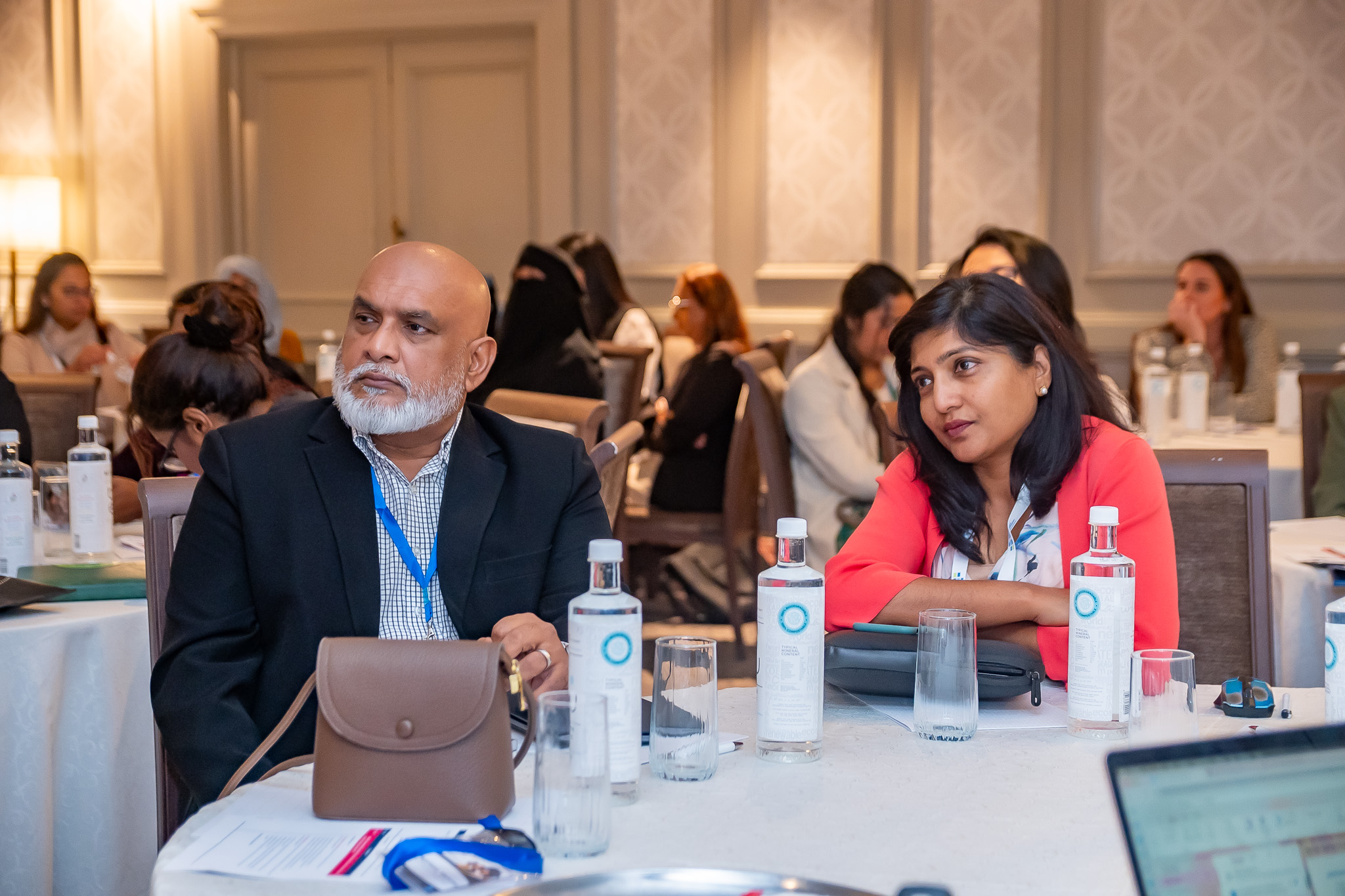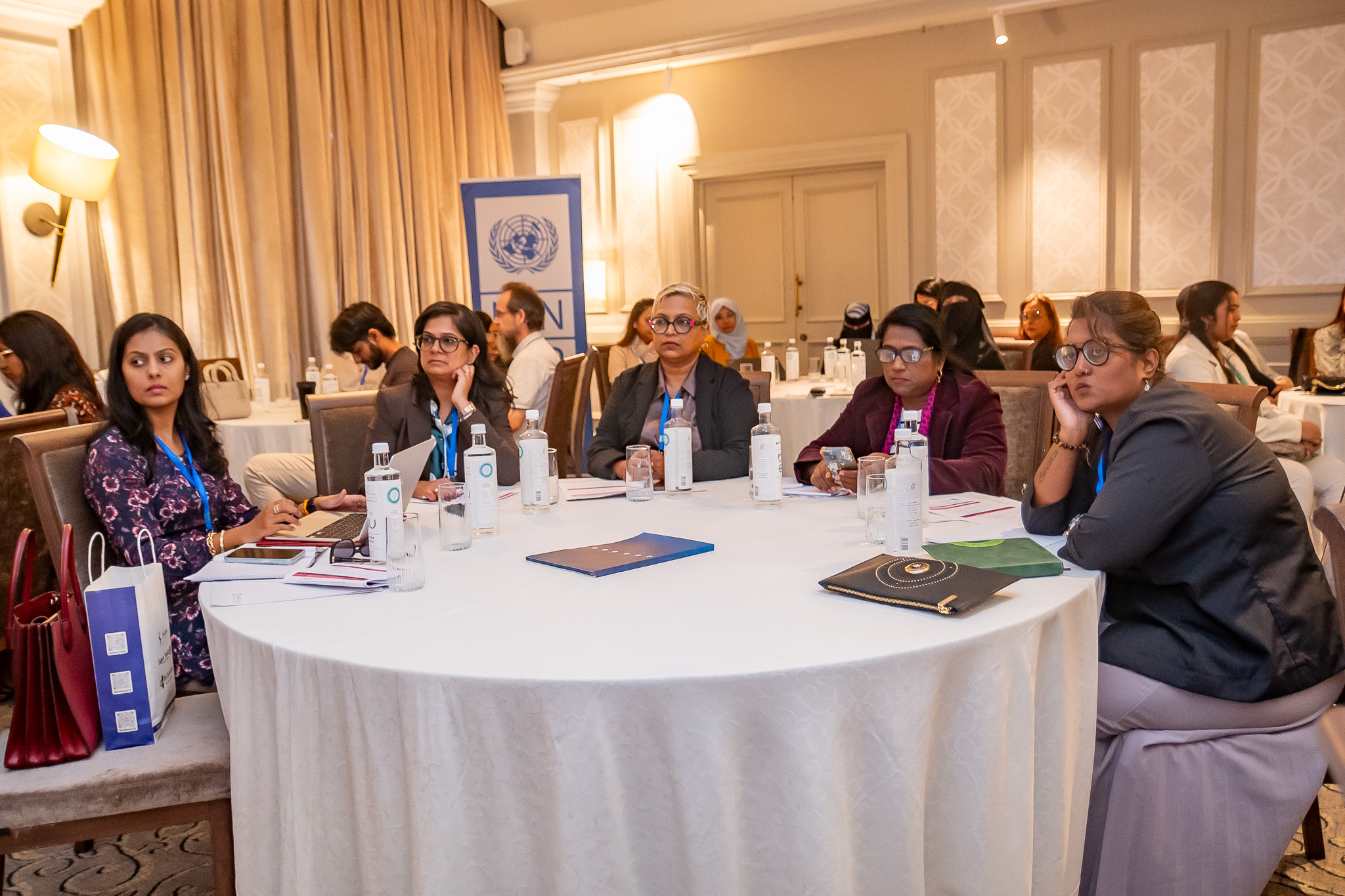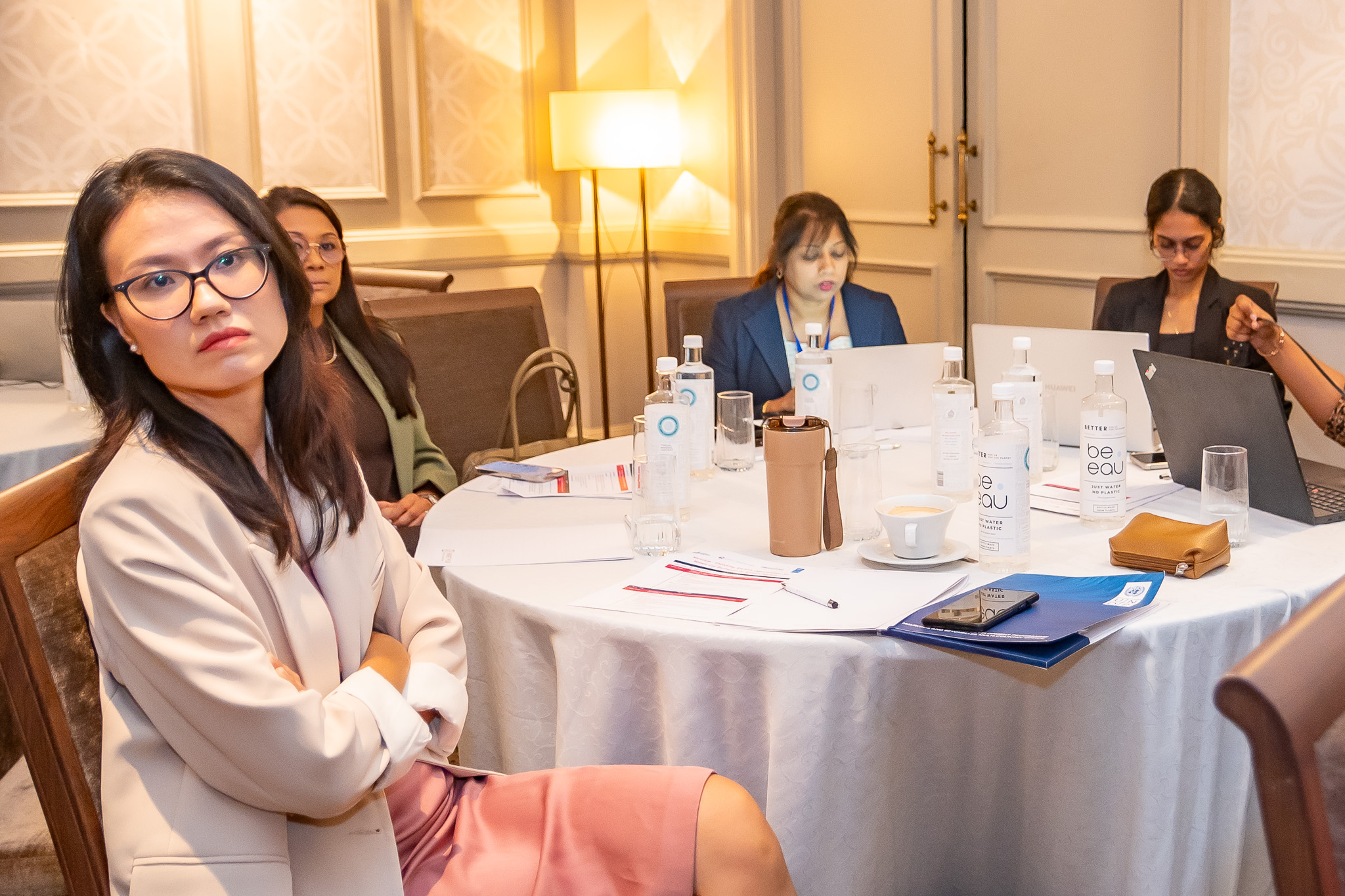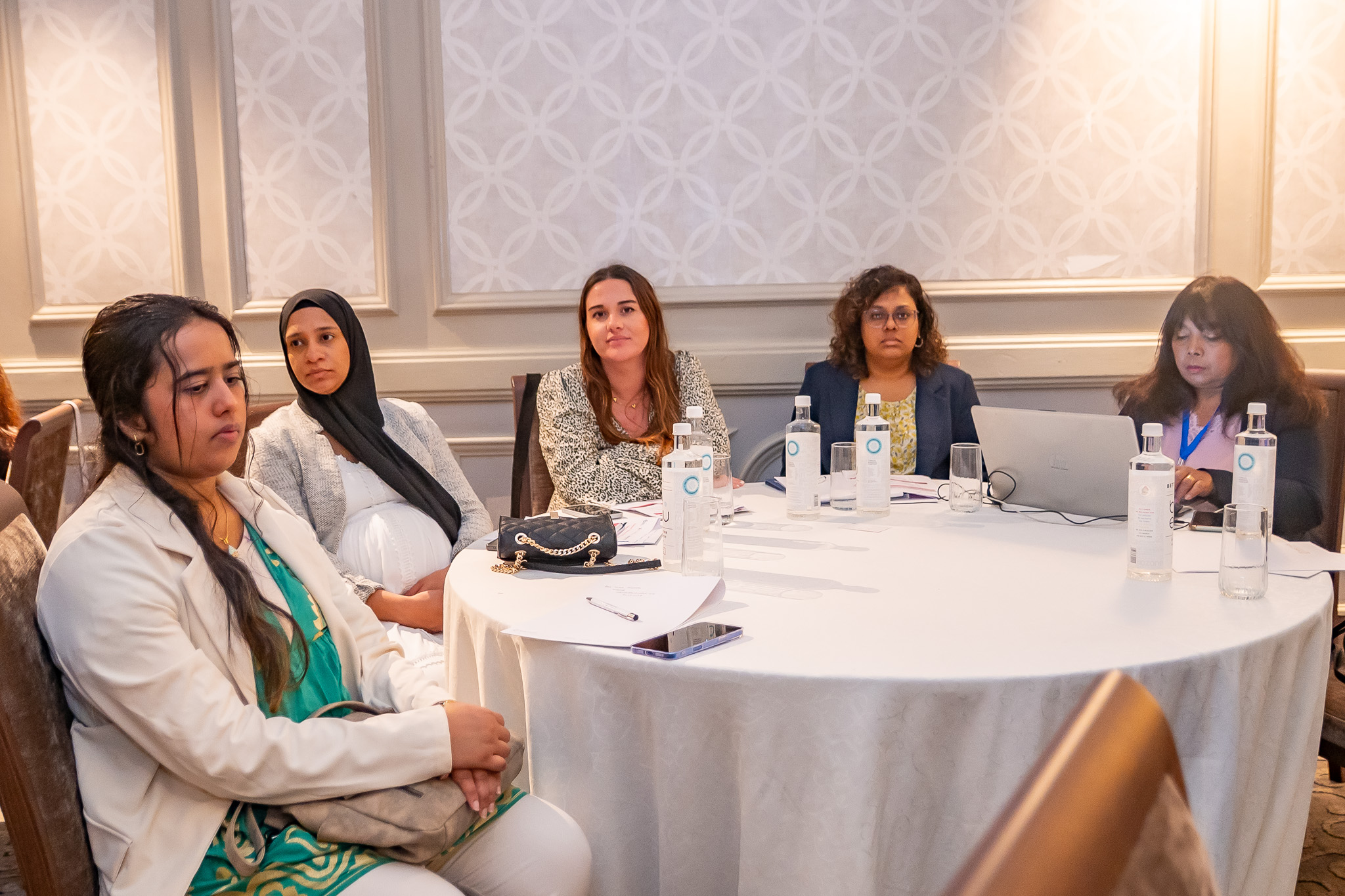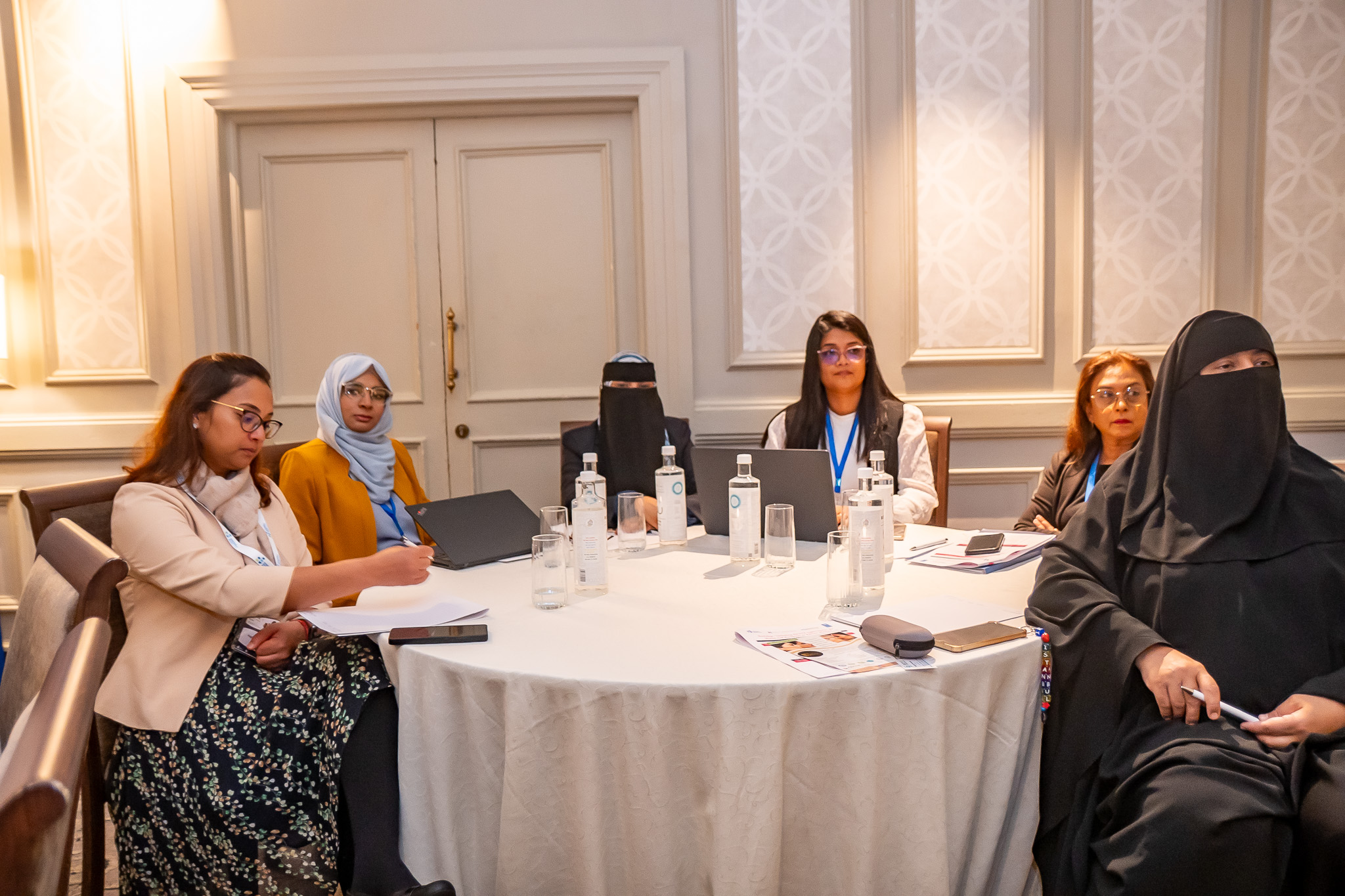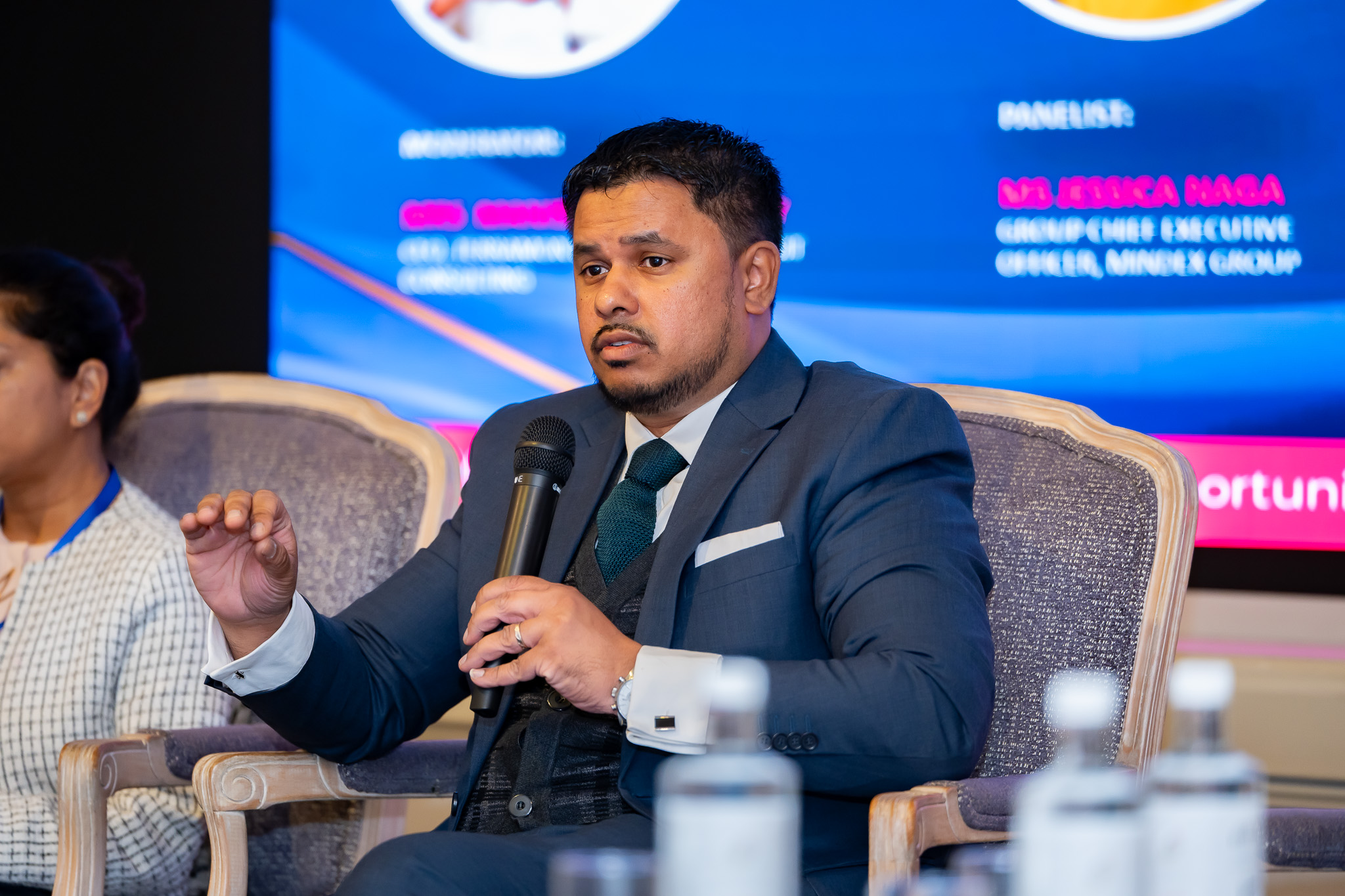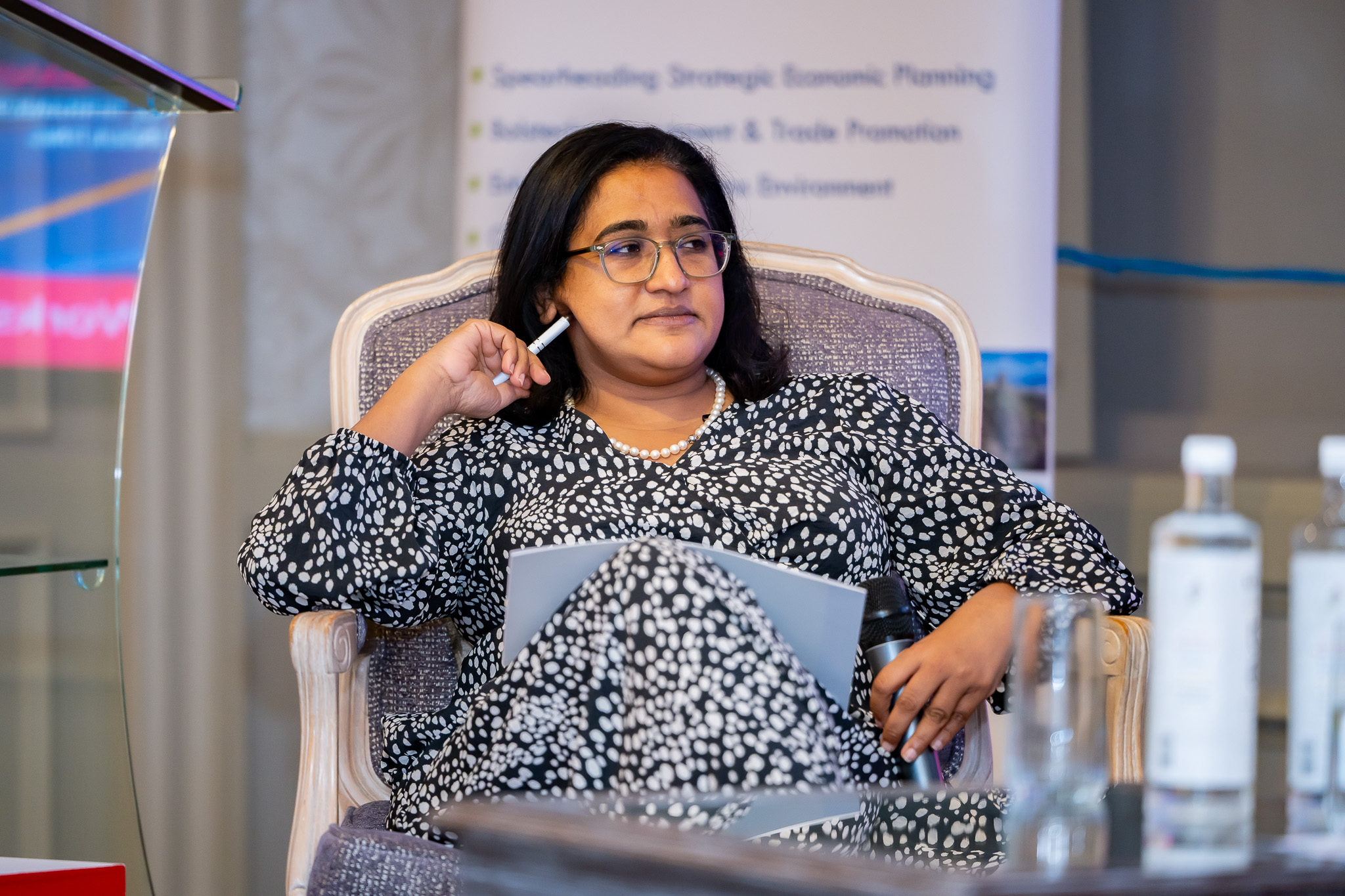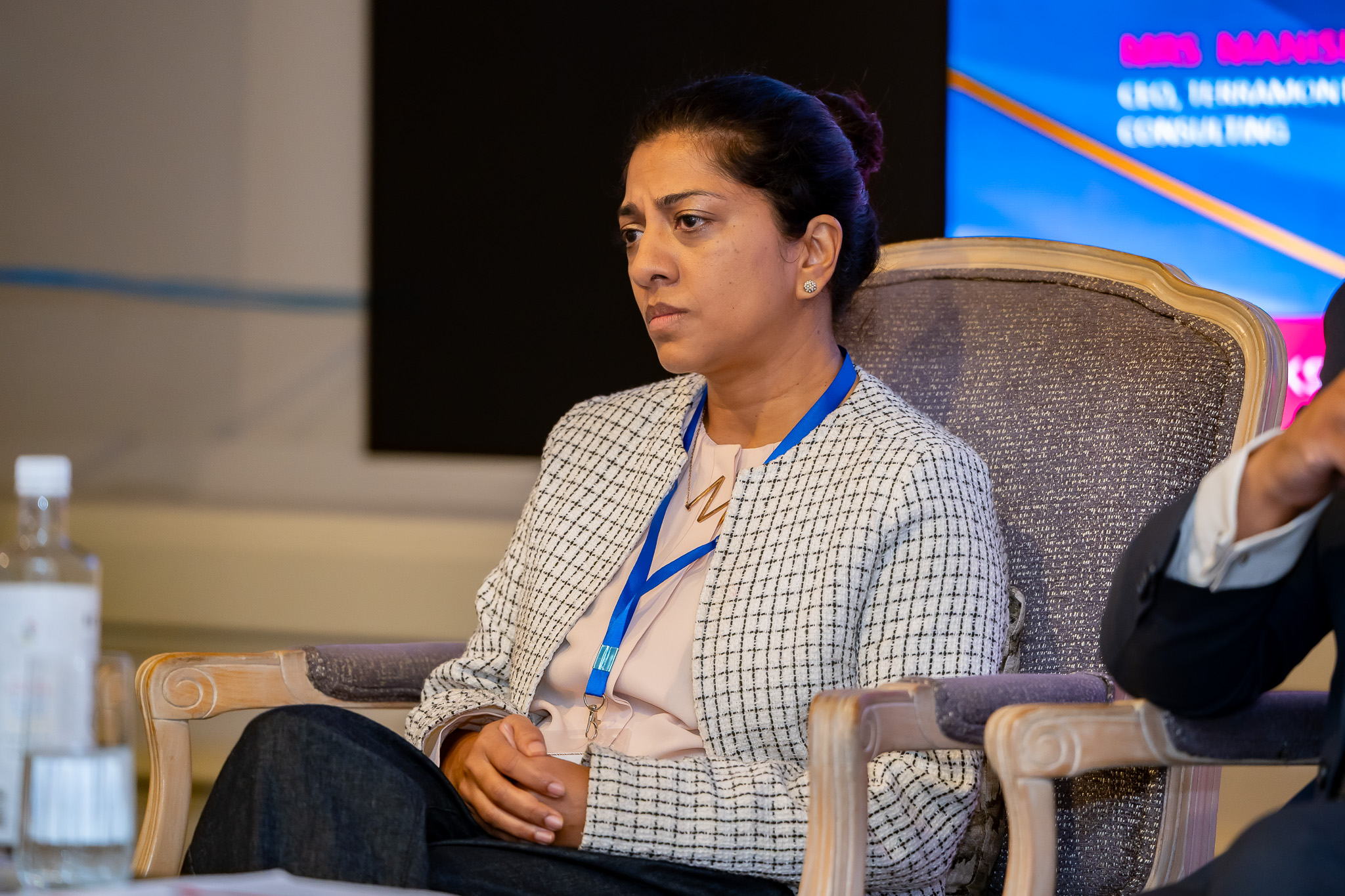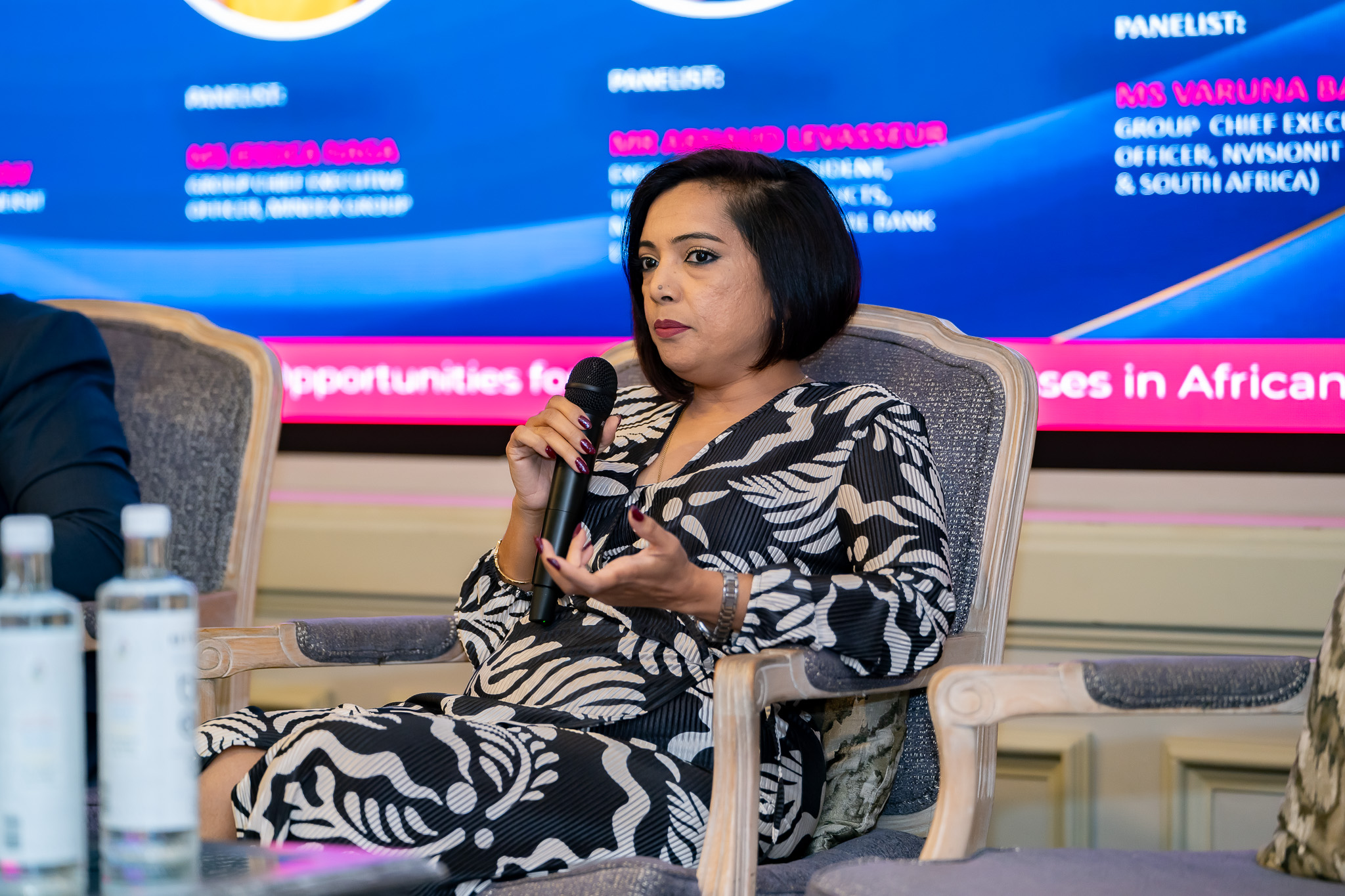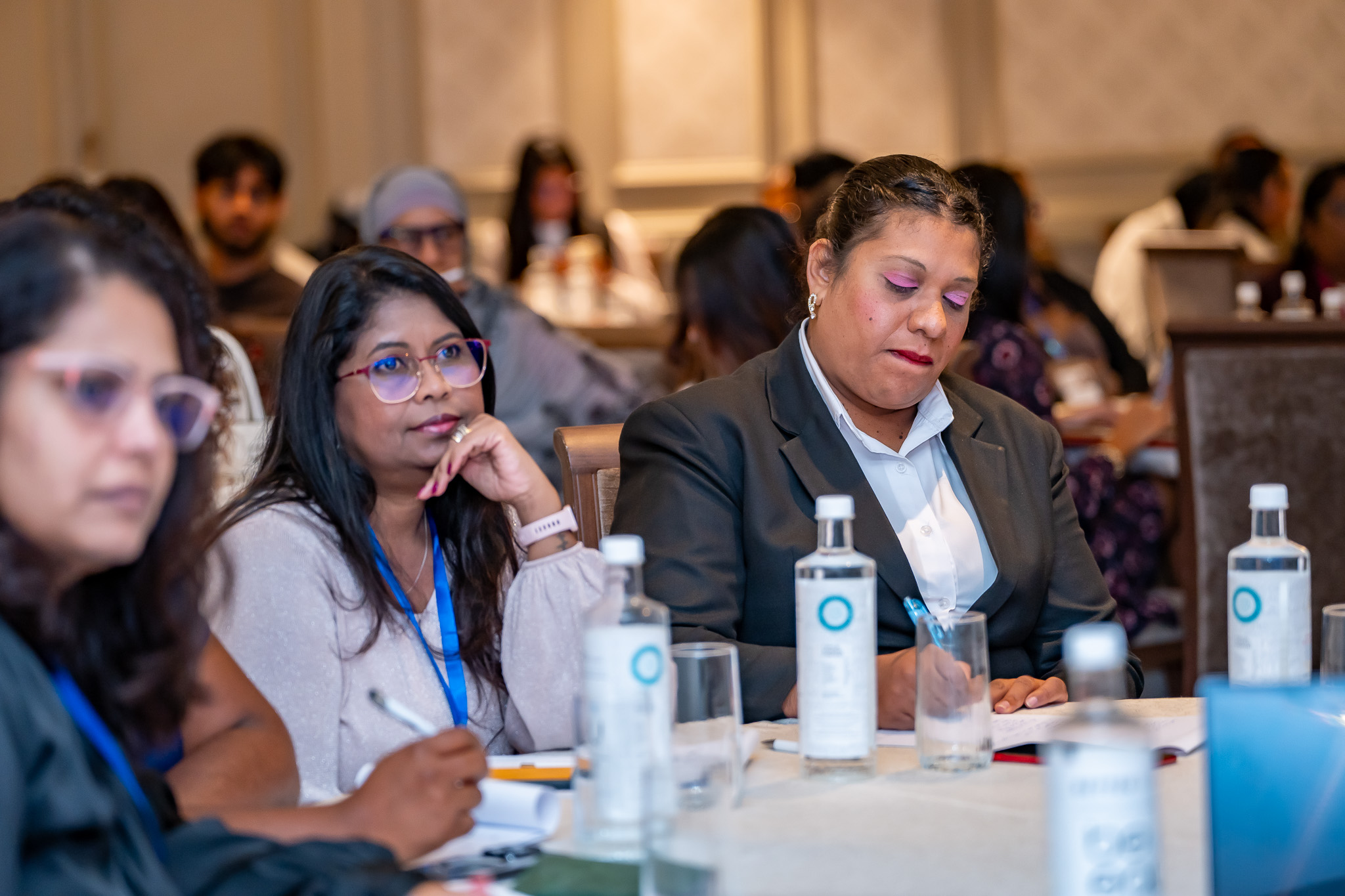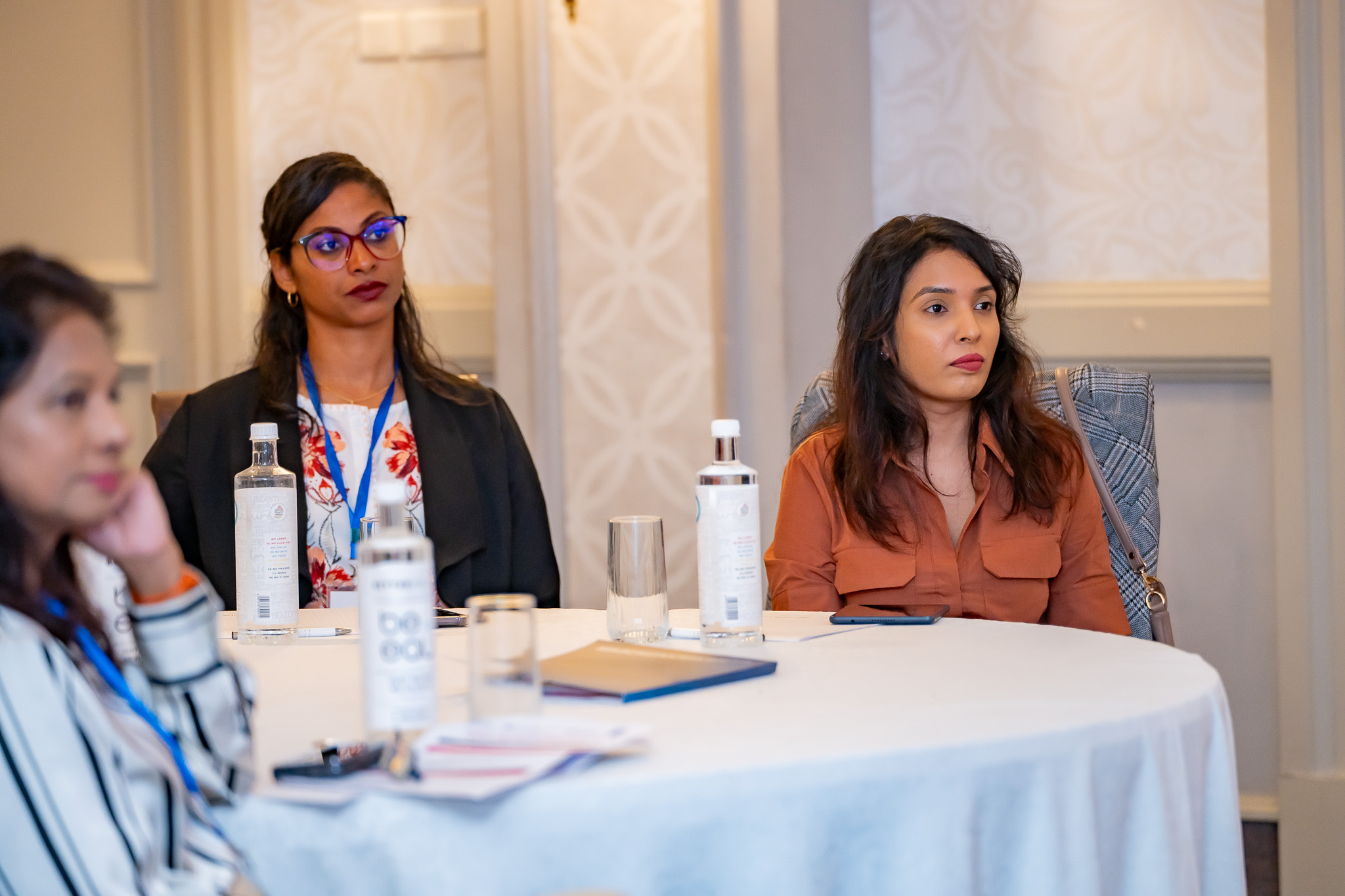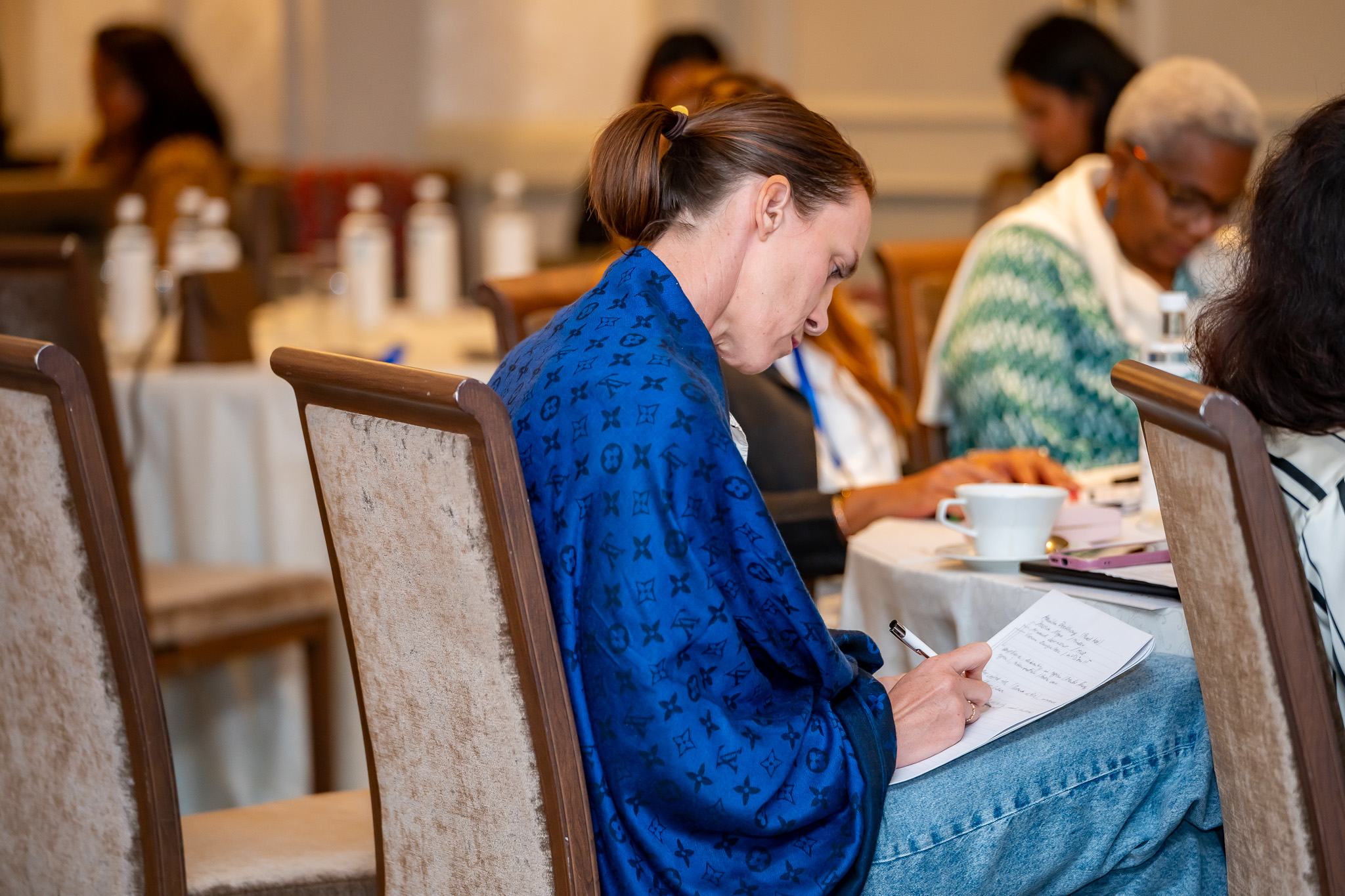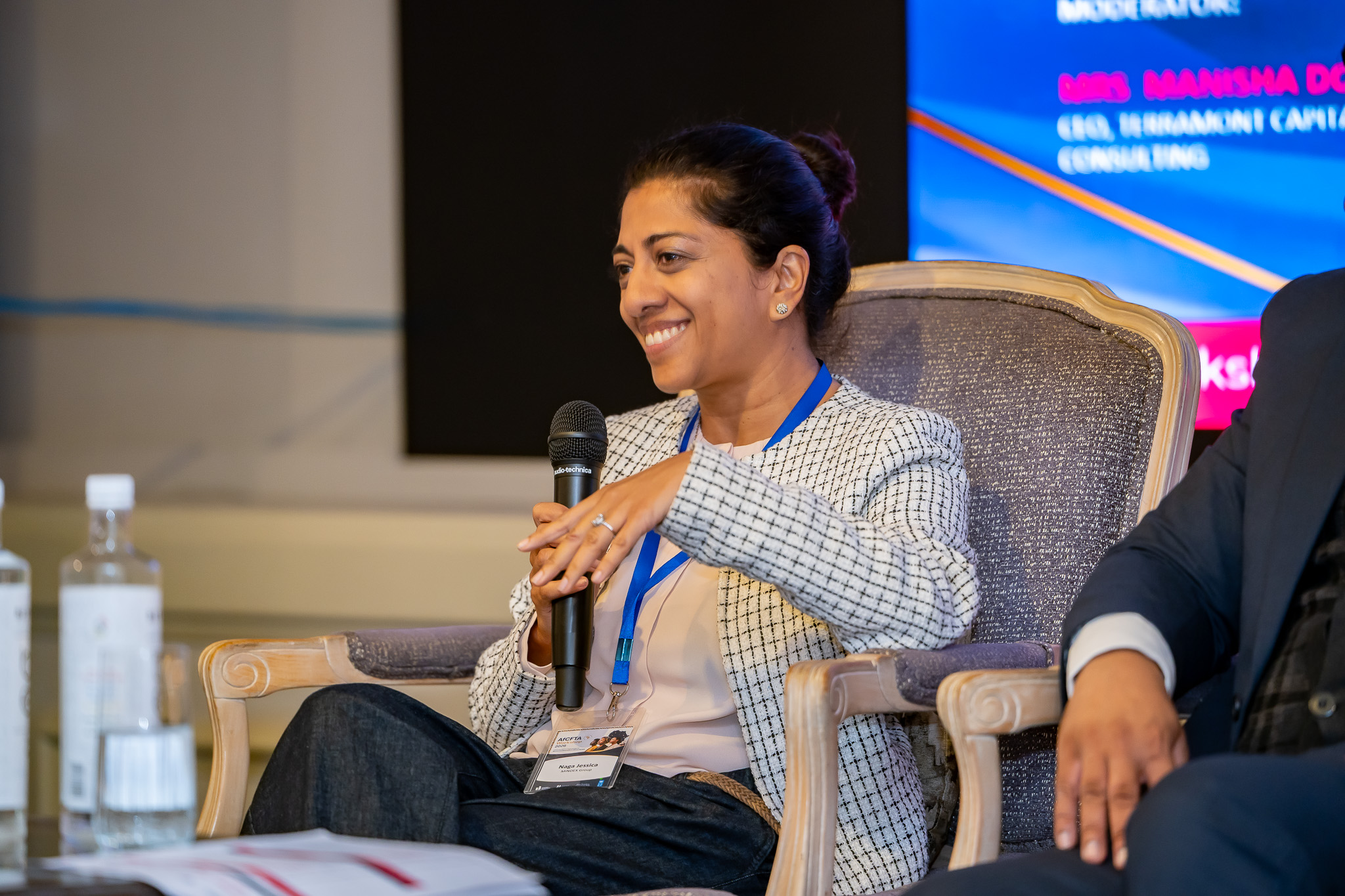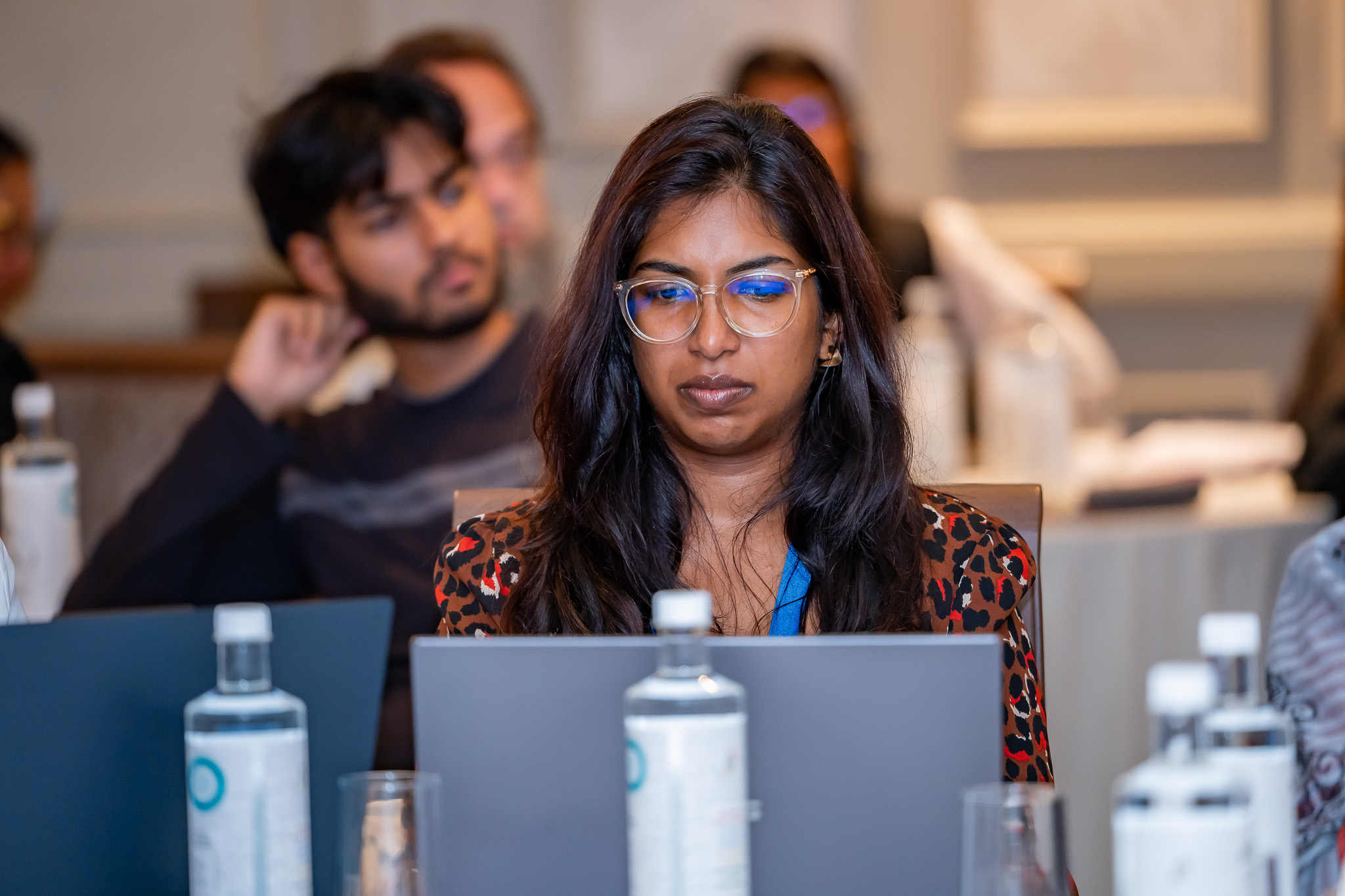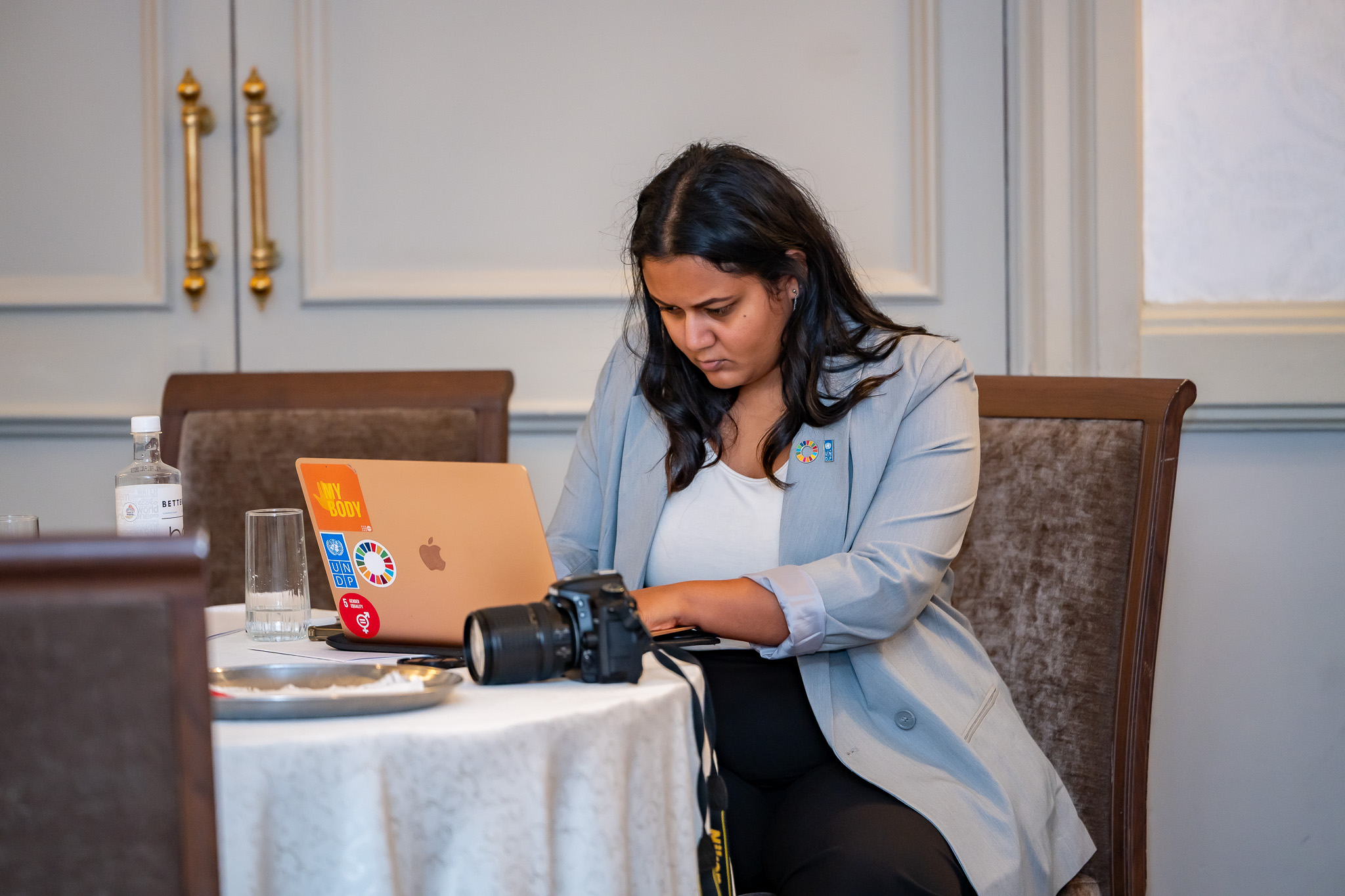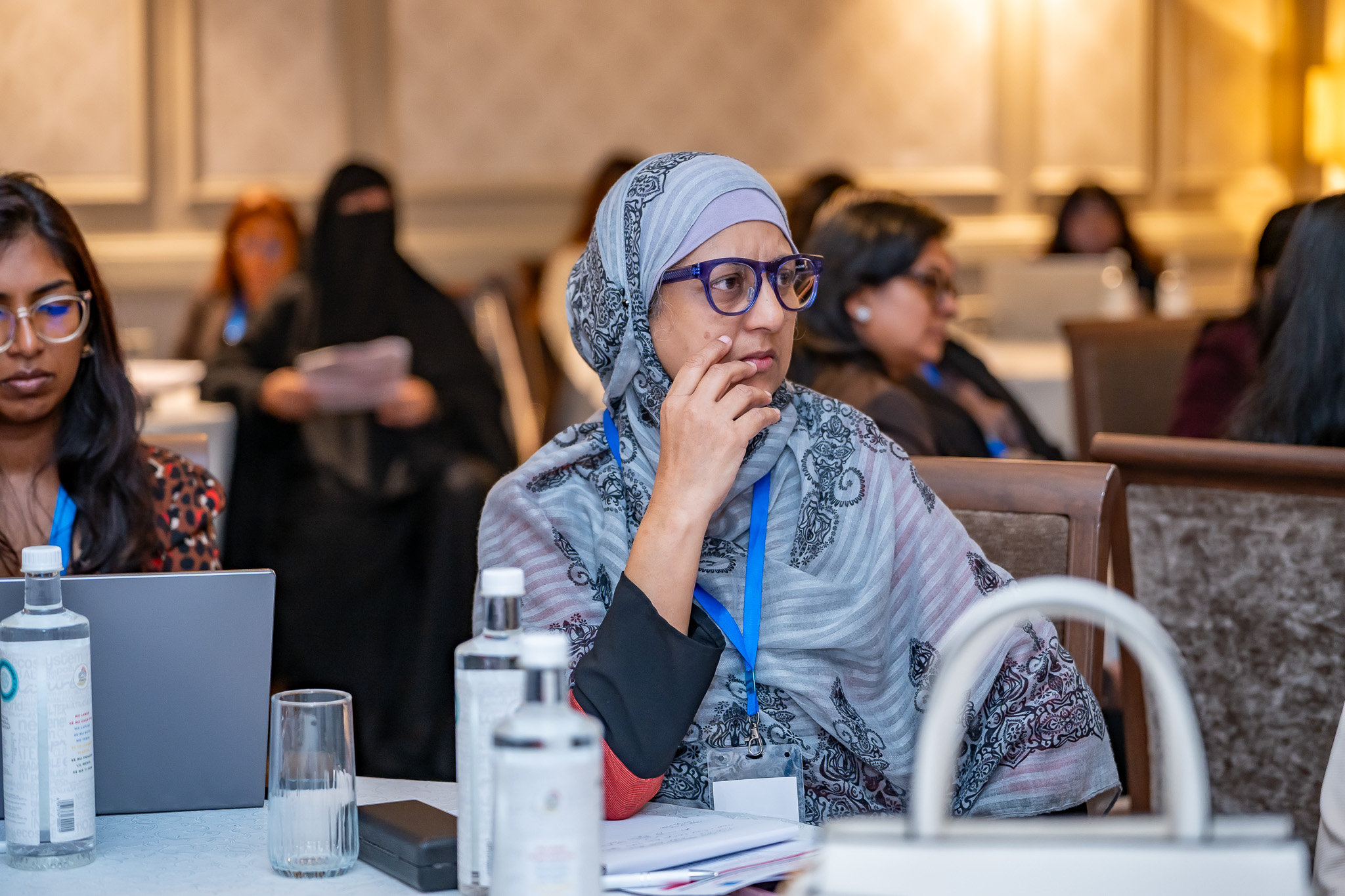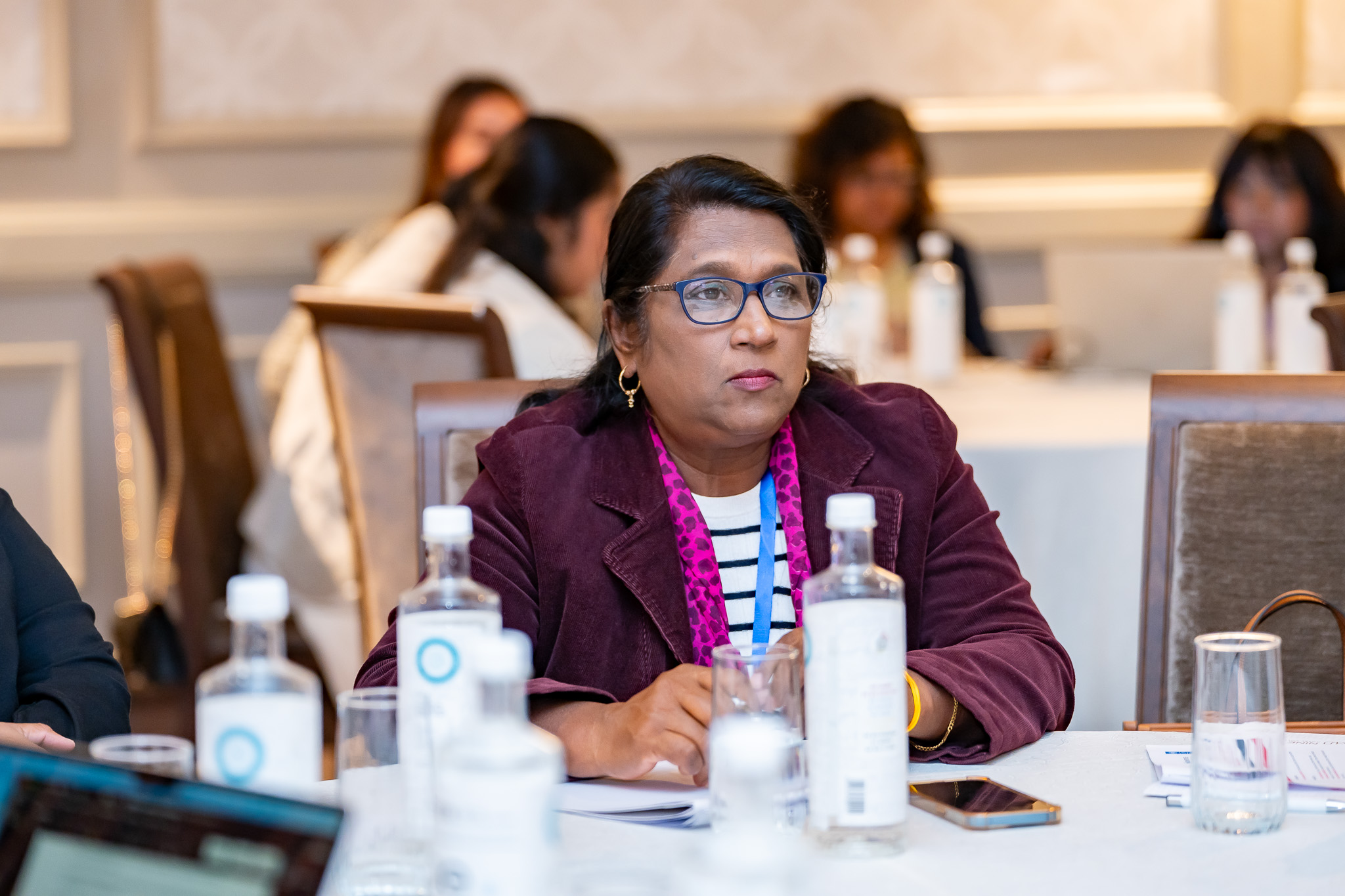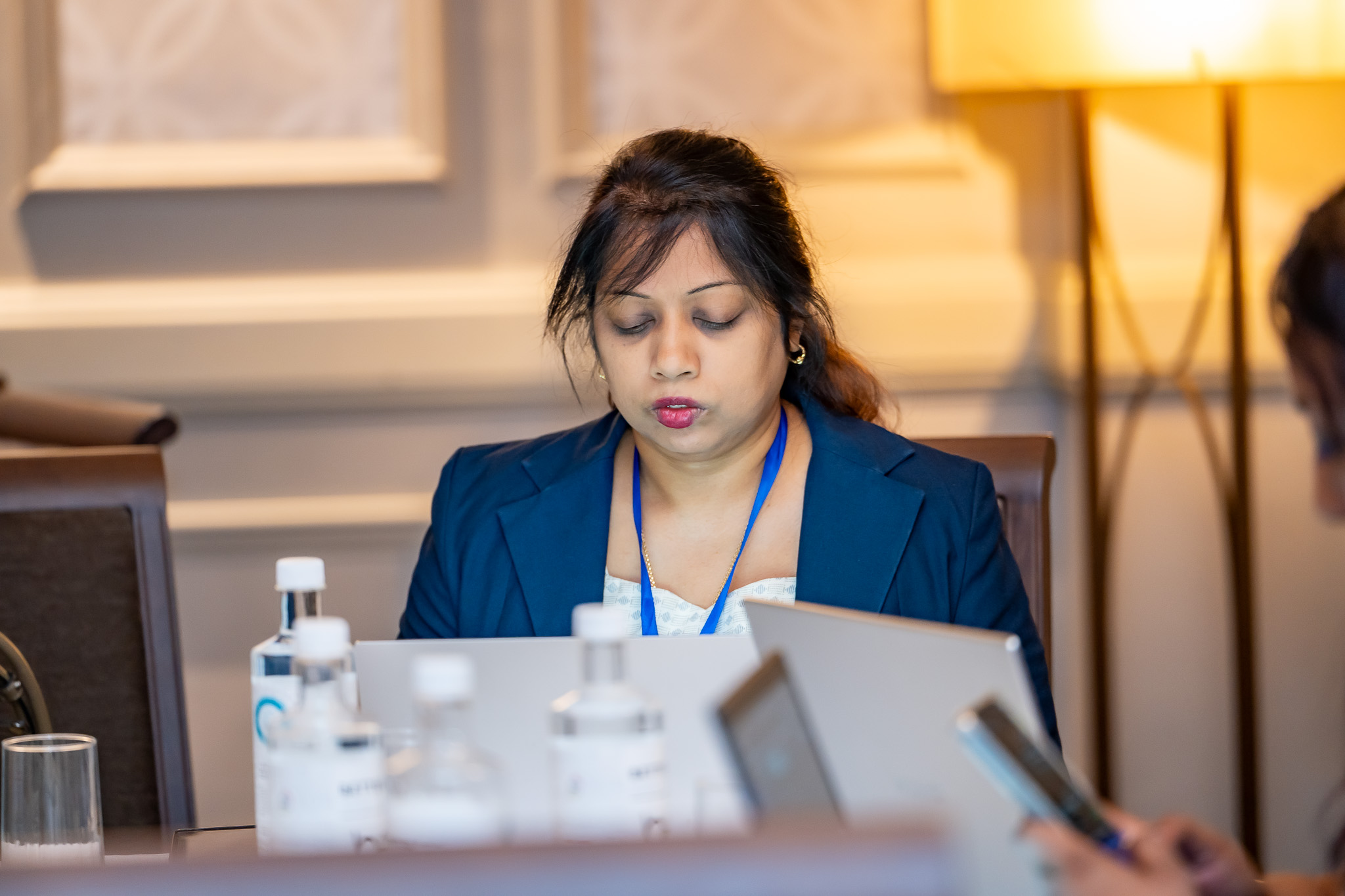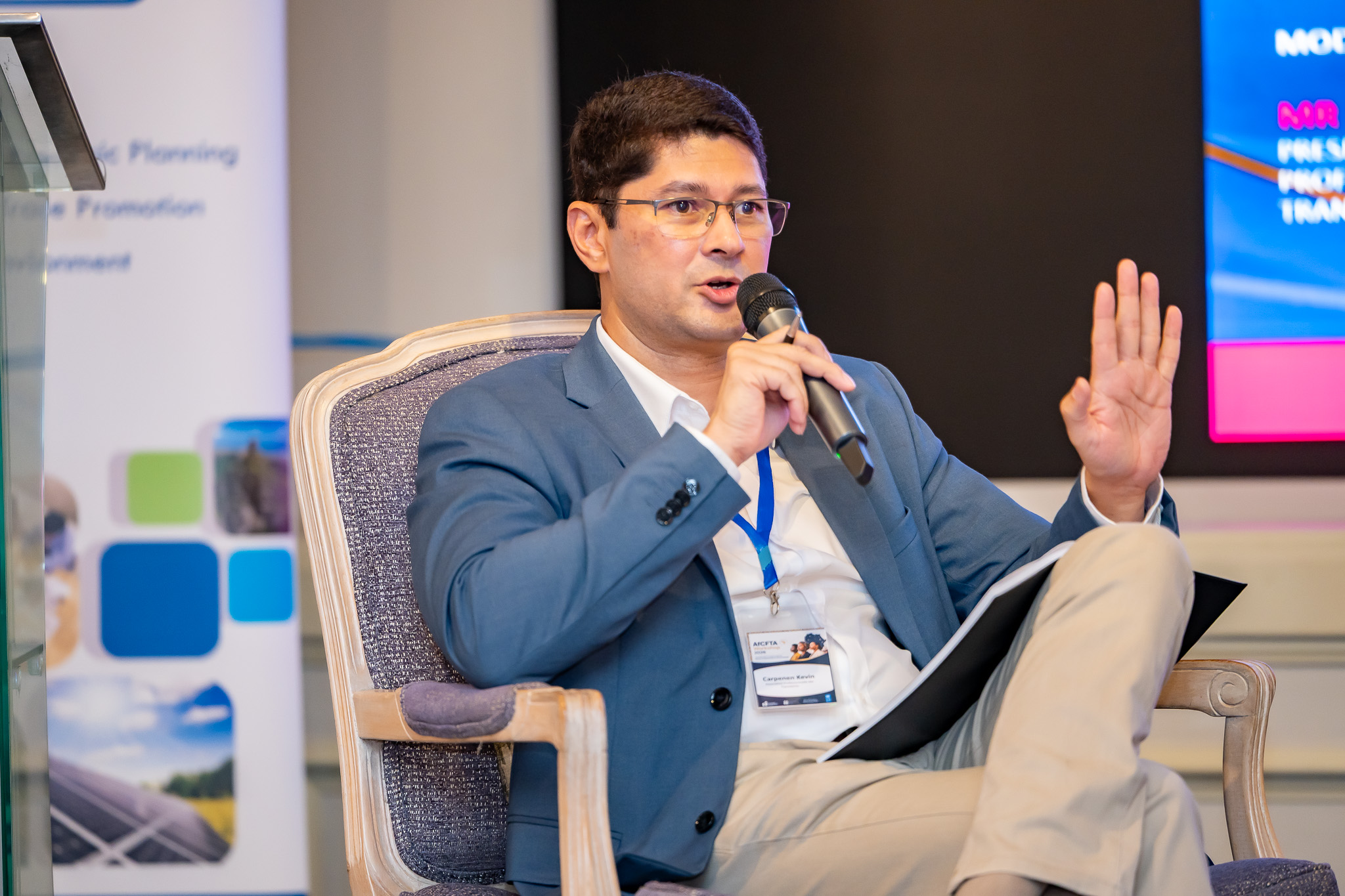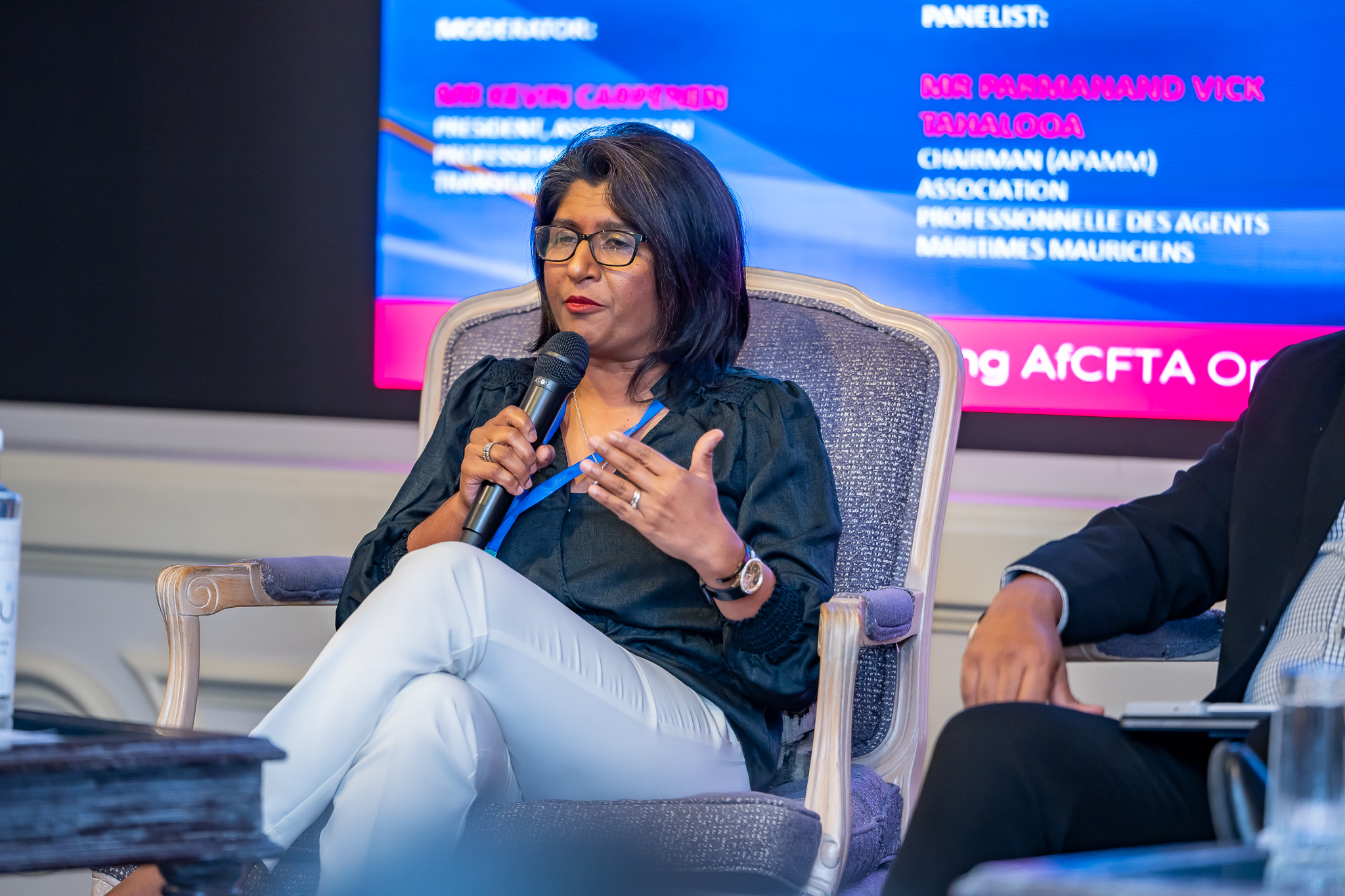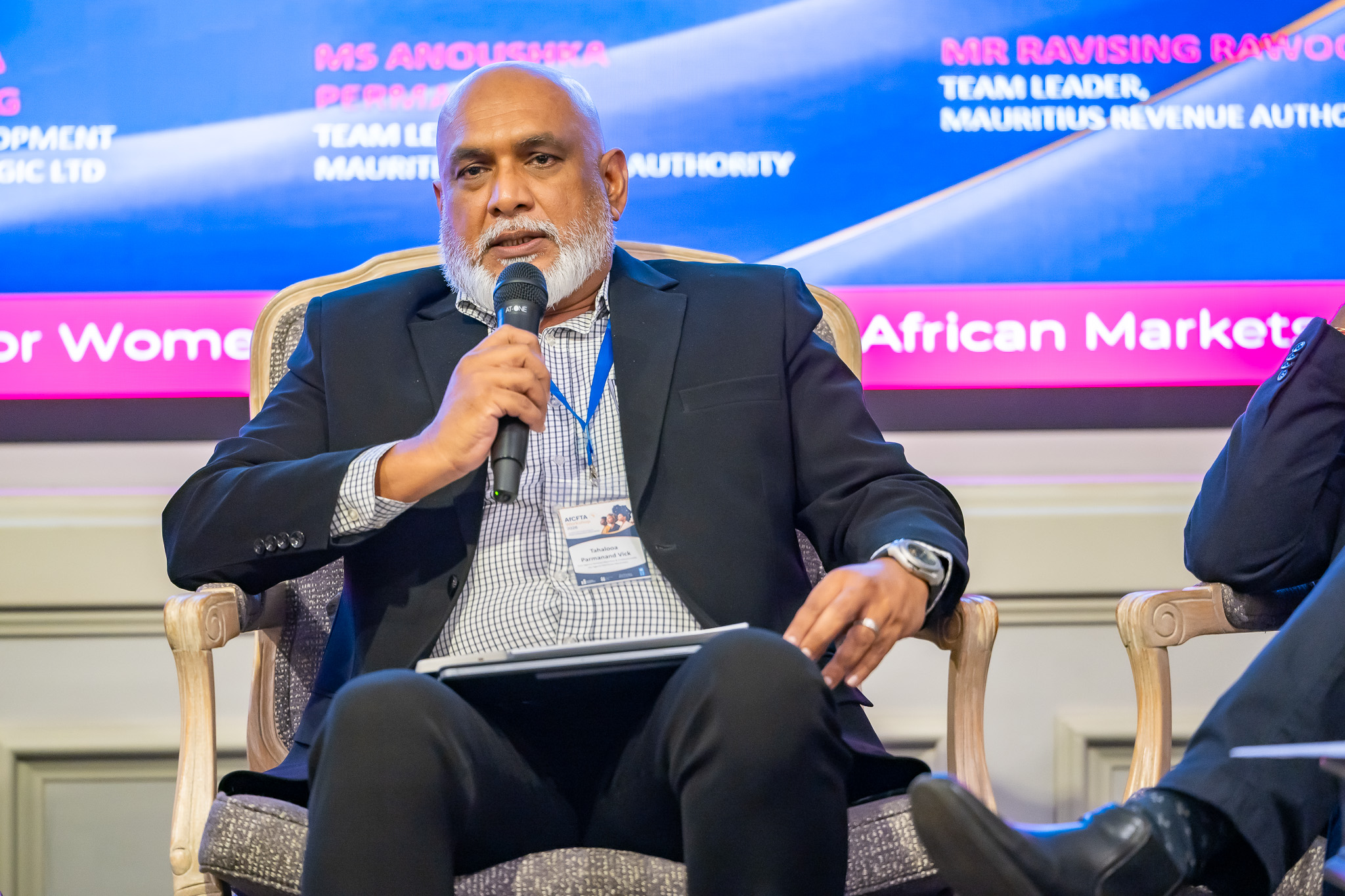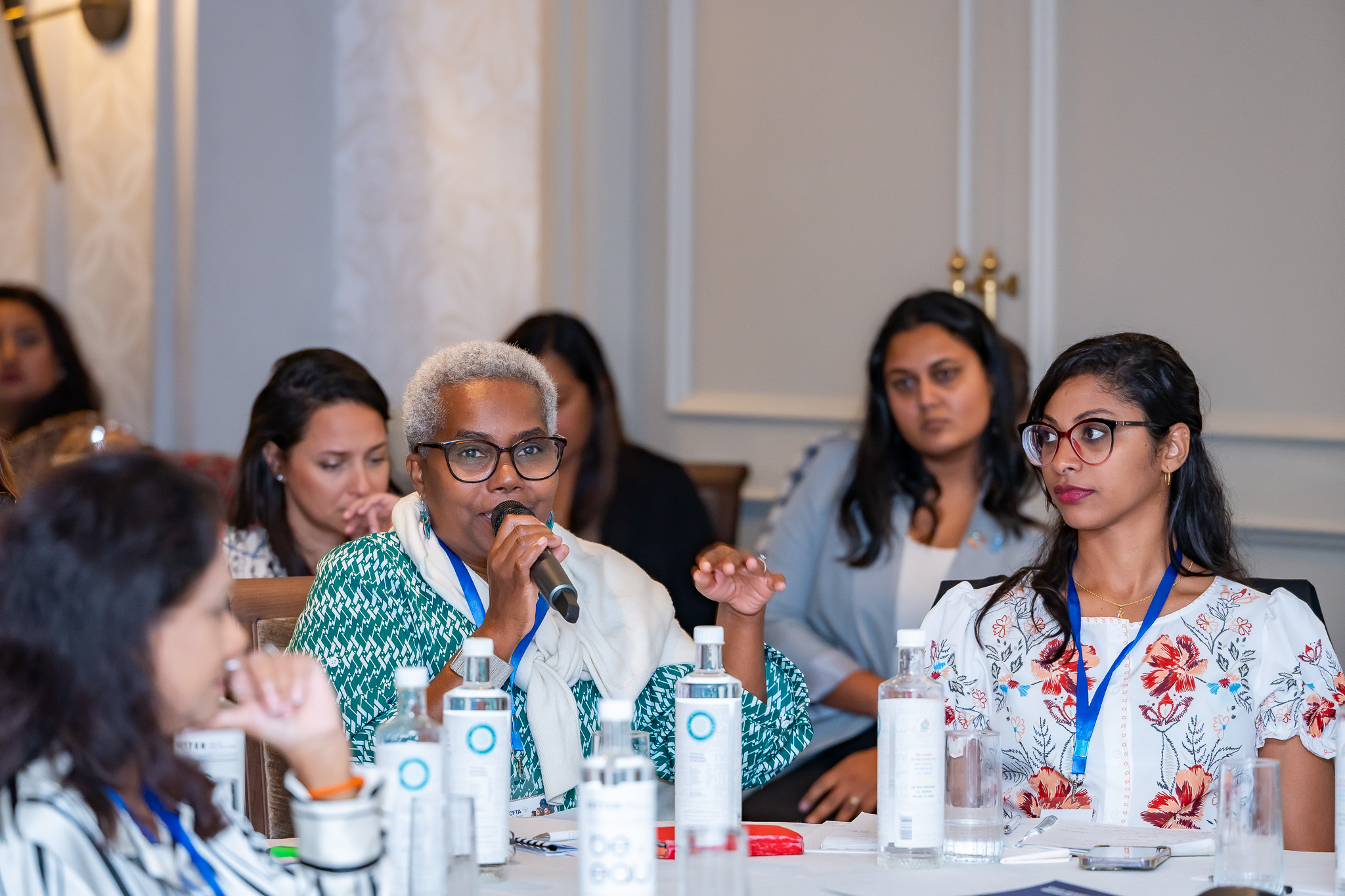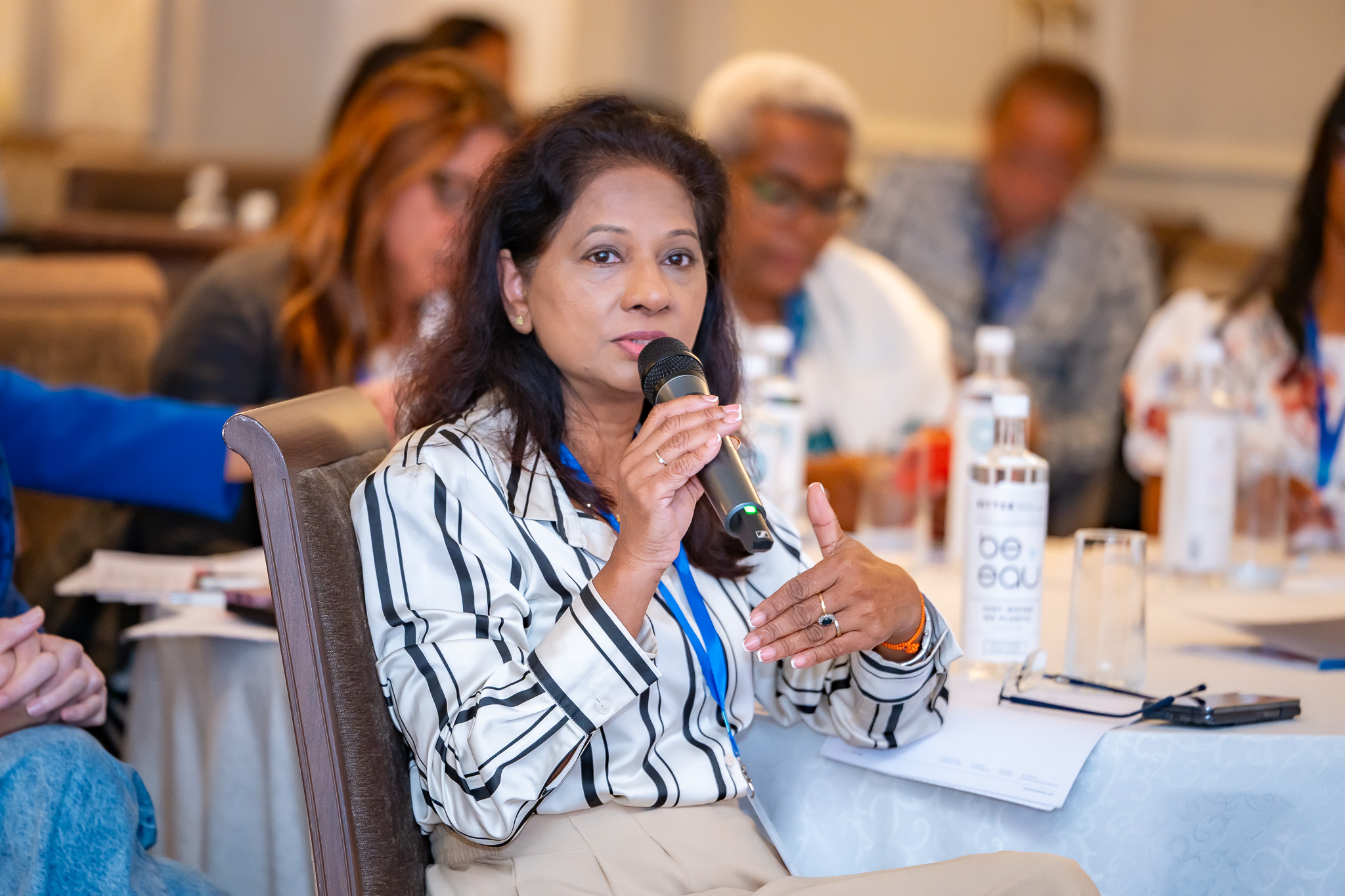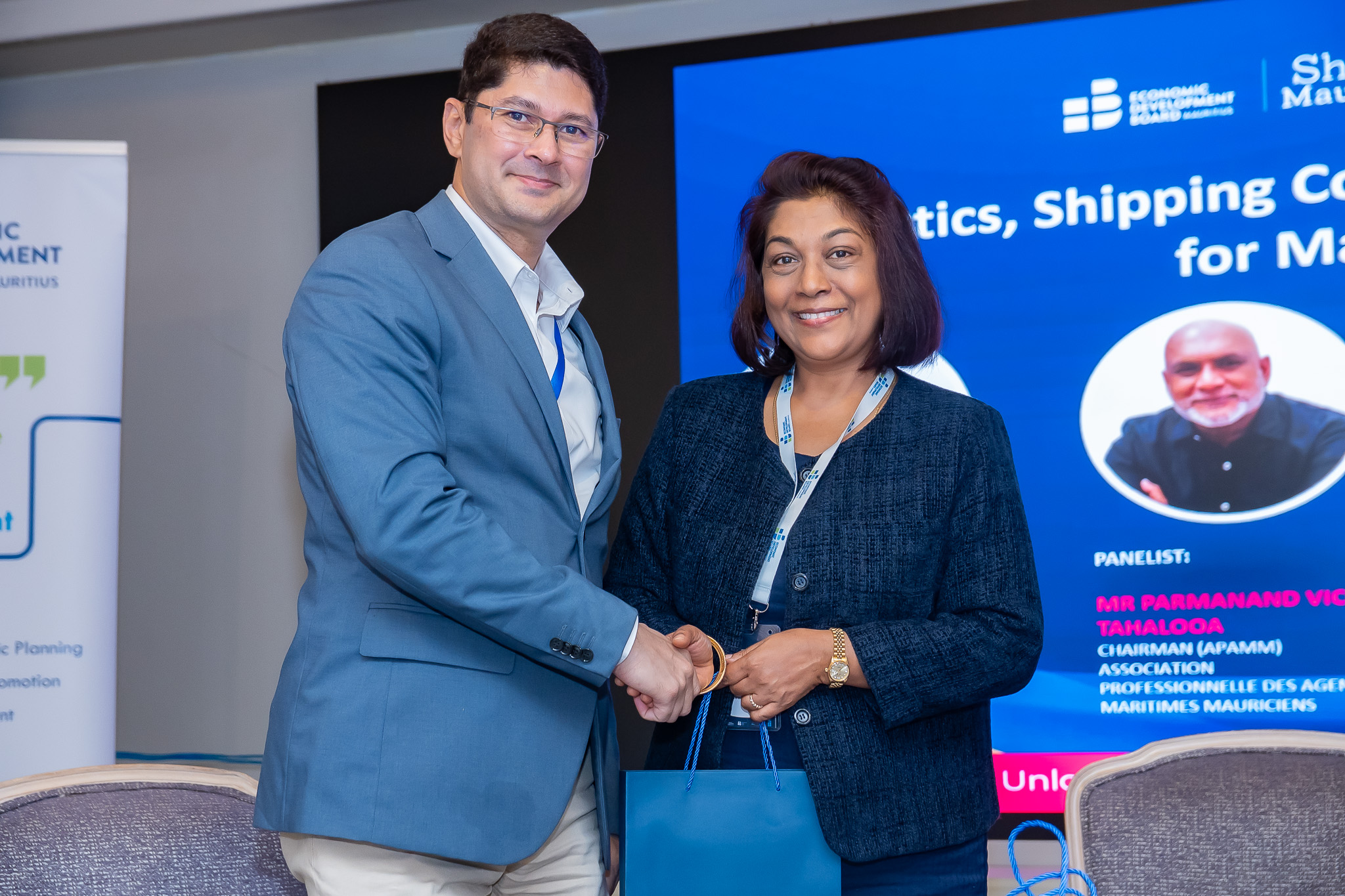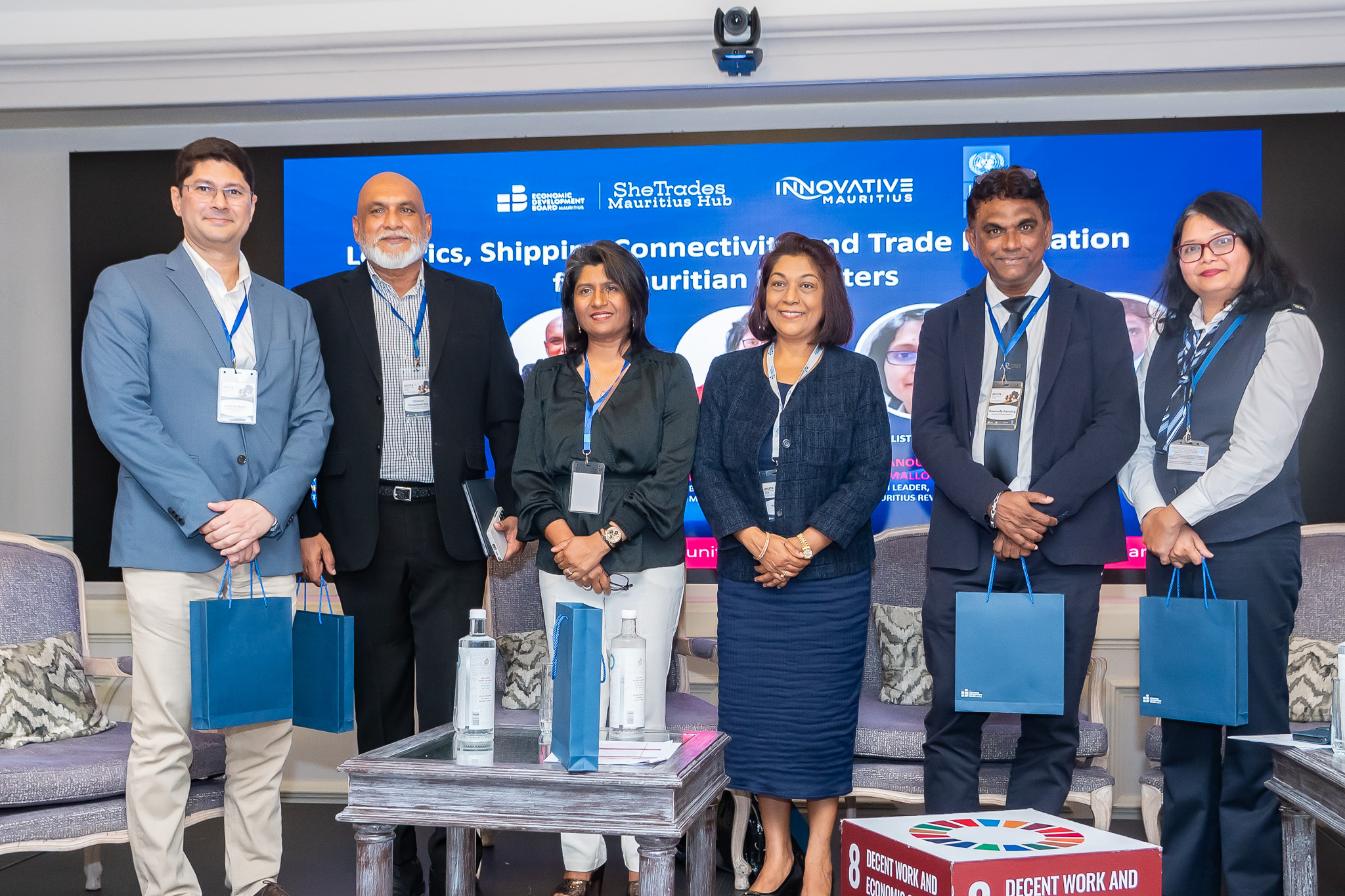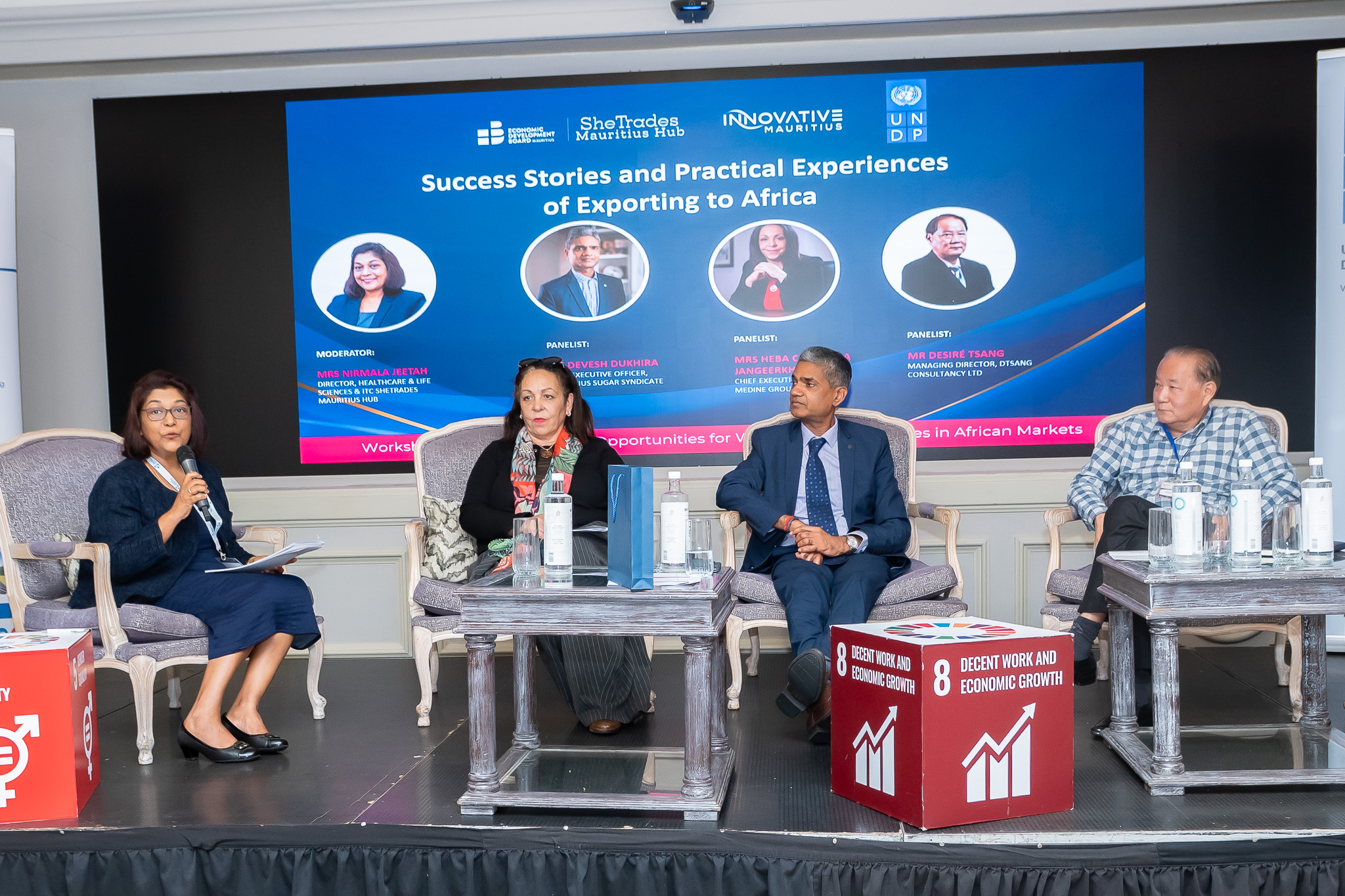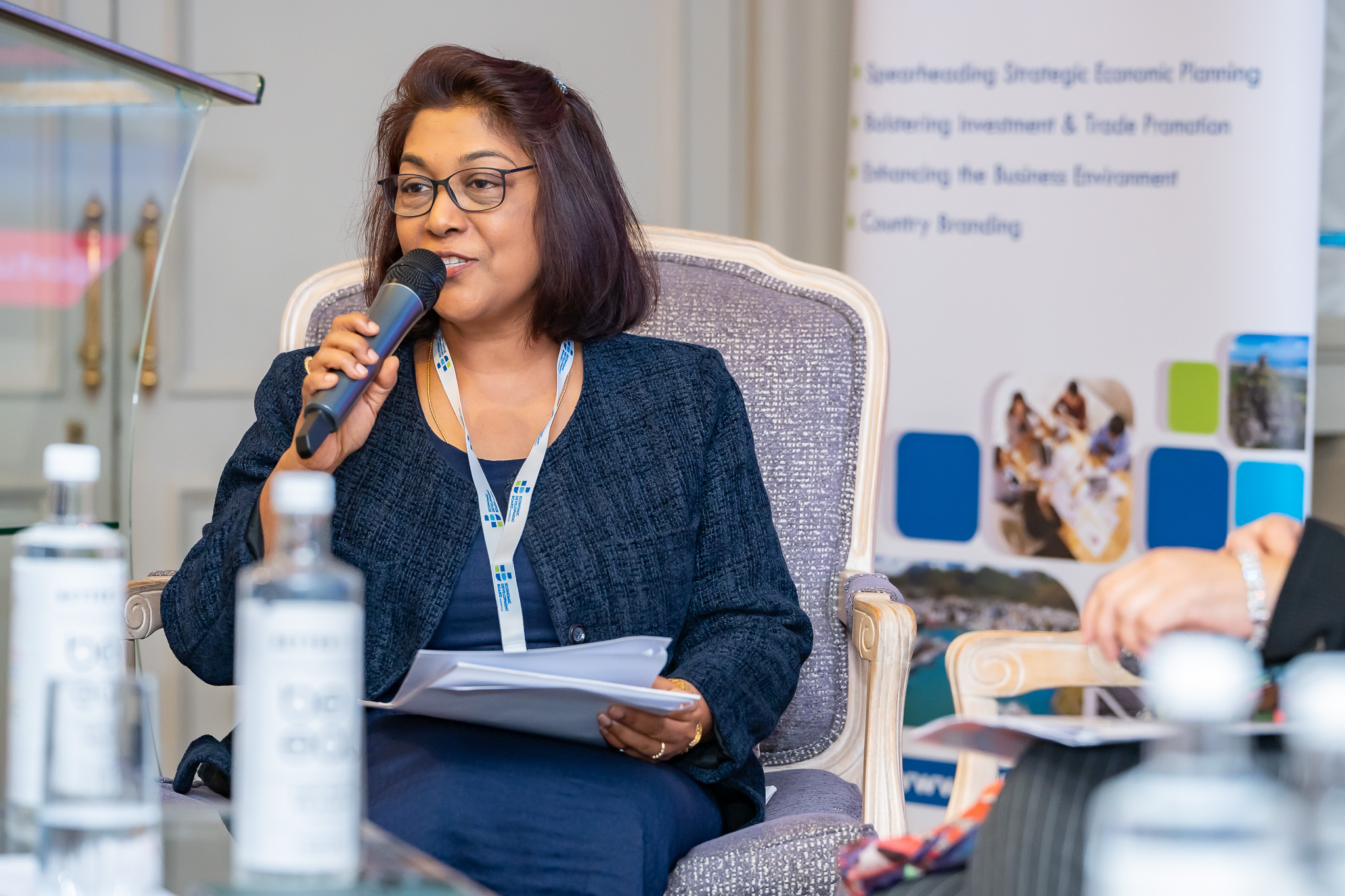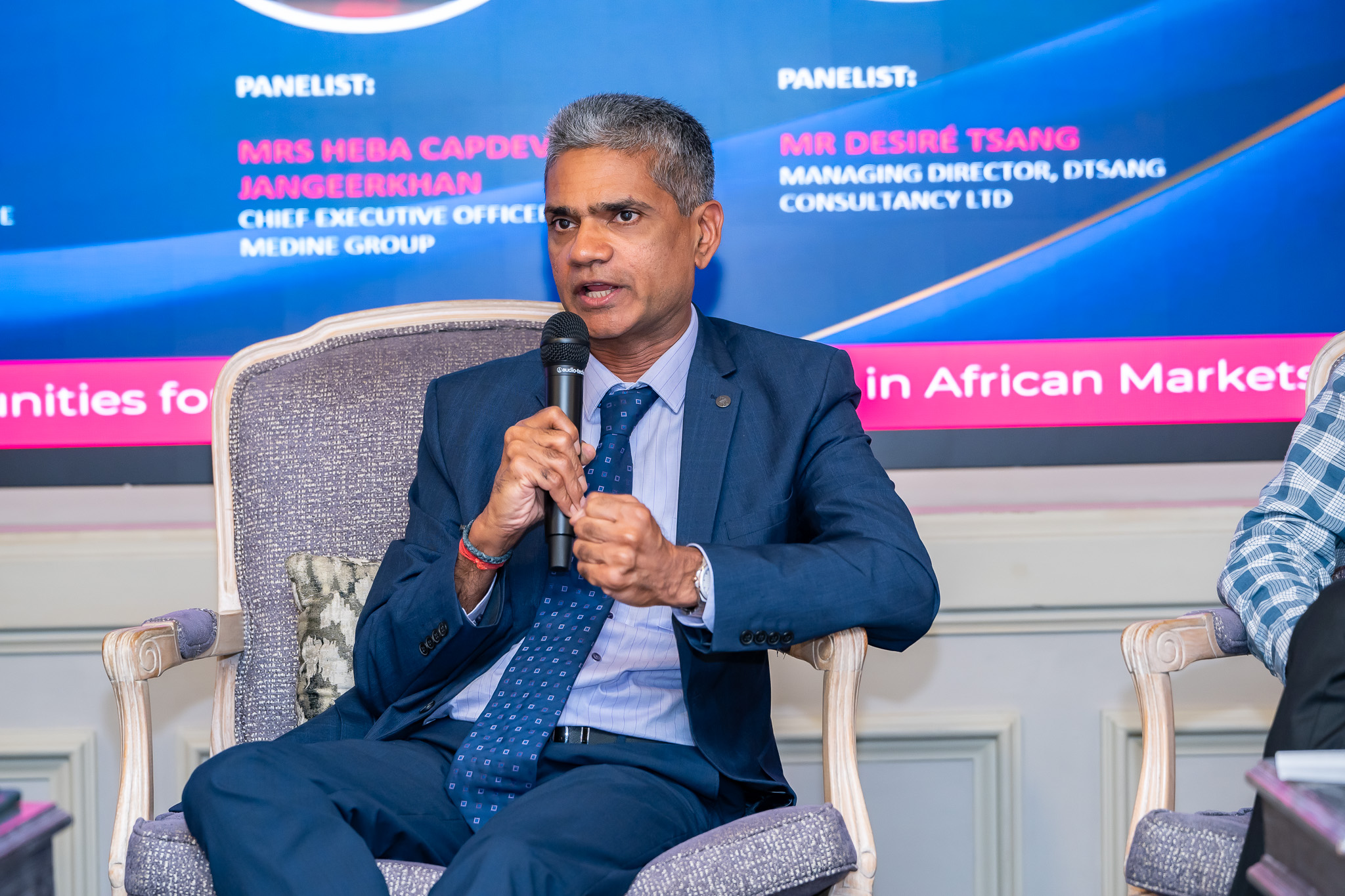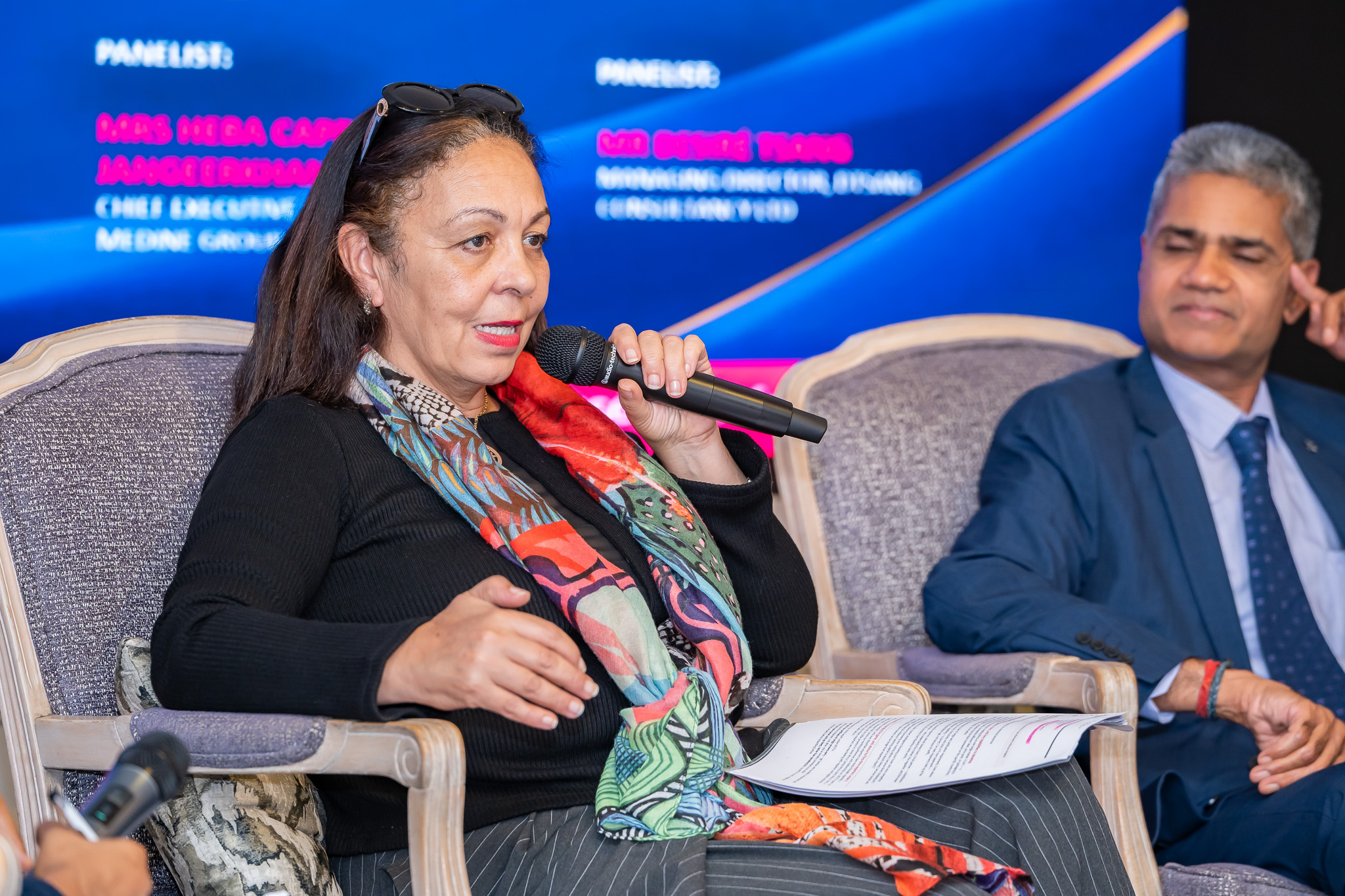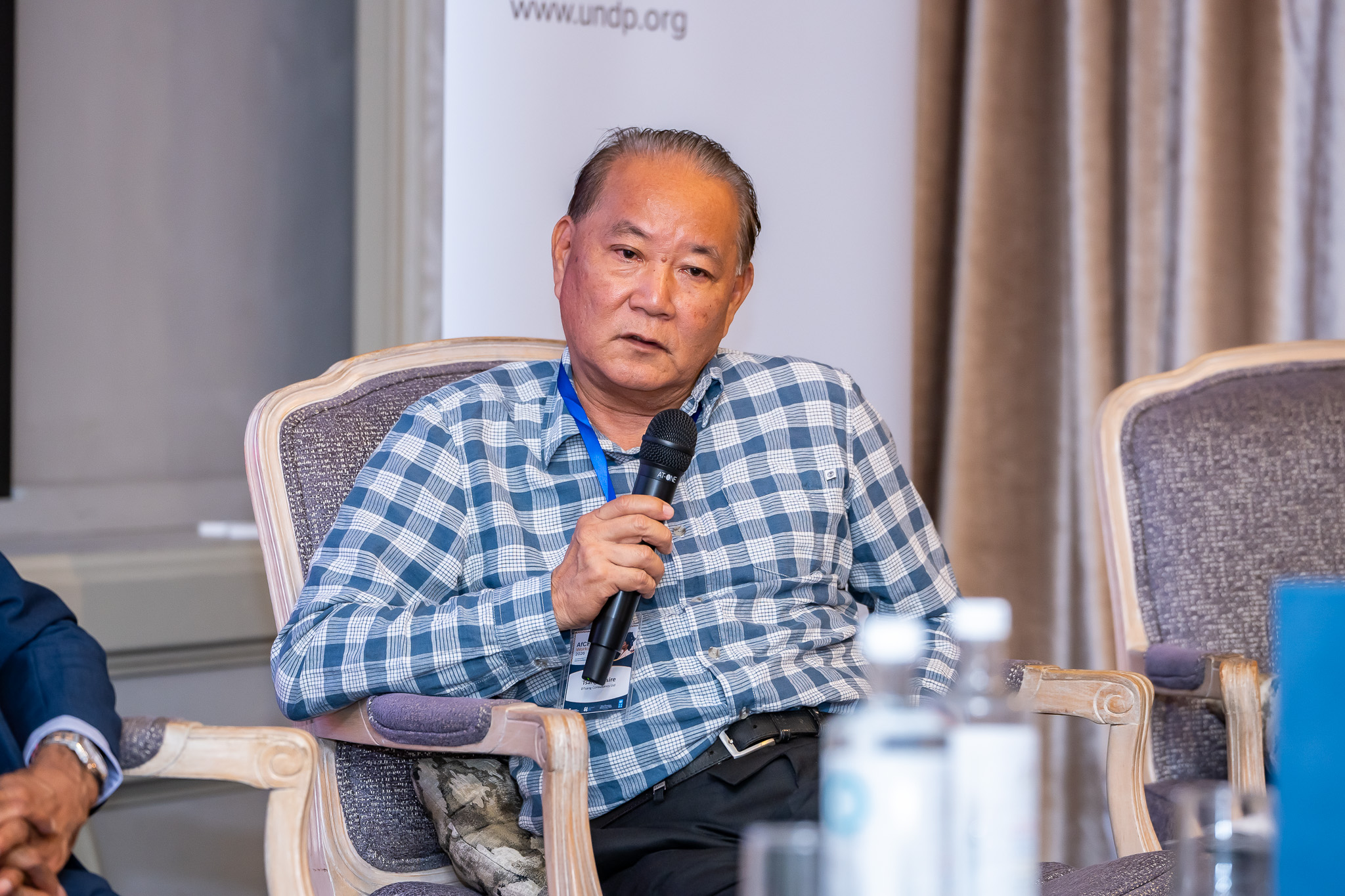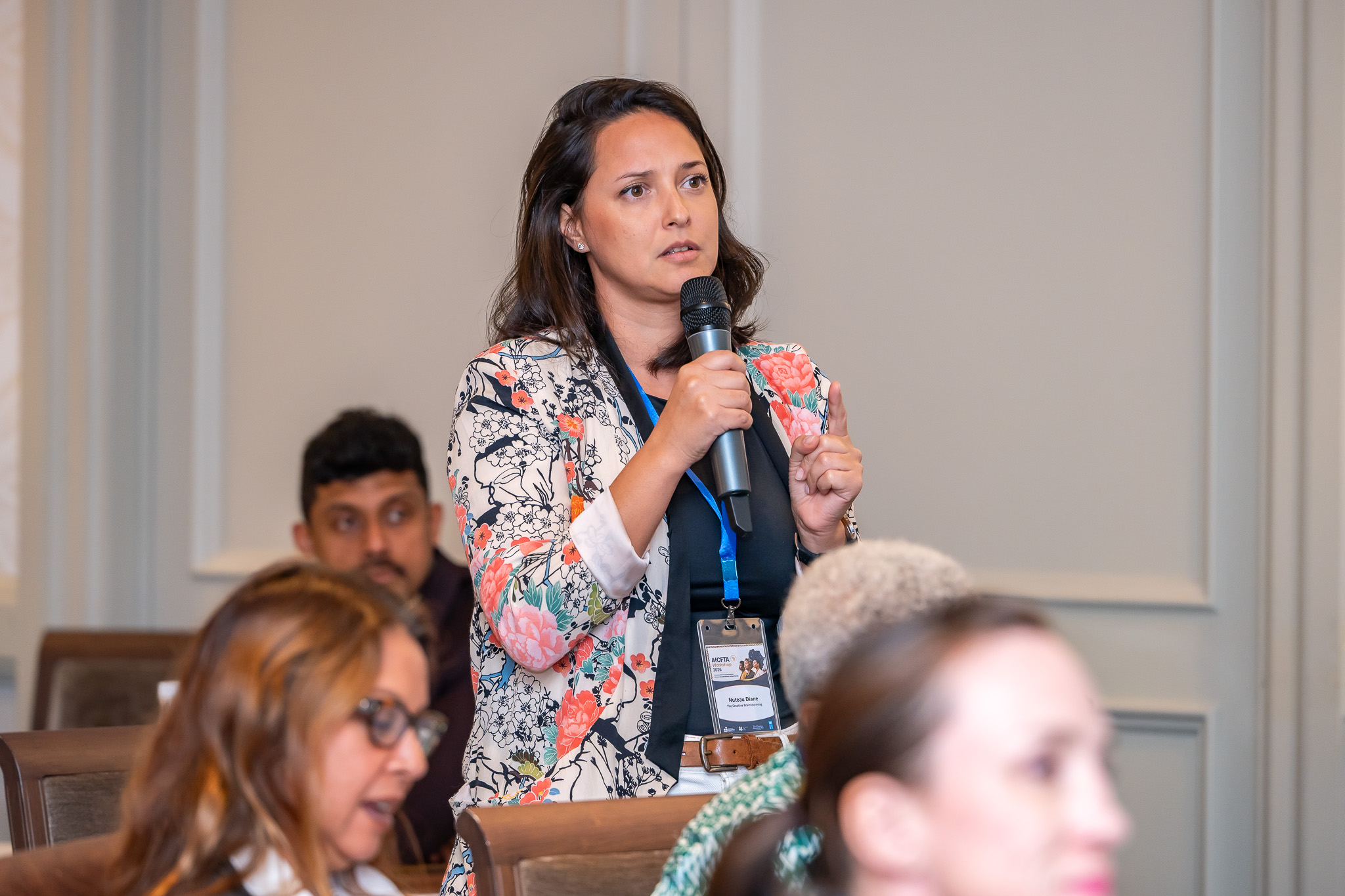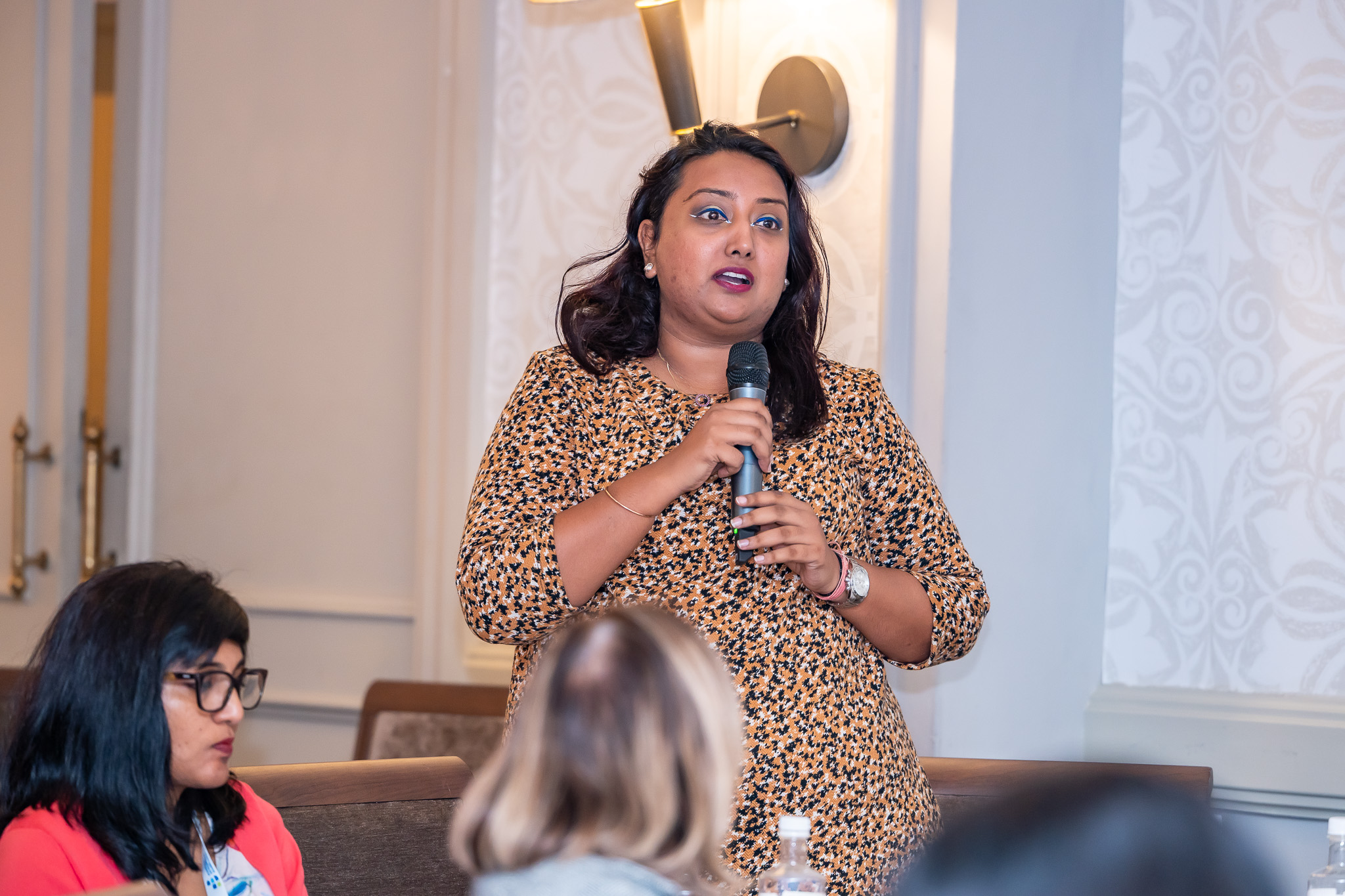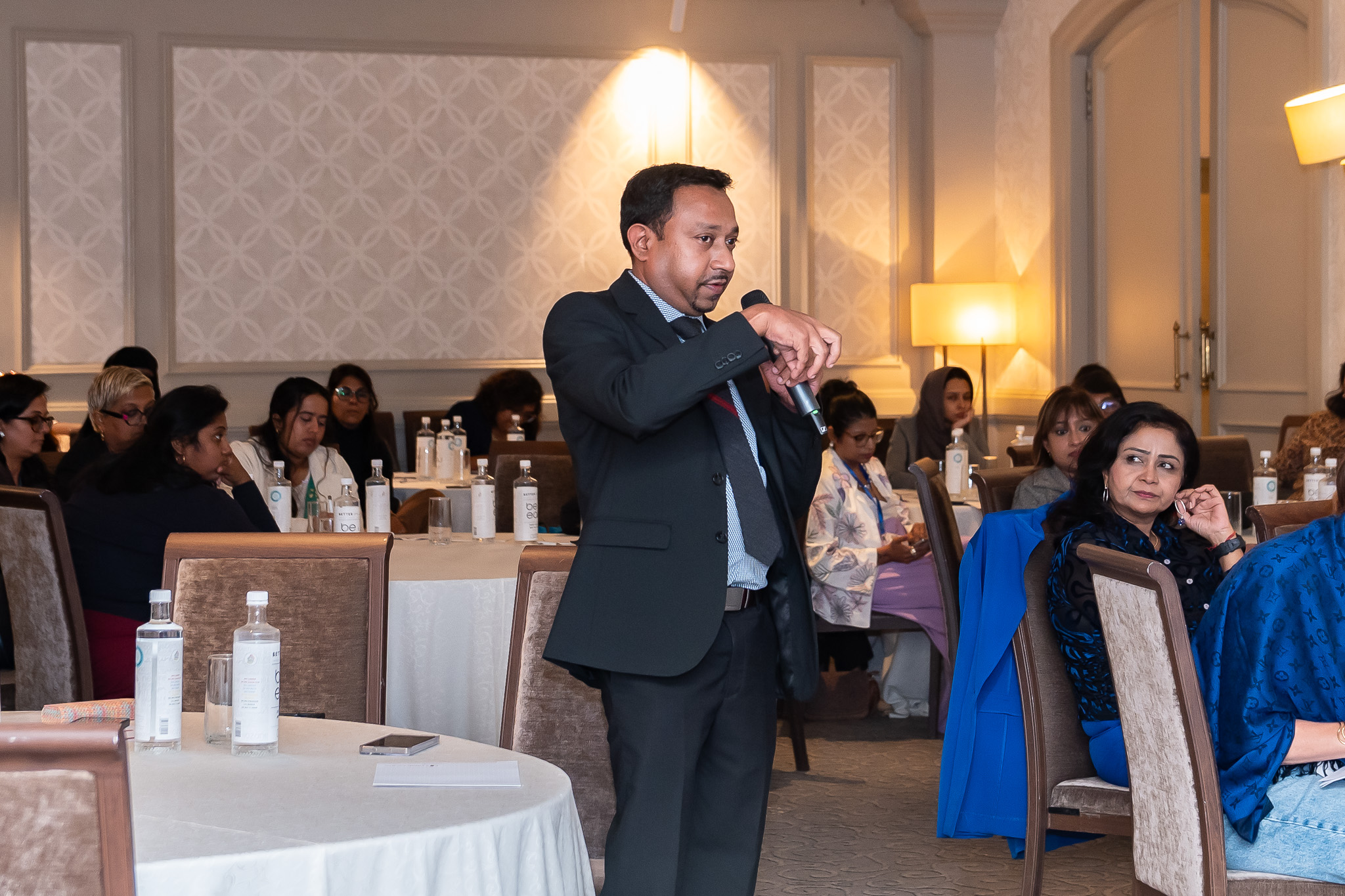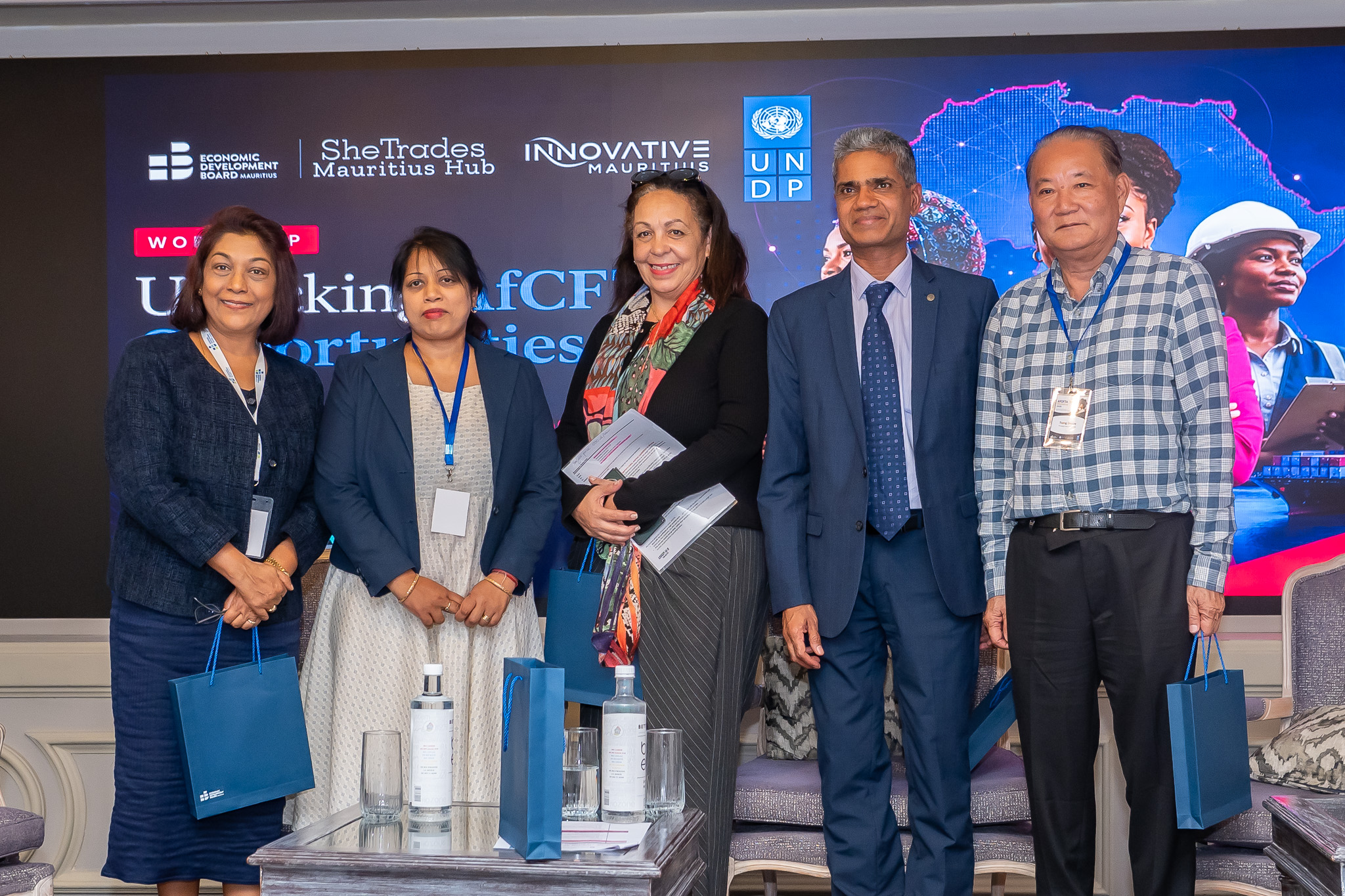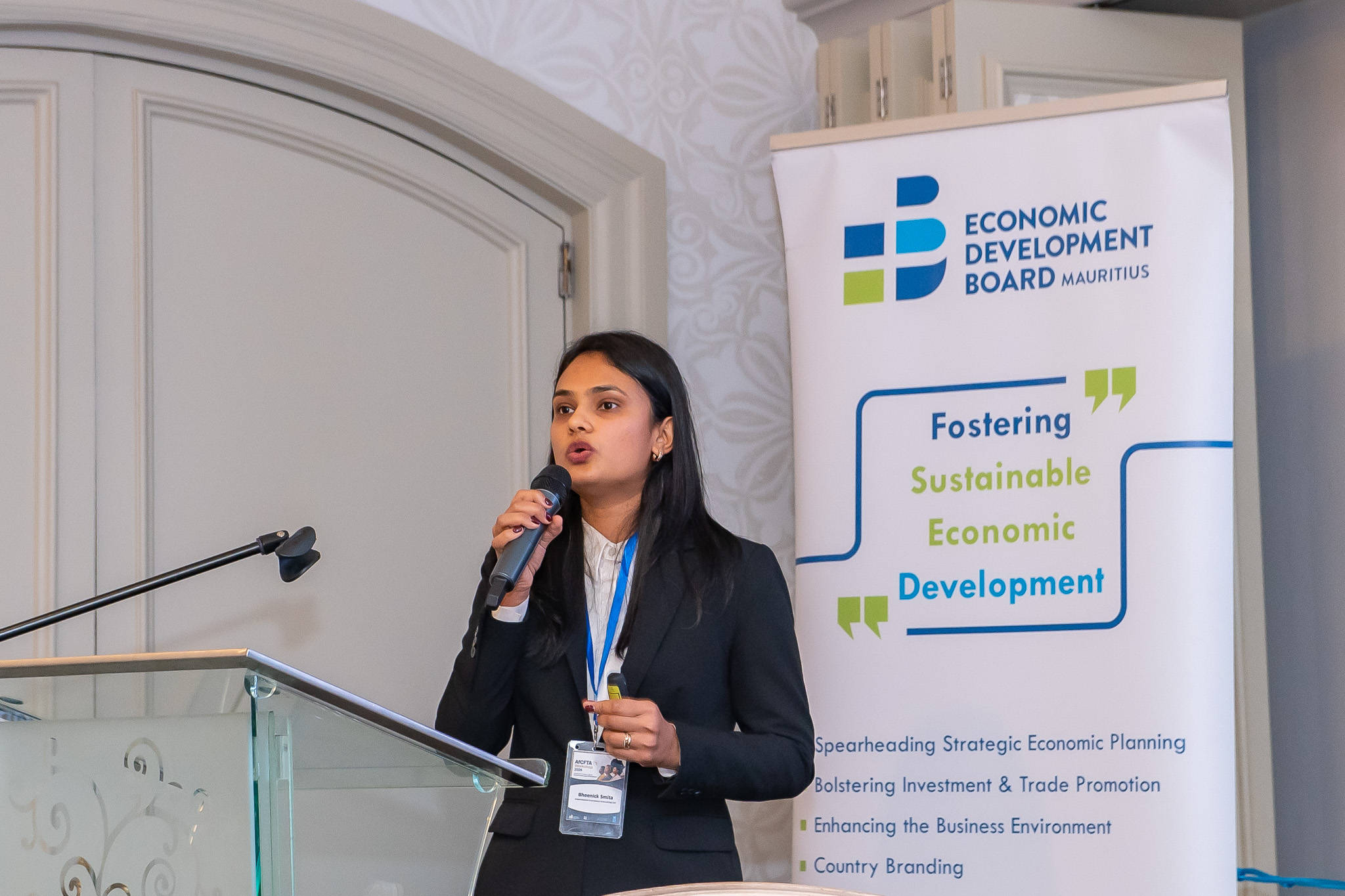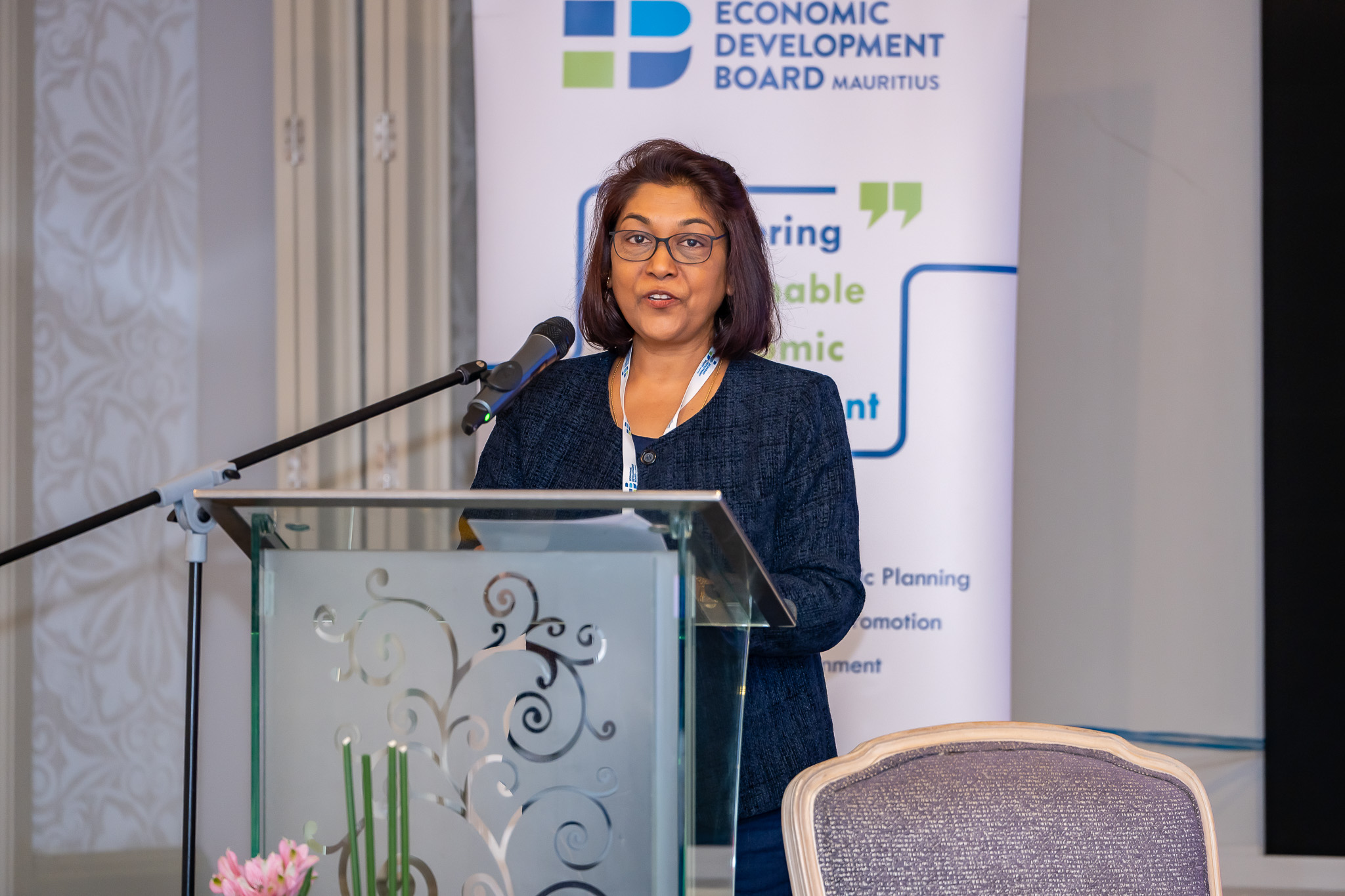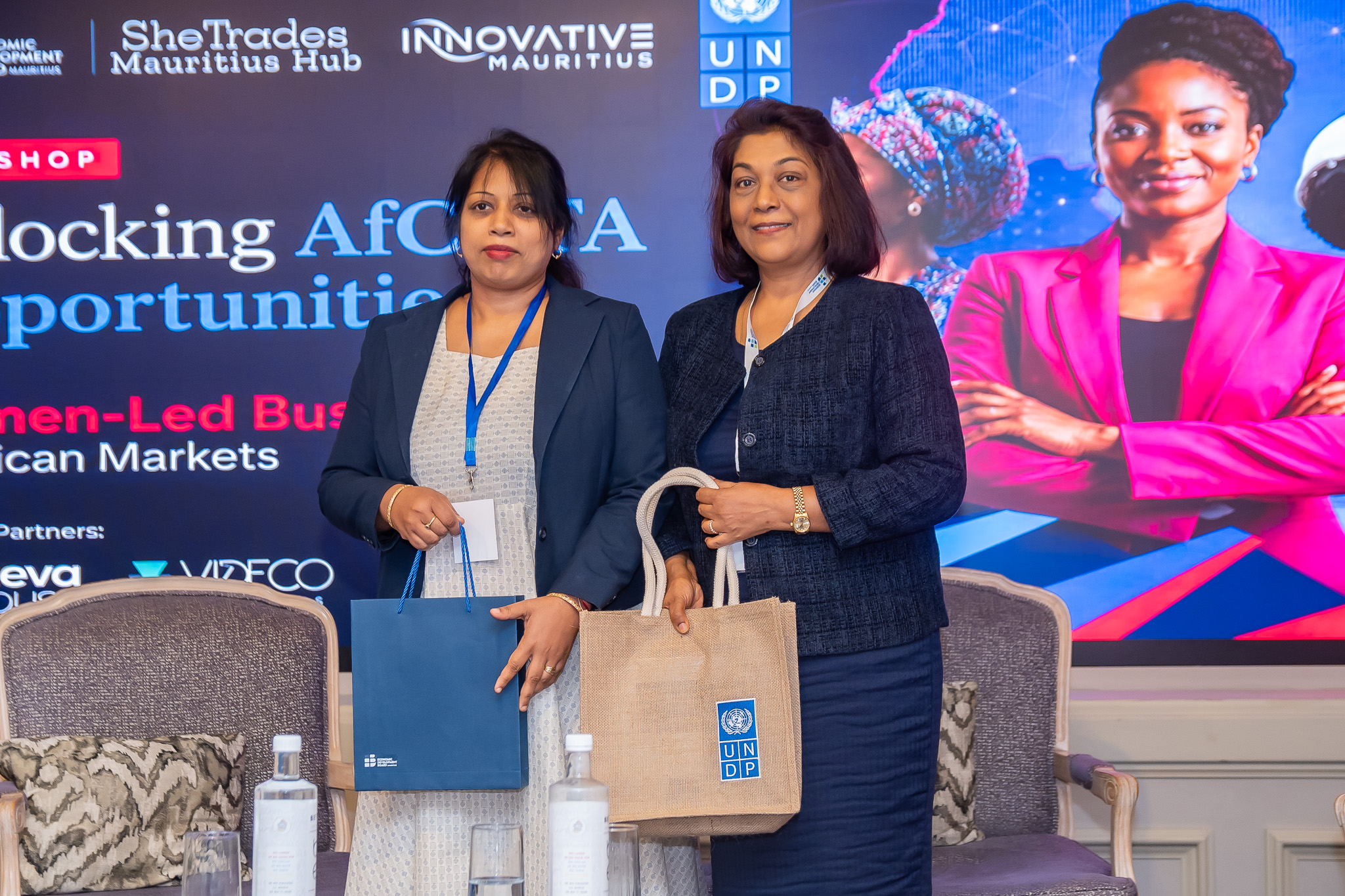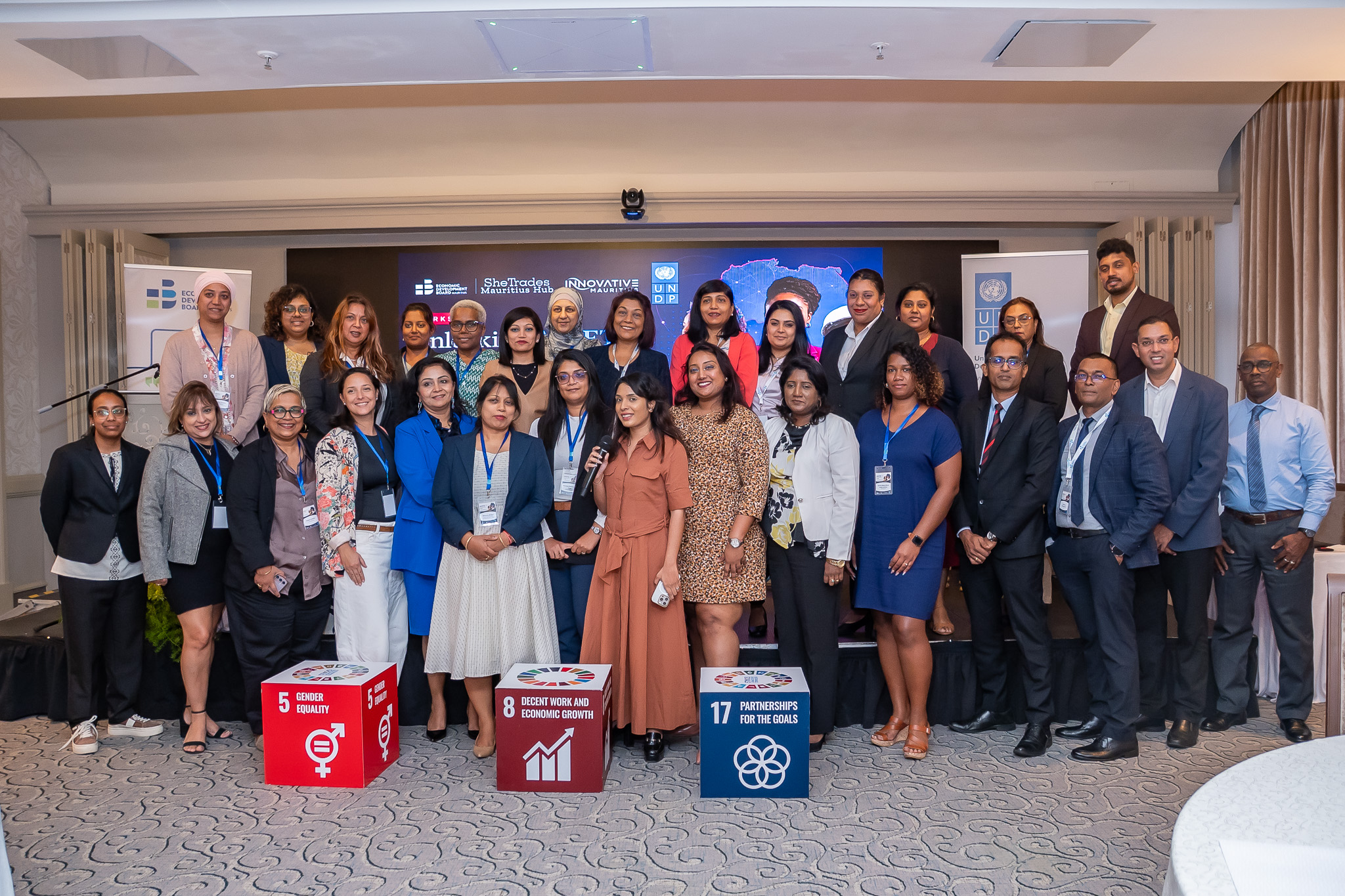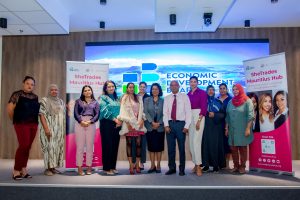




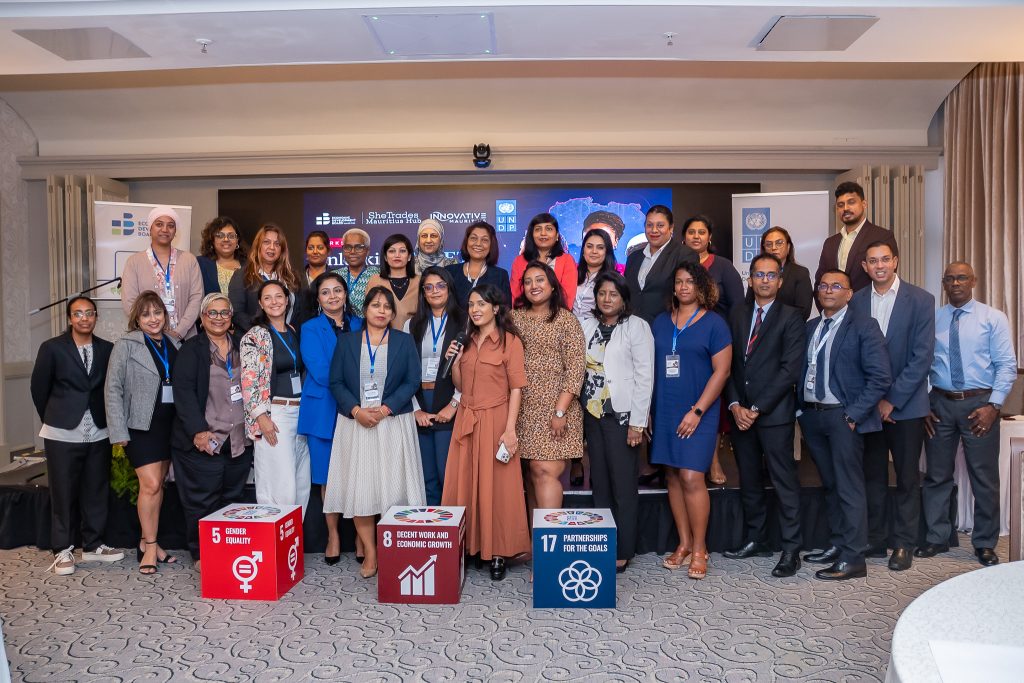
The Economic Development Board (EDB), the host institution for the ITC SheTrades Mauritius Hub, in collaboration with the United Nations Development Programme (UNDP), successfully organised a two-day national workshop on “Unlocking AfCFTA Opportunities for Women-Led Businesses in African Markets” on 8–9 July 2026 at the Labourdonnais Waterfront Hotel, Caudan.
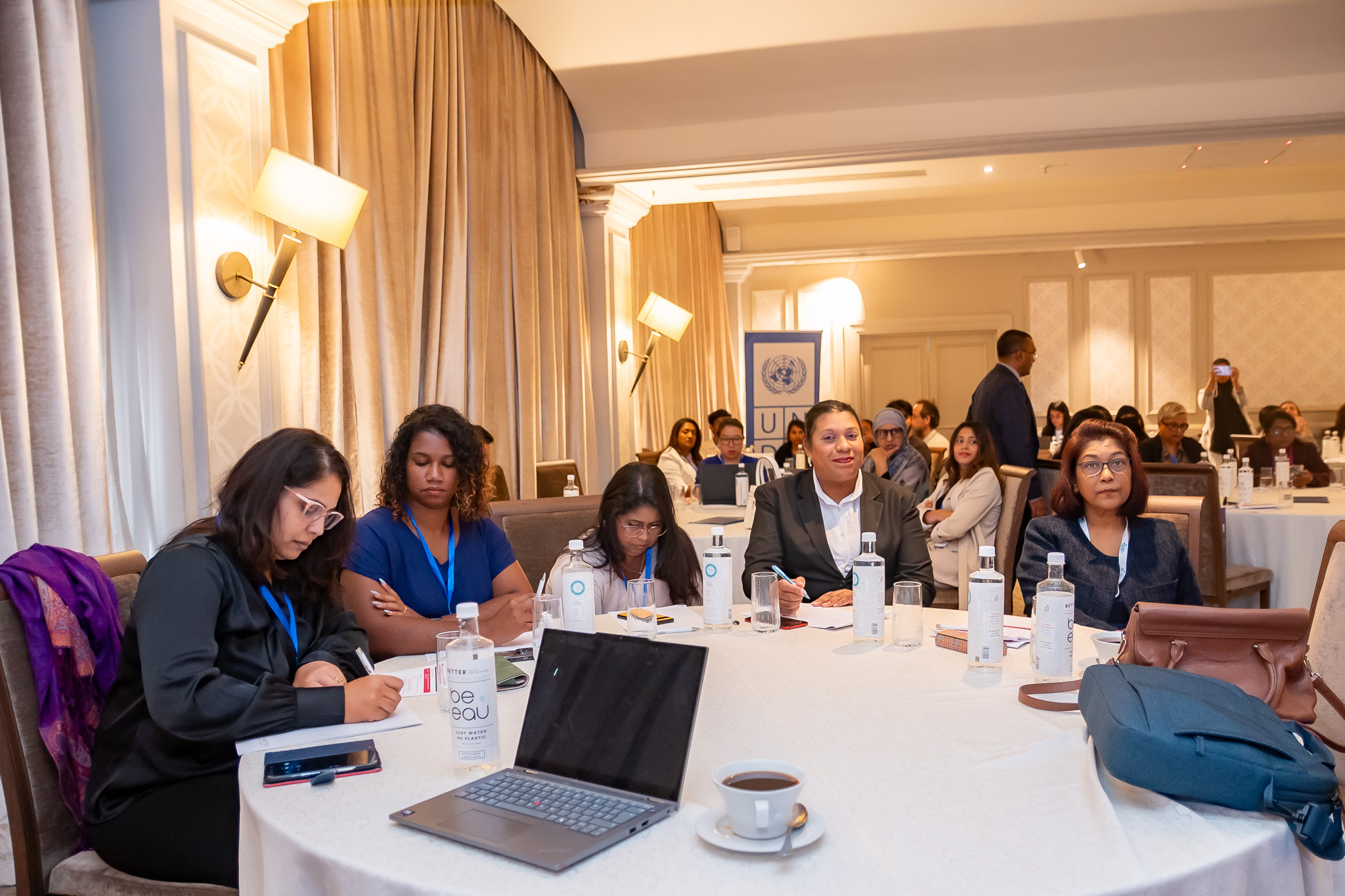
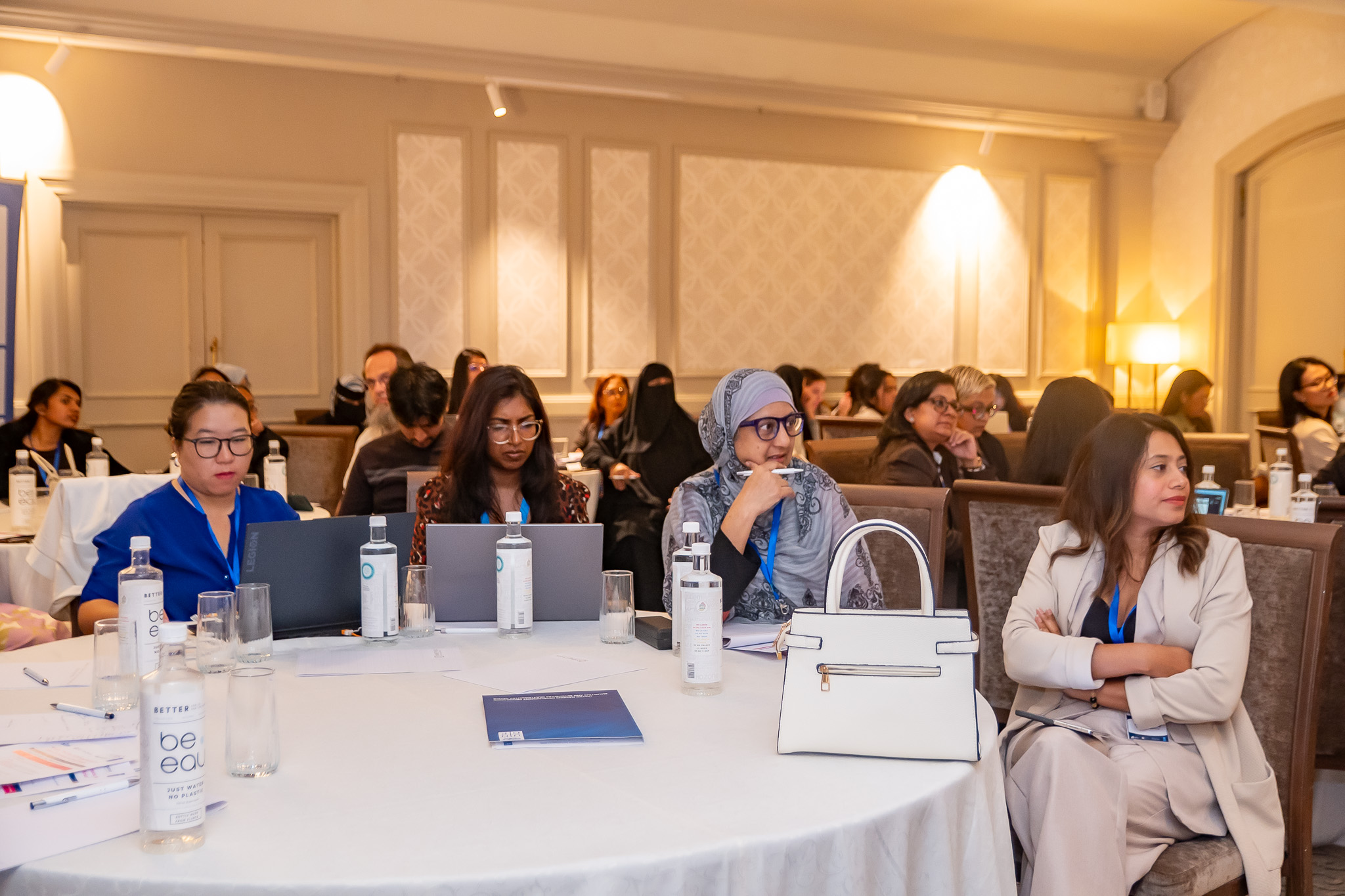
The workshop brought together women entrepreneurs, policymakers, trade experts, financial institutions, logistics providers and key stakeholders to strengthen the capacity of Mauritian women-led businesses to take advantage of opportunities offered by the African Continental Free Trade Area (AfCFTA). The initiative forms part of ongoing efforts to enhance the international competitiveness of women entrepreneurs and support their expansion into African markets.
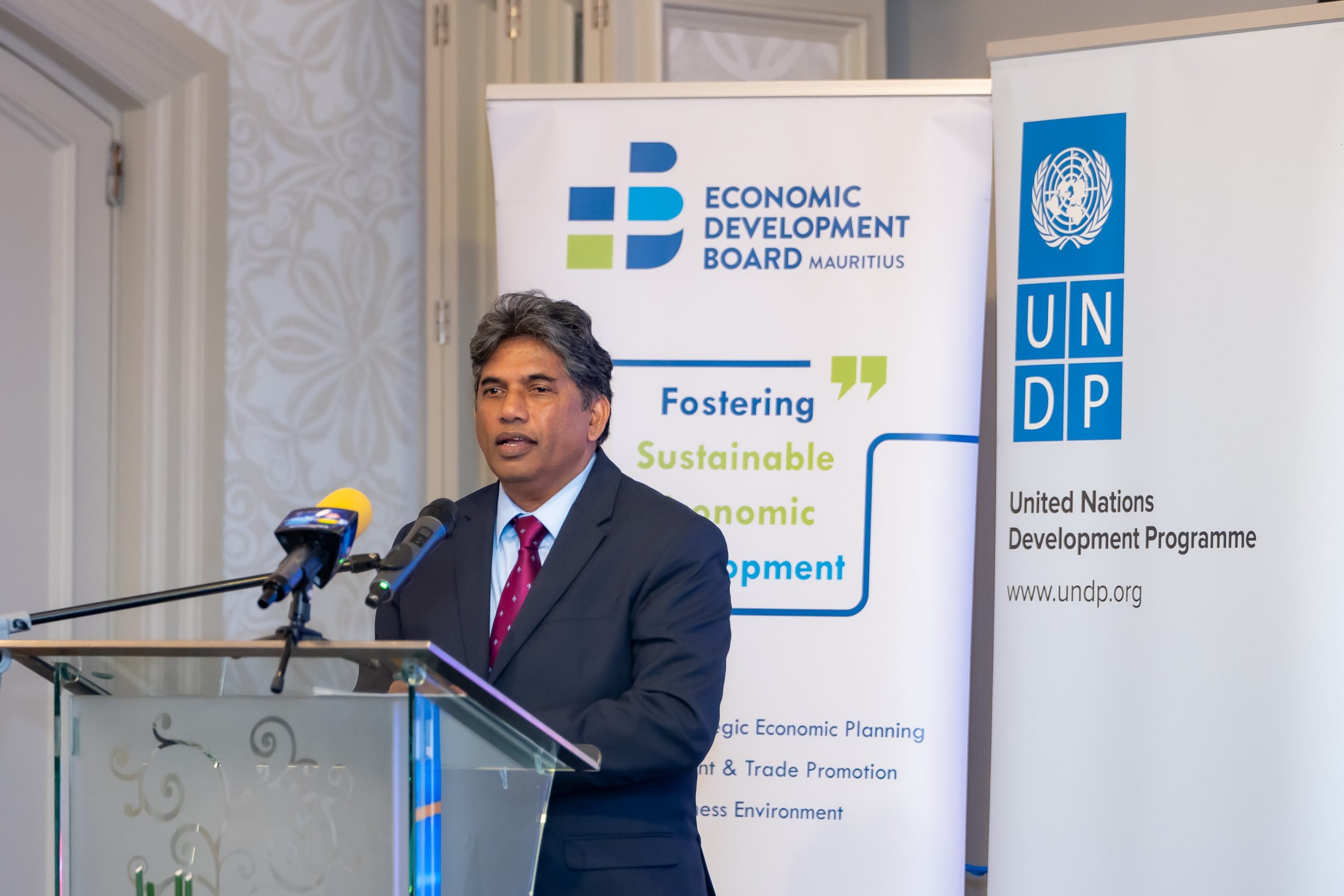
In his welcome remarks, Mr. Sanjay Bhunjun, Chairman of the Economic Development Board encouraged Mauritian women entrepreneurs to seize the opportunities offered by the AfCFTA, noting that “the time is now, Africa is waiting for women entrepreneurs.” He urged participants to learn, connect and collaborate to expand into African markets. He also thanked UNDP for its continued partnership in delivering what he described as a transformational initiative built on strong public-private sector collaboration. Reaffirming the EDB’s commitment, he assured participants that the EDB would continue to accompany businesses throughout their export journey by providing inclusive support and facilitating access to regional opportunities.
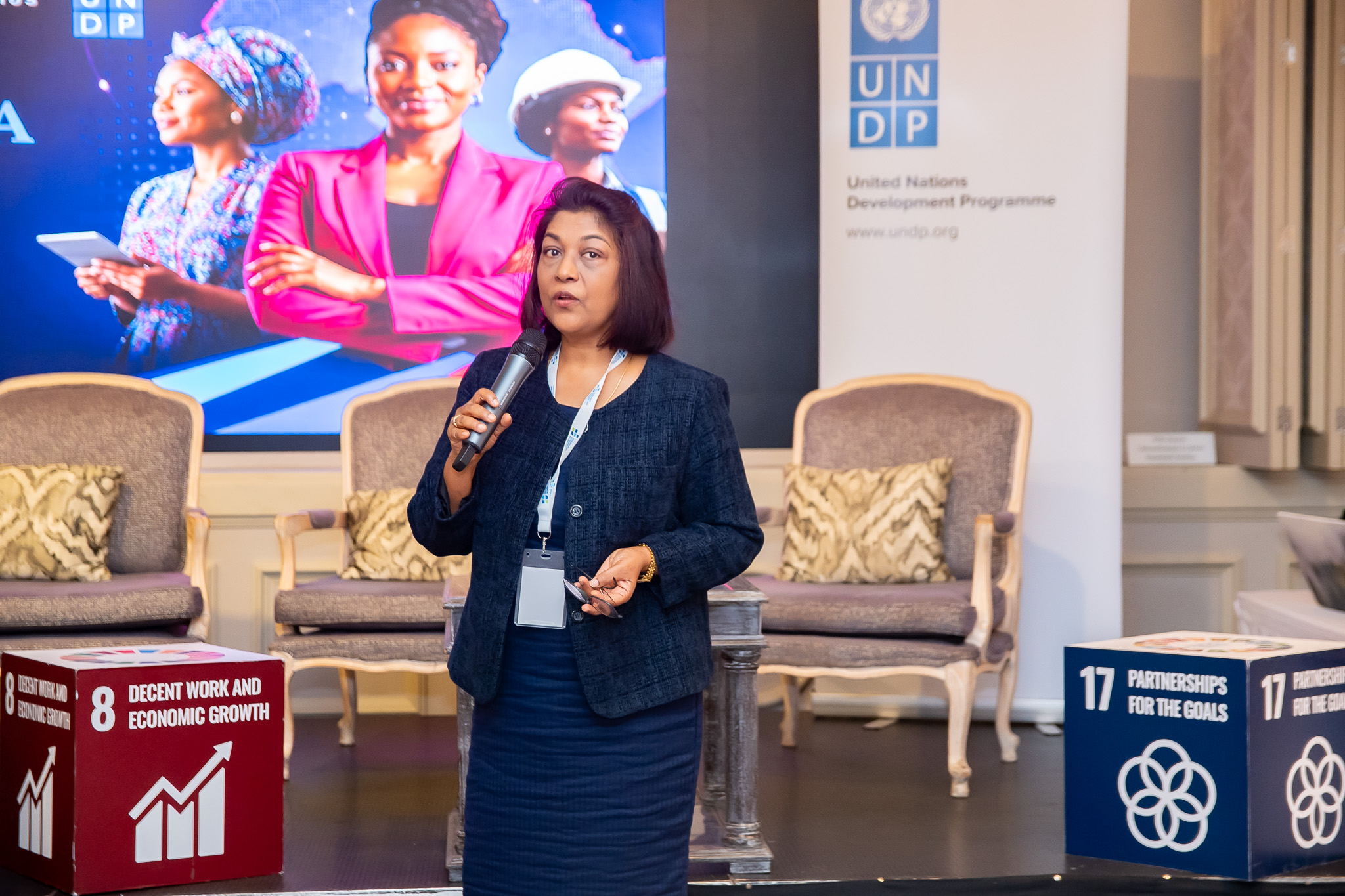
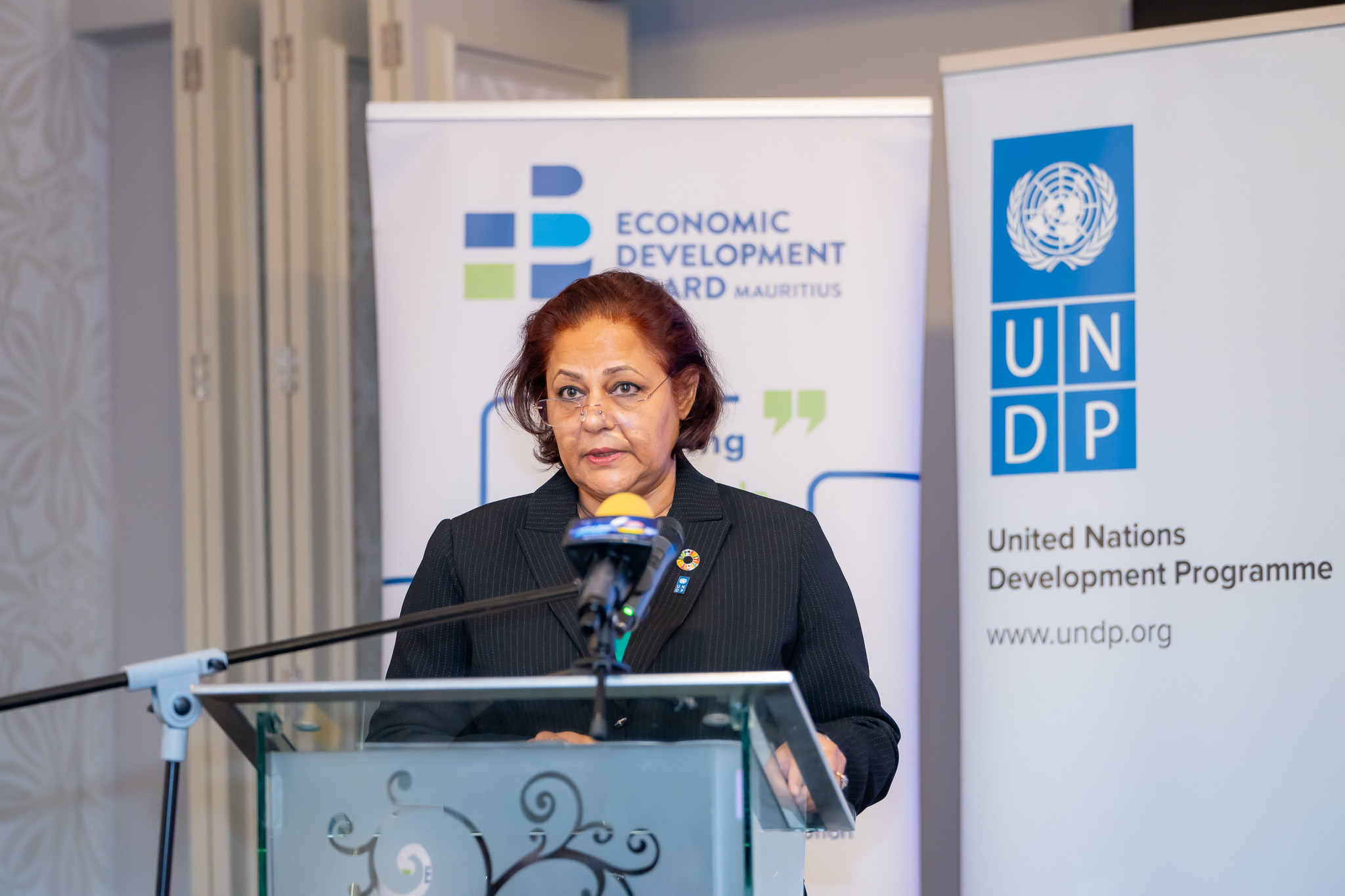
In her remarks, Mrs. Alka Bhatia Resident Representative of the United Nations Development Programme (UNDP) Mauritius and Seychelles Multi-Country Office highlighted the importance of moving “from training to transactions,” stressing that capacity-building initiatives must ultimately translate into increased trade and commercial opportunities for women-led businesses. She underscored the need to strengthen awareness programmes, promote women’s participation in regional value chains and leverage digital trade and market intelligence tools to better prepare for cross-border trade. She further noted that Mauritius has the potential to become a model for inclusive trade facilitation through women-focused initiatives, including export support services. Mrs. Bhatia reaffirmed UNDP’s commitment to supporting women entrepreneurs in strengthening regional connectivity and highlighted UNDP’s ongoing support to the AfCFTA Secretariat in Ghana.
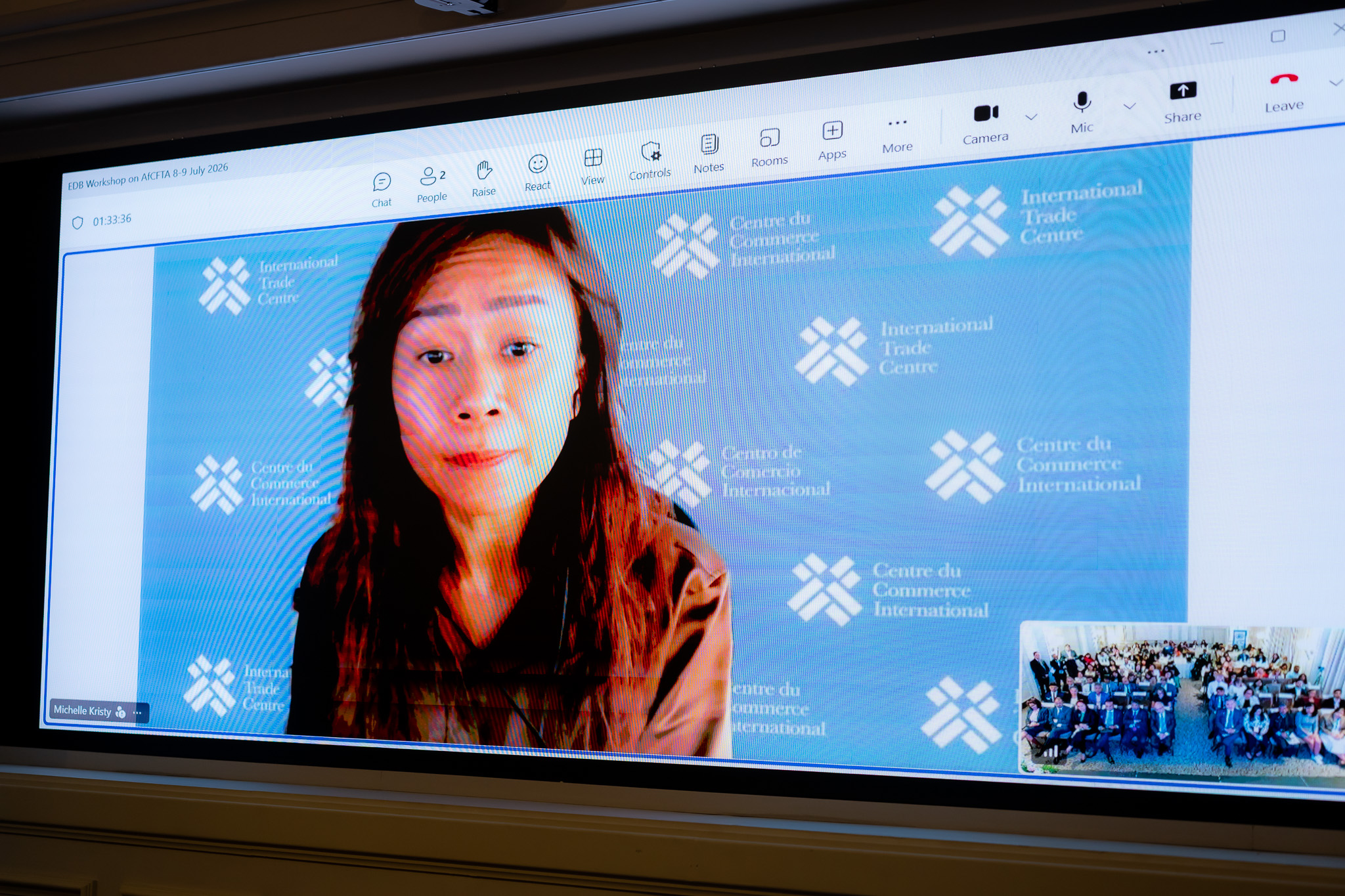
Delivering remarks on behalf of Dr. Judith Fessehaie, Head of SheTrades at the International Trade Centre (ITC), Dr. Michelle Kristy emphasized on the fact that a sound understanding of the AfCFTA Rules of Origin is essential for businesses to benefit from preferential market access, noting that greater value addition within Africa enhances eligibility under the Agreement. She highlighted ITC’s One Trade Africa programme and its commitment to translating the AfCFTA Protocol on Women and Youth in Trade into tangible opportunities through innovation, capacity building and market access initiatives. Dr. Kristy also encouraged participants to leverage the global SheTrades network, comprising 22 hubs worldwide, as well as ITC’s market intelligence tools, including Trade Map and Export Potential Map, to identify promising export markets, strengthen South-South partnerships and make informed business decisions.
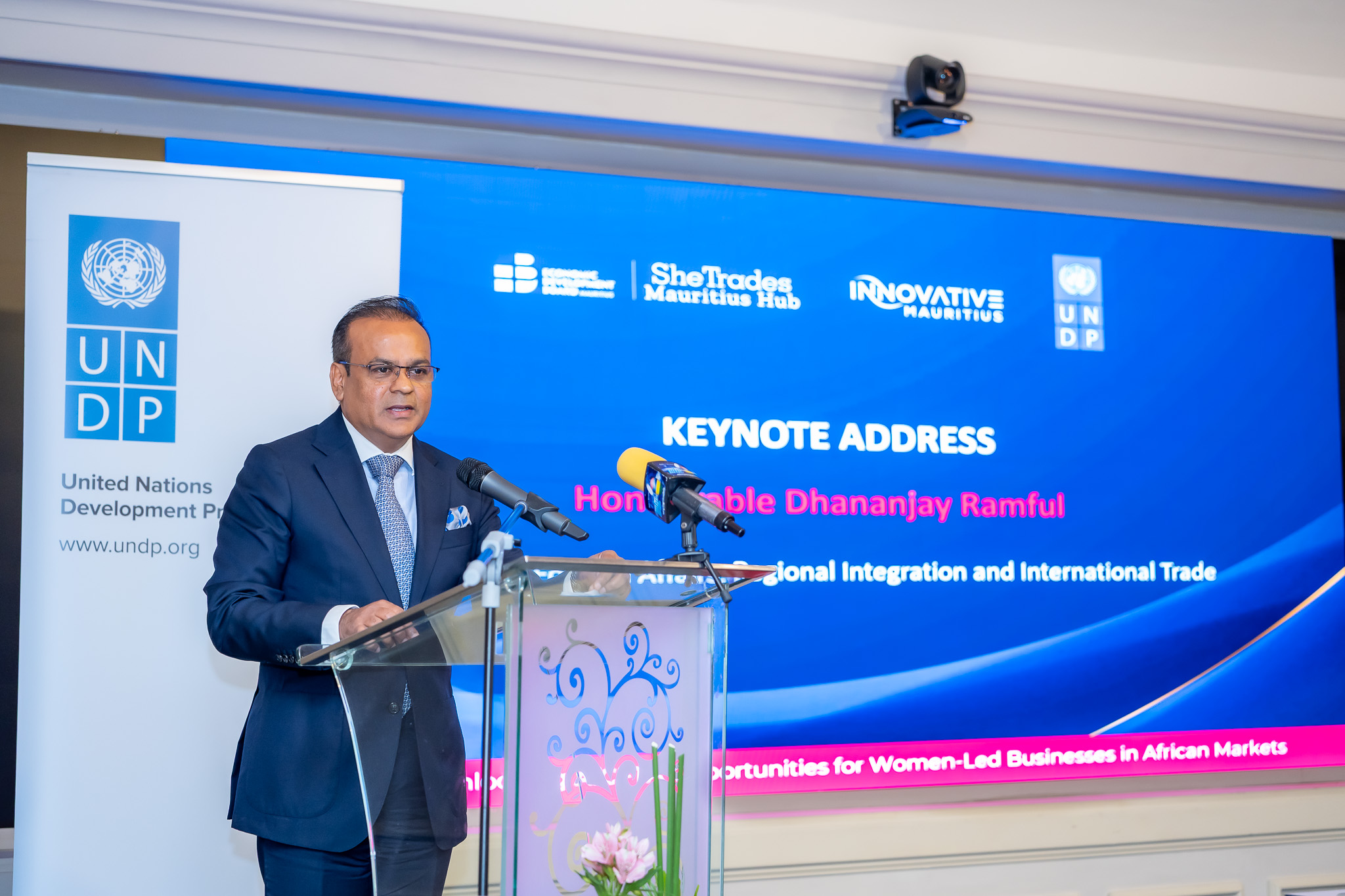
In his keynote address, Honourable Dhananjay Ramful, Minister of Foreign Affairs, Regional Integration and International Trade, urged Mauritian women entrepreneurs to transform the opportunities offered by the African Continental Free Trade Area (AfCFTA) into tangible business success. He highlighted the AfCFTA as a transformative agreement encompassing investment, intellectual property, digital trade, and the pioneering Protocol on Women and Youth in Trade, providing access to a market of 1.4 billion people with a combined GDP of US$3.4 trillion. Reaffirming the Government’s commitment to women’s economic empowerment, the Minister outlined recent budgetary measures, including the removal of the spousal consent requirement for women seeking bank loans, the allocation of Rs 5 million for a dedicated women’s incubator, and the SheInvents Programme to promote women in research, innovation and entrepreneurship. He concluded by encouraging women-led businesses to embrace innovation, enhance their competitiveness and seize the opportunities presented by the AfCFTA.
The first day of the workshop focused on providing participants with a comprehensive understanding of the AfCFTA framework. Presentations by representatives from the Ministry of Foreign Affairs, Regional Integration and International Trade and UNDP covered the current status of AfCFTA implementation, market access opportunities, tariff liberalisation, Rules of Origin, Mauritius’ market access offer, and the strategic importance of Africa as an export destination for Mauritian women-led SMEs. Participants also gained insights into UNDP initiatives aimed at supporting women entrepreneurs in accessing regional markets. A dedicated session on market intelligence introduced participants to the International Trade Centre’s Market Access Map and Trade Map tools. Through practical exercises, participants learned how to identify promising African markets for their products and services and how to use market intelligence to inform their export strategies. The afternoon sessions explored the implementation of the AfCFTA, trade in goods, non-tariff measures and available online trade facilitation mechanisms. Experts from the AfCFTA Secretariat and the Mauritius Revenue Authority provided practical guidance on Rules of Origin, customs procedures, tariff preferences, HS classification and the documentation required to benefit from preferential market access under the Agreement.
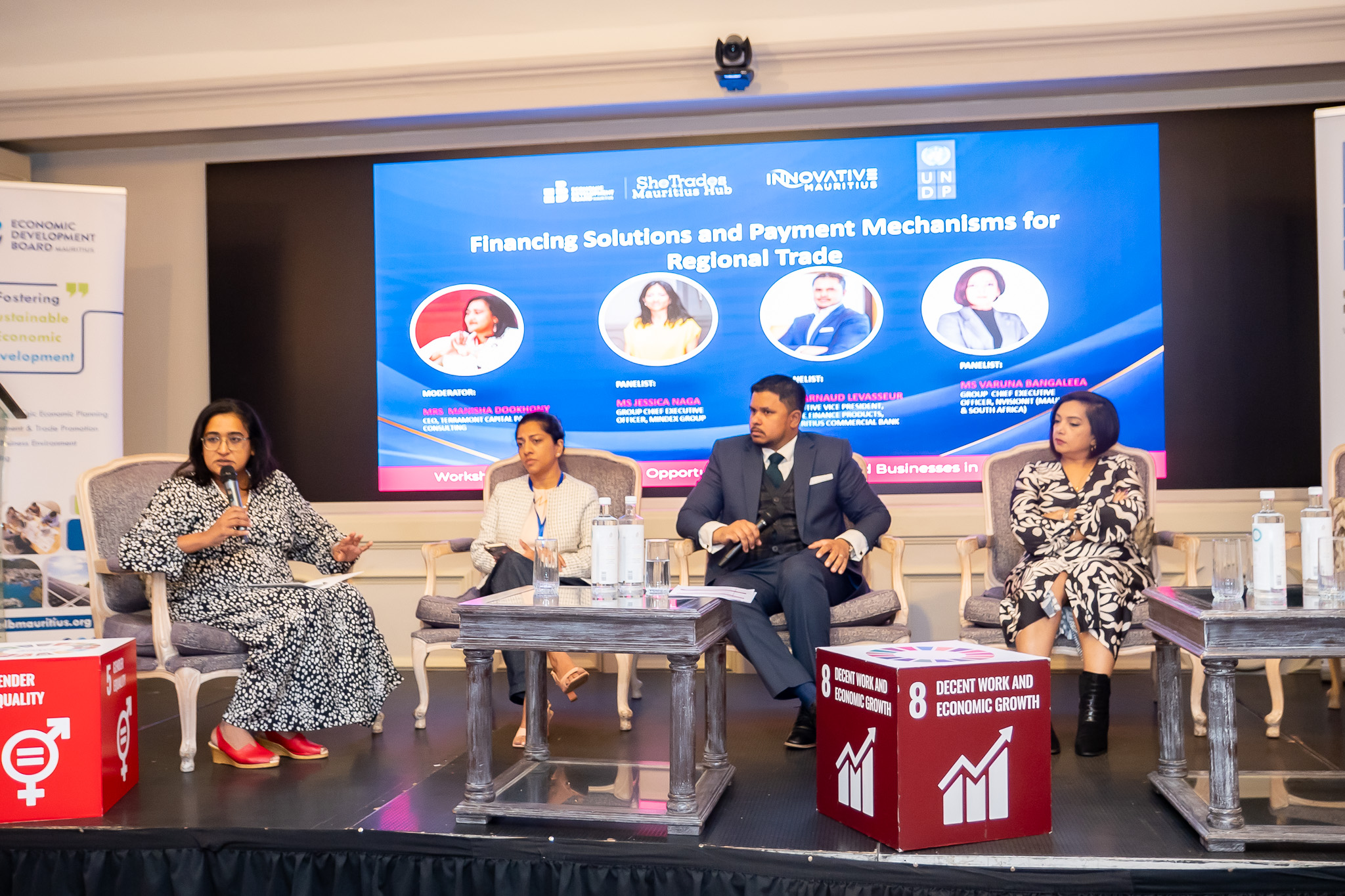
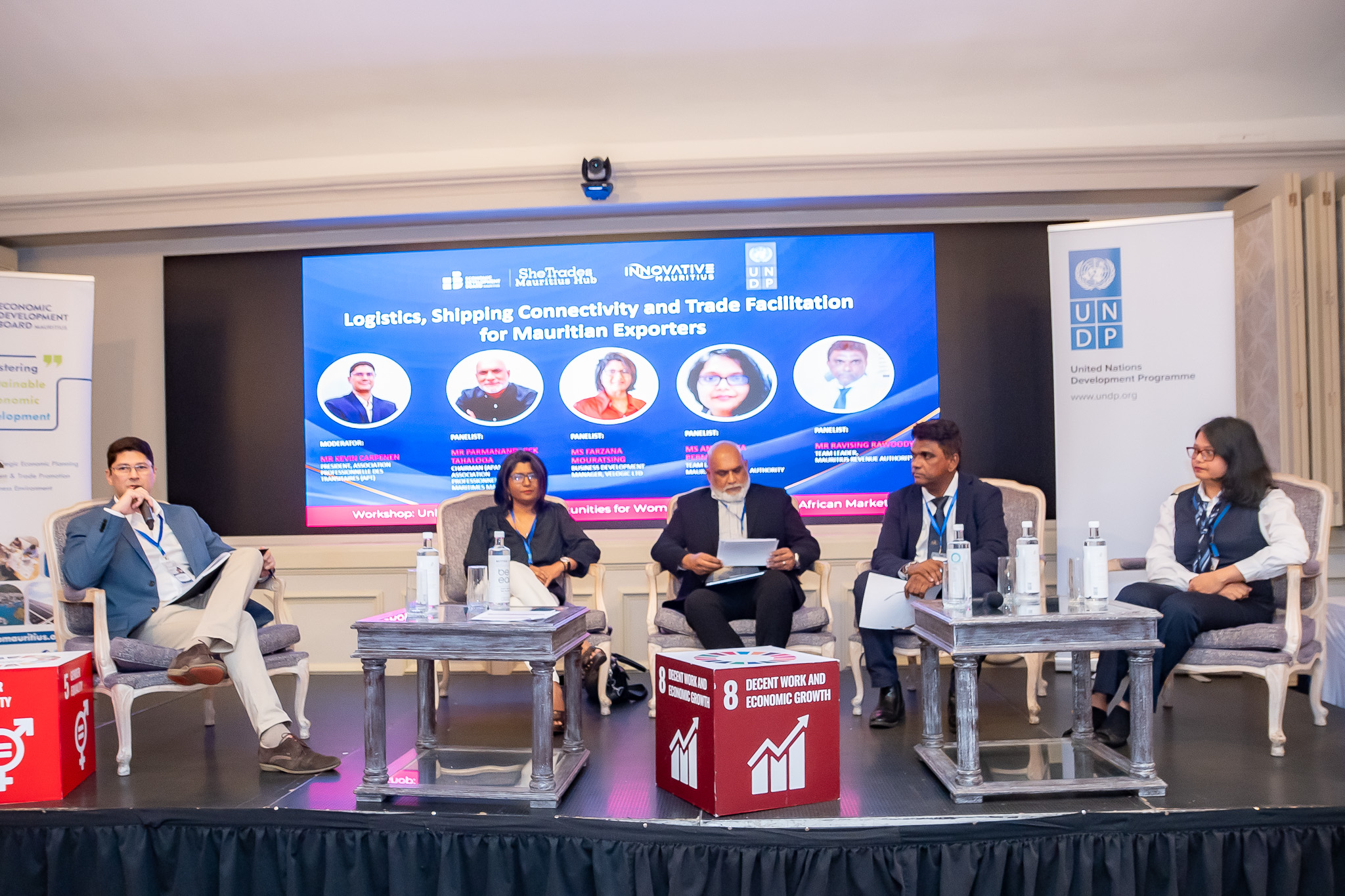
The second day focused on the practical aspects of exporting to Africa. A high-level panel discussion brought together representatives from the banking, financial technology and investment sectors to discuss trade finance solutions, payment mechanisms, financial readiness and risk management for exporters. Participants also benefited from discussions on logistics, shipping connectivity, export documentation and customs compliance, with experts from the private sector and the Mauritius Revenue Authority sharing practical experiences and recommendations. One of the highlights of the workshop was a panel featuring experienced Mauritian exporters who shared their journeys into African markets. The panellists discussed key challenges encountered, lessons learned, critical success factors for market entry and practical advice for businesses seeking to expand across the continent. The final technical session focused on developing a continental export strategy, enabling participants to understand how to conduct market research, identify priority export destinations, prepare export action plans and access available support mechanisms and business networks under the AfCFTA.
In her concluding remarks Ms. Renooka Beejan, Head of the Socio-Economic Development Unit at UNDP, highlighted UNDP’s continued commitment to supporting inclusive economic growth by empowering women entrepreneurs with the knowledge, tools and networks required to access regional markets. She encouraged participants to translate the insights gained during the workshop into concrete business actions and leverage available support mechanisms to expand their enterprises under the AfCFTA framework.
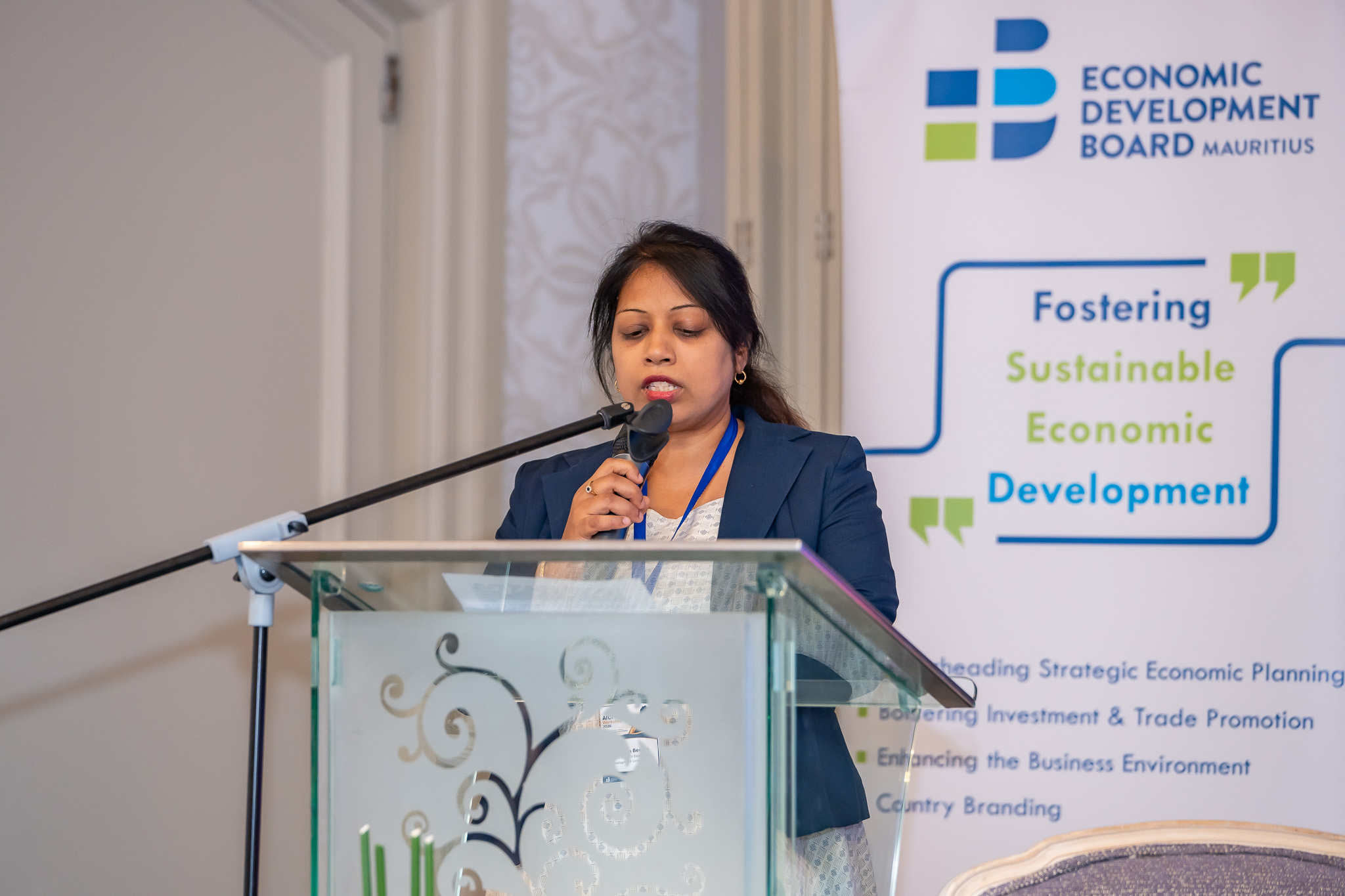
Mrs. Nirmala Jeetah, Director of Healthcare & Life Sciences and ITC SheTrades Mauritius Hub at the Economic Development Board, reaffirmed EDB’s commitment to supporting women-led businesses beyond the workshop by providing continuous access to capacity building, market intelligence and business opportunities throughout their export journey. She noted that while the workshop marked an important milestone in strengthening the readiness and confidence of Mauritian women entrepreneurs to seize opportunities under the AfCFTA, the work does not stop here. The true measure of success will be seeing more women-owned businesses enter African markets, forge lasting partnerships and contribute to Mauritius’ export growth and integration into regional value chains.